


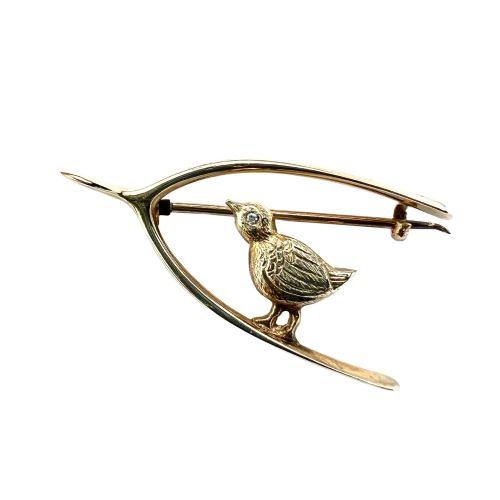
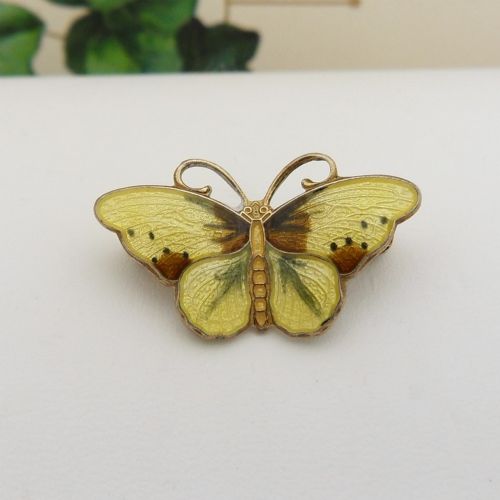
Vintage Lapel Pin
These vintage lapel pin pieces span decades of decorative metalwork and gemstone setting, offering wearable history for everyday tailoring.
Vintage Lapel Pin
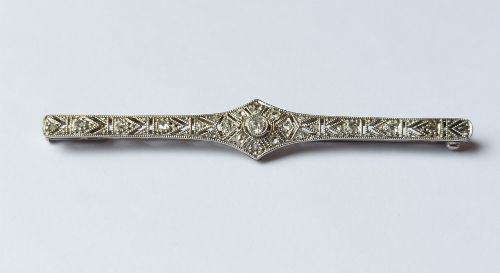
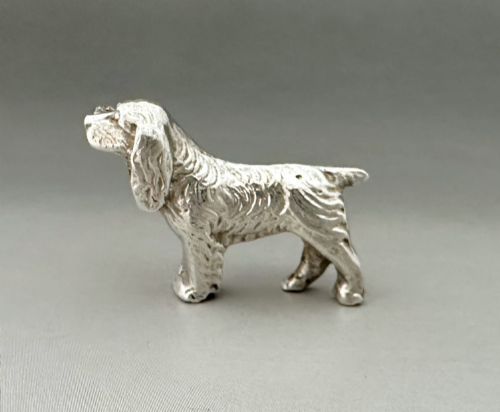
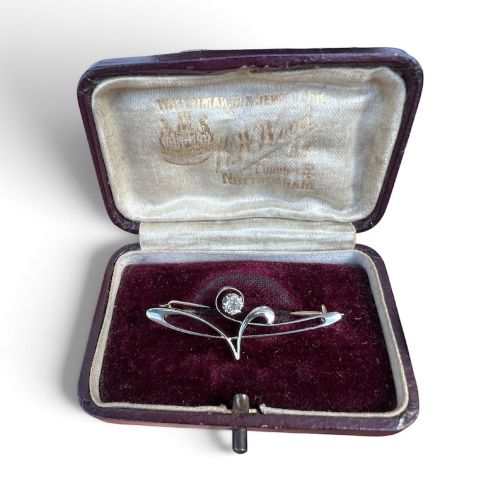
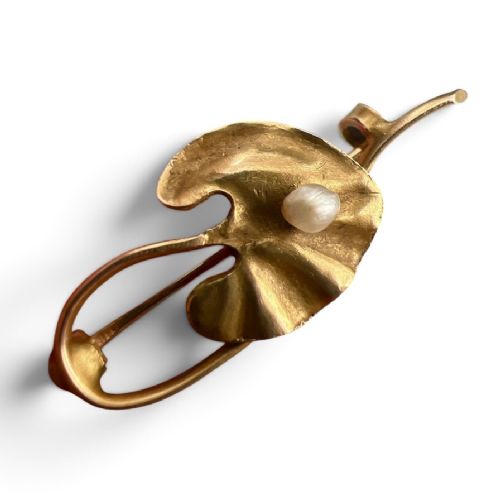
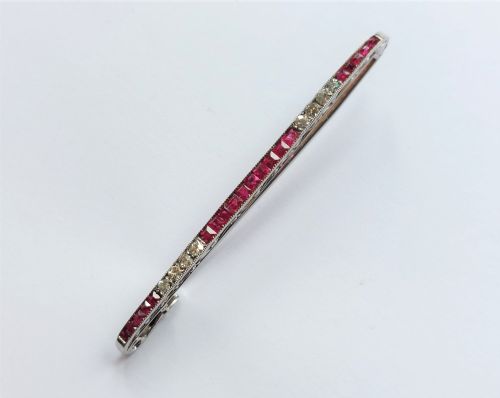
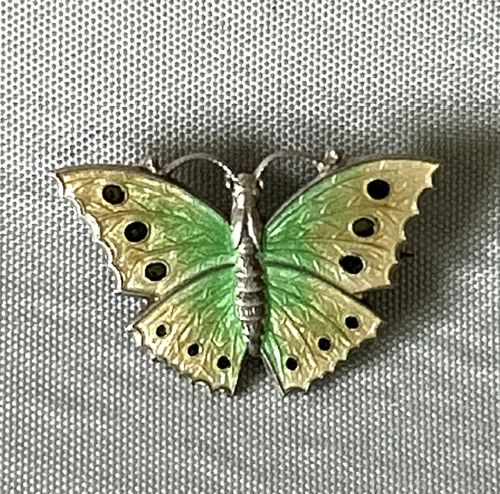
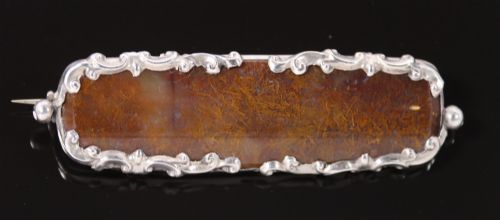
When buyers search for a vintage lapel pin, they encounter a diverse selection of brooches, stick pins, and hat pins spanning the Victorian, Edwardian, and mid-century periods. These items range from delicate floral motifs to geometric Art Deco bar designs and animal figures.
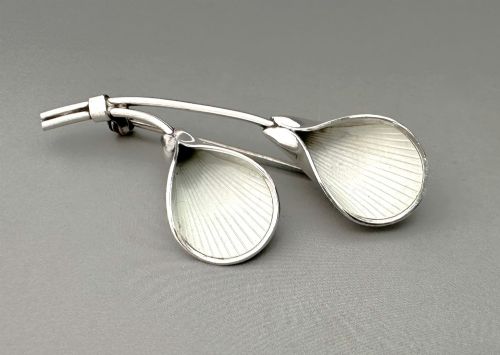
The pieces appearing on this page originate from various design movements including Art Nouveau, Art Deco, and Scandinavian Modern. Many take the form of small silver or gold fasteners originally intended to adorn lapels, hats, or cravats.
Materials and construction
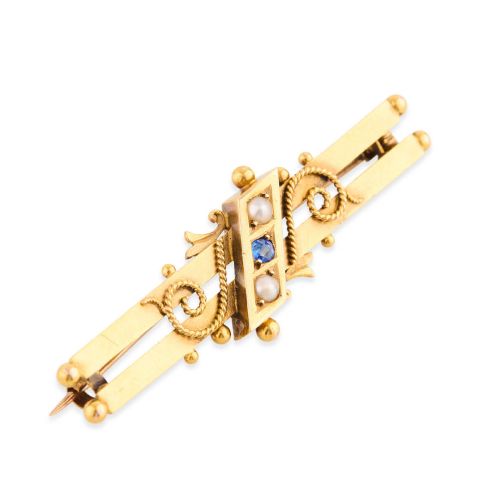
Maker construction relies heavily on silver, sterling silver, and various karats of gold combined with platinum settings to secure diamonds, pearls, rubies, and sapphires. Enamel work, particularly guilloche, frequently appears alongside marcasite and paste stones to add colour and texture.
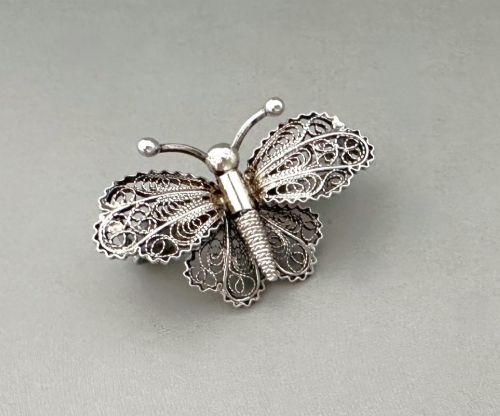
Techniques span fine filigree wirework, carved shell cameos, and vitreous enamel fired onto silver or gold bases. Metal smiths employed casting, soldering, and stone-setting methods characteristic of their respective decades.
Vintage Lapel Pin Retail Price Guide 2026
Typical asking prices for vintage lapel pin among the pieces listed under this phrase on Sellingantiques today, from the lower quarter to the upper quarter. They describe what is for sale here now, not the wider market.
Listings feature items from the Victorian, Edwardian, and Art Deco eras, constructed in silver, gold, platinum, and enamel.
Distinctions in quality
Quality differences rest upon the crispness of metal casting, the precision of stone calibration, and the preservation of enamel surfaces. Superior examples demonstrate secure prong settings, even guilloche patterns without chipping, and well-defined hand-finishing.
Makers known for distinct signatures or registered marks often command greater interest, alongside pieces retaining original boxes. The harmony of design proportions and the weight of the precious metal further separate standard production items from finer studio work.
Charles Horner·Hroar Prydz·Kutchinsky·Ben Rosenfeld
The Vintage Lapel Pin Glossary
- Guilloche enamel
- A decorative technique where translucent enamel is layered over engine-turned metal engraving. This process creates intricate geometric wave or ray patterns beneath the coloured glass.
- Marcasite
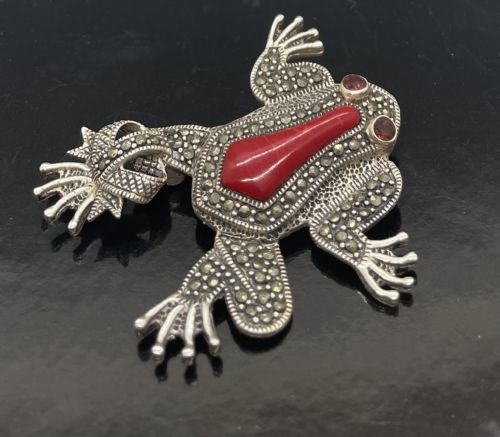
- Small faceted pieces of iron pyrites set into silver mounts to resemble diamonds. Popular during the Art Deco era for adding metallic sparkle.
- Stick pin
- A long pin topped with an ornamental head, designed to secure neckties, lapels, or scarves with the aid of a safety cap.
- Filigree
- Fine wirework soldered together in openwork patterns of delicate scrolls and loops. Often executed in silver or gold.
- Paste
- Cut and polished lead glass used to imitate gemstones in antique jewellery. High-quality paste stones feature hand-foiled backs to enhance brilliance.
Vintage Lapel Pin: Frequently Asked Questions
How do I wear a vintage lapel pin?
Pin these pieces directly onto the lapel of a blazer, coat, or knitted cardigan using the fitted pin stem and safety clasp. Ensure the fabric is heavy enough to support the weight without sagging.
For stick pins, push the long shaft through fabric folds and secure the sharp end with its matching stopper on the reverse side.
How do I date a vintage lapel pin?
Dating relies on stylistic clues such as geometric Art Deco lines, flowing Art Nouveau floral curves, or mid-century Scandinavian minimalist forms. Maker marks and metal hallmarks provide additional chronological reference points.
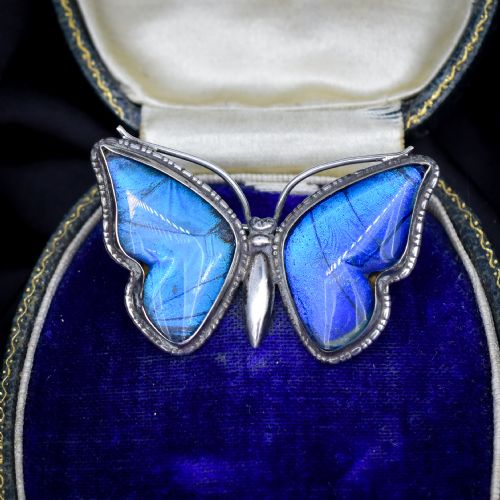
Materials like marcasite, butterfly wings, and guilloche enamel also point to specific manufacturing decades.
How should I clean enamel jewellery?
Wipe enamel surfaces gently with a soft, damp cloth to remove dust and skin oils. Avoid soaking pieces in water or using harsh chemical dips, which can damage enamel or loosen glued elements.
Store items separately in fabric pouches to prevent scratching against other metal items.