

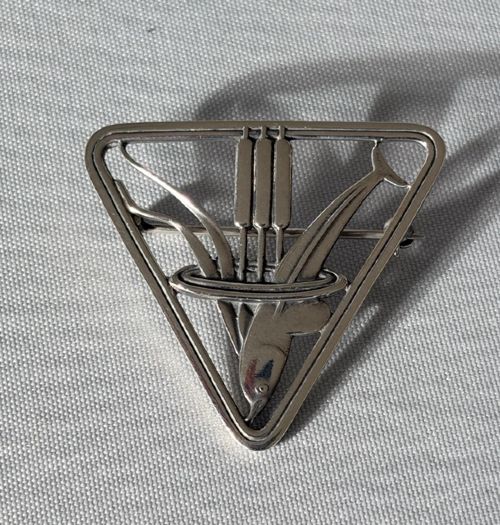
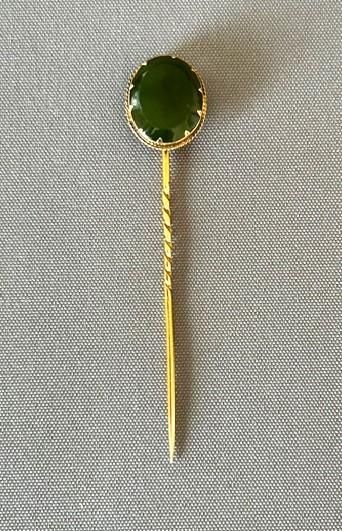
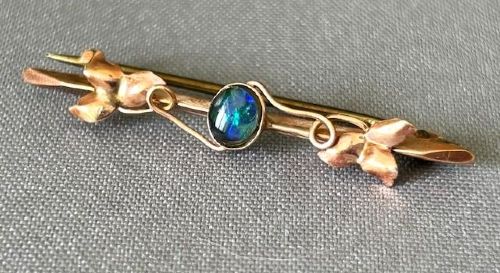
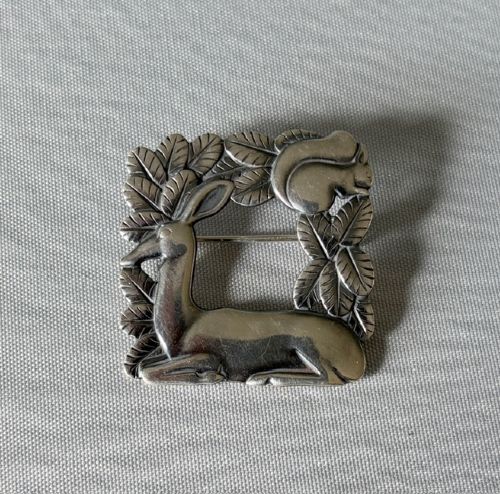
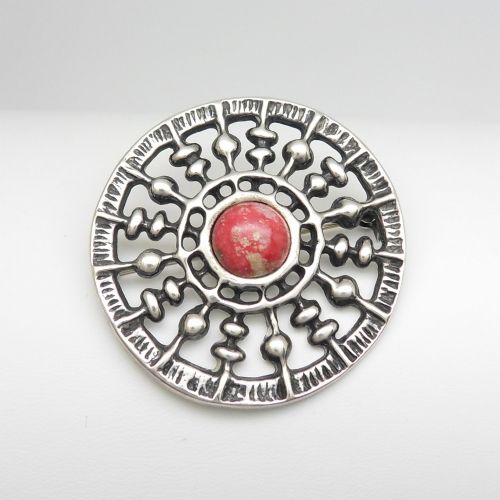
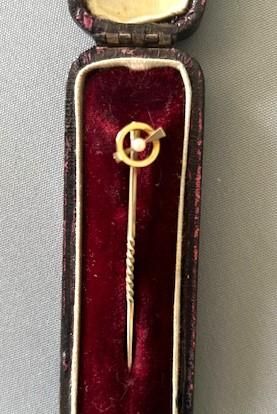
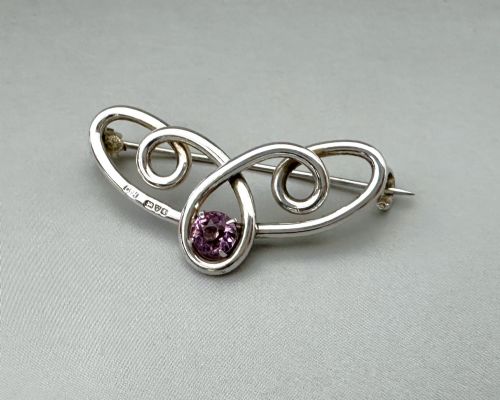
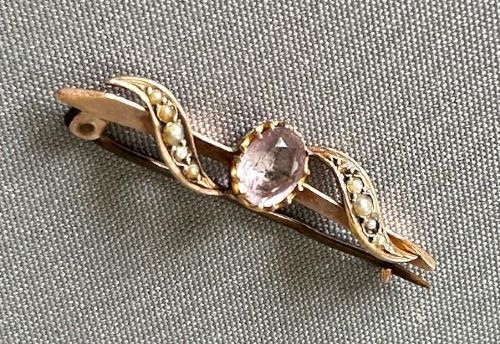

Vintage Lapel Pin Brooch
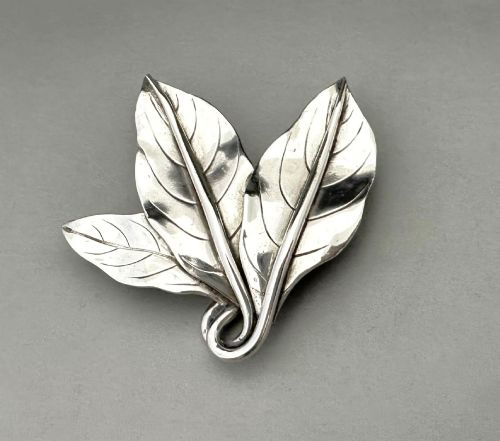
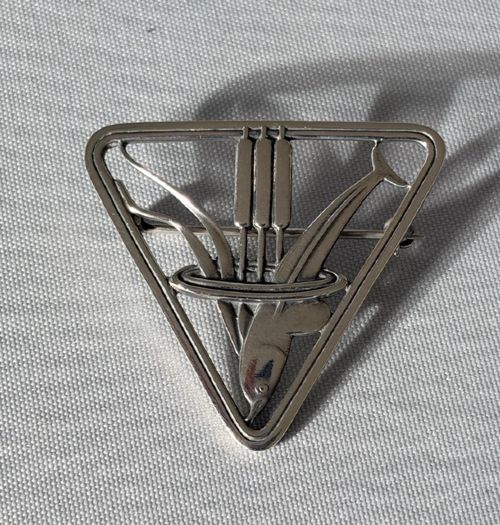
These vintage lapel pin brooch examples span delicate Edwardian florals to bold Art Deco geometrics, offering wearable history for daily dress.
Vintage Lapel Pin Brooch
A vintage lapel pin brooch serves as a fastening ornament, worn traditionally on jacket lapels, hats, or scarves. The selection ranges widely from nineteenth-century Victorian keepsakes to mid-century Scandinavian designs.
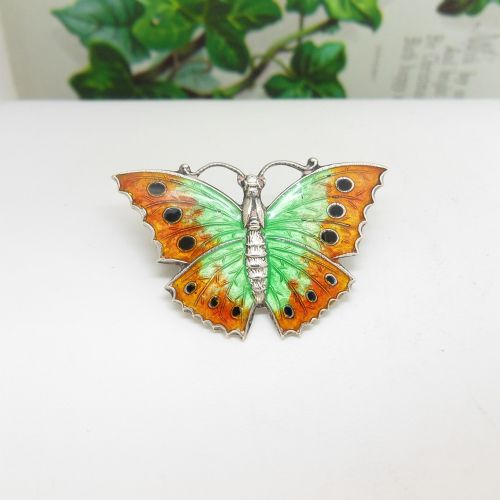
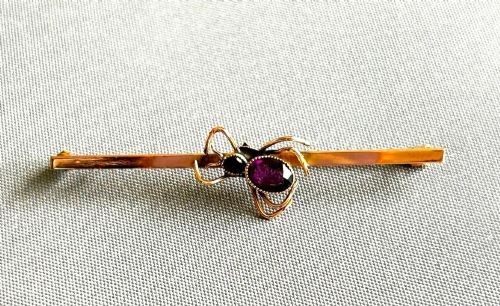
Buyers encounter numerous forms on this page, including bar brooches, stick pins, hat pins, and figurative animal motifs. The common thread is miniature metalwork designed to secure clothing while adding decorative interest.
How They Were Made
Goldsmiths and silversmiths utilised precious metals such as sterling silver, 9ct gold, and platinum as foundations for intricate wirework and gemstone settings. Filigree techniques and cast metal shapes provide structural form.
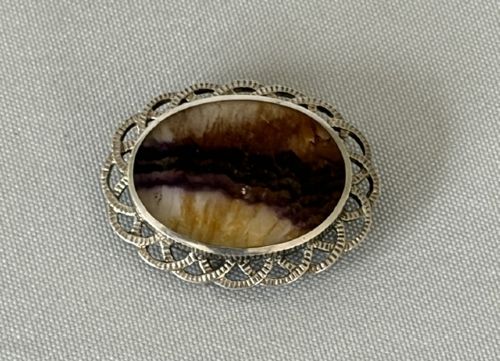
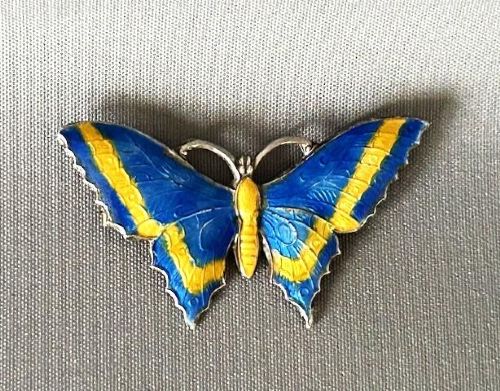
Colour is introduced through vitreous guilloche enamel, alongside carved hardstones like moss agate and shell cameos. Diamonds, pearls, turquoise, rubies, and marcasite stones are set by hand into the metal framework.
Vintage Lapel Pin Brooch Retail Price Guide 2026
Typical asking prices for vintage lapel pin brooch among the pieces listed under this phrase on Sellingantiques today, from the lower quarter to the upper quarter. They describe what is for sale here now, not the wider market.
Listings feature periods from the Georgian era through Victorian, Edwardian, and Art Deco, up to mid-century styles.
What Varies in Quality
Craftsmanship shows in the precision of the metal filigree and the evenness of the translucent enamel layers. Superior pieces maintain crisp detail in chased or engraved motifs without smoothing from wear.
The choice of materials alters the standing of a piece significantly, moving from paste stones and base metals to platinum set with genuine diamonds and natural pearls. Maker attribution also elevates the standing of specific designs.
Hroar Prydz·Charles Horner·Kutchinsky·Ben Rosenfeld
The Vintage Lapel Pin Brooch Glossary
- Guilloche enamel
- Enamel applied over engine-turned metal engraving. This technique creates a repeating geometric pattern that shows beneath translucent coloured glass.
- Marcasite
- Small faceted polished iron pyrite stones. Set closely together in silver mounts, they provide a dark metallic sparkle.
- Filigree
- Delicate wirework soldered into openwork patterns. Craftsmen twist fine gold or silver threads to form intricate lace-like designs.
- Stick pin
- A long straight pin topped with an ornamental head. Originally used to secure cravats or lapels.
Vintage Lapel Pin Brooch: Frequently Asked Questions
How do I wear a vintage brooch?
Pin the piece securely through heavier fabrics on a jacket lapel, coat, or scarf where the weight of the metal is supported. Ensure the safety catch is locked to prevent loss during movement.
Lighter silk garments require an extra backing disc behind the fabric to distribute the weight and protect delicate weaves from tearing.
What periods do these brooches cover?
The pieces span from the Georgian and Victorian eras through Edwardian, Art Nouveau, and Art Deco periods, extending into mid-century modern designs. Each period brings distinct motifs and metalworking techniques.
Victorian pieces often feature sentimental gems and gold, while Art Deco items favour platinum, geometric lines, and bright enamel colours.
Are these pins made of real silver?
Many listings feature sterling silver or continental silver constructions, often marked with traditional hallmarking stamps. Some items incorporate silver gilt, which is silver coated with a thin layer of gold.
White metals may also include platinum or white gold, particularly in pieces from the Art Deco period set with diamonds.
How should I clean enamel jewellery?
Enamel requires gentle cleaning with a soft cloth and lukewarm soapy water to preserve the glass surface. Avoid harsh chemical dips or ultrasonic cleaners that can damage enamel or pearls.
Pat dry immediately after washing and store separate from harder gemstones to prevent surface scratching.