

Vintage Landscape Scene
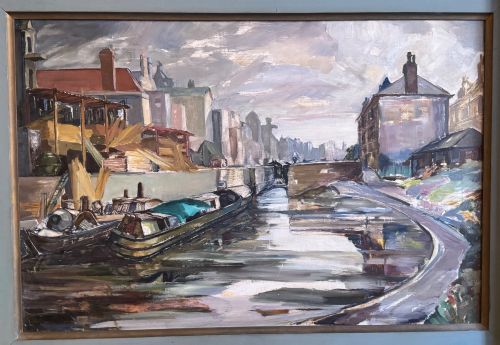
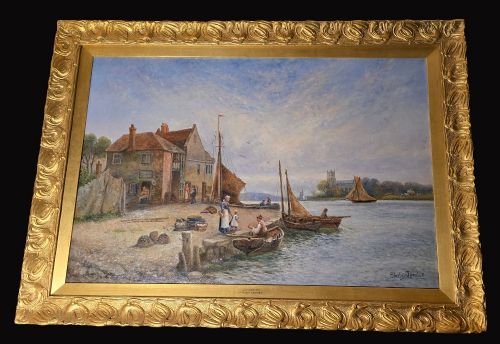
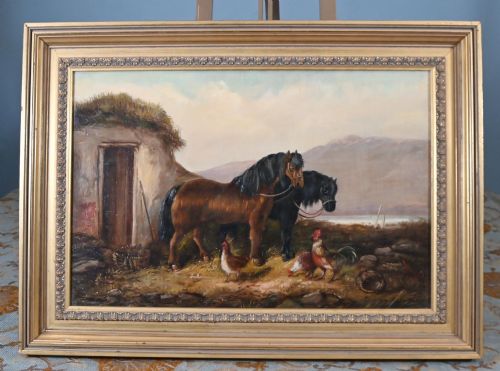
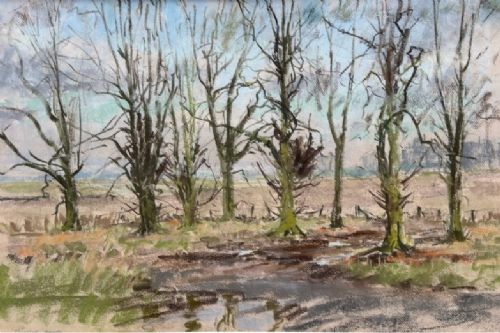
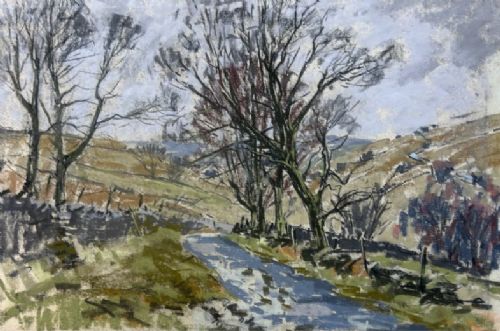
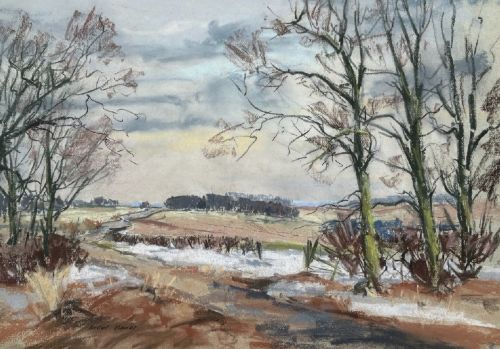
A vintage landscape scene brings the breadth of the countryside, sea and town into a room through oil, watercolour and ink.
Vintage Landscape Scene
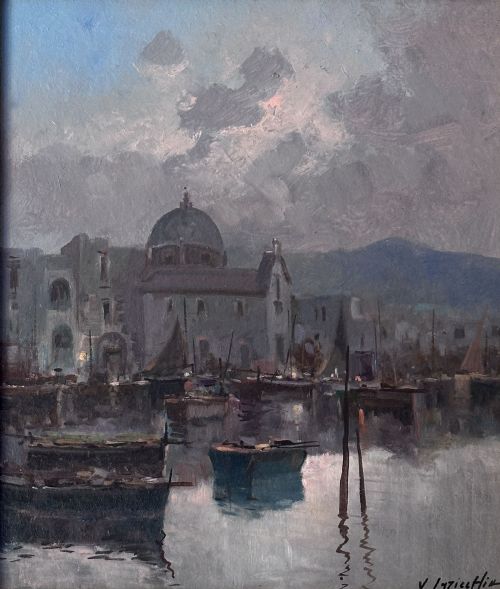
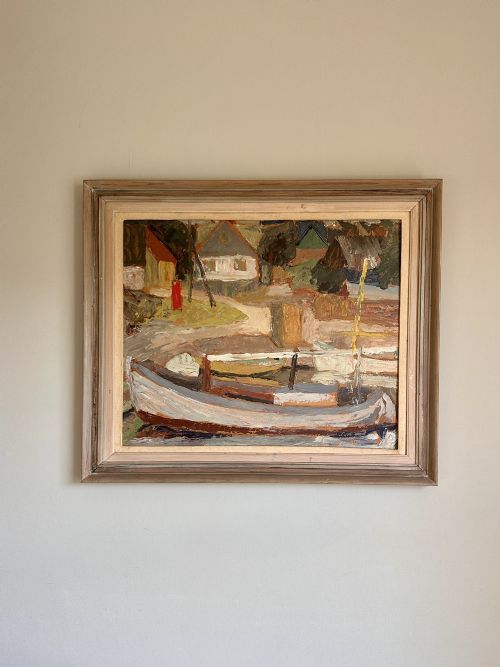
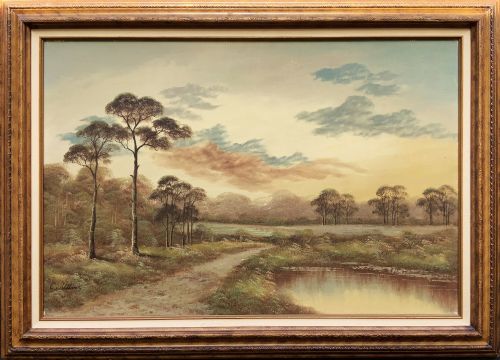
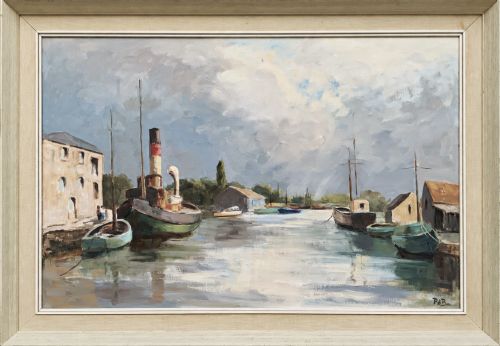
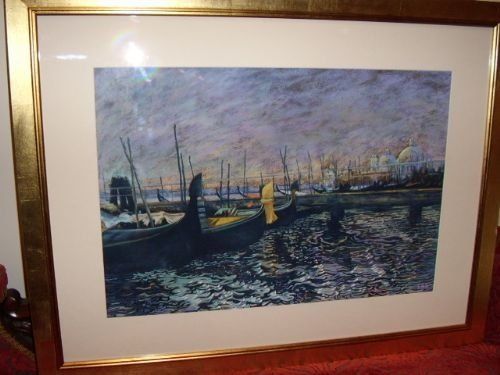
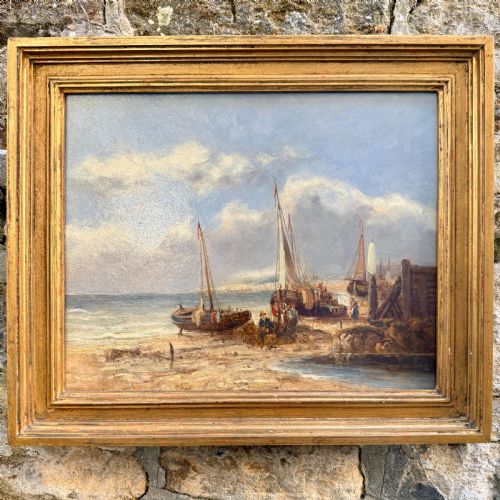
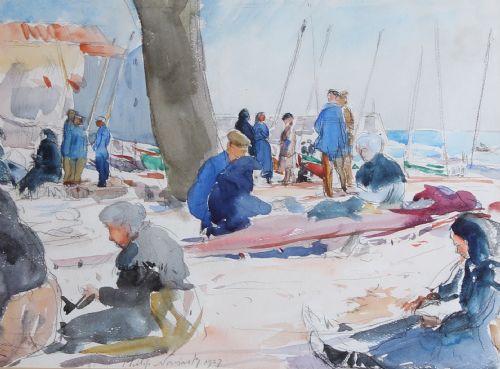
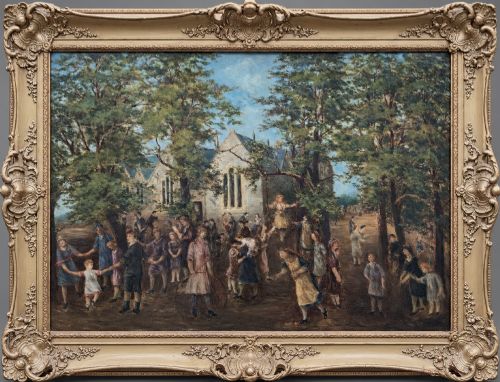
When you search for a vintage landscape scene, you encounter framed watercolours, oil paintings on canvas or board, and paper prints spanning centuries. These works record rural vistas, coastal harbours, river valleys, and village gatherings from British and European hands.
The most frequent examples on this page date from the nineteenth and early twentieth centuries, rendered in oil or watercolour. They range from intimate village watercolours to large oil paintings of Dutch windmills and Thames scenes.
How they were made
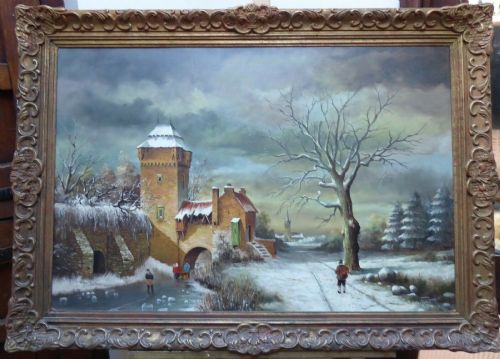
Artists built these compositions primarily using oil paint on canvas or board, watercolour and gouache on paper, and ink. Canvases are frequently stretched over wooden frames and often retained within period gilt wood frames.
Techniques vary from the fine brushwork of traditional topographic views to the looser, atmospheric application of Impressionism. Pen and ink drawings and engravings utilise paper supports, sometimes heightened with pencil or wash.
Vintage Landscape Scene Retail Price Guide 2026
Typical asking prices for vintage landscape scene among the pieces listed under this phrase on Sellingantiques today, from the lower quarter to the upper quarter. They describe what is for sale here now, not the wider market.
Children ice skating on frozen ponds appear alongside rigorous Victorian fox hunting scenes and gentle village fêtes.
What varies in quality
Quality rests upon the sureness of the hand and the control of light and atmosphere across the canvas or paper. Stronger examples command space with confident brushwork and balanced composition, while weaker pieces rely on formulaic repetition.
The integrity of the surface materials, from stable oil paint to well-preserved paper without excessive foxing, distinguishes finer survivals. Original gilt wood frames that complement the painting add to the cohesion of the piece.
Sir David Murray RA·Sushila Singh·William Manners·George Stubbs
The Vintage Landscape Scene Glossary
- Oil on canvas
- Pigments bound in a drying oil, usually linseed, applied to a woven fabric stretched across a wooden frame. This medium allowed artists to build rich textures and deep tones.
- Watercolour
- Pigments suspended in a water-soluble vehicle, applied to paper to create translucent washes of colour. It was a preferred medium for topographical and plein air recording.
- Impressionism
- A style characterised by relatively small, thin, yet visible brush strokes and an open composition. It emphasises accurate depiction of light and its changing qualities.
Vintage Landscape Scene: Frequently Asked Questions
What is a vintage landscape scene?
A vintage landscape scene is a painted, drawn, or printed depiction of natural scenery, towns, or coastal views produced in past centuries. These works capture specific topographical locations or idealised rural vistas.
They serve primarily as decorative wall art, offering a window into historical environments and past artistic interpretations of nature.
How do I date an oil painting?
Dating an oil painting involves examining the canvas, stretchers, pigments, and the style of the frame. Handwritten notes on the reverse or signatures can also provide clues.
Material analysis often reveals whether a canvas is nineteenth century or earlier, while stylistic markers point to movements like Impressionism or the Dutch School.
Where should I hang watercolours?
Watercolours require placement away from direct, strong sunlight to prevent the pigments and paper from fading. Protecting them behind glass with suitable mounts keeps the paper surface safe from atmospheric moisture.
They suit study rooms, hallways, and living spaces where ambient light can be controlled.
What subjects are most common?
Common subjects include river valleys, rural cottages, coastal harbours, and agricultural scenes like harvesting and herding. Marine views and townscapes also appear frequently.
These motifs reflect the nineteenth and early twentieth century fascination with domestic countryside and maritime trade.