


Vintage Kitchen Server Table
A vintage kitchen server table offers sturdy utility and timeless rustic charm for modern food preparation and serving.
Vintage Kitchen Server Table
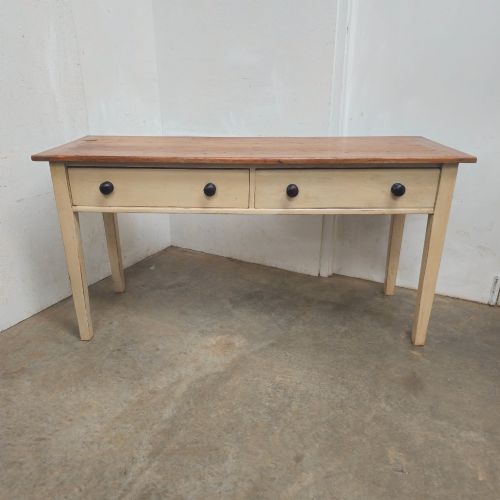
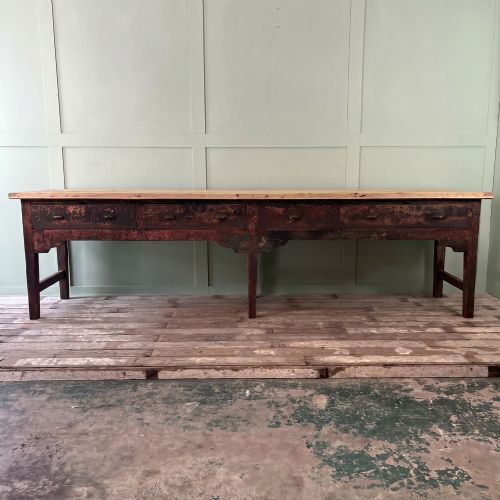
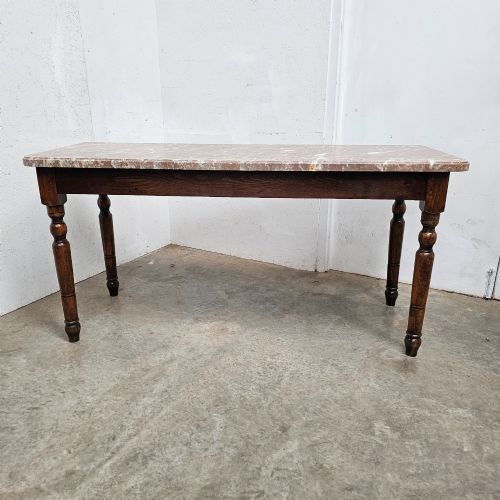
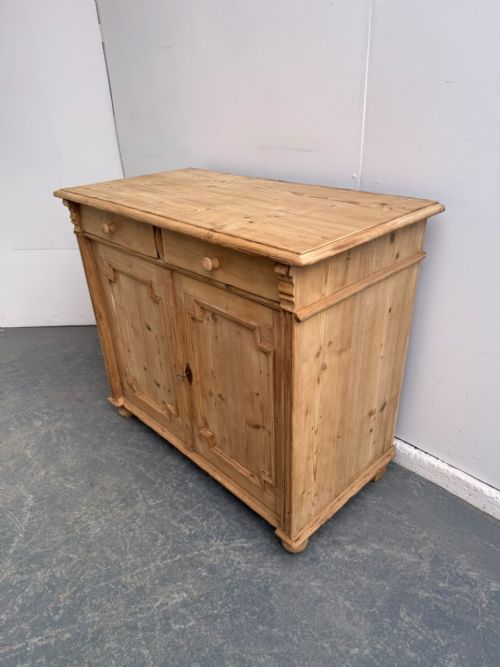
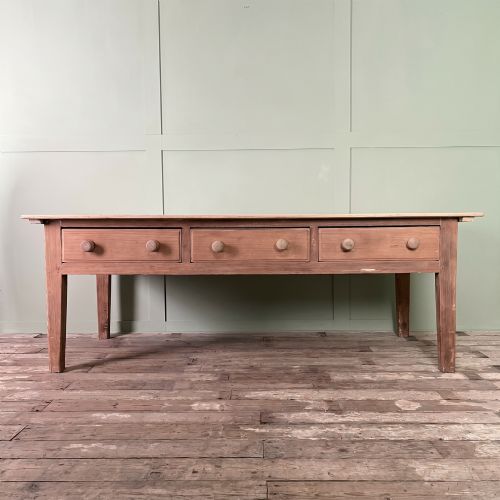
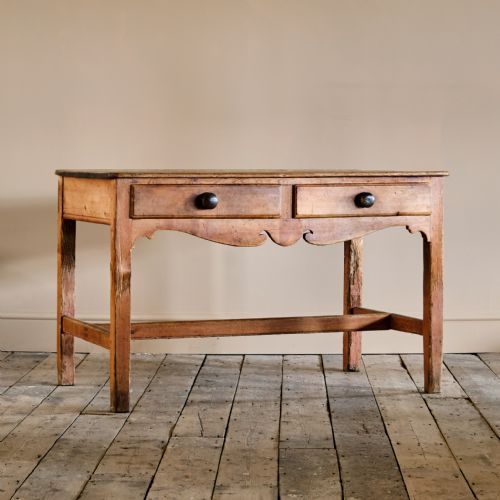
A vintage kitchen server table encompasses utilitarian forms designed for food preparation and storage, spanning centuries of domestic life. When searching for a vintage kitchen server table, buyers encounter heavy oak and pine dresser bases, long drapers tables, and specialised dairy or harvest tables. These pieces originate from English, French, and Swedish country houses and farmhouses, carrying the honest wear of daily culinary labour.
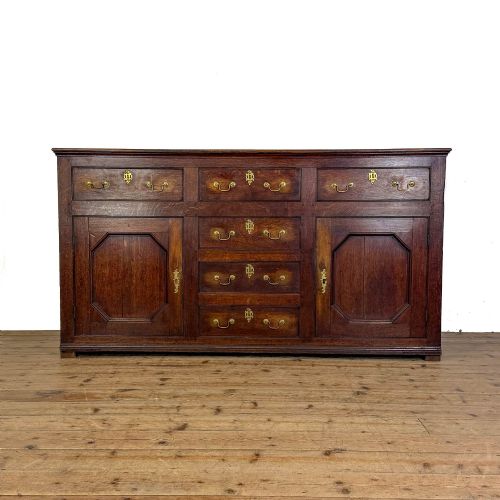
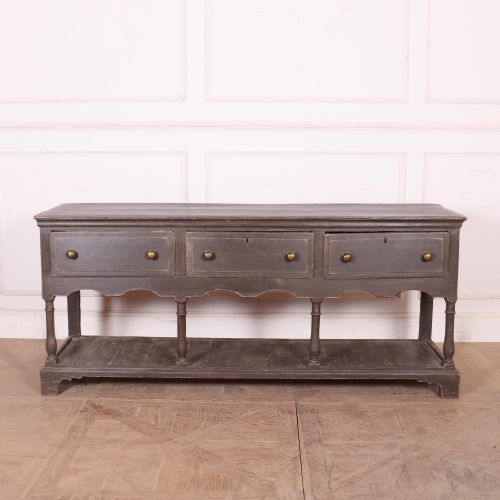
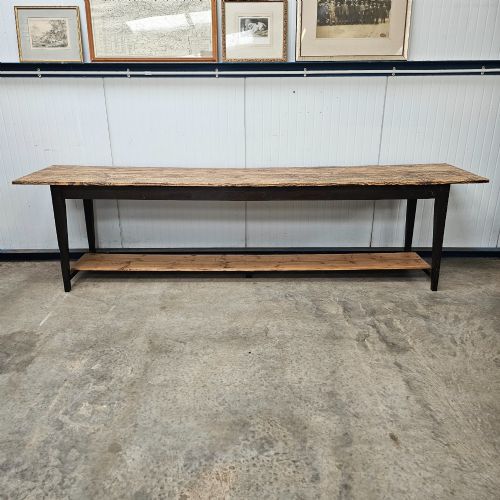
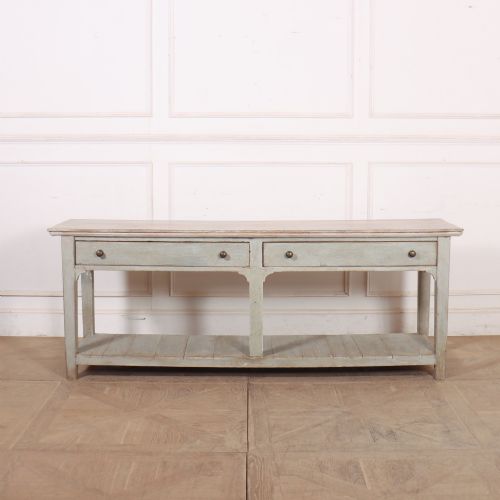
The most common variants on this page are 19th-century pine dairy tables and English potboard dresser bases featuring multiple drawers and lower shelves. Such items served as the central workhorses of domestic kitchens before fitted units took over. Their robust construction allows them to transition easily into modern homes as kitchen islands, sideboards, or preparation counters.
Materials and Construction
Makers relied heavily on solid timber such as pine, oak, and sycamore for the primary frames and work surfaces. These woods were chosen for durability and resistance to heavy daily use in busy food preparation environments. Secondary materials like brass and iron appear in structural fixings, hinges, and drawer pulls.
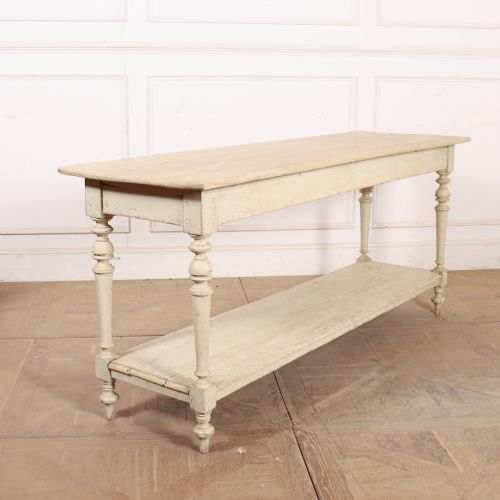
Surfaces frequently display layers of original or historic paint, often in muted tones, or remain as scrubbed timber and bleached oak. Potboard bases incorporate lower display platforms beneath the main work surface, while drapers tables utilise expansive tops designed for folding textiles or rolling pastry.
Some antique dairy tables still retain faint flour dust trapped deep within the grain from centuries of pastry rolling.
Distinctions in Quality
Quality rests in the integrity of the original timber and the depth of patina accumulated over generations of use. Tables retaining their original paint finishes or untouched scrubbed tops command greater interest than those stripped down and aggressively sanded in modern times.
Proportion and scale also dictate distinction, particularly in monumental drapers tables and long harvest tables that maintain balanced leg assemblies and substantial top boards. The retention of original hardware, such as brass pulls and iron brackets, further elevates the integrity of an antique server.
The Vintage Kitchen Server Table Glossary
- Potboard dresser base
- A low sideboard featuring an open lower shelf, known as a potboard, positioned just above the floor for storing heavy pots and pans. This form is common in 18th and 19th-century English country houses.
- Drapers table
- A long, substantial table originally utilised in textile shops for measuring and cutting cloth, now sought after for its generous proportions as a serving surface. Examples frequently appear in French oak and feature multiple working drawers.
- Dairy table
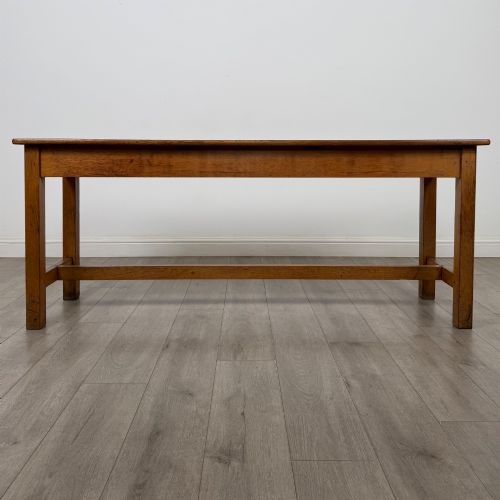
- A specialised work table constructed with scrubbed pine or sycamore tops designed to resist moisture and heavy food preparation tasks. These surfaces often display the pale, clean grain typical of 19th-century dairy environments.
- Harvest table
- An exceptionally long table traditionally brought out for seasonal communal dining and farm labour gatherings. They often feature narrow proportions relative to their overall length to accommodate large groups in farmhouses.
Vintage Kitchen Server Table: Frequently Asked Questions
How do I use a server table in a modern kitchen?
These tables function ideally as freestanding kitchen islands, providing a generous wooden surface for food preparation and chopping. Their lower shelves and drawers also accommodate everyday cookware and utensils.
Positioning a long pine or oak server against a wall creates an authentic sideboard or serving station for dining rooms. Their sturdy construction easily handles the demands of contemporary hosting and daily family life.
What is the difference between a dresser base and a serving table?
A dresser base typically incorporates rows of functional drawers across the front and often includes a lower potboard shelf. They were designed as heavy storage and workspace units for country kitchens.
Serving tables focus more on an open frame with fewer drawers, prioritizing surface area and legroom underneath. Both forms share utilitarian origins in 18th and 19th-century domestic spaces.
How do I care for antique pine and oak surfaces?
Maintain scrubbed wooden tops by cleaning them gently with mild soap and warm water, avoiding harsh chemical treatments that strip natural oils. Periodically applying a clear beeswax preserves the timber and prevents excessive drying.
Protect the historic patina from excessive moisture by using coasters and mats during serving. Allowing the wood to breathe preserves the authentic character accumulated over centuries.
How can I tell the age of a vintage server?
Examine the construction methods visible in the drawers and framing, such as hand-cut dovetails and pegged joints. Tool marks and timber shrinkage patterns often indicate 18th or 19th-century craftsmanship.
The presence of original paint layers, historic iron hardware, and natural wear patterns help distinguish genuine antique pieces from later reproductions.