
Vintage Kitchen Dresser Cabinet
A vintage kitchen dresser cabinet brings honest utility and vernacular warmth to a room, offering ample display and storage through timber shelving and deep cupboards.
Vintage Kitchen Dresser Cabinet
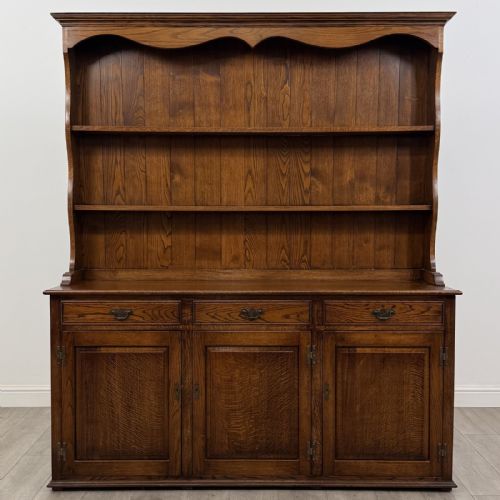
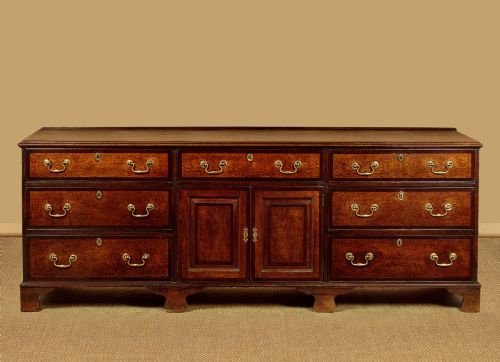
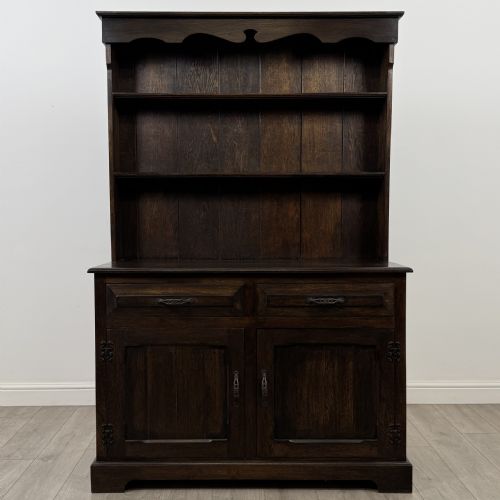
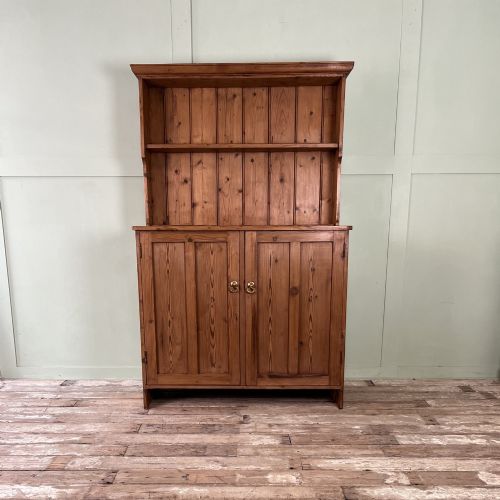
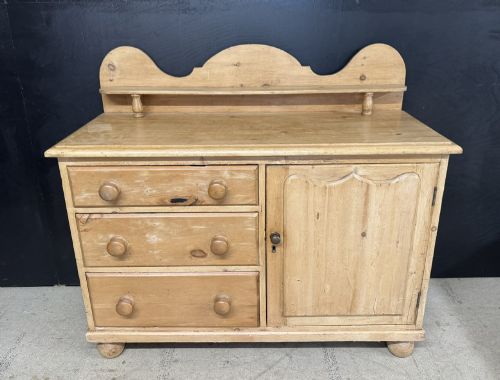
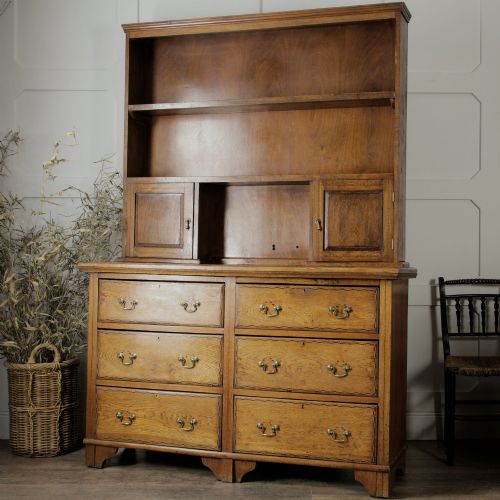
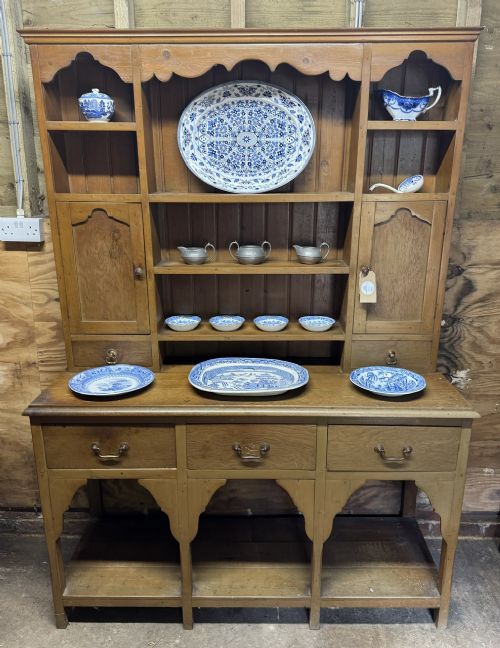
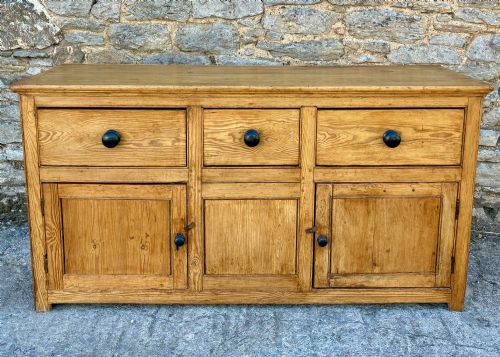
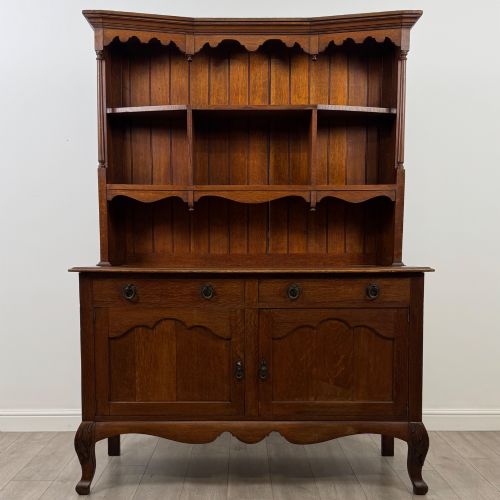
A vintage kitchen dresser cabinet combines open shelving for everyday crockery with enclosed lower storage, fulfilling the practical demands of domestic service and rural life. These versatile pieces appear in distinct regional variations, from tall Welsh examples to low English dresser bases and two-part cupboards.
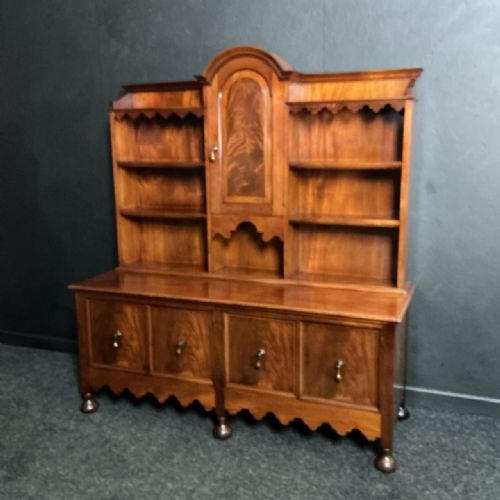
The selections span centuries of vernacular design, featuring substantial 18th-century oak foundations, elaborate Victorian interpretations, and lighter Edwardian or early 20th-century builds. Buyers frequently encounter pine and oak configurations that reflect local rural traditions across Britain, France, and wider Europe.
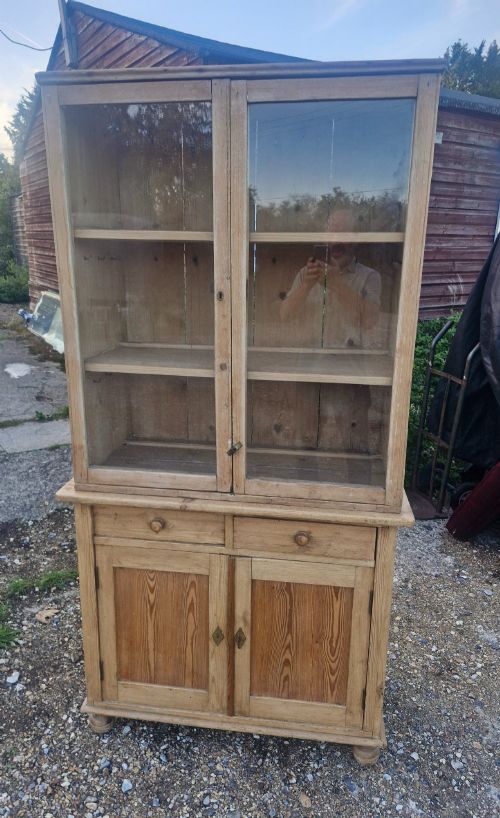
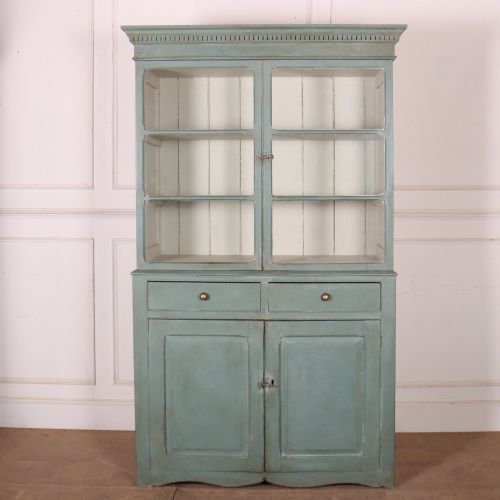
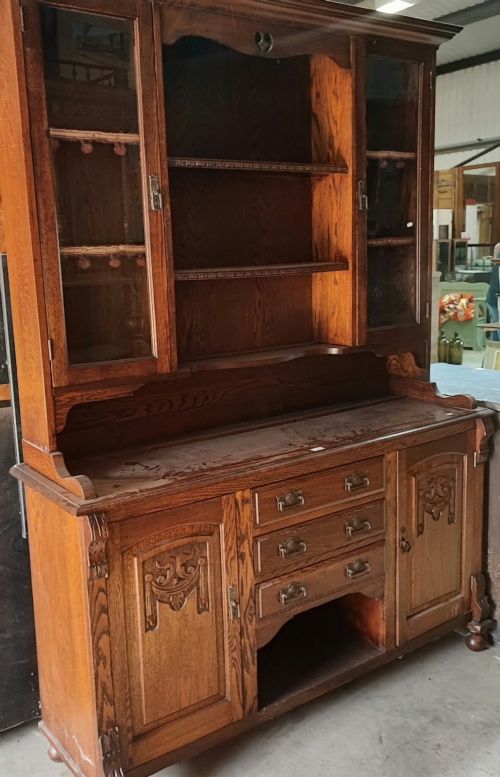
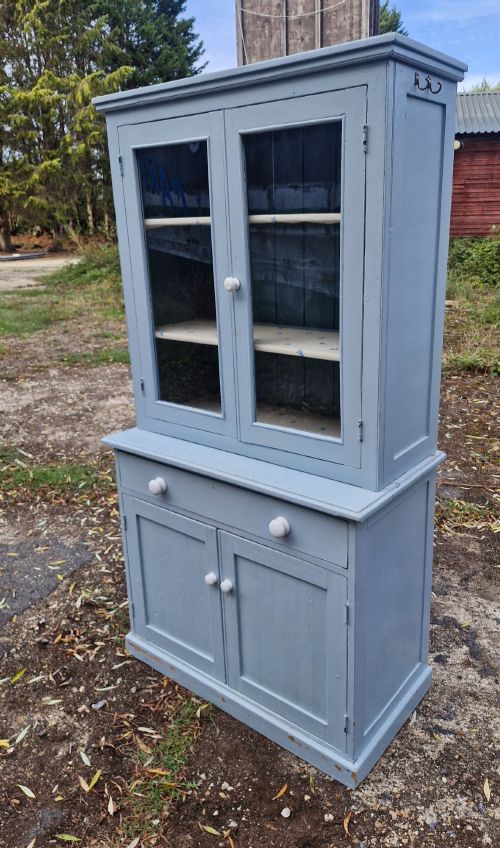
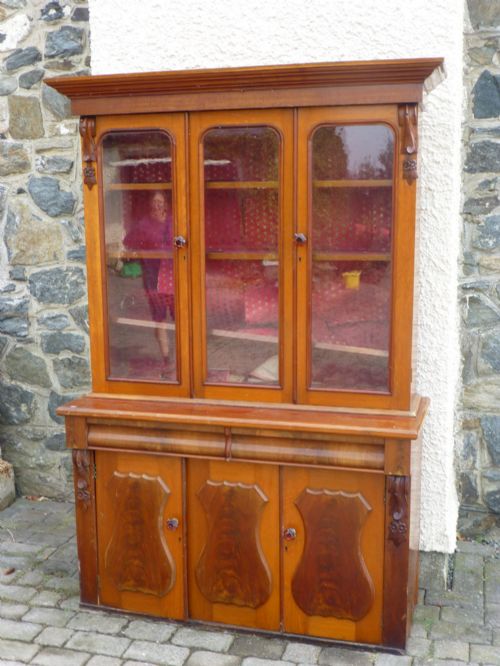
Forms range from glazed bookcase tops paired with sideboards to simple painted pine wall racks and freestanding cupboards. Each configuration serves the primary domestic function of keeping culinary provisions and tableware accessible yet orderly.
Materials and construction methods
Makers relied on durable native timbers such as oak and pine, frequently pairing denser hardwoods for structural frames with softer woods for internal shelving and backing boards. Selected pieces incorporate secondary woods like mahogany or fruitwood details, demonstrating resourcefulness in regional workshops.
Joinery methods prioritize sturdy pegged mortise and tenon joints to withstand heavy domestic use, complemented by hand-cut dovetails on drawer construction. Surfaces display traditional finishes including wax, shellac, or layered original paint that preserves the working history of the timber.
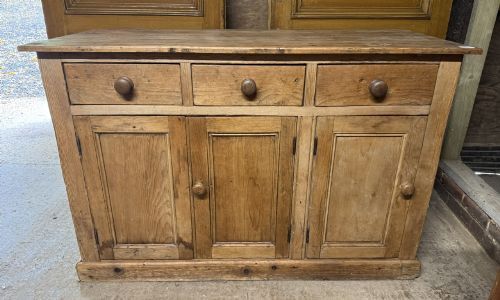
Hardware consists of functional brass drop handles, iron latches, and wooden knobs, fitted to secure heavy doors on two-part dressers and kitchen cabinets. Glazed upper sections utilise wooden glazing bars to support individual panes of glass for the display of ceramic tableware.
The inventory encompasses pine and oak pieces spanning the Georgian, Victorian, and Edwardian periods, utilising traditional brass and iron hardware.
Assessing quality and authenticity
Quality rests upon the integrity of the original timber and the retention of authentic surface finishes, such as untouched painted patinas or period wax layers. Unaltered structural elements, including original backboards and undisturbed hardware, distinguish superior examples from heavily restored alternatives.
Proportion and regional character dictate desirability, with well-balanced cornice mouldings and harmonious base-to-rack ratios showing superior craftsmanship. Pieces retaining their original configuration without excessive timber replacement hold greater authority among collectors.
The Vintage Kitchen Dresser Cabinet Glossary
- Dresser base
- The lower section of a kitchen dresser, functioning as a sideboard with drawers and cupboards without the upper plate rack.
- Plate rack
- The open shelving superstructure attached to the top of a dresser, designed for displaying plates upright.
- Patina
- The surface sheen and softening of timber or paint developed through decades of cleaning, handling, and environmental exposure.
- Vernacular furniture
- Domestic pieces built by local regional joiners using traditional methods and native materials, distinct from high-style urban cabinetmaking.
- Two-part dresser
- A cabinet constructed in separate upper and lower sections to facilitate transport and placement within domestic spaces.
Vintage Kitchen Dresser Cabinet: Frequently Asked Questions
How do I clean a waxed pine cabinet?
Maintain waxed pine surfaces by dusting with a soft, dry cloth and applying a traditional beeswax paste sparingly when the timber appears dry.
Avoid using modern silicone sprays or water, which can degrade the aged wax finish and dull the natural lustre of the wood.
Are these dressers suitable for modern kitchens?
These cabinets integrate smoothly into contemporary kitchens by providing generous storage for dinnerware, dry goods, and everyday culinary utensils.
Their substantial timber presence anchors open-plan living spaces while introducing genuine historic character and practical surface utility.
Can I paint a stripped pine cupboard?
Unfinished or stripped pine pieces accept traditional breathable paints well, allowing you to match specific interior colour schemes.
Ensure the timber is clean and properly prepared so that new paint bonds effectively with the porous surface of the old wood.