
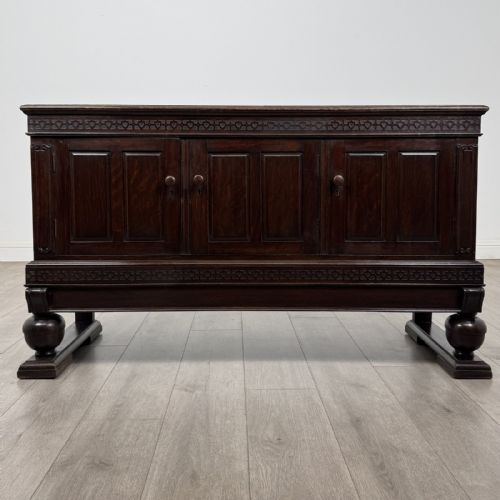
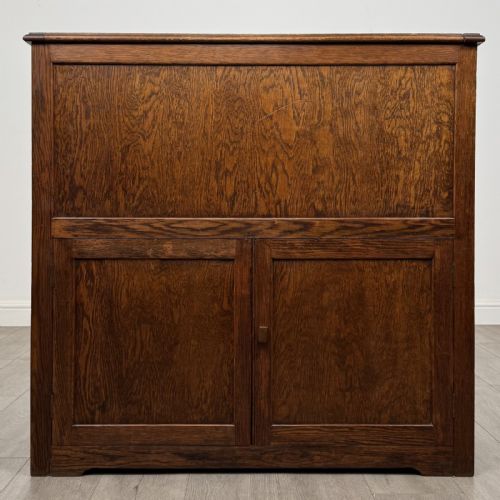
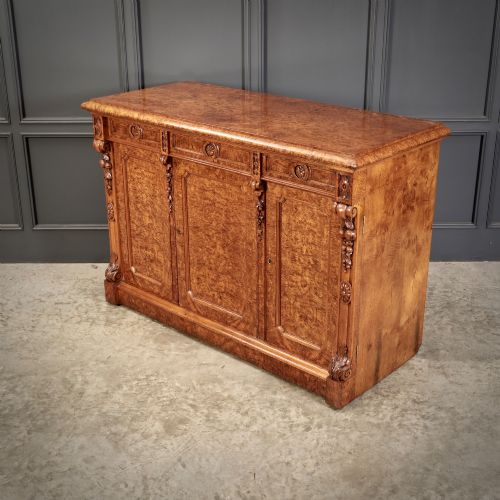
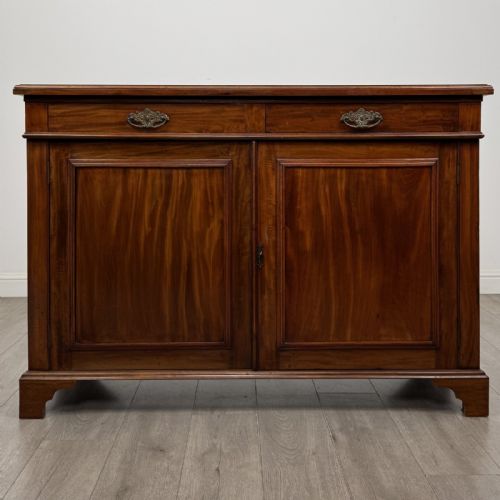
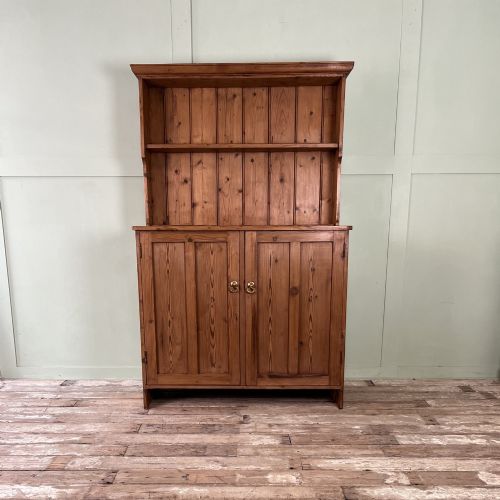
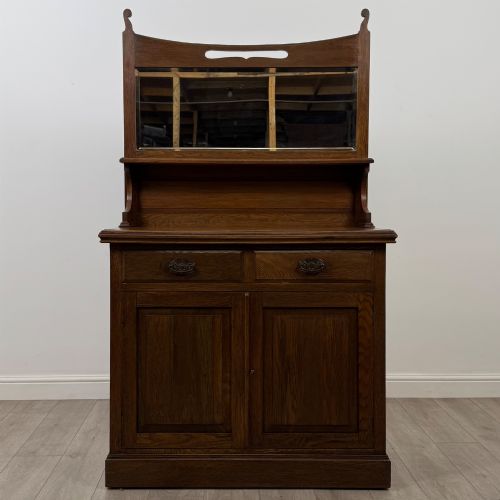
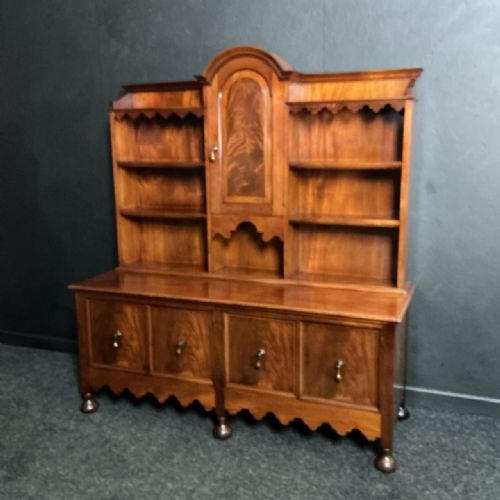
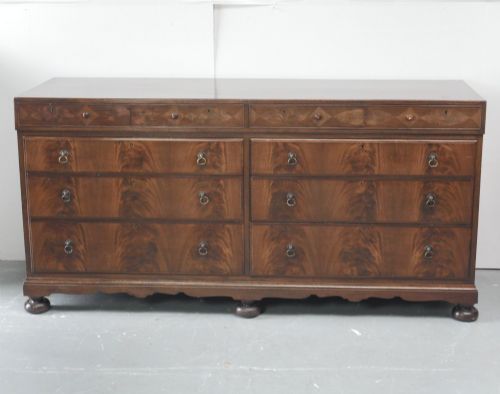
Edwardian Wooden Storage Sideboard
An edwardian wooden storage sideboard brings solid construction and generous capacity to a room, offering practical utility alongside period character.
Edwardian Wooden Storage Sideboard
An edwardian wooden storage sideboard serves as a practical dining room or hallway centerpiece, designed for organising household items while displaying decorative objects on top. Buyers exploring this category encounter sideboards alongside closely related forms like side cabinets, cupboards, and chests of drawers.
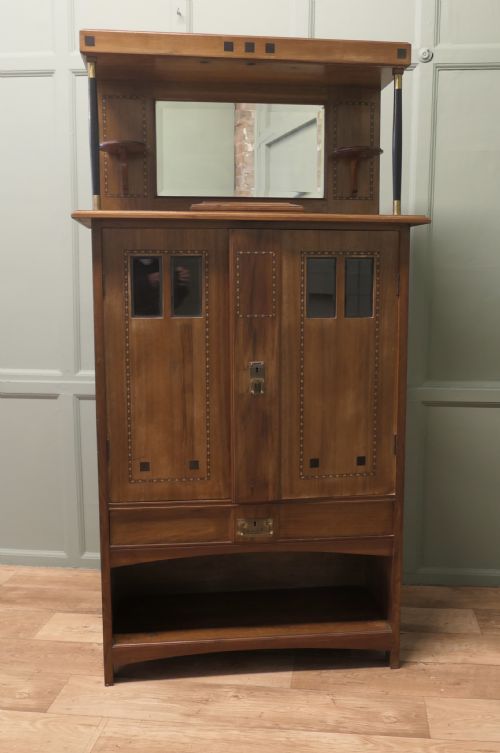
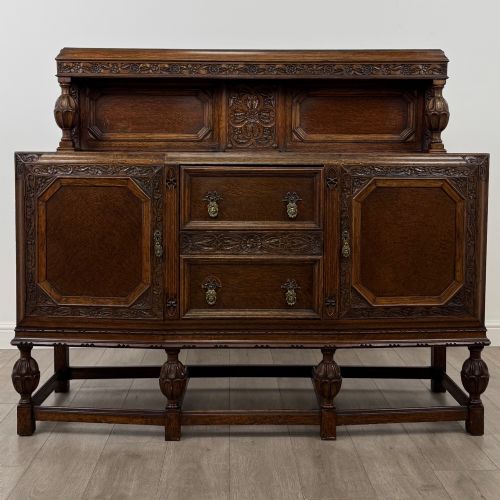
The selection ranges from traditional Edwardian and Victorian pieces to early twentieth-century interpretations, drawing on periods spanning the nineteenth and twentieth centuries. These forms reflect diverse stylistic influences including Arts and Crafts, Jacobean Revival, Sheraton Revival, and Secessionist designs.
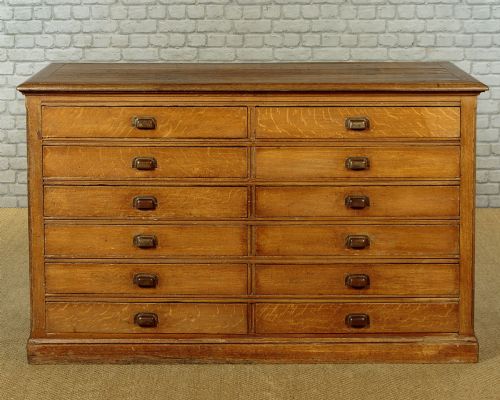
Mahogany and oak dominate the offerings, complemented by walnut, satinwood, flame mahogany, teak, pine, and yew wood. Many examples incorporate brass hardware and glass panels, combining storage functionality with distinct period timber characteristics.
Materials and construction methods
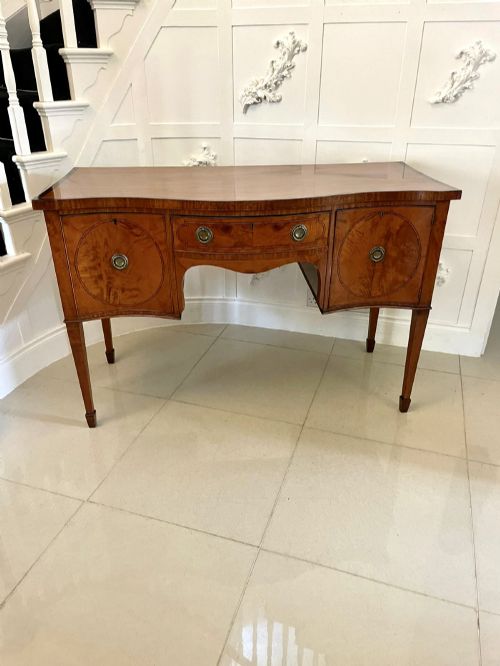
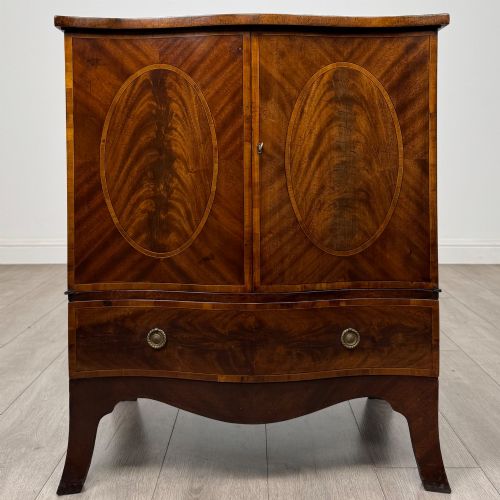
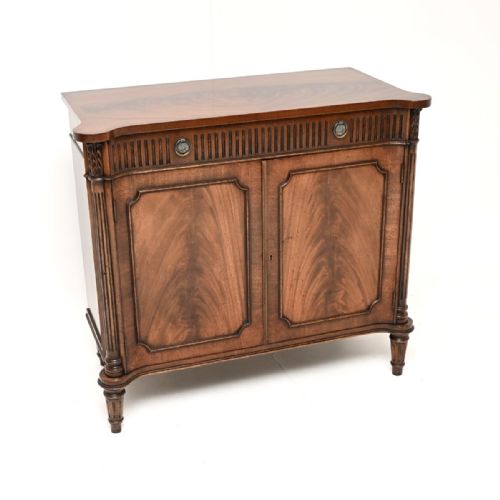
Cabinet makers utilised dense hardwoods such as mahogany, oak, and walnut, frequently selecting flame mahogany and burr walnut veneers to create striking grain patterns on drawer fronts and doors. Timber preparation involved traditional joinery techniques, ensuring stability and long-term durability across large case pieces.
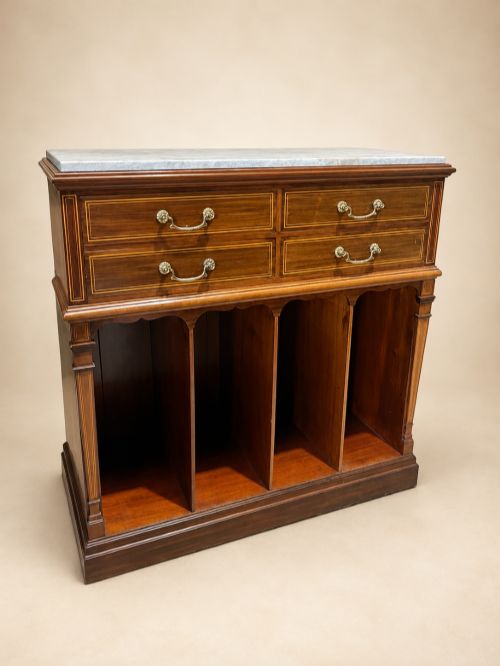
Surface ornamentation relied on natural timber figuring, delicate inlay work, and carved details rather than excessive applied decoration. Brass handles, hinges, and occasional glass panels completed the assembly, balancing structural strength with refined finishing.
Listings feature timbers including mahogany, oak, walnut, satinwood, teak, and yew wood, spanning the Victorian and Edwardian eras.
Distinctions in construction and finish
The standard of timber selection largely dictates the visual impact of each piece, distinguishing simple utility furniture from masterwork production. Cohesive grain matching across multiple drawers and doors demonstrates superior cabinet making skill.
The integration of hardware, drawer runners, and internal fittings reveals the underlying build quality. Pieces retaining original brass handles and smooth-operating drawers represent the higher tier of period production.
Whytock and Reid·Maple and Co·M. D. Miller and Sons
The Edwardian Wooden Storage Sideboard Glossary
- Flame mahogany
- A decorative mahogany veneer cut from the branch junction where the grain forms a flamed or feather-like pattern. This material creates a dramatic visual effect on cabinet doors.
- Bow front
- A convex curved front on a cabinet or chest of drawers. This shape softens the profile of large wooden storage pieces.
- Credenza
- A buffet or sideboard originating from Italy, often featuring mirrored backs or intricate inlay work. It provides formal display space alongside enclosed storage.
Edwardian Wooden Storage Sideboard: Frequently Asked Questions
What rooms suit an edwardian wooden storage sideboard?
These pieces function effectively in dining rooms for storing tableware, linens, and serving accessories. They also provide practical organisation in hallways and living spaces.
The generous top surface allows for lamps, books, or decorative displays, while internal shelving keeps everyday items concealed.
How do I care for antique wooden furniture?
Maintain timber surfaces by dusting with a soft, dry cloth and applying natural beeswax periodically to nourish the wood. Avoid placing furniture in direct sunlight or near heat sources to prevent warping.
Consistent indoor humidity levels protect both solid timbers and delicate wood veneers from cracking.
What is the difference between a sideboard and a chiffonier?
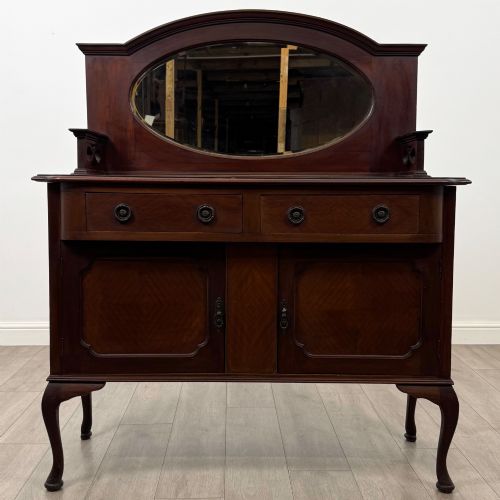
Sideboards generally offer longer, lower storage with a mix of deep drawers and large cupboards intended for dining spaces. Chiffoniers are typically smaller Victorian cabinets, often featuring a raised shelf or mirror back.
Both provide enclosed storage, but chiffoniers were designed for more compact domestic settings.
How do I identify Edwardian furniture features?
Edwardian pieces often display lighter proportions and brighter timber tones than their heavy Victorian predecessors. Design influences draw on Sheraton and Georgian revivals alongside Arts and Crafts simplicity.
Inlay work, satinwood banding, and brass hardware are common decorative elements found across this period.