
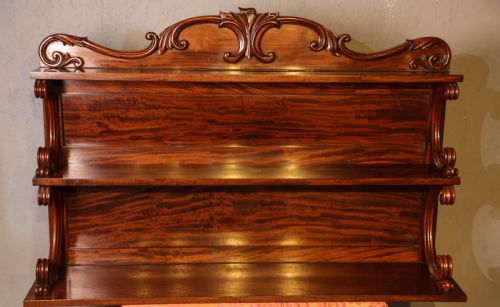


Carved Mahogany Display Rack
A carved mahogany display rack brings warmth and organised purpose to any room, offering timeless display space for books, prints and cherished small objects.
Carved Mahogany Display Rack
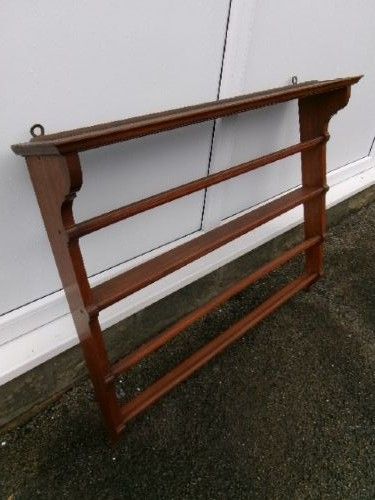
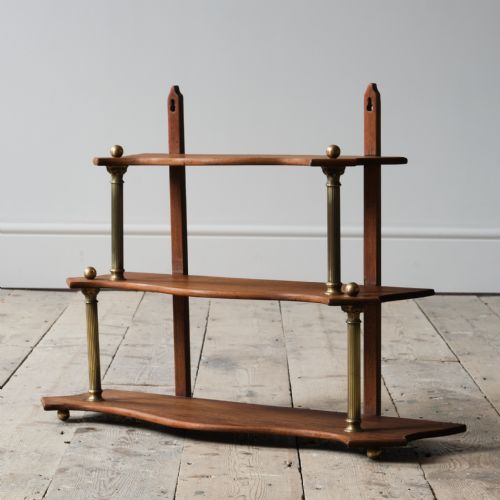
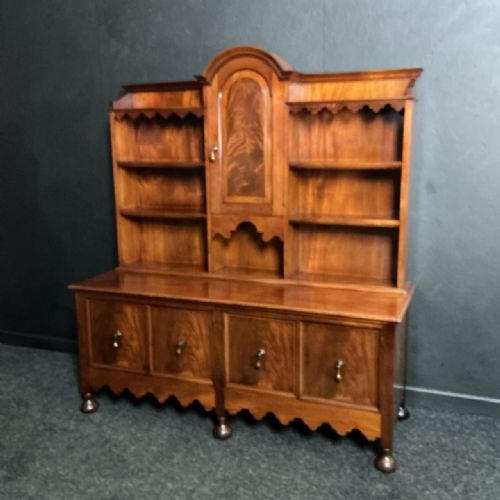
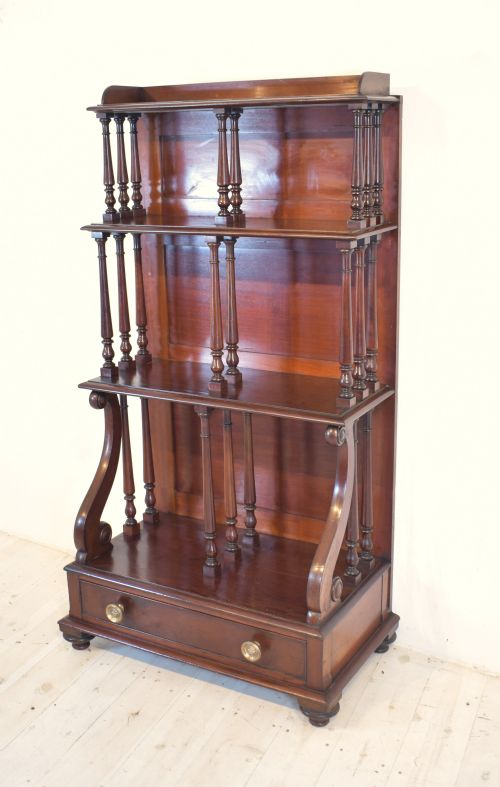
A carved mahogany display rack encompasses a variety of practical display forms, from wall-hanging shelves and whatnot units to standing folio stands and bookcases. When exploring a carved mahogany display rack on this page, you most frequently encounter nineteenth-century wall shelves and Edwardian hanging varieties designed to maximise wall space while showcasing books or decorative items.
The materials and styles span several distinct eras, notably the Victorian, Edwardian and Regency periods, alongside late Georgian examples. Alongside solid mahogany, you find variations incorporating flame mahogany veneer, satinwood, oak, pine and brass details, often reflecting specific revivals such as Gothic style or Chippendale influence.
Materials and construction
Makers utilised dense timbers like mahogany and flame mahogany, frequently pairing them with contrasting woods such as satinwood, oak and pine for internal structure or decorative inlay work. Brass fittings and hardware appear regularly to secure hinges, brackets and tiered shelf supports.
Construction techniques emphasise functional durability combined with decorative enrichment, such as fretwork detailing, multi-wood marquetry and Gothic-inspired architectural elements. Wall shelves and portable bookshelves rely on secure joinery and robust hanging points to support the weight of books and display items safely.
Assessing quality and finish
The depth of the carving and the grain figure of the mahogany set finer pieces apart from simpler utilitarian versions. Rich flame mahogany veneer and subtle satinwood inlay indicate a higher standard of cabinet-making.
Structural integrity and the retention of original brass elements strongly influence the standing of a piece. Finer examples display meticulous attention to fretwork detail and clean joinery throughout multi-tier structures.
The Carved Mahogany Display Rack Glossary
- Mahogany
- A durable tropical hardwood known for its rich reddish-brown colour and stable grain. It forms the primary structural and visual base for most pieces on this page.
- Flame mahogany veneer
- A thin slice of wood cut from the fork of the mahogany tree to create a fiery, swirling pattern. Cabinet-makers applied this to prominent surfaces for decorative impact.
- Folio stand
- A standing rack specifically designed to hold large books, prints or loose papers upright or at an angle. These typically feature adjustable supports and sturdy base frames.
- Fretwork
- Openwork ornamentation cut from thin wood, creating intricate geometric or scrolling patterns. This technique appears on the sides and galleries of better wall shelves.
- Whatnot
- A piece of furniture consisting of several open shelves tiered one above the other for displaying ornaments. Edwardian and Victorian makers produced many hanging and freestanding variations.
Carved Mahogany Display Rack: Frequently Asked Questions
What is a folio stand used for?
A folio stand holds large books, maps, prints and folios securely in an upright or sloping position. They provide easy access to large paper items while displaying them safely.
Historically, scholars, artists and collectors utilised these stands in libraries and drawing rooms. Today, they serve a similar purpose for displaying art books and large volumes in domestic interiors.
How do I hang antique wall shelves safely?
Hanging antique wall shelves requires locating solid wall studs or using heavy-duty wall anchors appropriate for your wall type. Because solid mahogany and laden books add significant weight, secure fastenings are essential.
Check that the original hanging brackets or eyes on the back of the piece remain sturdy before mounting. Distribute the weight evenly across the shelves once hung.
How do I tell Victorian from Edwardian shelves?
Victorian pieces generally exhibit heavier proportions, darker finishes and denser carved ornamentation, often drawing on Gothic or classical revival themes. They tend to feel substantial and formal.
Edwardian versions typically display lighter construction, simpler lines and brighter mahogany tones, reflecting a shift towards airier domestic spaces at the turn of the twentieth century.
What is the difference between a whatnot and a display shelf?
A whatnot specifically refers to a multi-tiered set of open shelves designed purely for ornaments and small decorative objects. They often feature delicate turned supports and fretwork galleries.
Standard wall shelves or bookcases generally serve a broader storage function, accommodating books and practical items alongside decorative pieces.