


Vintage Kerman Area Rug
A vintage kerman area rug brings enduring Persian artistry and dense wool pile into a room.
Vintage Kerman Area Rug
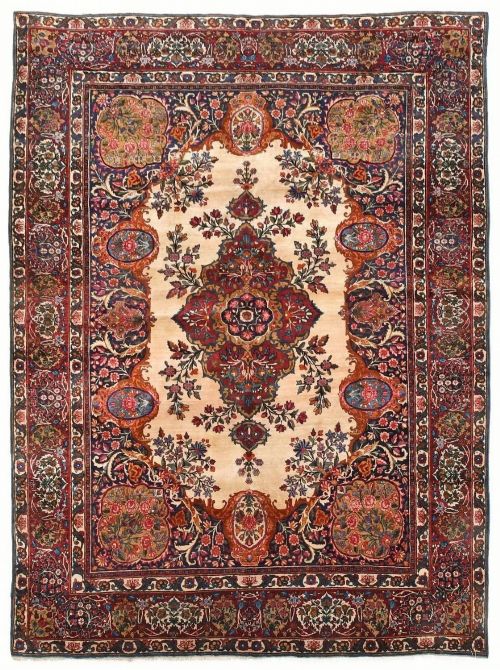
When you search for a vintage kerman area rug, you encounter hand-knotted Persian carpets originating from the Kerman province in southern Persia. These pieces span from room-sized carpets down to smaller formats, reflecting centuries of weaving traditions in the region.
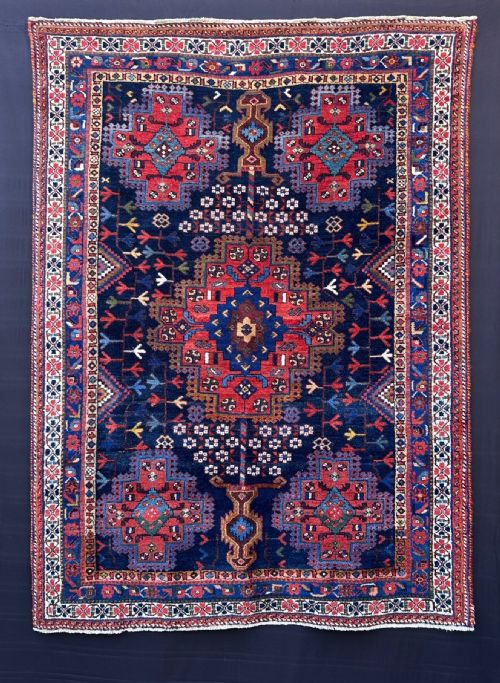
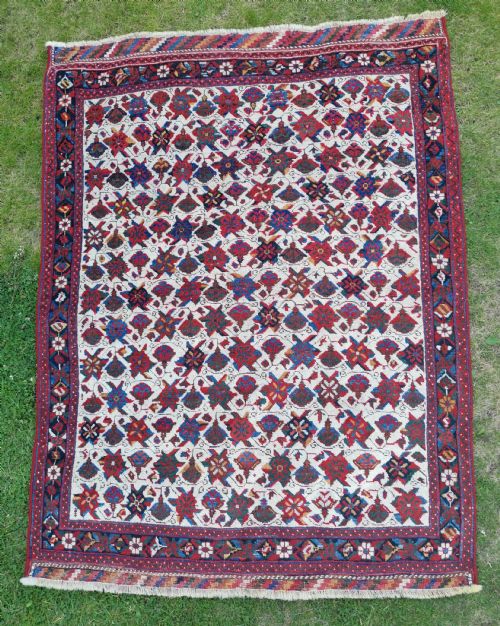
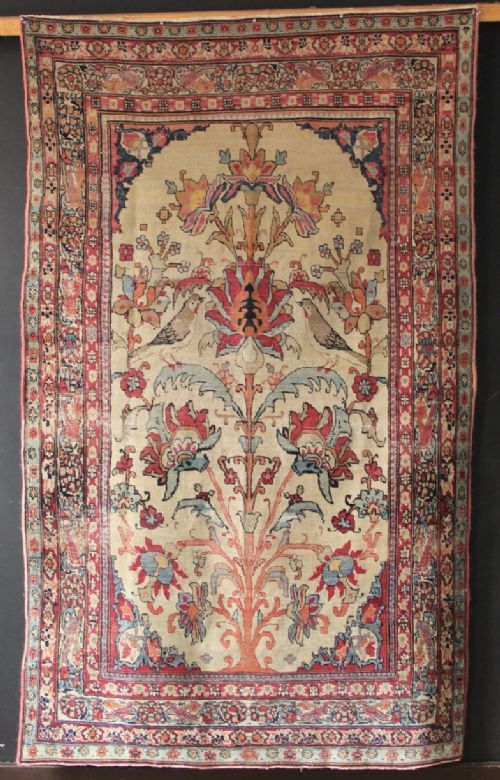
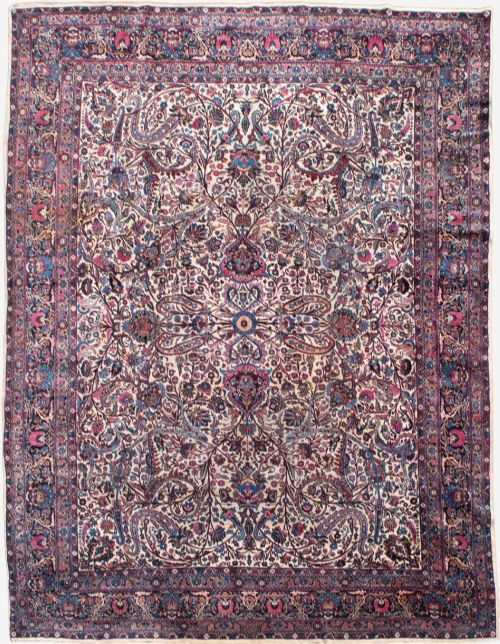
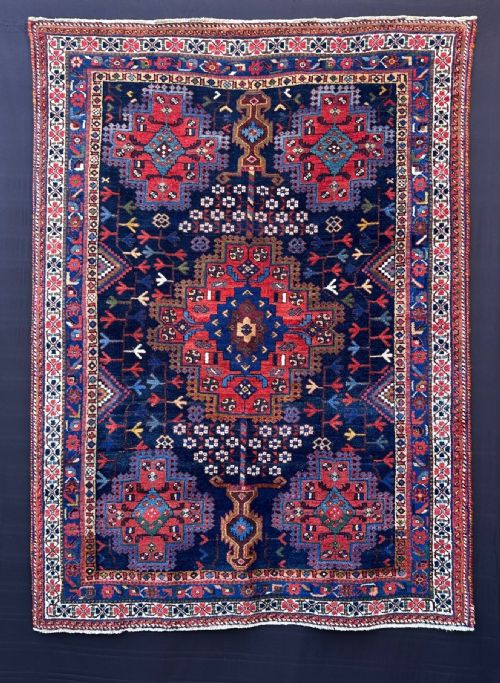
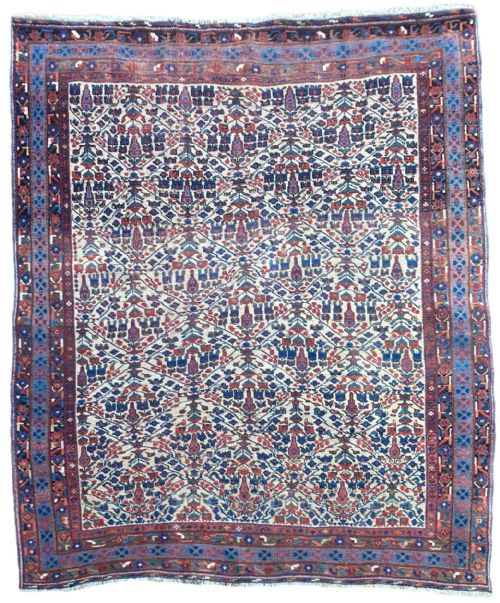
The selections you meet here include both formal Kirman carpets featuring intricate floral boteh motifs and tribal pieces woven by Afshar nomads in the surrounding Neiriz region. Dating predominantly from the late nineteenth century through to the mid-twentieth century, they offer a range of traditional Persian designs.
How they were made
Weavers constructed these rugs using wool pile knotted onto sturdy cotton foundations. This pairing provided the structural stability required for large room-sized carpets as well as finer, densely packed smaller rugs.
Makers utilised traditional hand-knotting techniques, allowing for intricate pictorial and floral patterns such as repeat boteh designs. The quality of the wool and the precision of the knotting determined the durability and drape of each finished carpet.
Among the utilitarian textiles found in the province, bread sofreh rugs preserve the practical domestic routines of Afshar nomads who dined close to the weave.
What varies in quality
The fineness of the weave sets apart the superior examples from standard production. Higher knot densities permitted crisper rendering of intricate floral details and more complex overall compositions.
The condition of the wool pile and the integrity of the cotton foundation dictate the longevity of the piece. Uniform wear and well-preserved borders distinguish carpets that retained their structural strength over decades of use.
The Vintage Kerman Area Rug Glossary
- Boteh
- A traditional Persian motif resembling a almond or pear shape filled with floral or paisley details. It appears frequently in repeat patterns across these carpets.
- Kirman Lavar
- A specific designation for finer woven rugs and carpets originating from the Kerman district. These pieces often exhibit exceptional knot density and delicate floral ornamentation.
- Afshar
- A nomadic or settled tribal group operating in the Kerman province of southern Persia. Their rugs typically feature geometric medallions and distinct regional colour palettes.
- Sofreh
- A flatwoven or piled textile used traditionally for domestic purposes such as kneading bread or sharing meals. These utilitarian pieces display bold tribal iconography.
Vintage Kerman Area Rug: Frequently Asked Questions
How do I clean a vintage kerman rug?
Professional specialist washing is essential for these delicate wool and cotton textiles. Regular gentle vacuuming without a beater bar removes surface dust safely.
Avoid harsh chemical treatments or immersion in water at home. Specialist care preserves the natural oils in the wool and protects the dyes.
Can I place a kerman rug in a hallway?
Room-sized and area formats suit reception spaces and living rooms rather than heavy-traffic corridors. The dense wool pile handles moderate walking when supported by a proper underlay.
Consider the scale of the room to ensure the border patterns remain visible. Furniture placement should complement rather than conceal the central field design.
What is the difference between Kirman and Afshar rugs?
Kirman rugs from urban workshops often feature elaborate floral sprays and curvilinear medallion designs. They range from small mats to oversized room carpets.
Afshar rugs originating from the same southern province display sharper geometric motifs and tribal symbols. Their structure reflects the nomadic heritage of the makers in the Neiriz region.
How do I date an antique persian carpet?
Structural analysis of the wool, cotton foundation, and dye palette provides primary clues to the period of origin. Stylistic shifts between late nineteenth-century workshop pieces and mid-century examples help narrow the timeframe.
Comparing knot counts and regional weaving characteristics reveals whether a piece stems from a formal workshop or tribal production.