

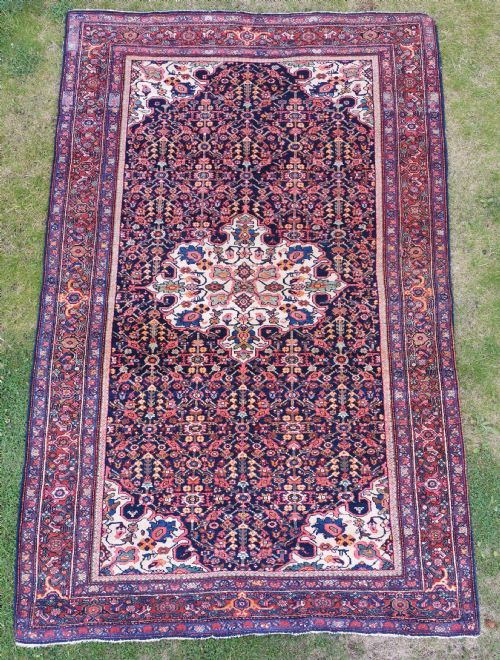
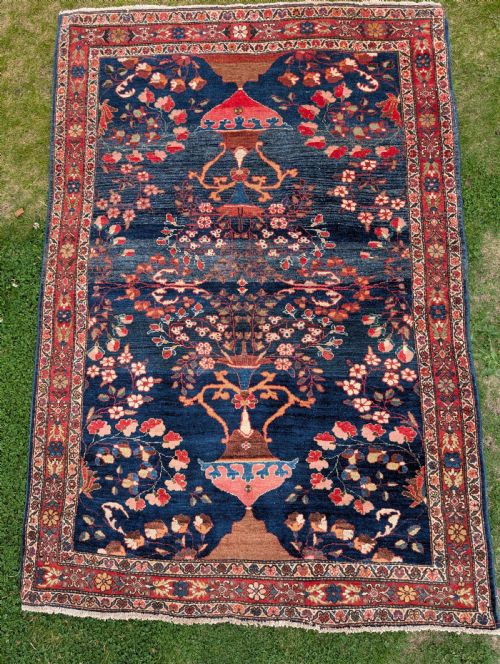
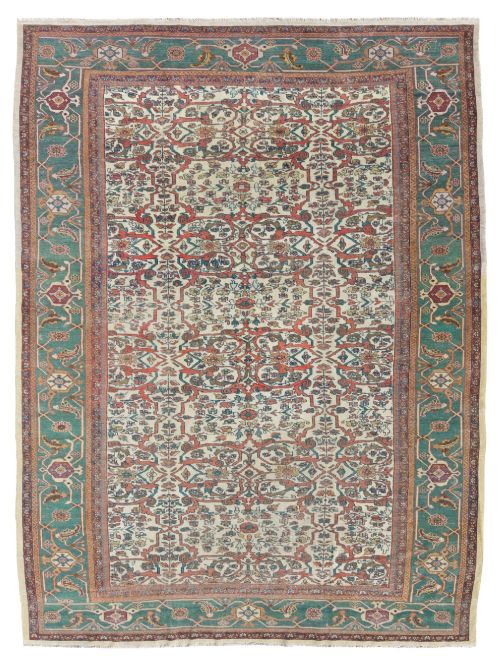
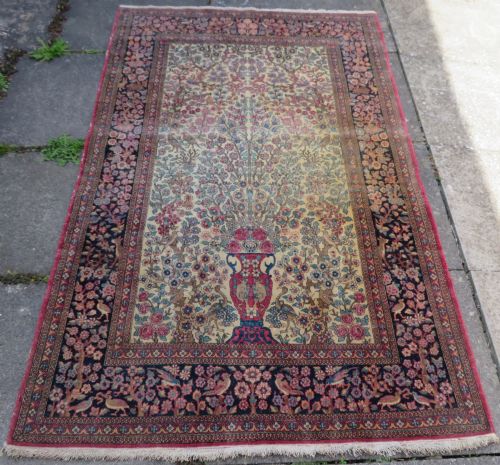
Floral Wool Area Carpet
When you search for a floral wool area carpet, you step into centuries of woven artistry that anchor a room with pattern and warmth.
Floral Wool Area Carpet
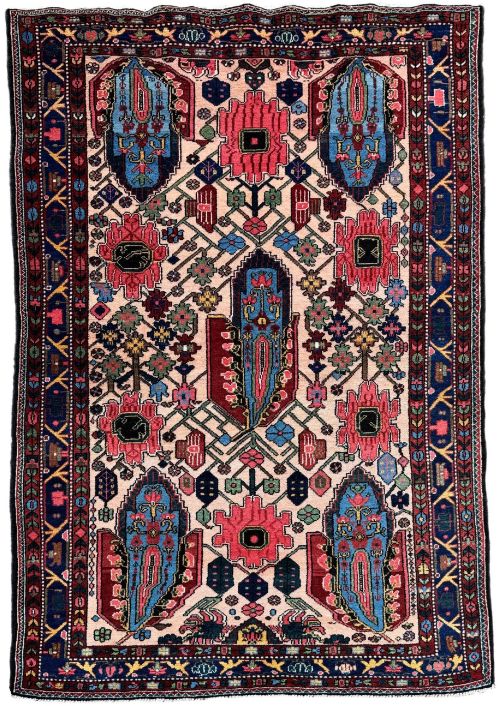
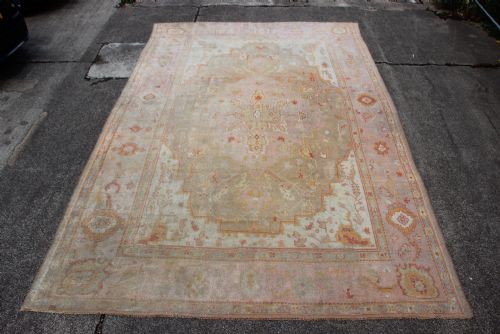
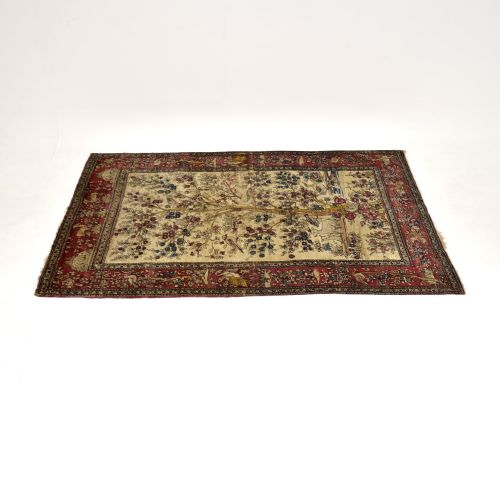
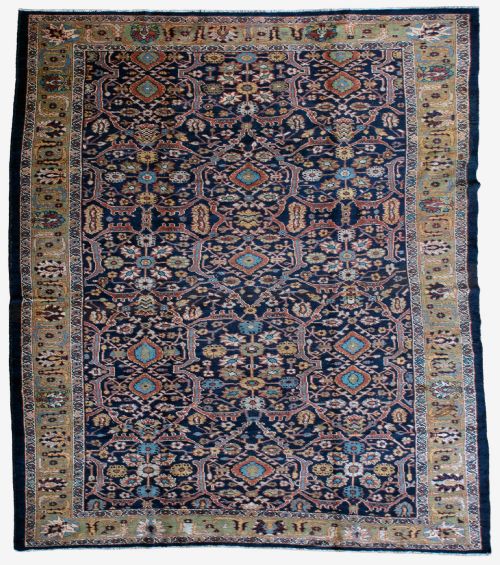
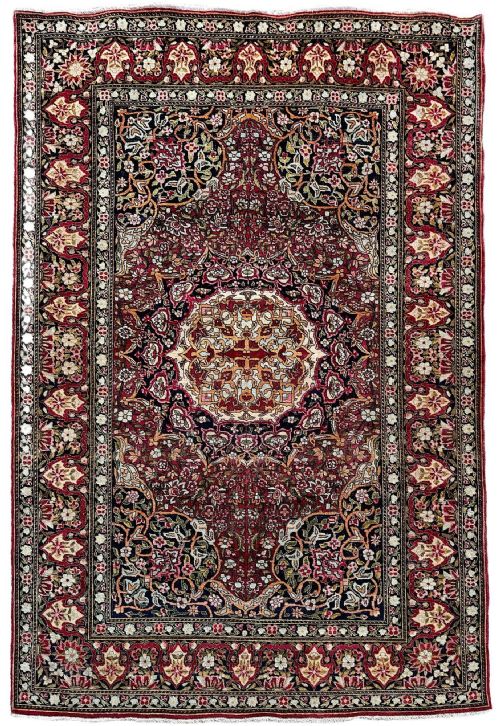
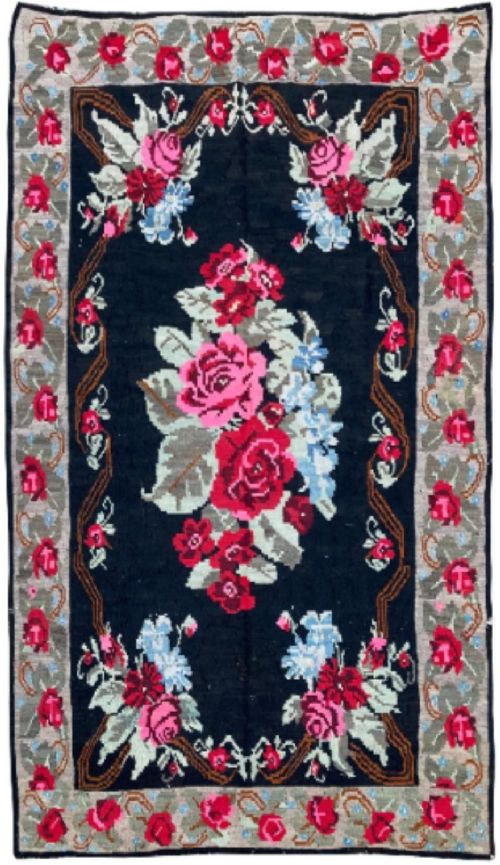
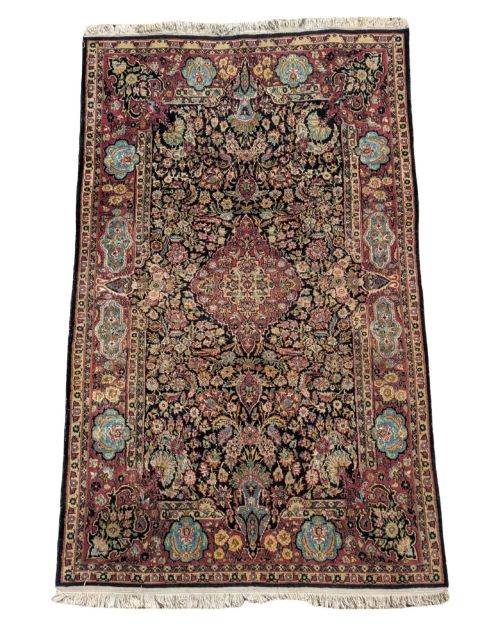
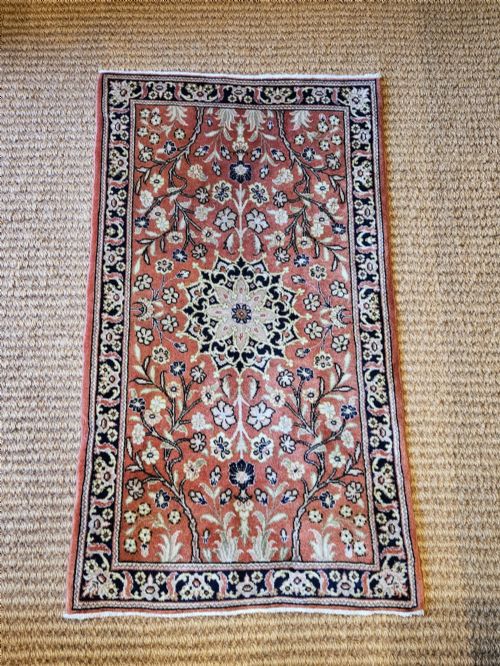
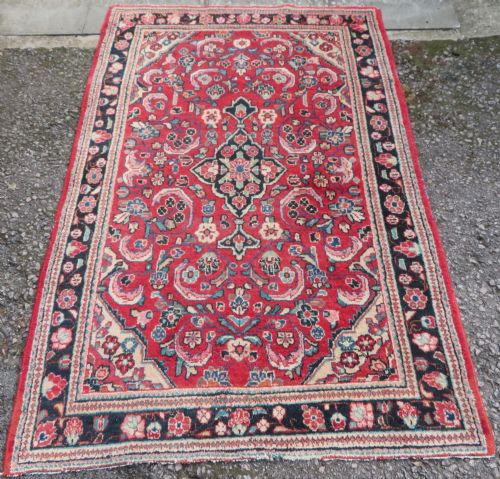
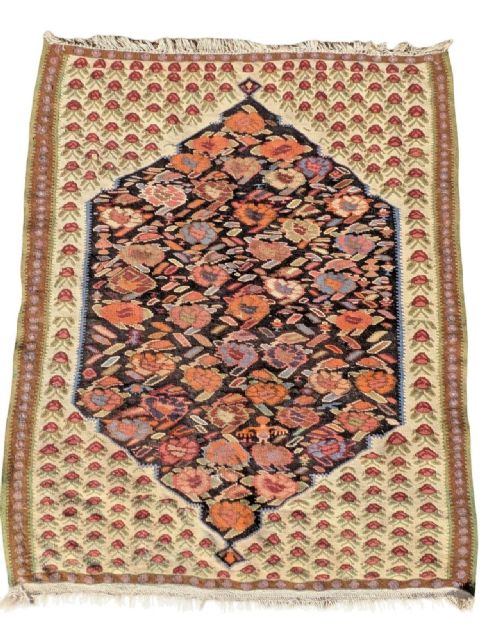
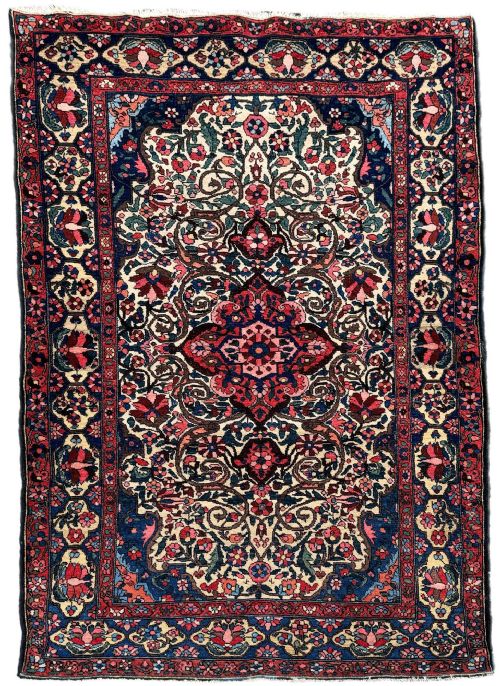
A floral wool area carpet brings botanical motifs and traditional patterns directly into domestic spaces, providing a durable floor covering built from natural fibres. These pieces span late nineteenth and early twentieth-century origins, taking the form of room-sized carpets, hearth-sized rugs, and large area carpets.
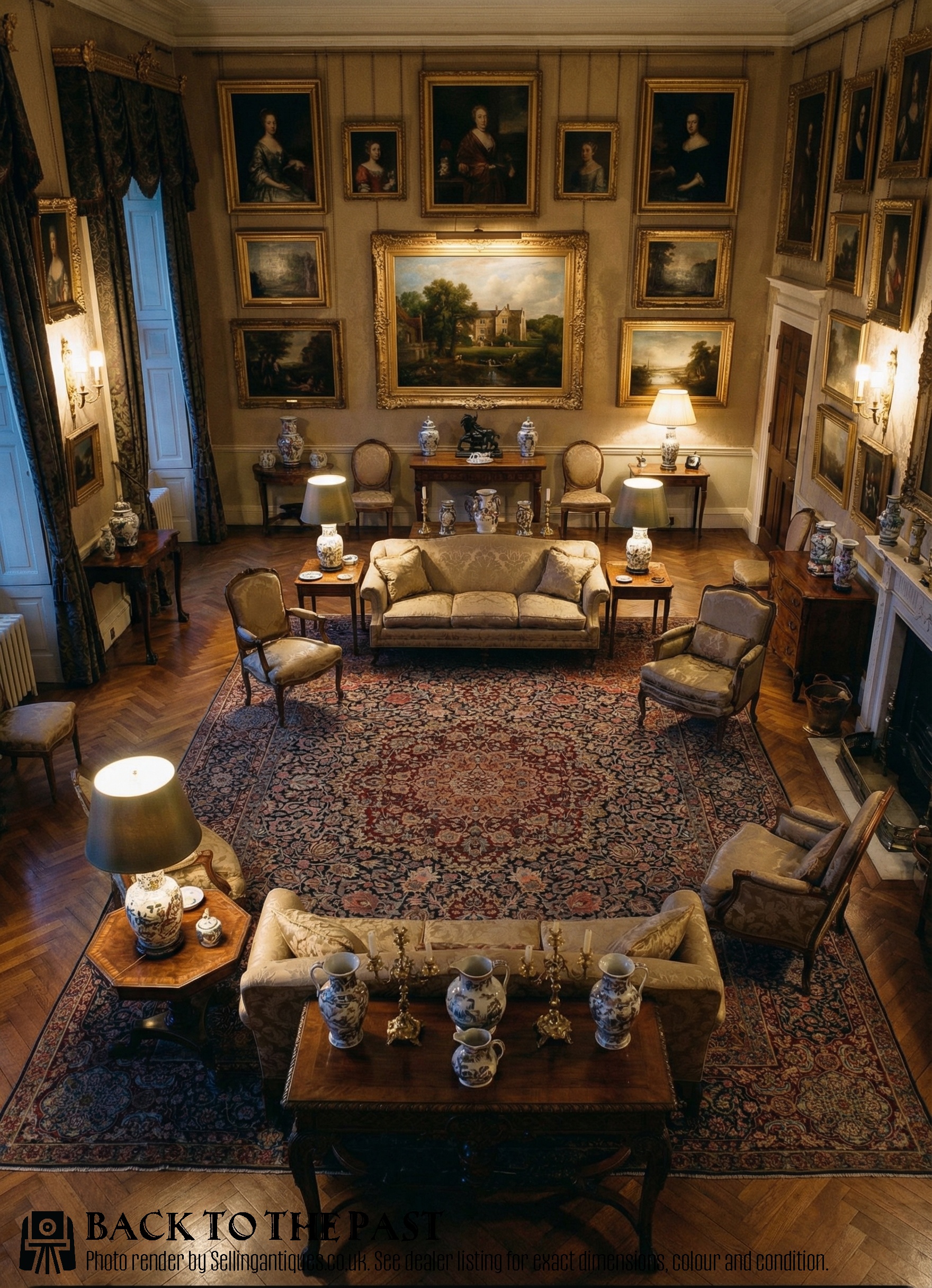
The selections you encounter most frequently on this page originate from Persian, Caucasian, Ottoman, and traditional workshops, reflecting regional weaving traditions. They incorporate varied formats ranging from compact runner-style rugs to expansive country house carpets designed to dominate large reception rooms.
Makers utilised resilient wool pile, often supplemented by cotton foundations and occasional silk highlights, producing heavy floor textiles that withstand daily foot traffic. Each piece displays distinct local design idioms, from geometric lattice arrangements to sweeping curvilinear floral medallions.
How they were made
Weavers constructed these textiles predominantly with a thick wool pile knotted onto sturdy cotton warps and wefts, ensuring structural longevity. Certain examples introduce fine silk highlights to accentuate specific botanical details within the woven field.
Traditional workshops relied on hand-spun natural yarns dyed with botanical and mineral colourants, creating rich, saturated hues that mellow gracefully over decades of light exposure.
Some weavers tucked stray animal hairs directly into the wool pile, leaving a tiny, permanent signature of the farmyard.
What varies in quality
Knot density and the precision of the botanical drawing dictate the structural refinement of each floor covering, separating robust utility weaves from finer workshop productions. Tighter knots allow intricate curvilinear floral motifs to maintain crisp outlines.
The depth and complexity of the dye palette contribute significantly to overall character, as variations in natural pigment preparation create subtle tonal shifts across the wool surface.
The Floral Wool Area Carpet Glossary
- Pile
- The upright yarn loops that form the functional surface of the carpet. This dense layer of wool absorbs foot traffic and displays the woven pattern.
- Warp
- The vertical foundation threads stretched tightly on the loom before knotting begins. Cotton typically forms this rigid structural skeleton.
- Weft
- The horizontal threads passed across the warp strands between rows of knots to bind the structure together. It secures the wool pile firmly in place.
- Medallion
- A large central ornamental design motif placed in the middle of the carpet field. It often mirrors the corner spandrels in its floral composition.
- Kilim
- A flat-woven carpet produced without a raised pile surface. These lightweight textiles employ interlocking weft techniques to create geometric patterns.
Floral Wool Area Carpet: Frequently Asked Questions
How do I clean a wool carpet?
Regular gentle vacuuming without a rotating brush roll removes surface dust from the wool pile safely.
Professional specialist cleaning remains necessary for deeper maintenance to protect natural dyes and fibres.
Where should I place an area carpet?
These floor coverings suit principal reception spaces, dining rooms, and studies where foot traffic is moderate.
Using an appropriate underlay prevents slipping and protects the cotton foundation from premature abrasion.
How can I identify the regional origin?
Examination of the specific floral motifs, border arrangements, and knotting structure reveals distinct regional characteristics.
Palmette arrays often indicate Persian workshops, while geometric lattice structures frequently point towards Caucasian traditions.
Why do colours vary across the surface?
Hand-spun natural wool absorbs dye in subtle variations, creating gentle tonal shifts known as abrash.
Exposure to natural light over decades mellows the primary pigments, adding depth to the botanical design.