







Vintage Jewellery Storage
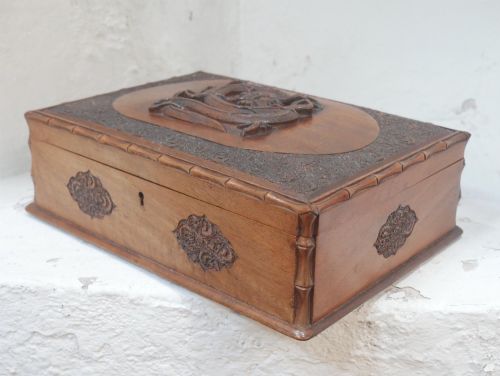
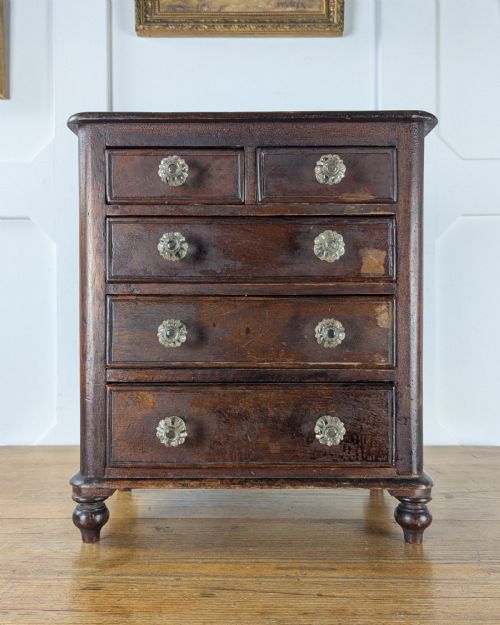
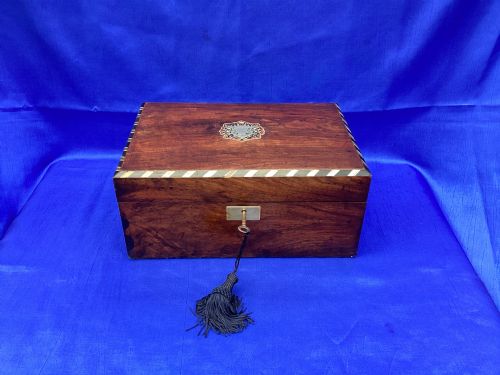
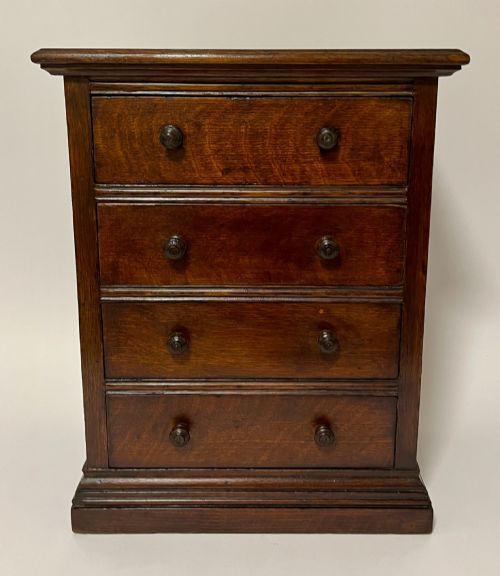
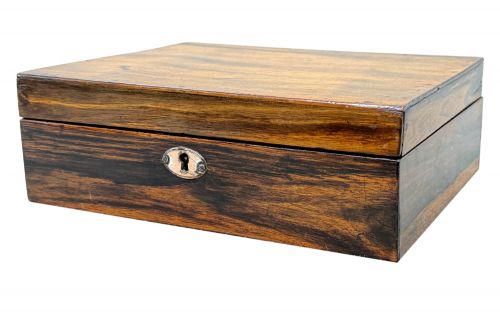
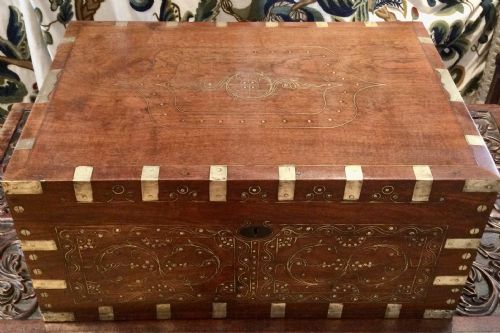
Vintage jewellery storage takes the form of tactile nineteenth-century rosewood work boxes, diminutive mahogany apprentice chests, and inlaid Victorian caskets designed to secure precious personal items.
Vintage Jewellery Storage
Vintage jewellery storage primarily encompasses tabletop chests, decorative boxes, caskets, and miniature furniture spanning the nineteenth century into the mid-twentieth century. Buyers searching this phrase most frequently encounter mahogany, rosewood, and walnut boxes alongside small wooden drawers originally built for domestic keepsakes.
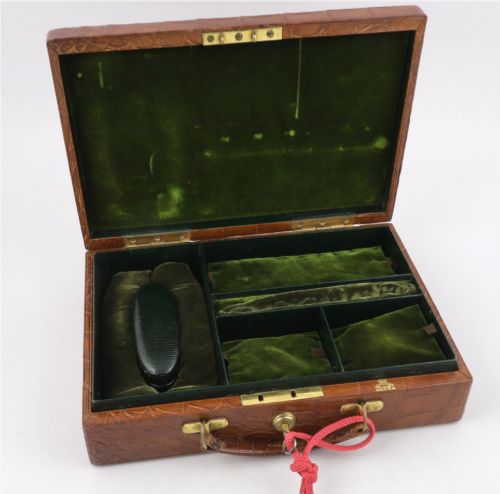
The selection ranges from Regency parquetry games boxes and Victorian work boxes inlaid with mother of pearl to Edwardian leather cases and Anglo-Indian solid ebony trinket containers. Pieces often reflect specific period uses, from gentleman's watch cases to ladies' tabletop compartments lined for delicate accessories.
Origin and regional craftsmanship shape the variety available, including French faux book caskets, Chinese hardwood designs, and tramp art wooden boxes. These items survive in forms as diverse as dome-topped Black Forest style containers and multi-drawer miniature apprentice chests.
Materials and Construction
Cabinetmakers utilised dense hardwoods such as mahogany, rosewood, walnut, and coromandel as structural foundations, often finished with burr veneers or parquetry patterns. Surface decoration frequently incorporated mother of pearl inlay, specimen bone veneers, brass hardware, and intricate leather tooling.
Specialised techniques defined regional production, from Tunbridge Ware mosaic assembly and British campaign brass binding to Indian sandalwood carving and silver plating. Interiors relied on precision joinery to create fitted compartments, milk glass linings, and secure lockable lids.
Vintage Jewellery Storage Retail Price Guide 2026
Typical asking prices for vintage jewellery storage among the pieces listed under this phrase on Sellingantiques today, from the lower quarter to the upper quarter. They describe what is for sale here now, not the wider market.
Listings feature eighteenth and nineteenth-century woods including mahogany, rosewood, walnut, coromandel, and burr birch.
Markers of Distinction
Quality rests upon the integrity of the timber selection, the precision of the marquetry or parquetry inlay, and the retention of original fitted interior elements. Superior examples display seamless mitre joints, balanced grain patterns in burr woods, and intact decorative veneers without shrinkage splits.
Hardware execution and structural hardware integration further distinguish finer items, noting the weight of brass hinges, the exact fit of lock mechanisms, and the crispness of carved details in ivory, bone, or exotic hardwoods.
The Vintage Jewellery Storage Glossary
- Work Box
- A portable container fitted with compartments for sewing implements, threads, and small valuables. These boxes often feature lift-out trays and silk-lined lids.
- Tunbridge Ware
- Woodworking characterised by mosaic surface decoration made from thousands of tiny tinted wood blocks. This technique creates geometric patterns and pictorial scenes.
- Parquetry
- A geometric mosaic of wood veneers laid down in regular patterns on a structural carcass. It differs from marquetry by strictly using angular, geometric shapes.
- Casket
- A small decorative box or chest with a hinged lid, traditionally utilised for reliquaries or luxury valuables. They often feature domed tops and secure metal locks.
Vintage Jewellery Storage: Frequently Asked Questions
What fits inside these antique boxes?
These boxes accommodate rings, necklaces, cufflinks, and small keepsakes within their original fitted compartments and lift-out trays.
Many retain velvet or silk linings designed specifically to protect delicate personal accessories from surface scratches.
How do I date a Victorian box?
Dating relies on timber choices, such as pollard oak or coromandel, combined with structural fasteners like hand-cut brass screws.
Maker's marks, key escutcheon styles, and lining materials offer additional chronological markers pointing to specific decades.
Were miniature chests actually used?
Miniature chests served primarily as tabletop storage for jewellery, documents, or medical instruments rather than doll furniture.
Apprentice pieces specifically demonstrated advanced woodworking skills to master craftsmen before independent trade admission.
How do I care for antique wood?
Keep wooden boxes away from direct sunlight and sudden radiator heat to prevent timber shrinkage and veneer lifting.
Apply a microcrystalline wax occasionally to nourish antique polish and maintain the natural lustre of rosewood or mahogany.