








Vintage Japanese Accent Table
These vintage japanese accent table examples combine practical small-scale surfaces with distinct historical ornament, offering rich character for modern interiors.
Vintage Japanese Accent Table
When you search for a vintage japanese accent table, you encounter a varied selection of occasional furniture, side tables, nests of tables, and related lighting pieces. These items span periods from the nineteenth century through the early twentieth century, incorporating Victorian interpretations alongside genuine imports.
How they were made
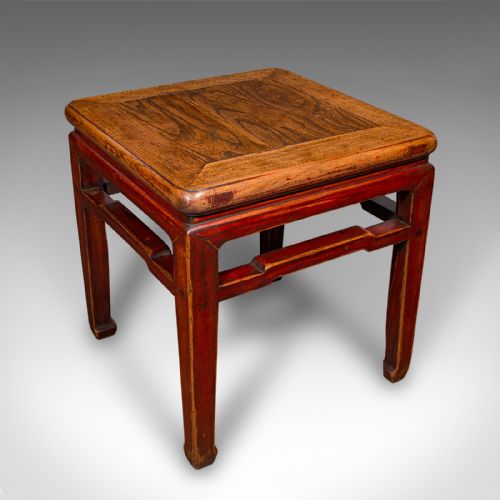
Maker construction relies heavily on hardwoods, mahogany, and elm, shaping sturdy frames for side and occasional tables. Artisans applied rich red lacquer and incorporated carved details to establish traditional surface textures.
Metal and ceramic elements integrate directly into the designs, using brass and bronze mounts alongside earthenware and enamel details. Fabric components and specialised drop leaf mechanisms further expand the structural vocabulary seen across these items.
Vintage Japanese Accent Table Retail Price Guide 2026
Typical asking prices for vintage japanese accent table among the pieces listed under this phrase on Sellingantiques today, from the lower quarter to the upper quarter. They describe what is for sale here now, not the wider market.
Current listings feature materials such as hardwood, brass, enamel, lacquer, wood, earthenware, and bronze across nineteenth and twentieth-century pieces.
What varies in quality
Distinction across the range rests on the precision of the carving and the depth of the lacquer finish. Superior examples display crisp detail in folding mechanisms and harmonious integration of metal or ceramic components.
Material selection dictates the overall tactile appeal, with dense hardwoods and carefully preserved enamel work separating standard items from finer works of the period.
The Vintage Japanese Accent Table Glossary
- Meiji Period
- The era in Japanese history spanning from 1868 to 1912, known for significant cultural output and international export of decorative arts. Pieces from this time often feature distinct craftsmanship and traditional motifs.
- Chabudai
- A traditional short table used in Japan for partaking in meals or tea while kneeling on tatami mats. These low tables form a key category within antique Japanese furniture.
- Chinoiserie
- A European stylistic movement reflecting Chinese and broader East Asian artistic influences. This style appears frequently in decorative lacquer furniture and ornamental accessories.
- Japonisme
- The influence of Japanese art and design on Western aesthetics, prominent during the late nineteenth century. It heavily shaped the visual language of the Aesthetic Movement.
- Champlevé
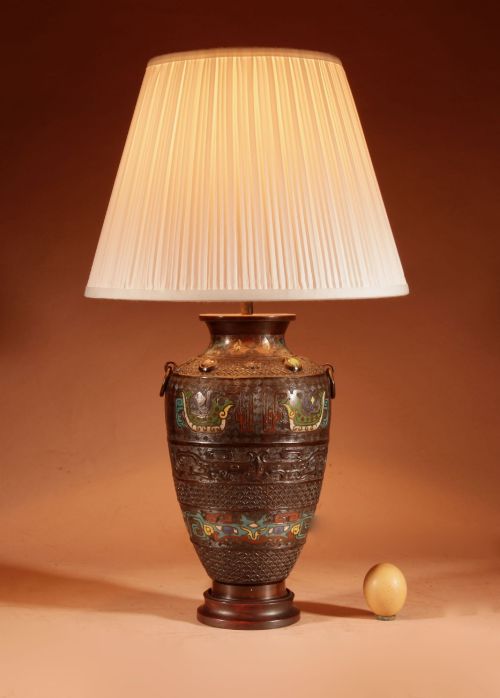
- An enamelling technique where troughs are carved into a metal surface and filled with vitreous enamel before firing. This method appears on decorative bronze lighting pieces.
Vintage Japanese Accent Table: Frequently Asked Questions
What is a chabudai table?
A chabudai is a traditional low table from Japan designed for kneeling while drinking tea or eating. These pieces reflect specific domestic customs of the Meiji period and Victorian era.
Today, they function well as low coffee tables or decorative display platforms in contemporary living spaces.
How do I identify Meiji period items?
Meiji period pieces typically date between 1868 and 1912, often featuring traditional Japanese motifs or export craftsmanship. Look closely at the materials, such as elm wood or Satsuma earthenware.
Examining the construction methods and joinery also helps distinguish these historical imports from later reproductions.
Where did nesting tables originate?
Nesting tables consist of sets of graduated tables that slide neatly beneath one another when not in use. They became popular in British and European interiors during the nineteenth century under Asian design influences.
These pieces offer flexible surface space for entertaining while occupying a minimal footprint in smaller rooms.
What distinguishes Aesthetic Movement furniture?
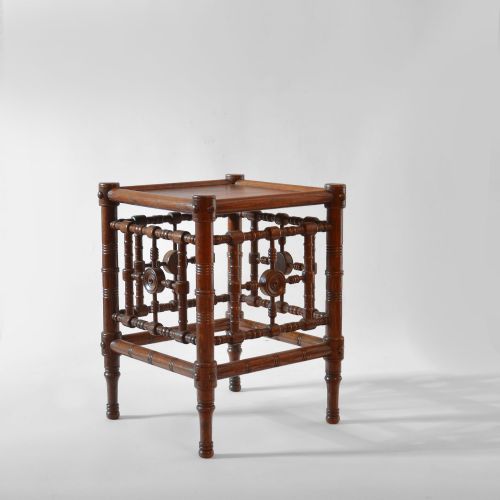
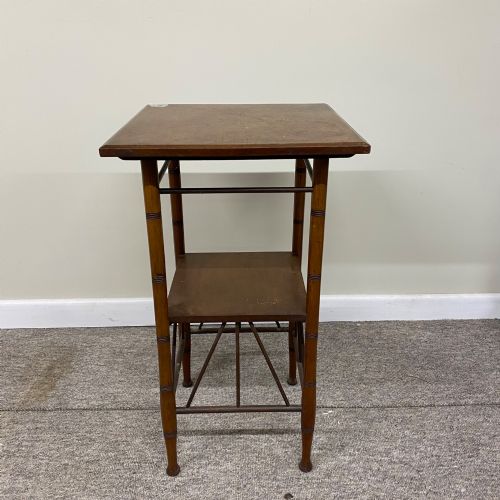
Aesthetic Movement pieces draw inspiration from Japanese design principles, prioritising simplicity, ebony finishes, and bamboo-turned elements. Designers like E W Godwin popularised these clean, structural lines.
They integrate smoothly into modern interiors due to their understated elegance and restrained ornamentation.