
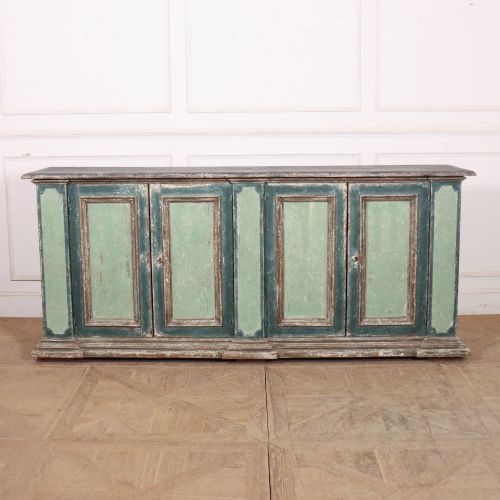
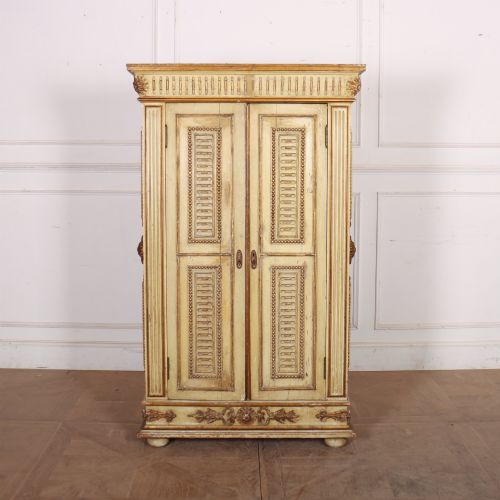
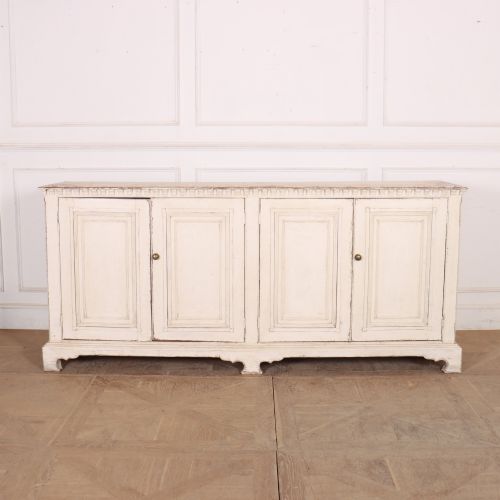
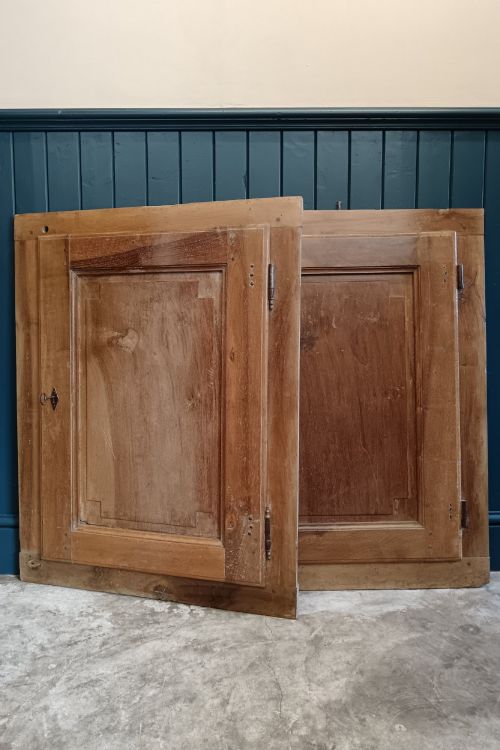


Vintage Italian Cabinet
A vintage italian cabinet brings continental presence into a room, offering functional storage shaped by centuries of regional design.
Vintage Italian Cabinet
When buyers search for a vintage italian cabinet, they encounter a diverse selection ranging from bedside tables and commodes to larger sideboards, enfilades, and wardrobes. Pieces span multiple centuries, appearing in forms such as the 18th century walnut commode, the 1920s burr walnut bedside cupboard, and the 1930s art deco sideboard.
The material palette is anchored in walnut and painted wood, often complemented by marble tops, glass, brass, and giltwood. Stylistic influences run from italian rococo and baroque to neocalassical and art deco, reflecting both grand palazzos and provincial workshops.
Buyers are most likely to meet case pieces like bedside tables, sideboards, and cupboards dating from the nineteenth and early twentieth centuries. These functional storage items bring distinct regional character, whether through painted polychrome finishes or figured wood veneers.
Materials and construction methods
Makers utilised solid woods and decorative veneers, with walnut appearing prominently across centuries alongside kingwood and painted timber. Surfaces frequently showcase gesso, paint, and intricate marquetry inlay work.
Structural elements integrate marble tops, brass hardware, and iron details, supporting the weight of heavy case pieces like sideboards and bureau cabinets. Carved details and giltwood accents define decorative surfaces on specific rococo and baroque forms.
Listings feature walnut as the primary wood, alongside painted wood, glass, brass, marble, and gesso across various historical periods.
Distinguishing quality across the range
The upper tier of pieces is distinguished by choice materials such as burr walnut, finely executed marquetry inlay, and integrated marble tops. Subtleties in carving depth and the preservation of original polychrome paint or gilding separate exceptional examples from standard production.
Construction integrity in joints, drawer linings, and the crispness of applied gesso or carved mouldings indicate the level of workshop skill involved. The handling of proportions and the balance between decorative surface treatment and structural form determine the standing of each piece.
Calderoni Gioielli
The Vintage Italian Cabinet Glossary
- Enfilade
- A long sideboard or cabinet designed for formal dining rooms, usually featuring a series of cabinet doors across the front. These pieces provide substantial storage capacity.
- Bombe
- A swelling, rounded contour found on the front and sides of commodes and chests of drawers, particularly characteristic of 18th century pieces.
- Giltwood
- Timber that has been coated with gold leaf or a gold-coloured finish. This technique highlights carved details on baroque and rococo frames.
- Marquetry
- Decorative veneer work arranged in pictorial or geometric patterns using various woods. It appears frequently on the surfaces of bureau cabinets and commodes.
- Gesso
- A plaster-like mixture applied to wood surfaces to prepare them for painting or gilding. It allows for crisp, built-up relief ornamentation.
Vintage Italian Cabinet: Frequently Asked Questions
What styles define a vintage italian cabinet?
The selection encompasses several distinct stylistic movements, including italian rococo, baroque, neoclassical, and art deco. Regional variations like venetian rococo and florentine designs also appear frequently.
These styles manifest in carved walnut, painted finishes, and curved bombe forms that reflect the aesthetic priorities of their respective periods.
Where were these cabinets used in a home?
Cabinets served multiple domestic functions, from bedside nightstands and commodes in bedrooms to sideboards and enfilades in dining spaces. Bureau bookcases and tall cupboards provided storage for books and household goods in living areas.
Smaller side tables and bedside cabinets offered accessible surface space and concealed storage next to sleeping quarters.
How do I identify the period of a piece?
Dating relies on observing construction characteristics, materials, and stylistic markers associated with specific eras. Eighteenth-century pieces often feature solid walnut, hand-cut dovetails, and bombe contours, while later items might incorporate art deco geometric lines or 1920s burr walnut veneers.
Surface treatments such as original polychrome paint or gesso also offer strong chronological clues.
Are marble tops common on these cabinets?
Marble tops appear regularly on bedside tables, nightstands, and certain sideboards within the selection. These stone surfaces were chosen for their durability and decorative contrast against walnut or painted wood bases.
They provide a resilient top surface suited to daily use in bedrooms and living rooms.