
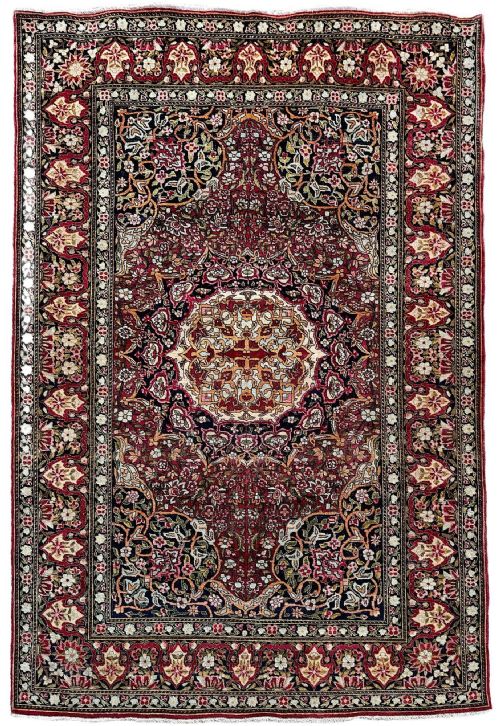
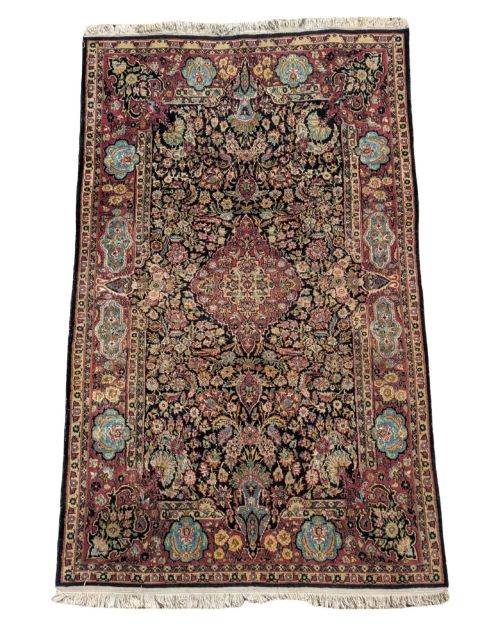
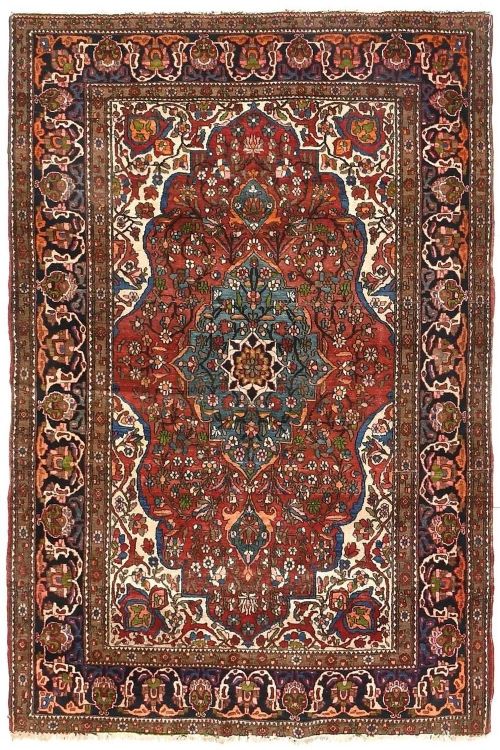


Vintage Isfahan Medallion Rug
A vintage isfahan medallion rug brings central Persian design into a room, offering intricate patterns and rich wool, cotton, and silk construction.
Vintage Isfahan Medallion Rug
A vintage isfahan medallion rug represents traditional Persian weaving originating from Central Persia. These pieces typically display classic small medallion designs developed through centuries of regional artistry.
Buyers will most frequently encounter antique rugs and carpets dated from the late nineteenth century through the early decades of the twentieth century. Examples span from eighteen ninety to nineteen thirty, including items from nineteen ten and nineteen twenty.
The inventory on this page consists of area rugs and larger carpets. These textiles function as floor coverings that ground a room with historical Persian style.
How They Were Made
Weavers constructed these carpets using natural materials including wool, cotton, and silk. Wool provides the durable pile, while cotton often forms the structural foundation of the rug.
Selected pieces incorporate silk highlights to accentuate the intricate details of the central medallion design. This combination of materials creates texture and visual depth across the surface.
Listings span five distinct periods from eighteen ninety to nineteen thirty, featuring traditional Persian styles and Central Persian origins.
What Varies in Quality
The refinement of the central medallion design and the precision of the knotting distinguish individual rugs. Tighter construction allows for sharper botanical and geometric details throughout the field.
The inclusion of silk highlights elevates certain carpets by adding subtle lustre to specific areas of the pattern. Overall preservation of the pile and the depth of the palette also contribute to the distinction between pieces.
The Vintage Isfahan Medallion Rug Glossary
- Medallion
- A central ornamental motif positioned in the middle of the rug field. This design element serves as the primary focal point of the composition.
- Pile
- The upright yarn that forms the usable surface of the rug. It is created from wool, cotton, or silk fibres secured to the foundation.
- Foundation
- The underlying structure of warp and weft threads that supports the pile. Cotton is frequently utilised for this supportive grid.
- Highlight
- Specific areas woven in a different material, such as silk, to draw the eye. These sections create contrast against the standard wool pile.
Vintage Isfahan Medallion Rug: Frequently Asked Questions
How do I clean a vintage isfahan medallion rug?
Professional specialist cleaning is essential for these delicate wool, cotton, and silk textiles. Standard household cleaning methods can damage the fibres and alter the historic dyes.
Vacuuming with care helps remove surface dust without pulling the pile. Regular rotation ensures even wear across high-traffic areas in a room.
Where should I place an antique carpet?
These rugs suit living rooms, studies, or bedrooms where foot traffic remains moderate. Placing them away from direct sunlight protects the natural dyes from fading over time.
A quality underlay prevents slipping and cushions the foundation against hard flooring. This simple addition extends the lifespan of nineteenth and early twentieth century carpets.
How do I date an old Persian rug?
Examining the materials, weave density, and stylistic traits helps place a rug within periods like nineteen hundred or nineteen ten. Structural analysis of the foundation threads provides further clues regarding age and origin.
Central Persian workshops employed distinct traditional motifs that evolved across decades. Comparing knot structure and palette with documented examples clarifies the production era.
What is the difference between a rug and a carpet?
Carpets generally refer to larger floor coverings designed to span significant portions of a room. Rugs often describe smaller formats that occupy specific zones within a space.
Both terms appear across listings for Persian Isfahan pieces from eighteen ninety to nineteen thirty. The physical distinction lies primarily in the overall dimensions of the textile.