


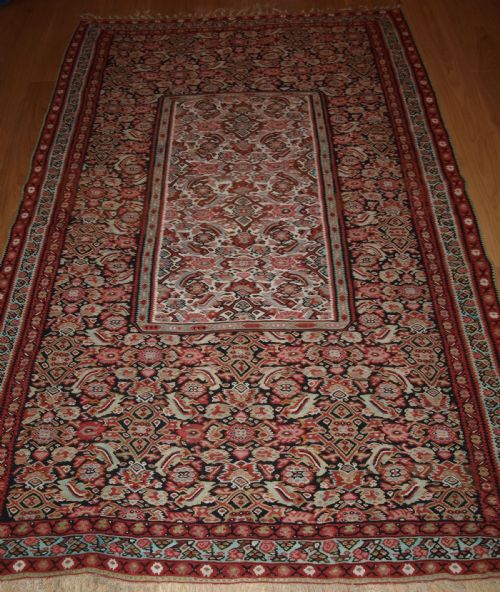
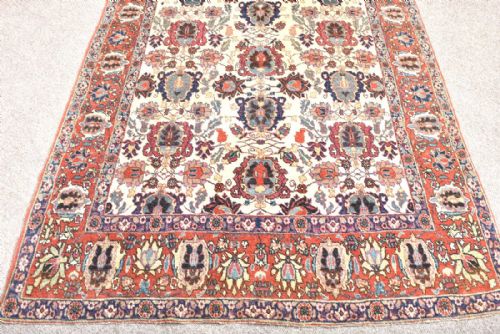
Fine Handwoven Persian Rug
A fine handwoven persian rug brings centuries of knotting skill into a room, offering durability and intricate design.
Fine Handwoven Persian Rug
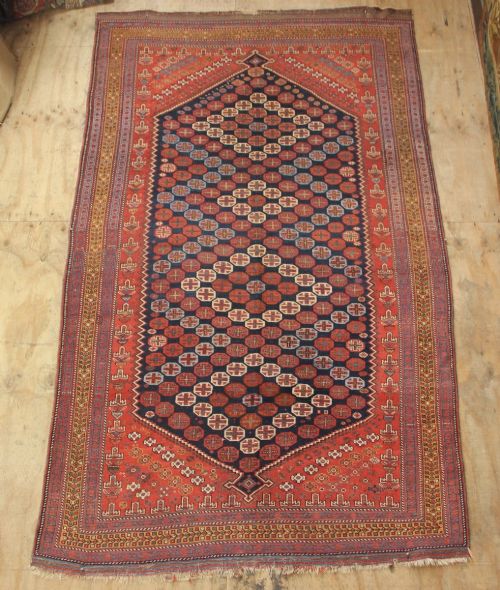
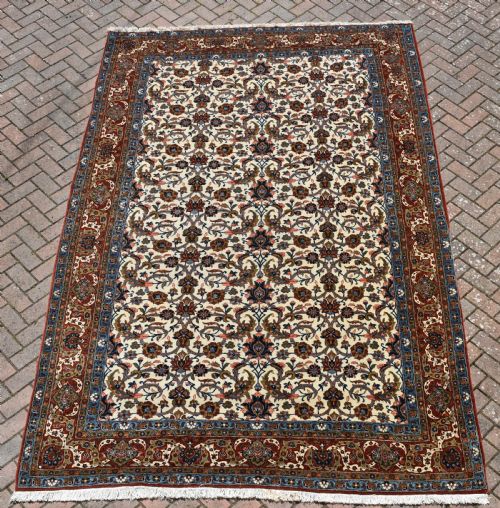
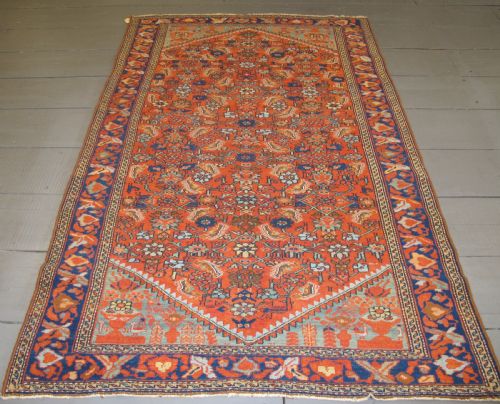
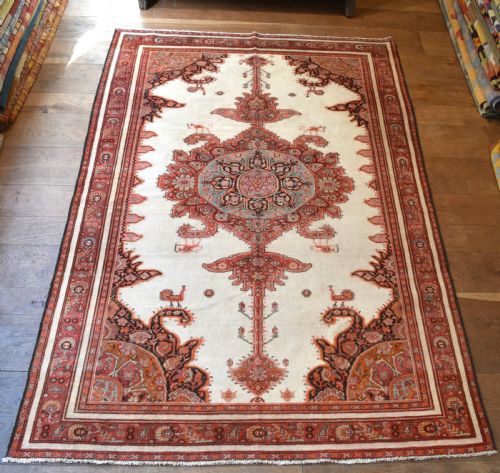
A fine handwoven persian rug spans various regional styles including Afshar, Kashan, Isfahan, Qashqai, Senneh, Tabriz, Qum, and Veramin. These pieces range from large carpets and roomsize floor coverings down to smaller area rugs and nomadic saddlebag faces.
Most examples date from the late nineteenth century up through the nineteen-thirties, capturing traditional motifs and tribal patterns. Buyers encounter everything from large room-sized carpets to small personal bags and kilims.
The regional variety determines the specific design vocabulary, showing how different weaving groups in Persia approached composition. Selecting the right piece involves matching the scale of the rug to the space it will occupy.
Materials and construction
Construction relies on natural foundation materials like cotton and wool, occasionally incorporating silk for finer detail work. These fibres provide the structural integrity needed for dense pile knots and flatwoven kilim structures.
Traditional handweaving techniques involve knotting wool or silk onto cotton warps and wefts by hand. Artisans utilise regional designs passed down through generations to create durable textiles.
Evaluating the work
Quality rests upon knot density, precision of line, and the handling of traditional motifs across the field and border. Tighter knotting allows for sharper pattern definition and greater resilience under foot.
The choice of materials and the consistency of the weave distinguish standard production from exceptional examples. Finer work displays deliberate colour placement and balanced proportions throughout the entire composition.
The Fine Handwoven Persian Rug Glossary
- Warp
- The vertical threads stretched on the loom that carry the tension of the weave. The visible fringe at either end of a rug consists of these finished warp threads.
- Weft
- The horizontal threads passed back and forth between the warp threads to lock the knots in place. This foundational grid gives the textile its structural stability.
- Pile
- The vertical surface of yarn standing up from the foundation, formed by individual knots. Flatweaves lack this pile entirely, relying instead on interlocking weft threads.
- Medallion
- A central ornamental design motif placed in the middle of the rug field. Many classical Persian designs build their symmetry around this focal point.
- Kilim
- A flatwoven textile produced without a raised pile. These pieces offer a lighter weight and distinct geometric patterns characteristic of tribal production.
Fine Handwoven Persian Rug: Frequently Asked Questions
How do I clean an antique rug?
Professional dusting and specialist washing preserve the natural fibres without damaging the traditional dyes. Gentle surface care prevents premature wear on the pile.
Avoid harsh chemical treatments and excessive water immersion. Regular sweeping keeps grit from settling into the foundation threads.
Where should I place a tribal carpet?
Low-traffic zones or rooms protected from direct sunlight allow these textiles to maintain their condition over time. Placing a quality underlay beneath the rug prevents slipping and reduces friction.
Dining rooms and hallways experience heavier use that requires careful placement and rotation. Rotating the rug periodically ensures even exposure to light and foot traffic.
What is a saddlebag face?
Nomadic weavers originally produced utility bags for transport on animals during seasonal migrations. Only the decorative front panels survive from many of these functional items.
These smaller fragments display the same detailed knotting found in larger room carpets. Collectors often mount them as small wall hangings or use them as compact accent pieces.
How do I distinguish regional styles?
City workshops like Isfahan or Kashan typically produce curvilinear floral designs with high knot counts. Tribal groups such as the Qashqai and Afshar favour geometric layouts, bold medallions, and animal or human figures.
Examining the palette, border arrangement, and structural stiffness helps identify the likely origin. Each weaving centre developed distinct signatures within its knotting and wool preparation.