


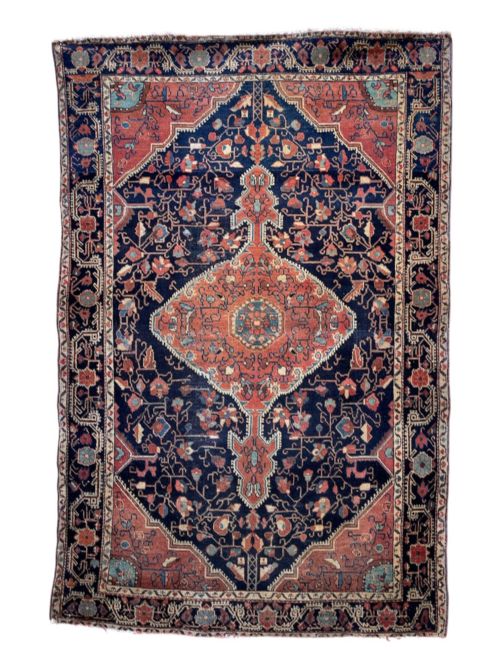
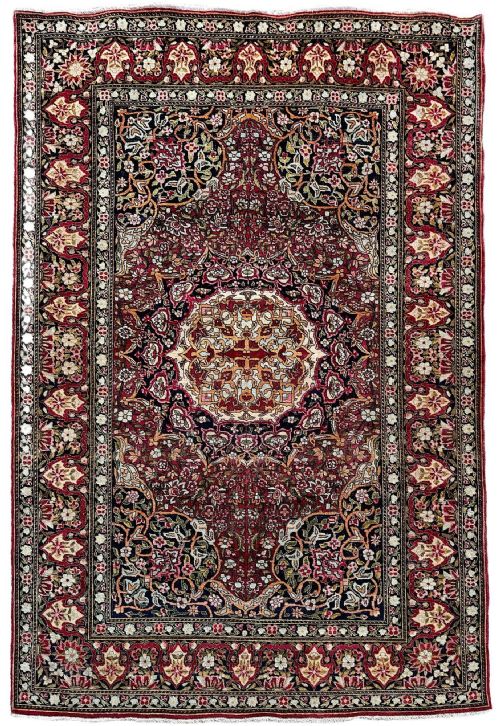
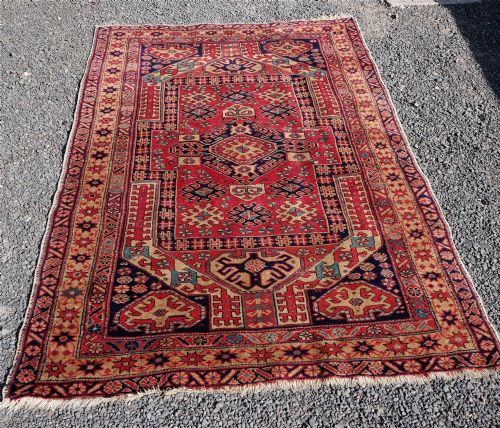
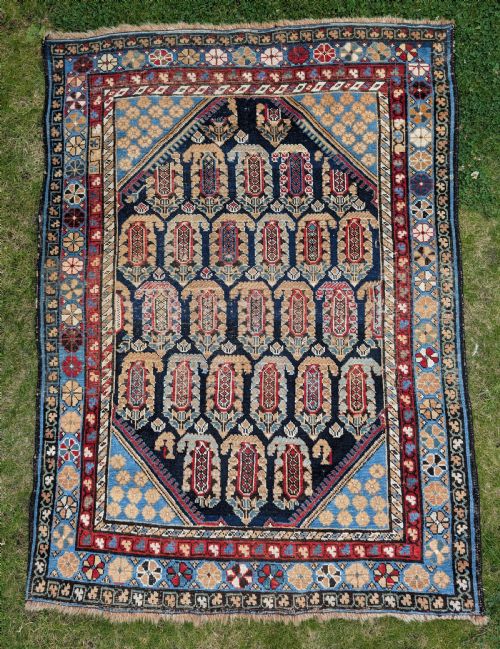
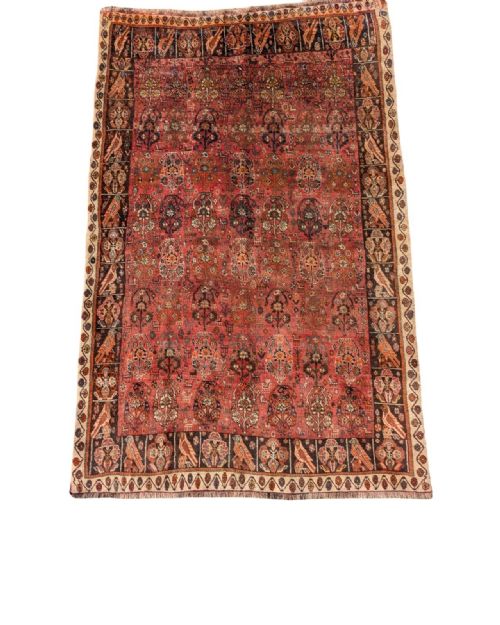
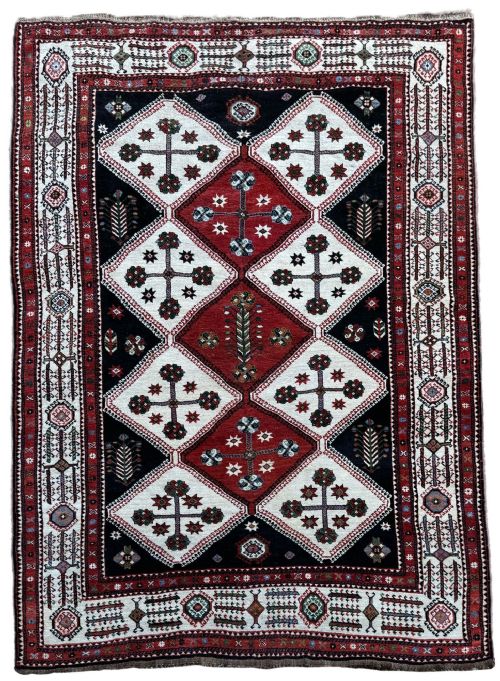
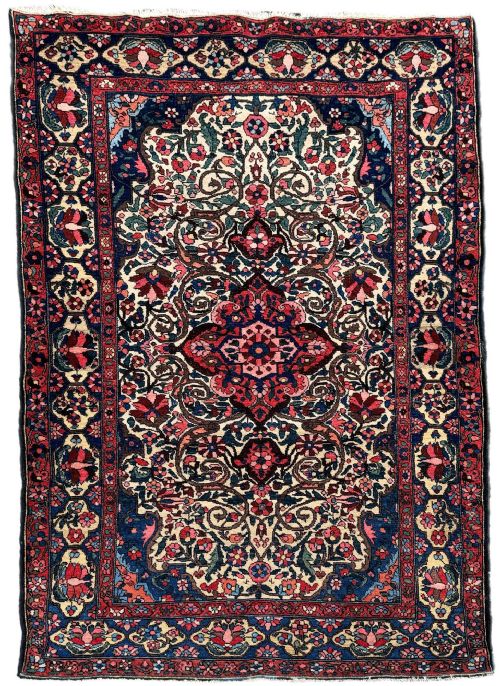
Red Navy Area Carpet
A red navy area carpet brings grounded colour and traditional pattern to a room through dense wool knots and geometric motifs.
Red Navy Area Carpet
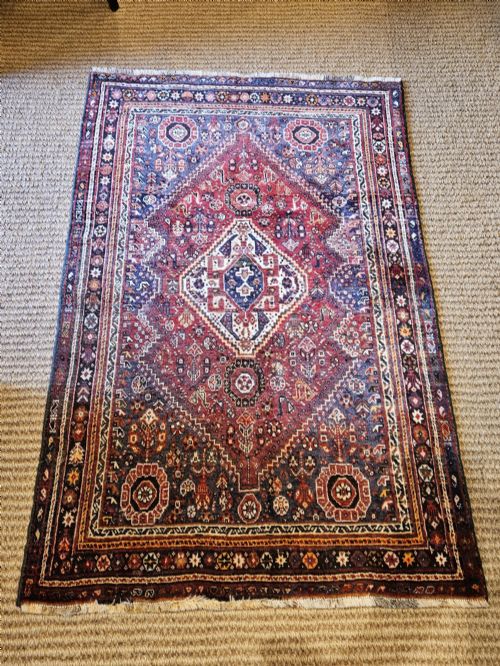
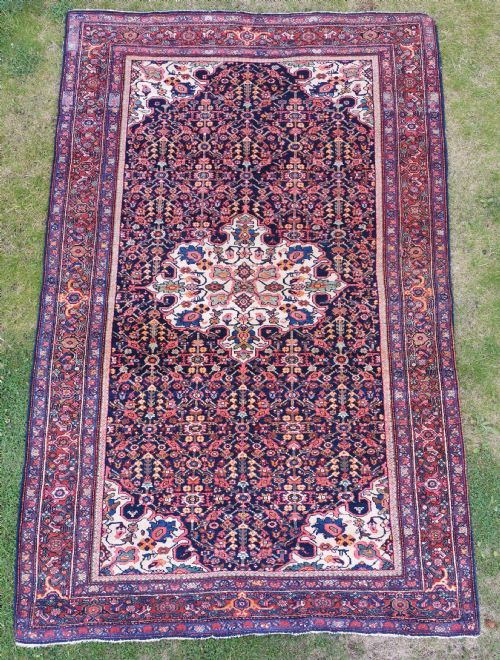
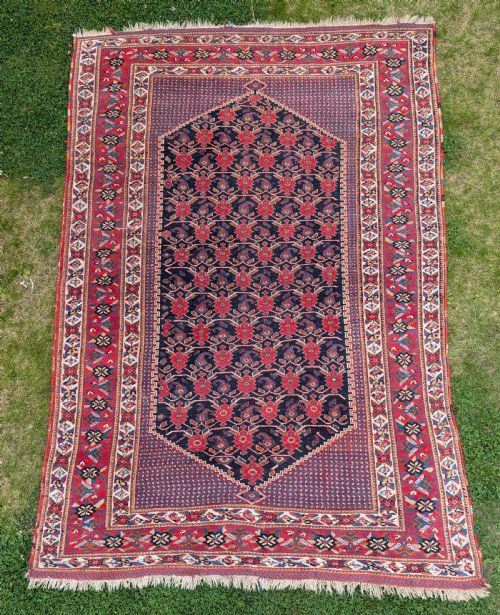
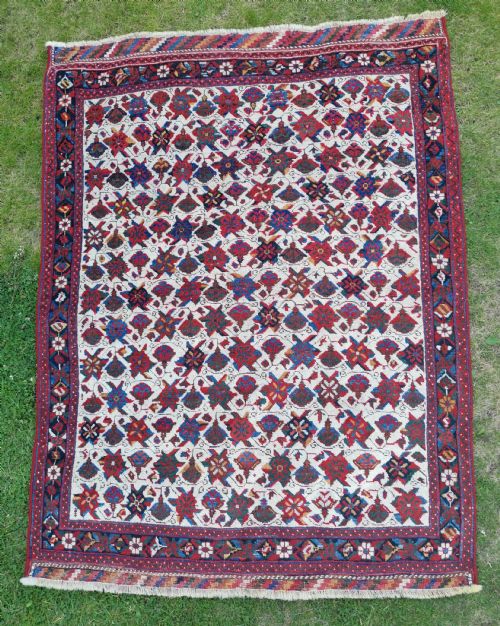
A red navy area carpet gathers woven floor coverings originating from nineteenth and early twentieth century workshops and tribal groups. These pieces arrive from regions including Persia and the Caucasus, featuring rich central fields and contrasting borders.
Buyers seeking a red navy area carpet will encounter formats ranging from smaller scatter rugs to room sized Heriz, Serapi and Fereghan carpets. The designs draw upon traditional Persian, tribal and Caucasian motifs handed down through generations of weavers.
The inventory spans several decades from the mid nineteenth century into the mid twentieth century, encompassing village productions alongside fine city workshops. Each textile reflects the distinct palette and weaving traditions of its specific origin.
Materials and construction methods
These floor coverings utilise hand knotted wool pile set onto foundations of cotton or wool. The natural fibres provide durability and take traditional plant and mineral dyes with depth and variation.
Weavers employ hand knotted techniques to secure the pile, creating dense structures that withstand generations of daily use. Edge finishes and fringes are worked by hand to complete the textile.
The available selection includes Persian Heriz, Caucasian, Baluch tribal and traditional Khamseh weaving styles.
Assessing quality in antique carpets
Knot density and structural integrity distinguish finer workshops from simpler village productions. The precision of the geometric medallion or floral repeat reveals the skill of the individual weaver.
The clarity and saturation of natural dye colours separate superior examples from more muted or unevenly dyed pieces. Integrity of the foundation and original borders preserves the historical value of the textile.
The Red Navy Area Carpet Glossary
- Medallion
- A central ornamental motif placed in the middle of the carpet field. This design element often anchors the entire composition.
- Pile
- The upright yarn loops or tufts that form the surface of the carpet. This layer is created by knotting wool or silk onto the warp threads.
- Warp
- The vertical foundation threads stretched tightly on the loom before weaving begins. Weft threads are passed across these structural elements.
- Weft
- The horizontal threads interlaced through the warp to hold the knots in place. These determine the firmness of the carpet body.
- Knot
- The individual loops of wool or silk tied around warp threads by hand. Different regions utilise specific knot types to secure the pile.
Red Navy Area Carpet: Frequently Asked Questions
How do I clean an antique carpet?
Professional dusting and specialist hand washing preserve the delicate wool fibres and natural dyes of older textiles.
Avoid harsh modern detergents and excessive water immersion to maintain structural integrity.
Are these carpets suitable for heavy traffic?
Dense wool construction allows traditional floor coverings to endure normal residential use over many decades.
Placing a quality underlay beneath the textile reduces friction and extends the lifespan of the foundation.
How do I identify a tribal carpet?
Nomadic and village pieces display geometric motifs, asymmetrical designs and spontaneous use of colour rather than rigid symmetry.
These textiles often incorporate coarser weaves and local wool characteristics unique to specific tribal groups.
What causes colour variation in the field?
Natural dye batches shift slightly during traditional preparation, producing subtle tonal changes known as abrash.
This variation adds depth to the surface and indicates traditional dyeing methods rather than synthetic colourants.