



Vintage Impasto Wall Art
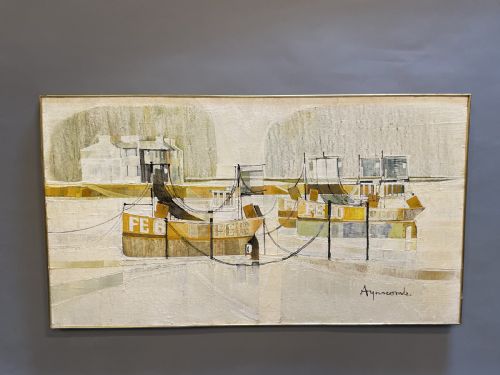
Vintage impasto wall art brings tactile weight to interiors through thick oil paint applied directly to canvas, board, or wood.
Vintage Impasto Wall Art
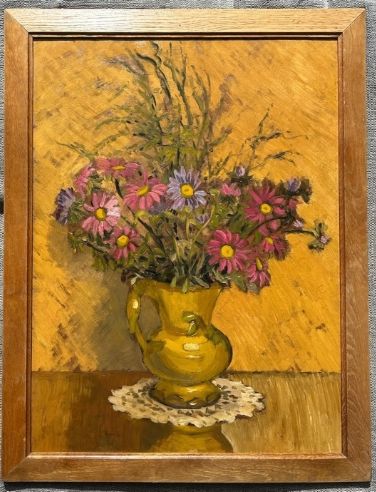
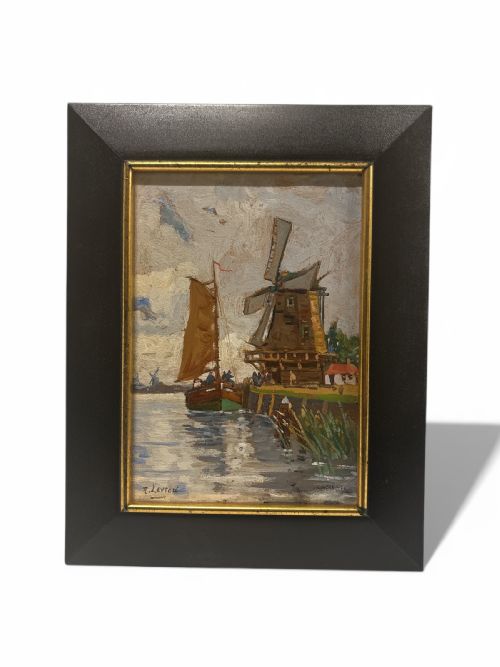
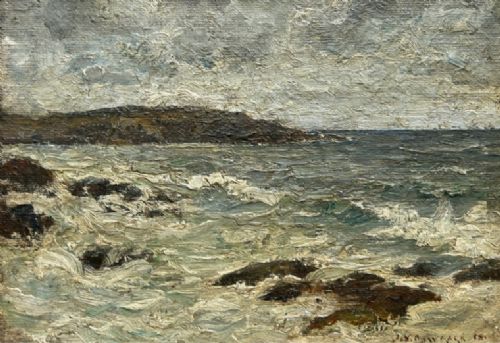
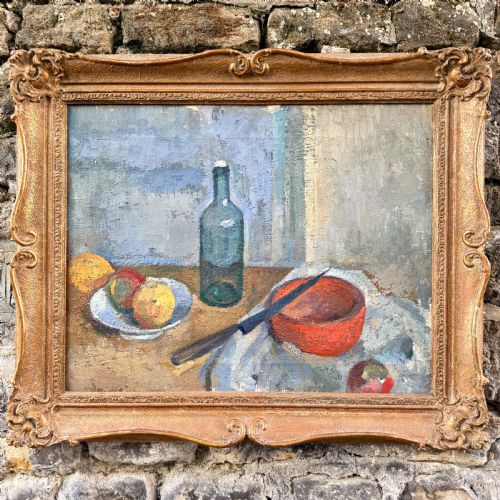
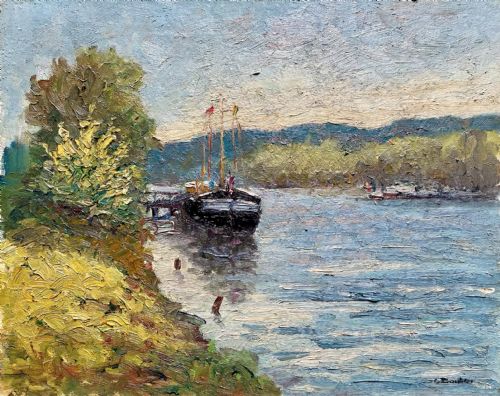
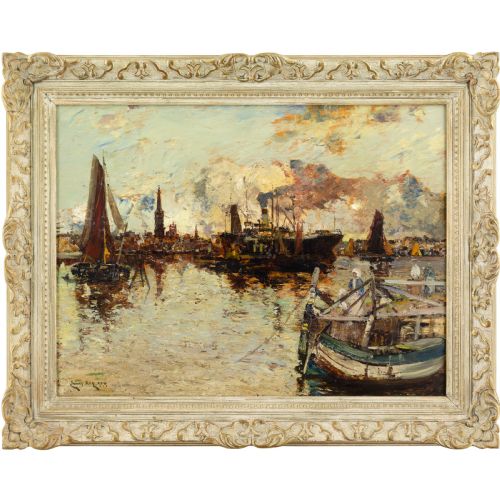
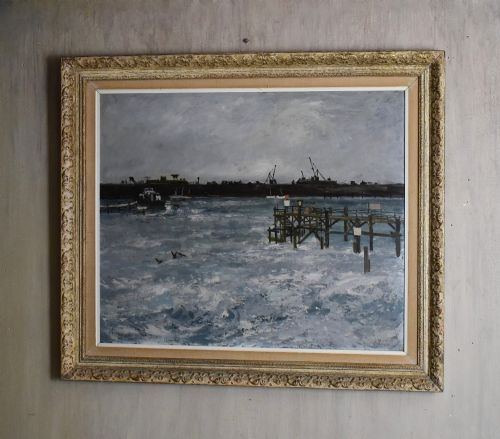
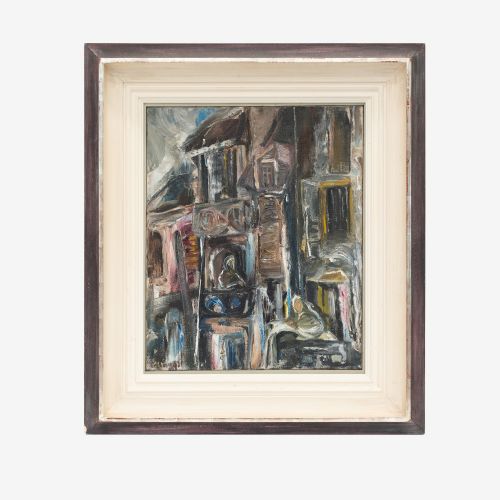
Vintage impasto wall art comprises oil paintings executed with heavy, raised pigment that creates a palpable physical texture on the surface. Buyers searching this phrase encounter works ranging from early twentieth-century coastal scenes and still lifes to mid-century abstract cityscapes and European market squares.
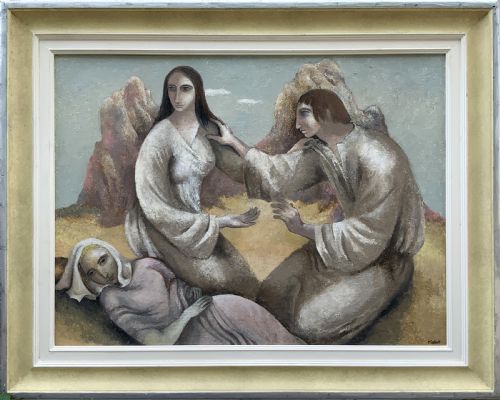
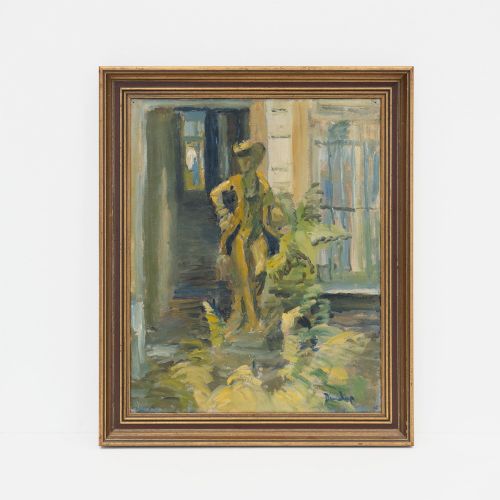
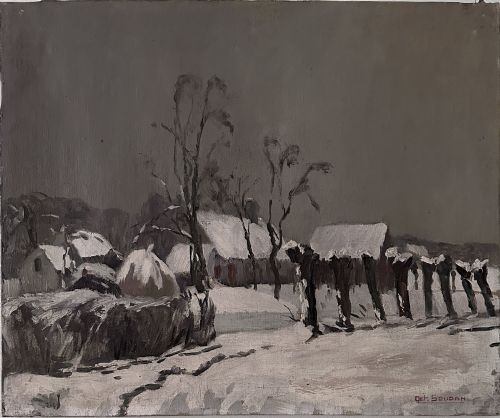
The prevalent examples on this page date from the Edwardian era through the nineteen-sixties, capturing movements such as Impressionism, Post-Impressionism, Expressionism, and Mid-Century Modernism. Subjects stretch from French maritime views and British estuaries to intimate domestic interiors and floral arrangements.
Most pieces are rendered in oil paint on canvas or board, frequently housed within period wooden frames that complement the heavy application of pigment. These works offer a direct encounter with the artist's hand, where ridges and brushstrokes remain as vital as the imagery itself.
What varies in quality
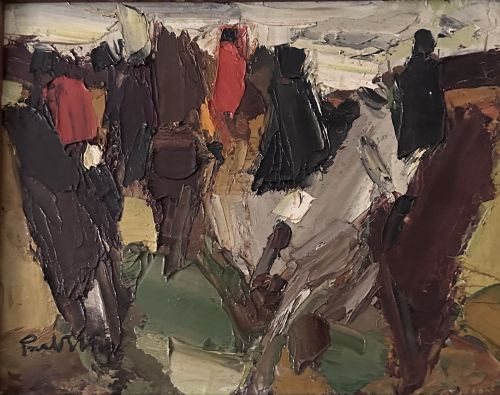
Quality rests in the purposeful control of the heavy pigment, where thick application serves the structure and light of the composition rather than masking uncertainty. Superior examples display a confident interplay between colour and texture, making the physical substance of the paint integral to the atmosphere of the scene.
The relationship between the support and the weight of the paint dictates structural longevity, with properly prepared boards and canvases avoiding the excessive cracking that affects hurried or neglected works.
Styles represented include Post-Impressionism, Expressionism, and Mid-Century Modernism, capturing European landscapes and cityscapes.
Kenneth Cozens·James Kay RSW·Christine Nesbit·Lilian Colbourn·Ronald Ossory Dunlop·Elisabeth Bardon·Helen Layfield Bradley·Jean-Baptiste Olive·Gaetan Dumas·Gabriel Dauchot·Cecil Rochfort D'Oyly-John·Baruch Shalom Oskotsky·Donald McIntyre
The Vintage Impasto Wall Art Glossary
- Impasto
- Paint applied thickly to a canvas or board, standing out in relief from the plane. This technique allows the artist's physical gestures to remain visible in the dried surface.
- Post-Impressionism
- An artistic movement following Impressionism that prioritised symbolic content, expressive brushwork, and distinct structural forms over naturalistic colour representation.
- Expressionism
- A modernist style where the artist distorts reality for emotional impact, often utilising vigorous brushwork and intense coloration.
- Gilt
- A thin layer of gold leaf or gold-coloured pigment applied to wooden frames or decorative surfaces to add reflective brilliance.
- Board
- A rigid panel made of wood, wood pulp, or similar material used as a durable painting support instead of woven fabric.
Vintage Impasto Wall Art: Frequently Asked Questions
How do I clean vintage oil paintings?
Dust surfaces gently with a soft, dry brush to prevent debris from settling into the deep grooves of the thick pigment. Avoid water or chemical solvents, which can damage the aged oil medium.
Professional conservators should handle any deeper cleaning or removal of accumulated grime to protect the integrity of the original paint layer.
Are these paintings supplied with frames?
Many works arrive in their original period wooden or gilt frames, which have protected the edges and complement the aesthetic of the era. These frames form part of the historical object.
Some pieces are sold unframed, allowing the buyer to select a mounting that suits their specific interior setting.
How do I date an impasto painting?
Dating relies on stylistic markers, signature formats, and the physical materials of the canvas or board support. Mid-century works often feature bolder abstraction and brighter palettes.
Archival records, artist exhibition dates, and framing construction offer further clues to narrow down the decade of creation.
Where should I hang heavy impasto art?
Choose a wall with stable ambient temperature and humidity, away from direct sunlight and heat sources that can dry out old oil paint and wood. Adequate lighting at an angle enhances the physical relief of the thick texture.
Ensure wall fixings are secure enough to support the combined weight of the heavy canvas, board, and wooden frame.