


Large Brown Canvas Painting
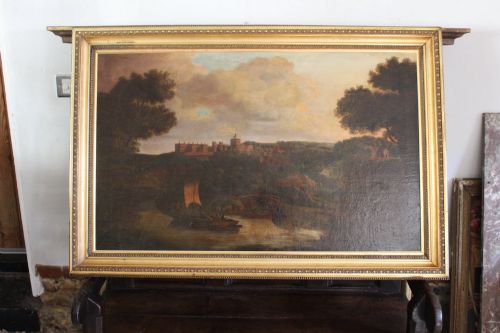
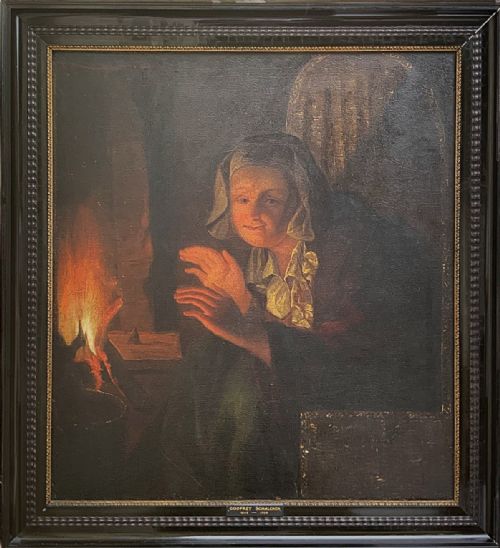
Large brown canvas painting works describe substantial works executed primarily in oil upon woven supports, commanding attention through their scale and muted earth tones.
Large Brown Canvas Painting
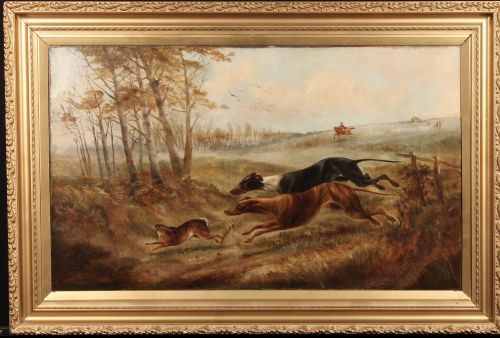
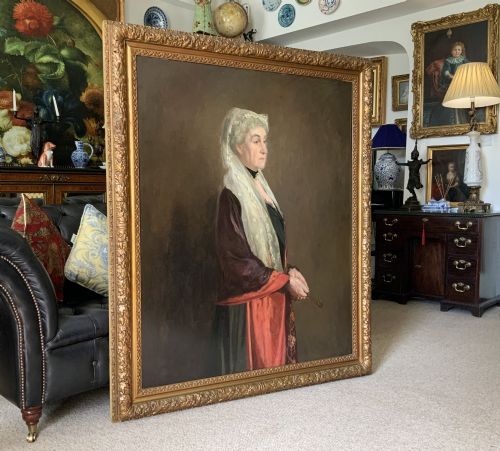
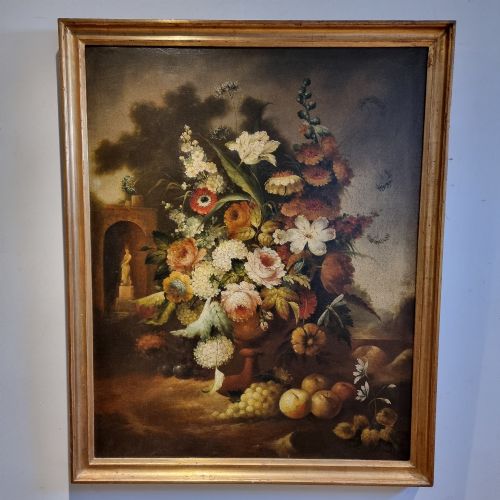
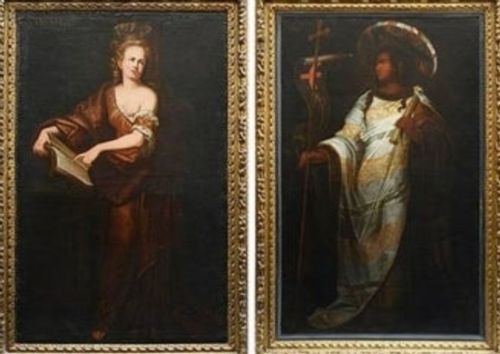
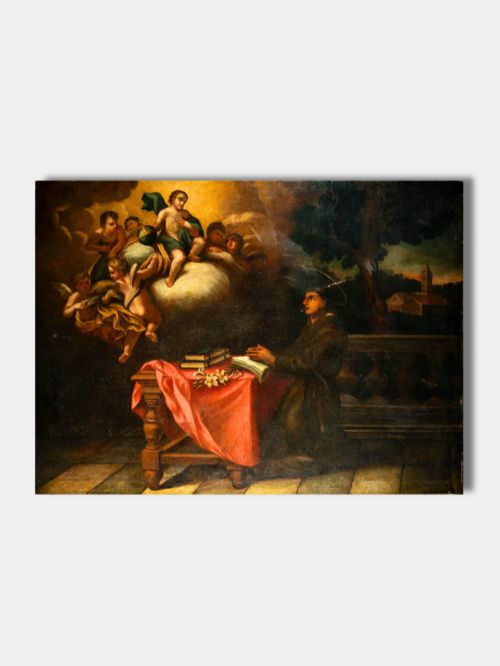
A large brown canvas painting typically brings together significant dimensions and dark, rich palettes associated with traditional portraiture, landscape, and sporting scenes. Buyers searching for a large brown canvas painting encounter substantial works dating from the seventeenth century through to the mid-twentieth century, dominated by Victorian and Edwardian examples.
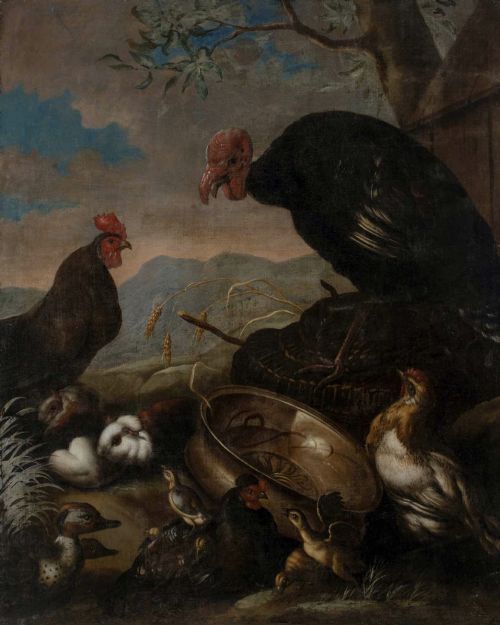
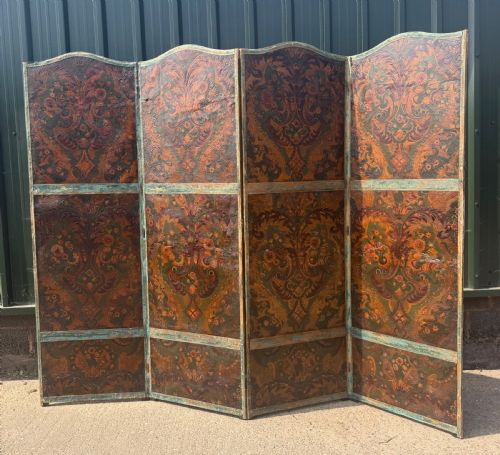
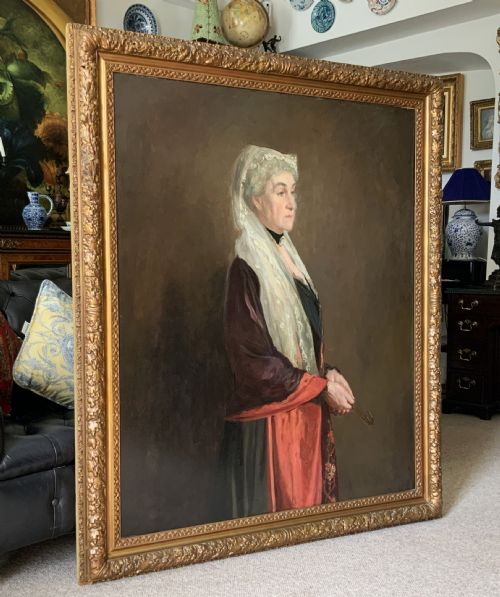
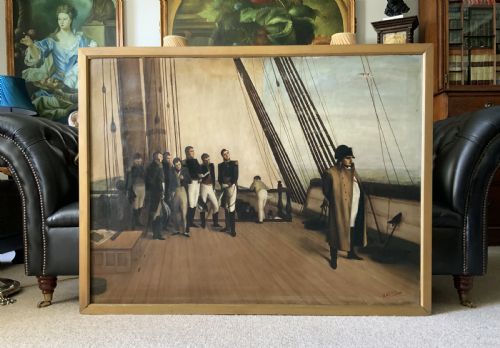
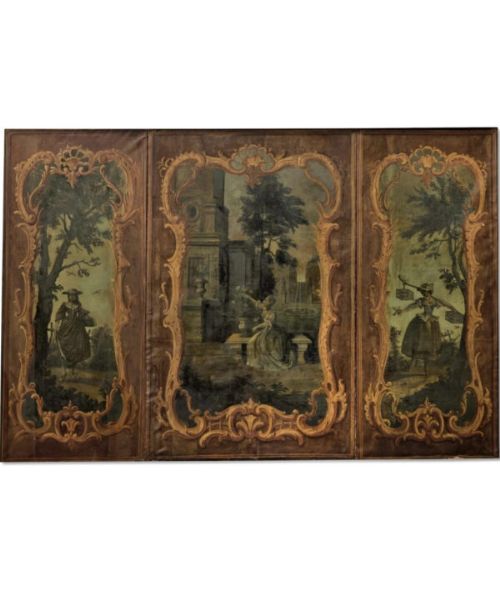
The subjects span grand portraits of nobility and military figures, rustic farmyard scenes, maritime clashes, and pastoral landscapes rendered in deep umbers and siennas. Alongside traditional framed wall art, the selections include polychrome canvas screens and monumental triptych formats that function as architectural room dividers.
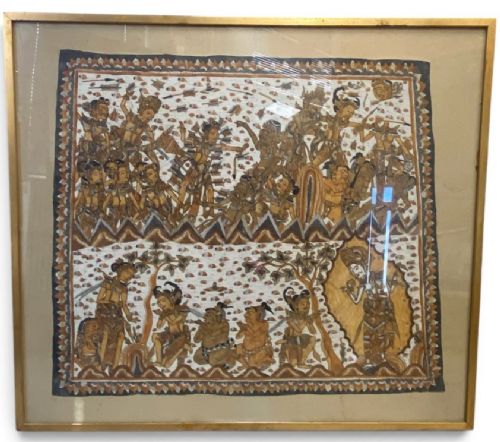
While many pieces originate from British and European schools, variations such as Balinese textile works or Dutch Golden Age interpretations appear within the selection. These large-scale formats suit expansive wall spaces in period properties or contemporary interiors seeking grounding focal points.
How They Were Made
The construction of these works relies fundamentally on woven canvas stretched over wooden frames, often supported by heavy gilt wood mouldings or decorative surrounds. Artists applied oil paint in layered glazes and impasto textures, utilising natural pigments that naturally darken and deepen in tone over centuries.
Many of the older examples employ traditional priming grounds on coarse-weave canvas, which interacts with the oil medium to produce characteristic craquelure and stability over time. Supporting elements incorporate wooden stretchers, panels for folding screens, and occasional gilt ornamentation to finish the physical object.
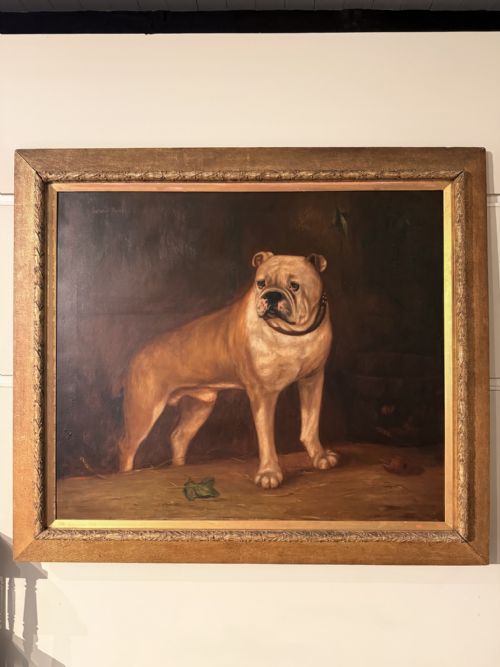
Several canvases capture ducks, fowl, and hunting hounds staring stoically outward, sharing wall space with noble portraits.
What Varies In Quality
The distinction between ordinary decorative works and superior examples rests upon the dexterity of brushwork, anatomical precision, and compositional confidence. Masterful portraiture and landscape execution demonstrate subtle tonal modulation within the brown spectrum, capturing light and shadow without muddying the underlying forms.
Condition and originality heavily influence the standing of a piece, separating untouched canvases from those subject to extensive overpainting or structural relining. The integration of the original frame and the prominence of the recording artist further elevate the piece within its historical period.
Angelo Maria Crivelli·Philipp Ferdinand de Hamilton·Herbert Royle·William Sydney Cooper·George Armfield·Henri Joseph Pauwels·William Mellor·John Wright Oakes·Arthur Charles Dodd·Henri Schouten·Abraham Hulk Jnr·William Miller Frazer
The Large Brown Canvas Painting Glossary
- Canvas
- A heavy woven fabric, typically flax, hemp, or cotton, used as a support surface for oil painting. It requires careful stretching and priming to accept oil pigments stably.
- Impasto
- A technique where paint is laid onto a surface in thick layers, standing out visibly from the canvas. This method gives the artwork a tactile, three-dimensional quality.
- Grisaille
- A painting executed entirely in shades of grey or neutral greyish-brown monochrome. Artists historically utilised this method for underpainting or to imitate sculptural reliefs.
- Triptych
- A work of art divided into three sections, or three carved panels hinged together side by side. These pieces often feature central narratives flanked by complementary wings.
- Craquelure
- The network of fine cracks that develops across the surface of old oil paintings as the paint film ages and hardens. Collectors often examine this pattern to assess the natural ageing of the medium.
Large Brown Canvas Painting: Frequently Asked Questions
Where should I hang a heavy canvas?
Select a wall capable of supporting substantial weight, using appropriate fixings secured directly into wall studs or masonry.
Keep the piece away from direct sunlight, radiators, and damp areas to protect the canvas tension and oil pigments.
What is a relined canvas?
Relining involves attaching a new support canvas to the back of the original deteriorated fabric to provide structural reinforcement.
This common conservation procedure helps preserve fragile historical works by preventing further sagging or tearing of the material.
How can I date an antique oil painting?
Examination of the canvas weave, stretcher construction, nail types, and the composition of the priming layers helps establish the period.
Stylistic markers, artist signatures, and framing methods provide additional clues for determining the approximate decade of creation.