




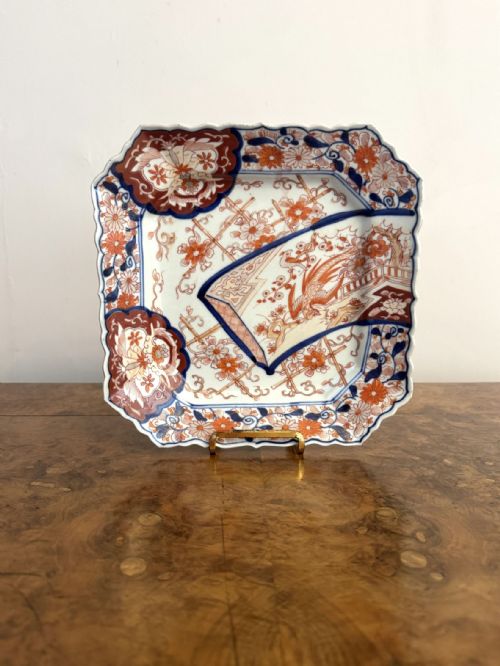


Vintage Imari Ware
Vintage imari ware brings rich cobalt blue and iron red porcelain into a room, offering centuries of Japanese craft.
Vintage Imari Ware
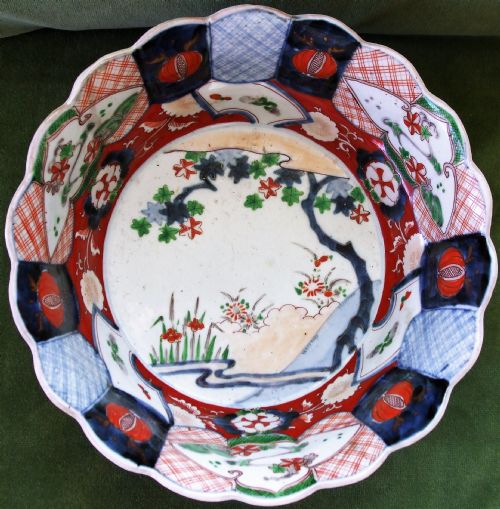
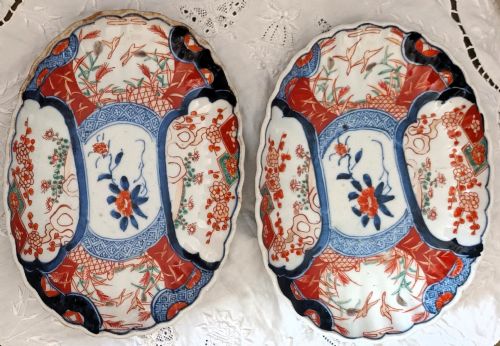
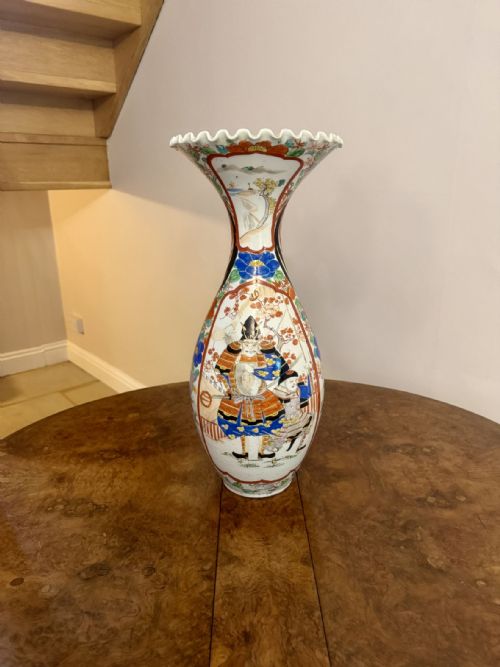
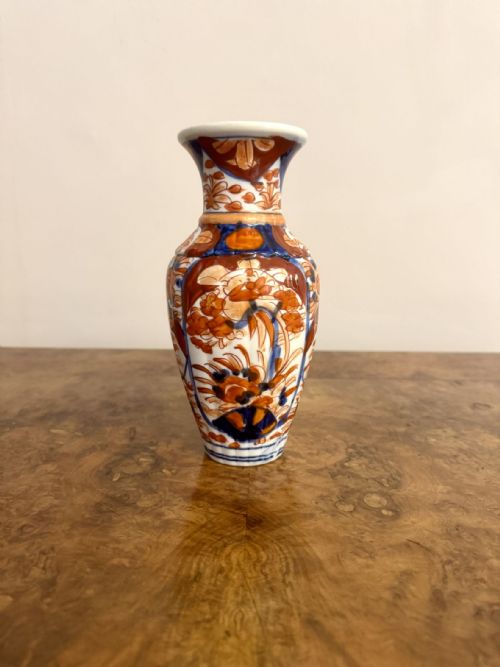
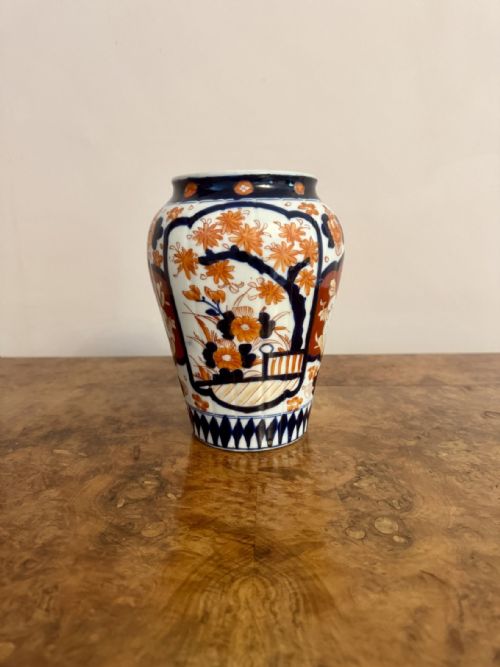
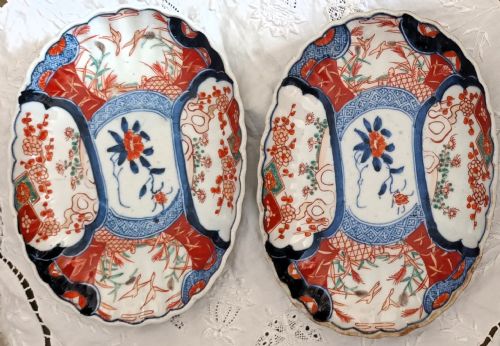
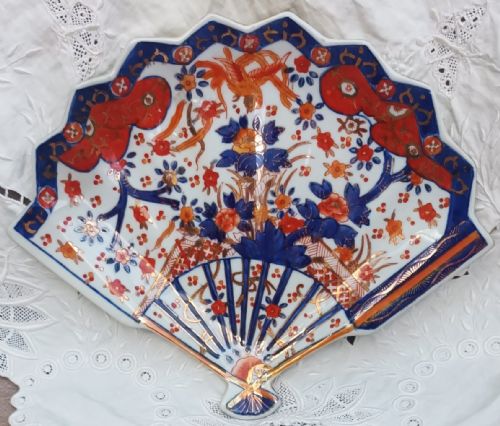
Vintage imari ware comprises decorative porcelain pieces created in Japan across the Edo and Meiji periods, stretching back to the seventeenth century. Collectors encounter plates, chargers, bowls, and vases shaped with scalloped, square, hexagonal, or shell outlines.
The aesthetic relies on a palette of underglaze blue and overglaze iron red, frequently heightened with gold leaf and enamel. Examples range from simple bowls to large garnitures and biscuit barrels produced for export and domestic use.
Pieces from the nineteenth and early twentieth centuries dominate current selections, alongside earlier seventeenth and eighteenth-century Arita origins. Each vessel displays the characteristic hand-painted motifs that define this enduring Japanese tradition.
How vintage imari ware was made
Potters shaped high-fired porcelain before applying cobalt blue pigments beneath a clear glaze, which underwent an initial kiln firing. Artisans then added overglaze enamel colours, including iron red and supplementary gilding, requiring a second, lower-temperature firing to fix the pigments.
The application of gold leaf and gilt details provided the rich highlights characteristic of the style. Potters formed vessels either on the wheel or in moulds, producing both symmetrical bowls and complex shaped plates, dishes, and vases.
Vintage Imari Ware Retail Price Guide 2026
Typical asking prices for vintage imari ware among the pieces listed under this phrase on Sellingantiques today, from the lower quarter to the upper quarter. They describe what is for sale here now, not the wider market.
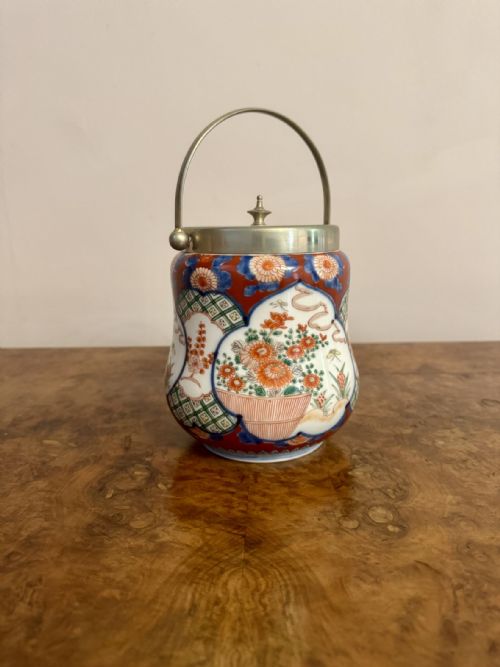
Some nineteenth-century biscuit barrels come fitted with silver-plated mounts, proving that Victorian households enjoyed their dry biscuits served in Japanese porcelain.
What varies in quality
Quality rests on the crispness of the hand-painted cobalt blue beneath the glaze and the precision of the iron red and enamel details above it. Superior examples show careful brushwork on porcelain bodies that are well-balanced and cleanly finished.
The integration of gold leaf and the complexity of the form, such as scalloped edges, hexagonal profiles, or large chargers, separate standard production items from finer studio output. Depth of colour and the stability of the glaze further distinguish the range.
The Vintage Imari Ware Glossary
- Imari ware
- Japanese porcelain originating from the port of Imari, traditionally decorated in cobalt blue, iron red, and gold. This ware gained immense popularity in Europe during the seventeenth century.
- Arita
- The Japanese town in Hizen province where the kilns produced the porcelain body for imari ware. Arita is recognised as the cradle of Japanese porcelain manufacturing.
- Meiji Period
- The era in Japanese history spanning from 1868 to 1912, noted for a surge in decorative arts produced for international export. Pieces from this period often display intricate enamelling and rich gilding.
- Edo Period
- The period of Japanese history lasting from 1603 to 1867, characterised by economic growth and the establishment of classical porcelain designs. Early wares from this time command significant attention from collectors.
- Garniture
- A set of three or more matching vases or vessels designed to be displayed together on a mantelpiece or cabinet. These sets demonstrate advanced moulding and decorative coordination.
Vintage Imari Ware: Frequently Asked Questions
How do I display vintage imari ware?
These pieces suit placement on wooden sideboards or open shelving where their strong red and blue palette stands out against neutral walls. Chargers and large plates look best mounted on secure wall hangers or displayed upright in plate stands.
Vases and bowls function effectively as standalone centerpieces on dining tables or in display cabinets. Keeping them away from direct sunlight protects the overglaze enamels and gold leaf from fading over time.
Were these pieces used daily or displayed?
Many fine plates, chargers, and garnitures served primarily as decorative display items in both Japanese interiors and European stately homes. Utilitarian forms like bowls and biscuit barrels saw more active service for holding food or provisions.
The presence of delicate overglaze enamel and gold leaf meant that owners often reserved the most ornate pieces for special occasions or ornamental exhibition rather than everyday dining.
How can I tell the period of a piece?
Dating relies on examining the characteristics of the porcelain body, the depth of the underglaze blue, and the style of the overglaze enamelling. Earlier pieces from the seventeenth and eighteenth centuries often feature heavier Arita bodies and simpler, more robust painting.
Meiji and later nineteenth-century examples tend to exhibit finer detail, brighter gilding, and varied forms like scalloped or hexagonal edges. Comparing the foot ring and glaze texture with known dated examples helps confirm the era.