




Vintage Imari Wall Dish
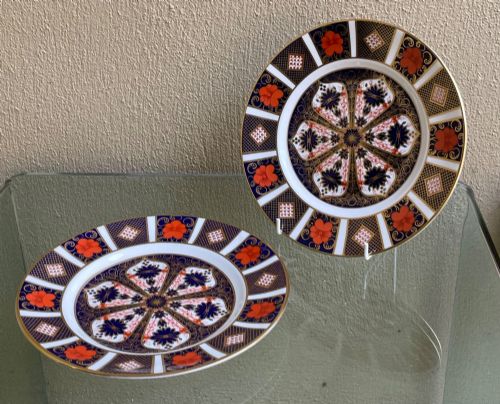
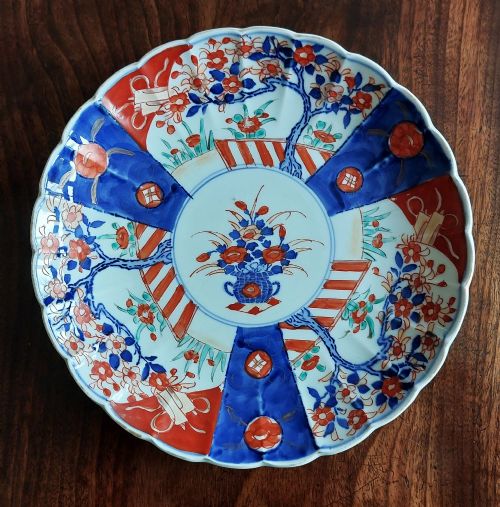
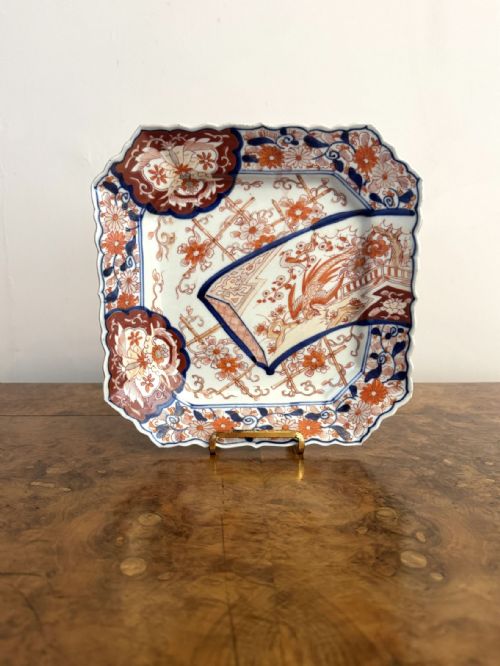
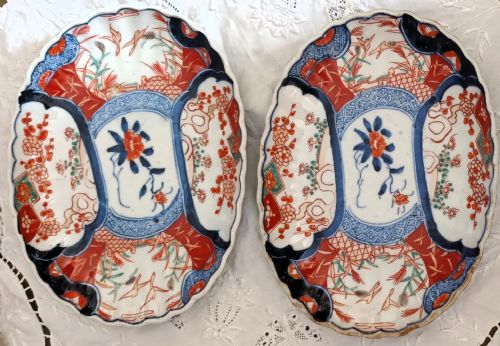
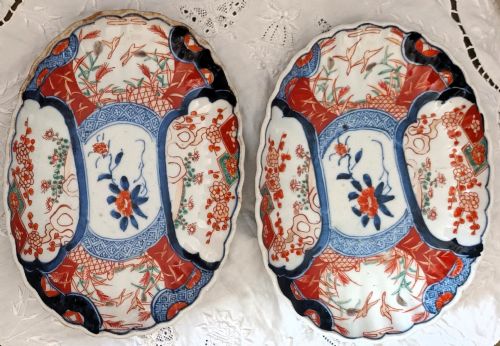
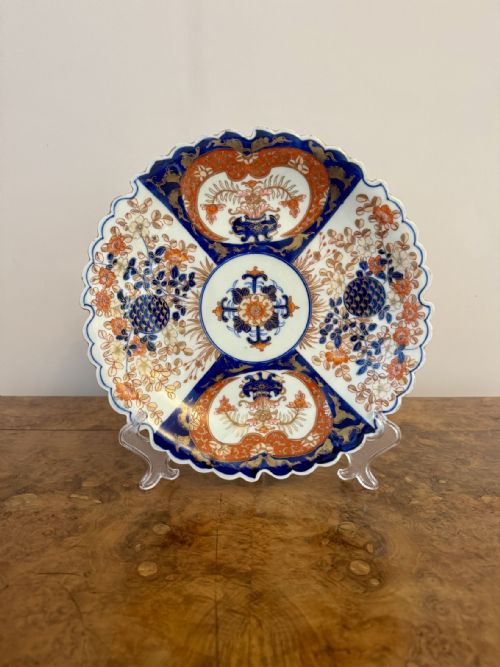
These vintage imari wall dish examples bring together striking cobalt blue and iron red porcelain, made to be displayed.
Vintage Imari Wall Dish
A vintage imari wall dish takes the form of decorative plates, chargers and square plates originating from Japanese production across the Edo and Meiji periods, alongside Chinese export variants and later British ceramic output.
Buyers encounter circular chargers, scalloped edge dishes, and square shaped plates that were produced for display on walls and surfaces.
The aesthetic relies on contrasting pigments that define traditional East Asian motifs adapted for international export markets.
Materials and construction
The foundation rests on hard porcelain, ceramic and ironstone bodies shaped into plates and large chargers.
Decoration is achieved through underglaze cobalt blue combined with overglaze iron red enamel, often heightened with gold leaf, gilt and gold gilt highlights fixed by firing.
Listings span porcelain, ceramic, and ironstone, decorated with enamel, gold leaf, and glaze across the nineteenth and twentieth centuries.
Distinctions in execution
Superior examples display precise hand painted detail in the cobalt blue underglaze and crisp application of iron red enamel and gold leaf across complex pictorial scenes.
Forming variations separate standard circular dishes from unusual square shapes, oval profiles, and scalloped edges that require greater skill to fire without distortion.
Royal Crown Derby
The Vintage Imari Wall Dish Glossary
- Imari
- A style of ceramic originating from the port of Imari in Japan, traditionally characterised by a palette of underglaze blue, iron red, and gilt. This aesthetic influenced makers across Asia and Europe.
- Charger
- A large decorative plate intended for display on a sideboard or wall rather than for dining use. These substantial pieces provide a wide surface for pictorial designs.
- Meiji Period
- The era in Japanese history spanning from 1868 to 1912, noted for a surge in decorative arts produced for international export. Pieces from this time frequently exhibit intricate hand painted motifs.
- Edo Period
- The period in Japanese history running from 1603 to 1868, during which foundational styles of export porcelain were established. Early examples from this era set the technical standards for later work.
- Ironstone
- A type of durable ceramic developed in Britain as a robust alternative to porcelain. It serves as a sturdy base for enamel and gilt decoration.
Vintage Imari Wall Dish: Frequently Asked Questions
How do I hang a vintage imari wall dish safely?
Wall display requires a spring loaded brass hanger that grips the rim firmly without putting undue pressure on the porcelain body. Ensure the wall fixing is secured directly into a stud or uses an appropriaterawl plug.
Position the dish away from direct sunlight and heat sources to protect the overglaze enamel and gold gilt details from fading or drying over time.
Were these dishes meant for dining or display?
Larger examples and chargers were created specifically for display on walls or sideboards to showcase the intricate painted decoration. Smaller plates served dual purposes in domestic settings depending on the household.
The presence of unglazed foot rings with hanging holes or the sheer scale of heavy chargers often indicates intended wall placement.
How do I clean a vintage imari wall dish?
Dust the surface gently with a soft, dry feather duster or microfiber cloth to remove everyday particles. Avoid using water, abrasive cleaners, or chemical solvents which can damage overglaze enamel and gold leaf.
If deeper cleaning is necessary, consult a professional conservator rather than attempting immersion, particularly if gilt highlights show signs of wear.