


Vintage Imari Floral Plates
These vintage imari floral plates bring rich cobalt blue, iron red, and gold leaf into domestic displays from Japanese and English kilns.
Vintage Imari Floral Plates
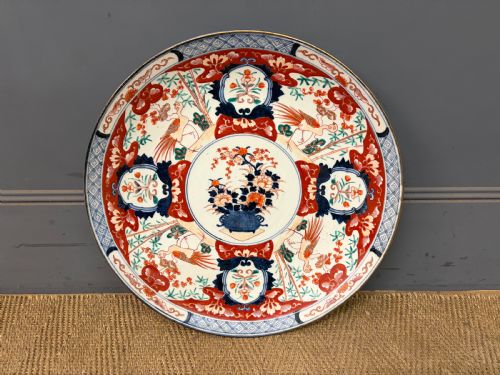
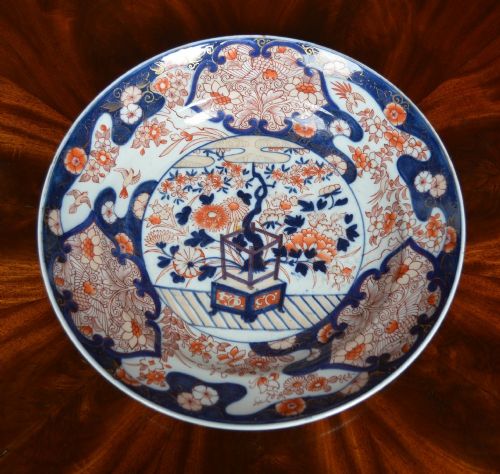
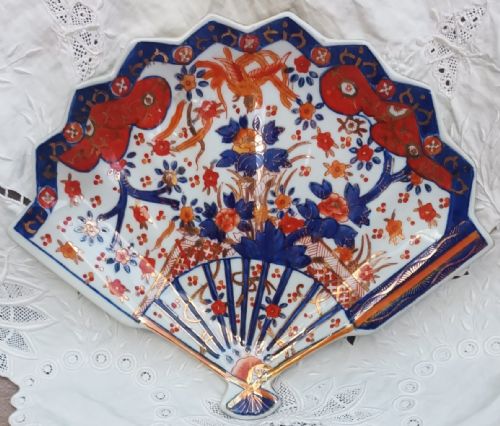
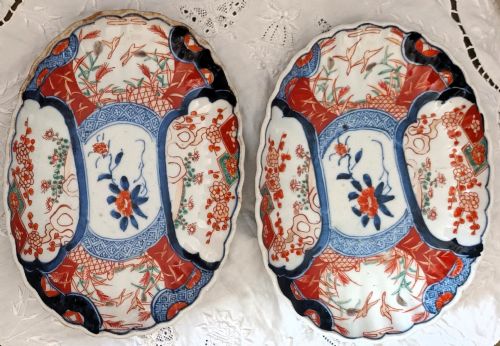
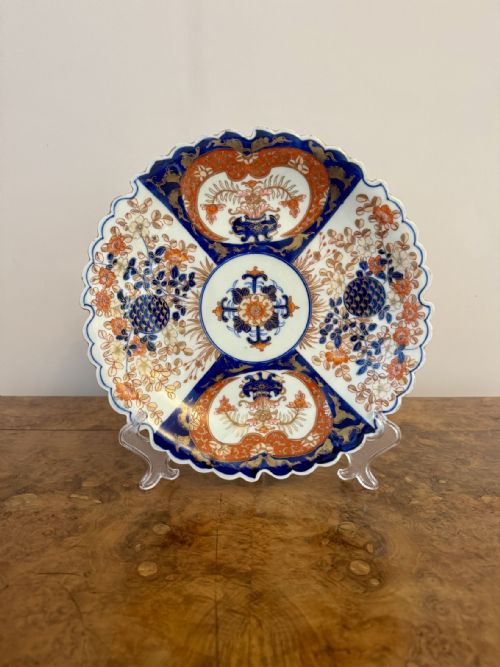
Vintage imari floral plates encompass robust ceramic tableware and decorative chargers originating from Japanese workshops spanning the Meiji and Edo periods, alongside English interpretations in ironstone china. Collectors encounter round, square, scalloped, and oval plates featuring dense botanical motifs.
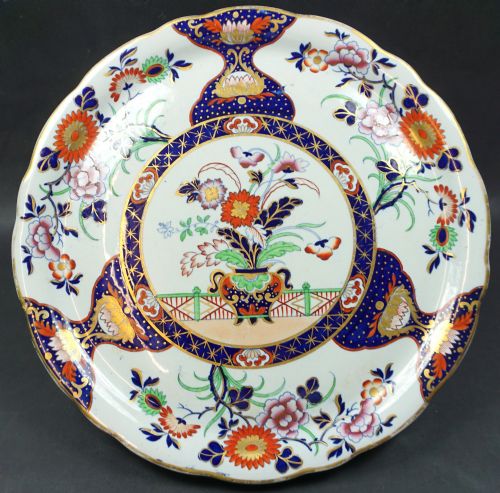
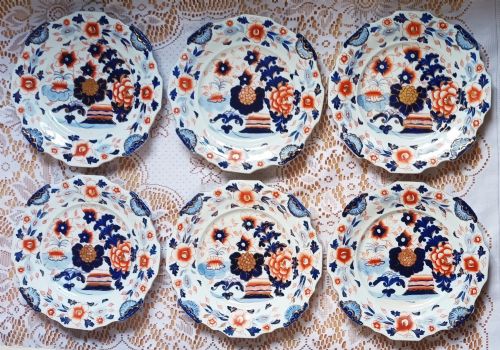
The Japanese examples dominate the selection, appearing frequently in nineteenth-century and early twentieth-century dates with characteristic hand-painted palettes. English equivalents from Georgian and Victorian makers adopt the Japan pattern on ironstone.
How they were made
Potters shaped porcelain and ironstone bodies before applying underglaze blue and overglaze enamel colours by hand. Gilding and gold leaf often highlight the intricate floral patterns across the surface of the plates and chargers.
Firing techniques in traditional kilns produced durable ceramic wares finished with protective glaze layers. Artisans utilised iron red enamel alongside cobalt to achieve the distinct polychrome aesthetic.
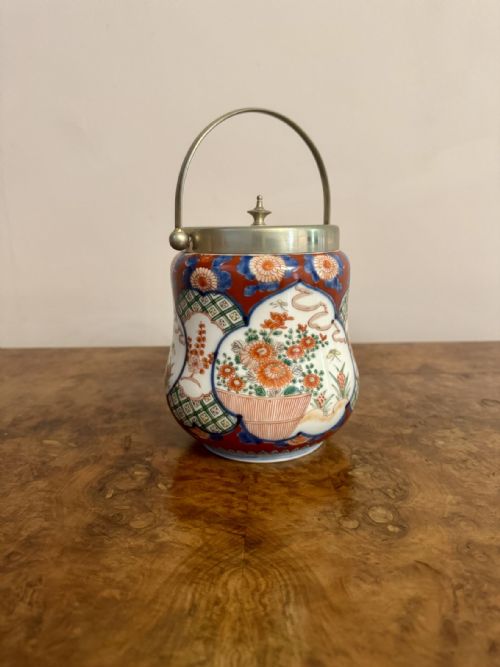
Biscuit barrels occasionally join the plate selections, proving that Victorian tea times required round ceramic containers for dry baked goods.
What varies in quality
The precision of the hand-painted brushwork distinguishes exceptional pieces from standard wares, particularly in the rendering of floral details and gilt accents. Crispness of the glaze and the weight of the porcelain or ironstone body indicate the skill involved in production.
Composition and symmetry across chargers and plates reveal the maker's mastery, with superior examples exhibiting balanced distribution of cobalt blue and iron red tones across the ceramic surface.
Hicks & Meigh·Masons
The Vintage Imari Floral Plates Glossary
- Imari
- A style of Japanese porcelain decorated in underglaze blue, iron red, and gold. This aesthetic originated in Hizen province and gained popularity in European export markets.
- Charger
- A large decorative plate used historically for service or display on walls and sideboards. These pieces measure larger than standard dining plates.
- Ironstone
- A type of durable heavy earthenware patented in the nineteenth century. English makers utilised this material to produce robust tableware.
- Meiji Period
- The era of Japanese history lasting from 1868 to 1912, associated with increased export of decorative arts. Pieces from this time frequently feature detailed hand-painted motifs.
- Gilt
- Covered thinly with gold leaf or gold paint to highlight specific design elements. This technique adds metallic brilliance to the ceramic surface.
Vintage Imari Floral Plates: Frequently Asked Questions
How do I hang a heavy charger?
Large chargers require robust wall-mounting hardware designed to distribute the weight securely without damaging the ceramic rim.
Use coated wire springs or specialised plate hangers that grip the edges firmly while protecting the glaze from scratches.
Can I use these plates for dining?
Most antique pieces function best as decorative items due to age and delicate overglaze enamel work.
Hand washing preserves the gold leaf and iron red pigments from fading during regular daily use.
How do I date an imari plate?
Dating relies on examining the body material, glaze characteristics, and stylistic conventions associated with specific Japanese periods or English reigns.
Meiji examples often display dense floral painting on heavier porcelain compared to earlier Edo period items.
What is the Japan pattern?
The Japan pattern refers to English interpretations of East Asian export ceramics produced on ironstone china during the Georgian and Victorian eras.
These nineteenth-century designs replicate the distinctive blue and red colour schemes of imported wares.