





Vintage Imari Display Plates
These vintage imari display plates bring rich iron-red and cobalt tones to walls and dressers, offering traditional ceramic artistry for the home.
Vintage Imari Display Plates
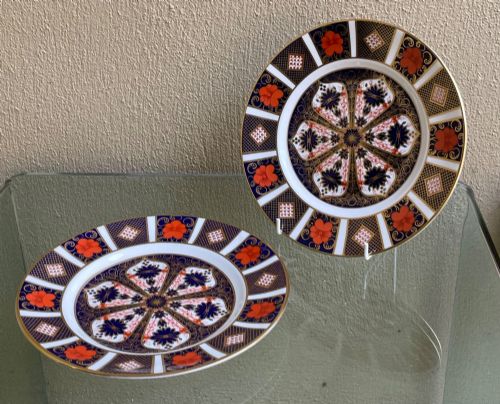
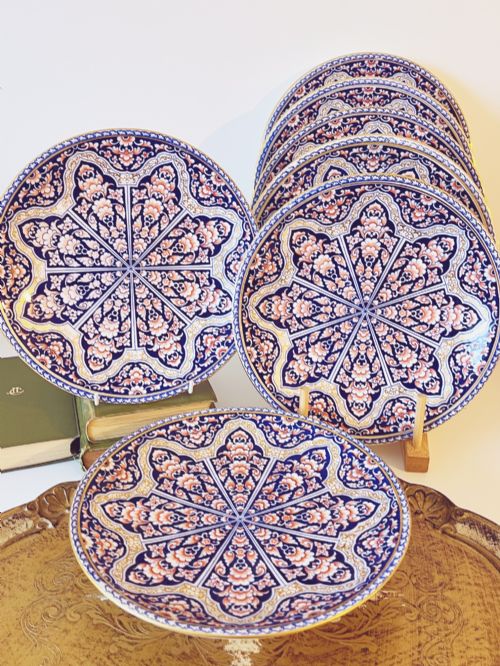
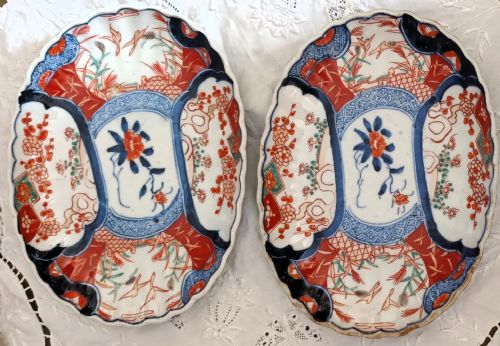
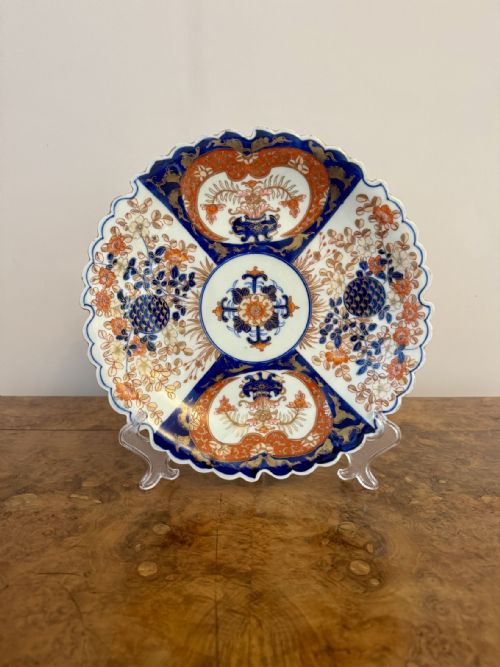
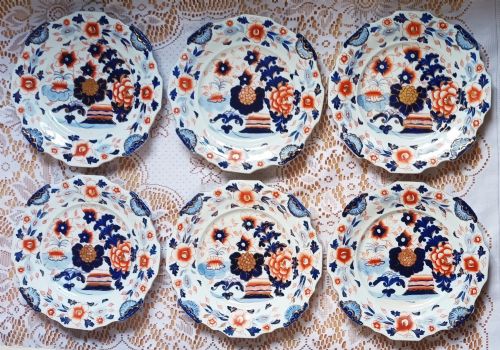
Vintage imari display plates encompass both imported Japanese wares and English interpretations created in styles from the Edo and Meiji periods through to the twentieth century. These objects include large chargers, square dishes, and scalloped plates designed primarily for visual appreciation rather than daily dining.
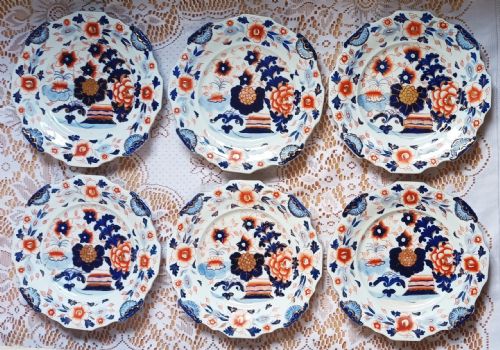
Buyers most frequently encounter Japanese porcelain examples dating around nineteen hundred, alongside nineteenth-century English ironstone pieces adopting the traditional palette. Forms range from deep chargers depicting mythical figures to compact ribbon plates with distinctive shaped edges.
The aesthetic bridges eastern and western decorative traditions, with many items reflecting nineteenth-century European enthusiasm for Japanese export goods. Whether originating from Japanese kilns or English potteries, these pieces serve as striking focal points in traditional and eclectic interiors alike.
Materials and Techniques
The foundation of these pieces relies on hard-paste porcelain or ironstone ceramics, fired at high temperatures to create a durable base. Artisans then applied underglaze cobalt blue and overglaze iron-red enamel, often enriched with detailed gold leaf highlights.
Hand-painting techniques ensured that each charger and plate received individual brushwork, resulting in subtle variations across floral motifs, landscapes, and figurative scenes. Glaze application varied from smooth, glossy finishes to thicker, textured enamels that sit slightly proud of the ceramic surface.
Common forms include large wall chargers, square dishes, scalloped plates, and complete dessert services incorporating comports.
Distinguishing Quality
The distinction between standard domestic wares and superior examples rests upon the precision and complexity of the hand-painted brushwork. Finer pieces demonstrate crisp separation between the cobalt blue outlines and the intricate iron-red and gilt fills, with harmonious colour balance across the entire composition.
Form and proportion also define the upper tier, where challenging shapes such as square plates or deep chargers maintain structural symmetry through the firing process. The density of the porcelain and the richness of the gilding further separate everyday export wares from exceptional collector pieces.
Royal Crown Derby·Masons
The Vintage Imari Display Plates Glossary
- Imari
- A style of Japanese porcelain featuring a characteristic palette of underglaze blue, iron-red, and gilt. The name derives from the port from which these wares were shipped to Europe.
- Charger
- A large ornamental plate, typically exceeding twelve inches in diameter, intended for display on a wall or sideboard rather than for table service.
- Ironstone
- A type of heavy, durable ceramic developed in nineteenth-century England as a robust alternative to porcelain. It readily accepted colourful enamel patterns inspired by imported wares.
- Meiji Period
- The era of Japanese history spanning from eighteen sixty-eight to nineteen twelve, noted for significant export of decorative arts to western markets.
- Comport
- A raised dish or bowl used historically for serving fruit or dessert, elevating focal items within a dining service.
Vintage Imari Display Plates: Frequently Asked Questions
How were display plates used historically?
These large plates and chargers were primarily exhibited on sideboards, walls, or specialised plate racks to showcase the wealth and refined taste of the household. Rather than participating in daily dining routines, they functioned as vibrant decorative art.
In both Japanese and European interiors, their rich colour palettes added warmth and focal energy to principal reception rooms, often complementing textile furnishings and dark wood cabinetry.
How do I hang a heavy charger safely?
Displaying large ceramic chargers requires sturdy, adjustable spring-loaded brass hangers that distribute the weight evenly across the rim. Ensure the wall fixing engages directly into masonry or a solid stud rather than relying solely on plaster.
Position the plate away from high-traffic zones and direct heat sources to protect the ceramic body and any delicate overglaze gilding from accidental impact or thermal stress.
How can I tell Japanese imari from English copies?
Japanese pieces typically utilise a finer, more translucent porcelain body with characteristic spur marks on the base from the firing process. The iron-red pigments often exhibit a slightly drier, matte texture compared to European equivalents.
English interpretations, particularly nineteenth-century ironstone examples, tend to be heavier and more opaque. They frequently bear maker stamps or pattern names impressed or printed directly into the ceramic paste.
Can these antique plates still be used for food?
While structurally sound, antique display plates are generally unsuited for modern culinary use due to potential lead content in older overglaze enamels and the risk of damaging delicate gilding. Utensils can easily scratch the hand-painted surfaces and wear away the intricate details.
Enjoying these items as visual art preserves their historical integrity and prevents accidental chemical leaching from vintage mineral glazes.