





Vintage Hound Figure
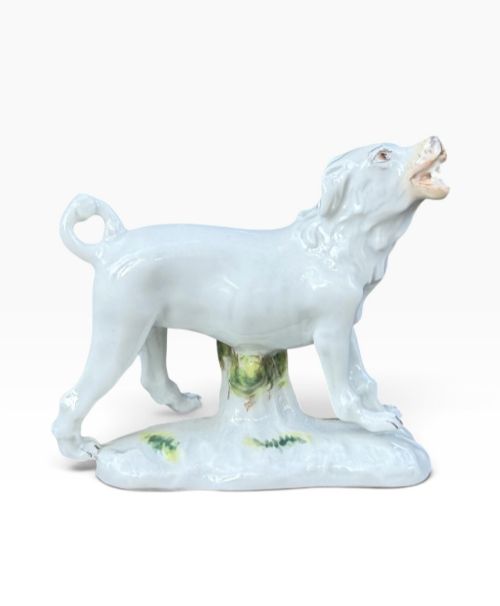
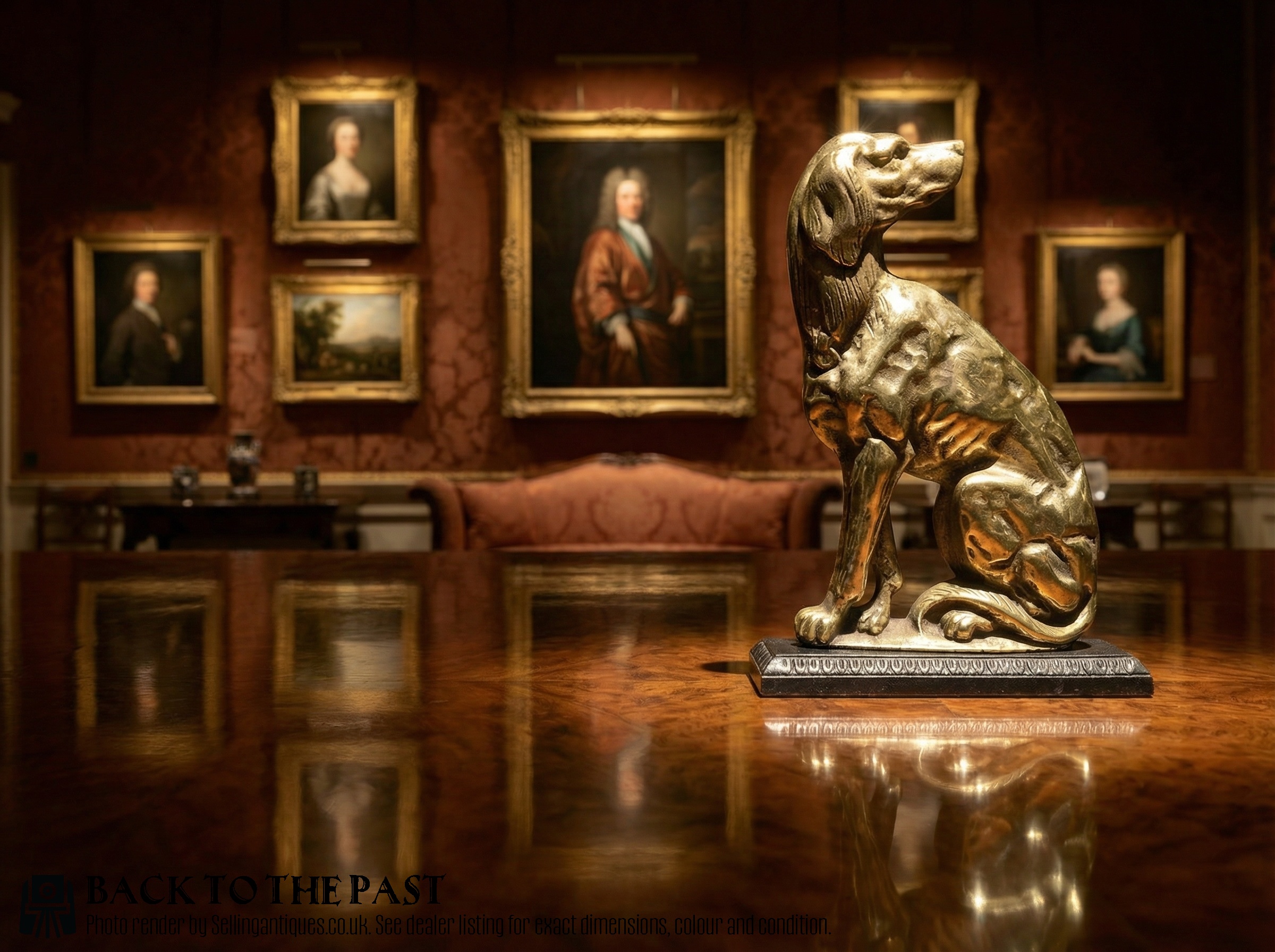
These vintage hound figure pieces capture domestic loyalty and field sports in bronze, porcelain, spelter and marble across several centuries.
Vintage Hound Figure
When someone searches for a vintage hound figure, they encounter sculptural works ranging from small tabletop ornaments to life-size garden statuary. The subjects encompass hunting dogs, greyhounds, and sporting groups modelled in dynamic motion or repose.
The selections span the nineteenth century, the Edwardian era, and the art deco period. Bronzes cast by French animalier sculptors sit alongside German porcelain, terracotta, and cast lead garden hounds.
Victorian mantel pieces and twentieth-century decorative figures dominate the offerings. Buyers select these works to bring sculptural presence and canine loyalty into domestic interiors and halls.
Evaluating Sculptural Execution and Cast Quality
Quality rests upon the crispness of the casting and the fidelity of the anatomical modelling. Fine bronzes preserve muscle tension, fur texture, and facial expression without softening the contours during the chasing process.
Porcelain and terracotta pieces depend on the sharpness of the original mould and the control of the glaze or paintwork. Signatures from established animalier sculptors or marks from major continental factories elevate the status of a piece.
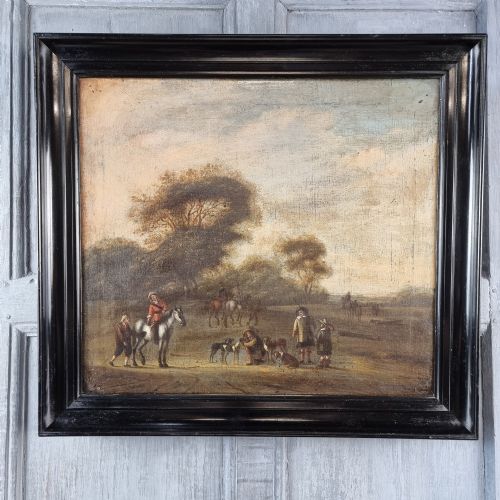
The listings span from the seventeenth century through to the nineteen-thirties, incorporating materials from oil on canvas to cast lead.
Arthur Waagen·Geo Maxim·Christophe Fratin·DUBUCAND·Nikolai Lieberich·AL Barye·Barbedienne·Royal Dux·Meissen
The Vintage Hound Figure Glossary
- Animalier
- A nineteenth-century artistic movement dedicated to the realistic portrayal of animals, particularly predators and hounds. Practitioners specialised in capturing dynamic movement and accurate anatomy in bronze.
- Spelter
- A zinc alloy utilised as an affordable substitute for bronze in decorative sculptures. It takes patination well but remains softer and lighter than true bronze.
- Parian
- A fine white bisque porcelain resembling marble, developed in the nineteenth century. Figures cast in this material exhibit a smooth, matte finish well suited to classical and sporting subjects.
- Grand Tour
- A traditional trip through Europe undertaken by upper-class scholars and collectors. Souvenirs from these journeys included small-scale marbles and bronzes of classical subjects like the Alcibiades hounds.
- Door Porter
- A heavy weighted object used to keep interior doors from swinging shut. Examples take the form of cast iron or brass dogs designed for functional utility.
Vintage Hound Figure: Frequently Asked Questions
What materials are these figures made from?
The listings encompass bronze, marble, porcelain, spelter, terracotta, brass, cast iron, lead, and wood.
Artists and foundries selected these media to suit the intended environment of the piece, whether intended for a polished mantelpiece or an outdoor garden.
How do I identify art deco examples?
Art deco pieces emerge from the nineteen-twenties and nineteen-thirties, featuring stylized animal forms, leaping greyhounds, and geometric bases.
These works often pair spelter figures with contrasting marble plinths or feature dynamic poses associated with the modernist aesthetic.
Where were these animalier bronzes produced?
Many nineteenth-century bronzes originated in French foundries under the guidance of prominent animalier sculptors.
These workshops utilised the lost-wax method or sand casting to achieve detailed textures on hounds and sporting groups.
How should I care for a bronze hound?
Bronze sculptures require occasional dusting with a soft cloth and benefit from microcrystalline wax to protect the patina.
Keep these metal works away from damp environments to preserve the original surface finish.
Are these figures suitable for outdoor display?
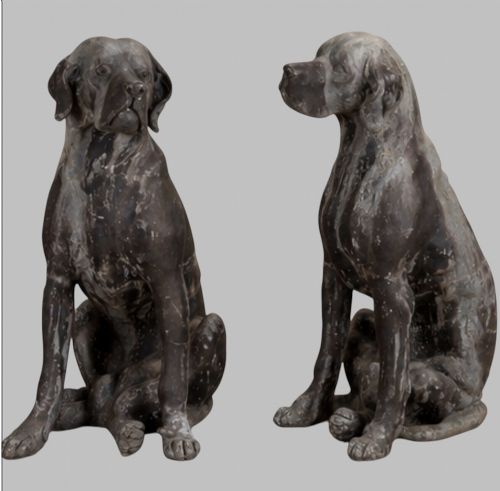
Certain pieces, such as life-size cast lead or terracotta hounds, are built for garden settings and withstand outdoor conditions.
Porcelain, spelter, and interior bronzes remain strictly suited for indoor display where temperature and moisture stay controlled.