
Vintage Horse Sculpture
A vintage horse sculpture captures the power and elegance of the animal in materials ranging from bronze to carved wood.
Vintage Horse Sculpture
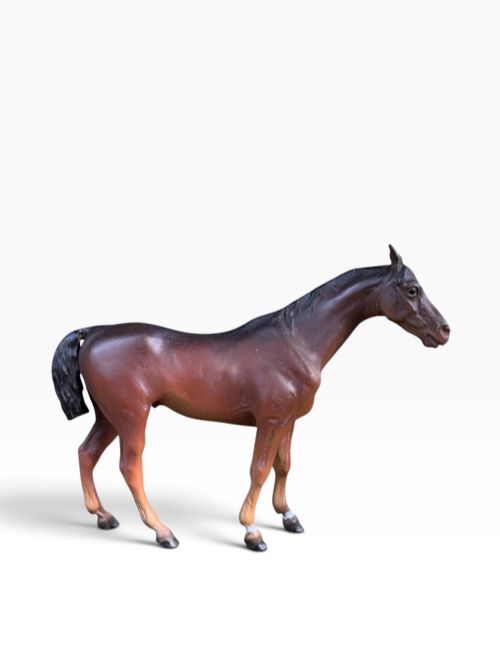
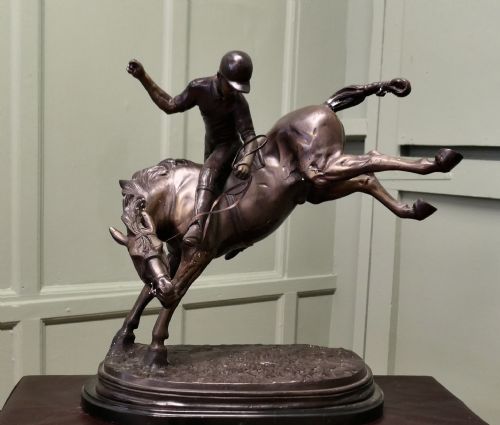
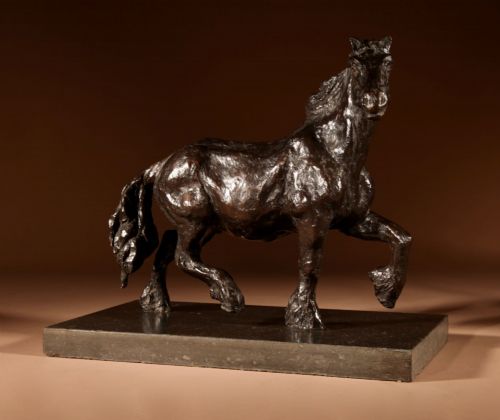
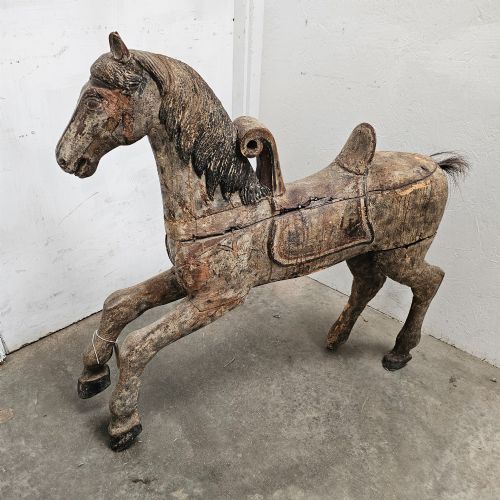
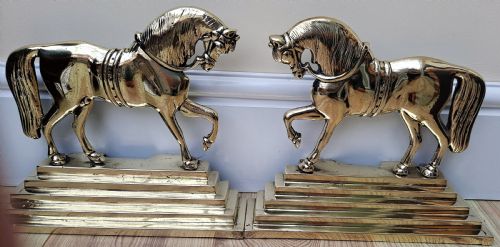
A vintage horse sculpture encompasses a broad range of forms, from weighty bronze animalier studies to naive painted wooden folk art. Buyers search for these pieces to bring character and a sense of movement into a room through depictions of stallions, polo players, and draft horses. The selection spans utilitarian objects like iron doorstops and hitching posts alongside pure decorative sculptures and carousel figures.
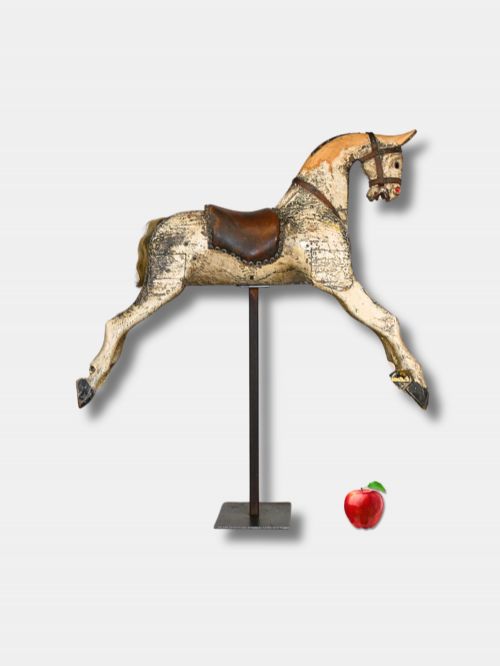
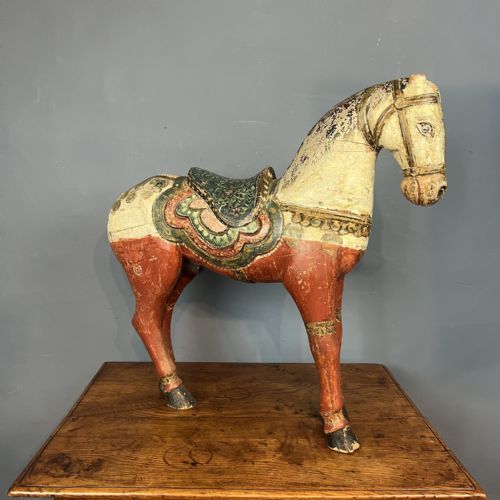
Pieces frequently originate from French, English, Italian, and Japanese studios across the nineteenth and twentieth centuries. The most common manifestations on this page are cast bronze animals, carved wooden carousel or rocking horses, and painted folk art models. Each category reflects the prevailing aesthetic of its period, moving from Victorian realism to early twentieth-century decorative styles.
Materials and construction
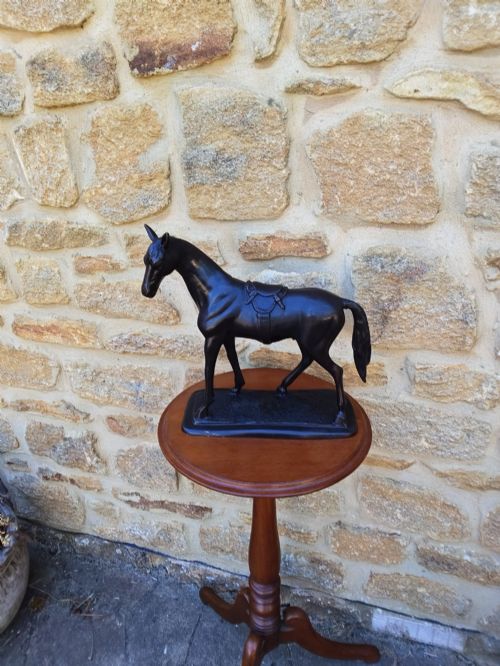
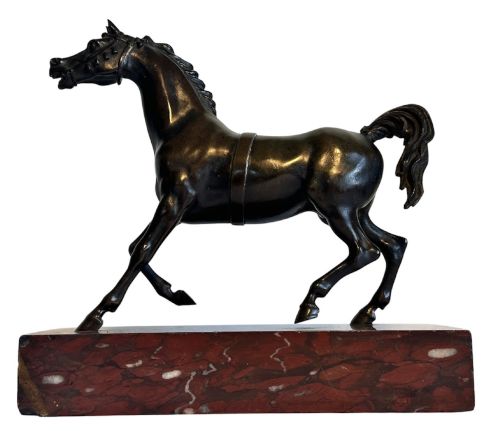
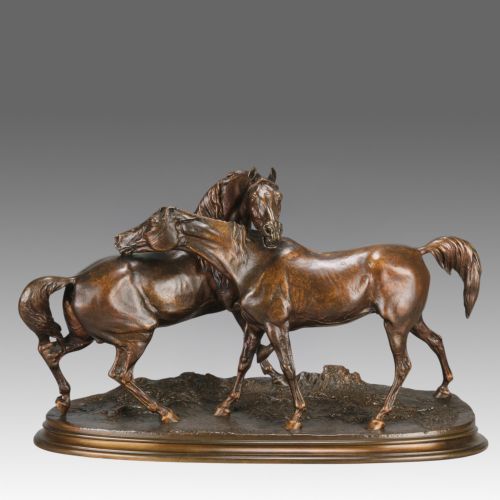
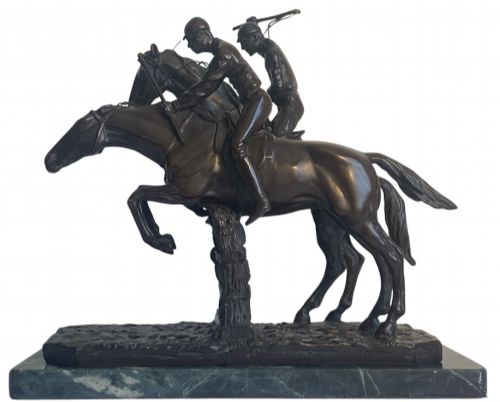
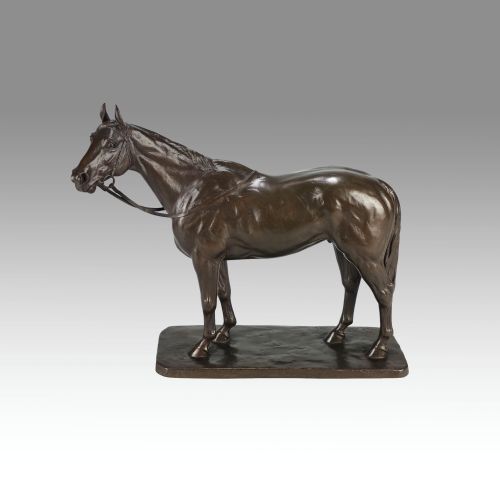
Foundry bronze is cast utilising traditional methods, often mounted upon marble plinths or bases to anchor the heavy metal figures. Artists capture musculature and tension by refining the hot metal or through detailed chasing after the pour.
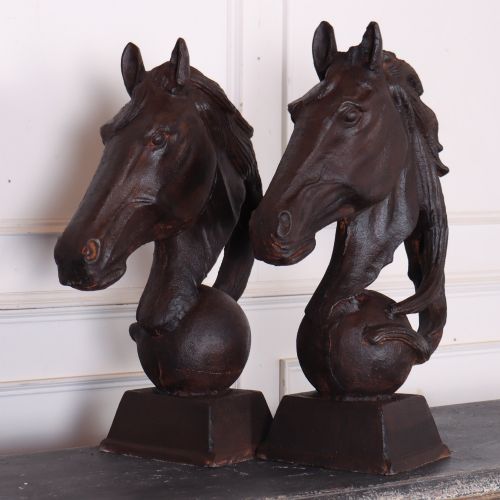
Wooden examples rely on hand carving, utilising solid timber that may retain original paint surfaces, leather bindings, or fabric elements. Cast iron and brass serve in more functional items such as doorstops and hitching posts, shaped through durable foundry work designed to withstand daily use.
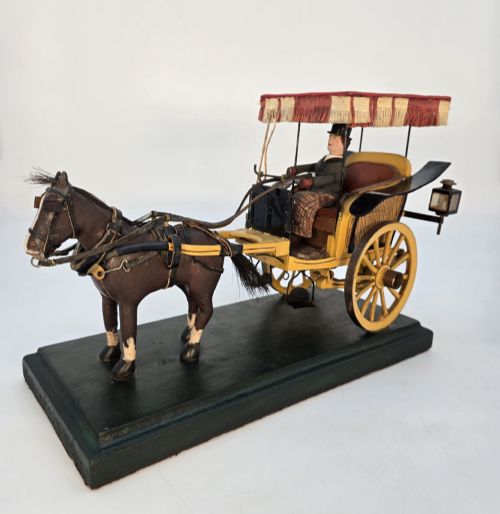
At least one horse is recorded pulling a Paris chaise carriage alongside its driver.
Assessing the pieces
Quality rests upon the fidelity of the anatomical rendering and the sensitivity of the surface finish. A superior bronze displays crisp detail in the musculature and mane, while a fine wooden carving shows confident, expressive tool marks rather than rigid symmetry.
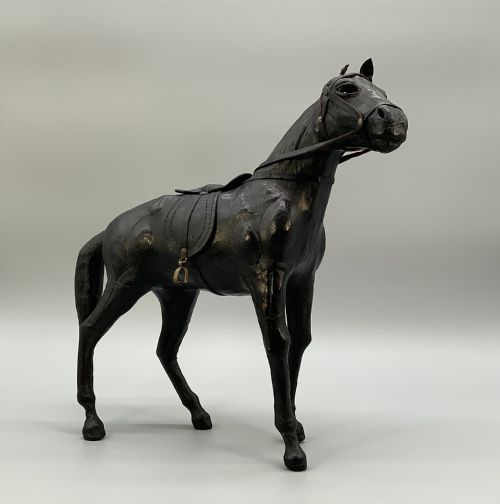
The integrity of the original surface finish dictates desirability, whether that involves patinated bronze, untouched old paint on folk art, or remaining leather work. Pieces that retain their original mounting bases, harness details, or maker signatures command stronger attention from collectors.
P J Mêne·Jules Bonheur·Kunio Itô·Isidore Jules Bonheur·Luigi Secchi·Pierre Lenordez·Takasetsu Onoda
The Vintage Horse Sculpture Glossary
- Animalier
- A nineteenth-century artistic movement focused on the realistic depiction of animals, particularly horses and hounds. French sculptors excelled in this genre, capturing dynamic motion in bronze.
- Folk Art
- Objects created by self-taught or traditional artisans, often naive in perspective and utilising accessible materials like wood and paint. These pieces emphasise charming character over strict academic proportions.
- Patina
- The surface sheen and coloration developed naturally over time through handling and age, or applied artificially by a foundry. It protects the metal and adds visual depth to sculptures.
- Doorstop
- A heavy utilitarian object, often cast in iron or brass, designed to hold doors open. In equine forms, these combine domestic utility with sculptural presence.
Vintage Horse Sculpture: Frequently Asked Questions
How do I identify a bronze animalier horse?
Animalier bronzes typically date from the nineteenth century and focus heavily on realistic anatomical detail and energetic poses. Look for foundry marks, artist signatures along the base, and a heavy marble or bronze plinth.
Examine the casting quality closely, as superior examples exhibit sharp details in the mane and musculature. The colour and depth of the patina also help indicate the age and origin of the cast.
What is the difference between folk art and studio horses?
Studio pieces, particularly those from French or Japanese foundries, prioritize academic realism, precise anatomy, and smooth patinated surfaces. They are often signed by known sculptors and cast from detailed clay models.
Folk art horses, conversely, are carved by naive or traditional makers using wood and paint. They emphasise charm, bold shapes, and original surface decoration over strict biological accuracy.
How were cast iron horse items used?
Cast iron horses on this page generally served functional roles as doorstops or hitching posts. Doorstops kept heavy interior doors propped open in large homes, while hitching posts stood outside to secure riding animals.
Over time, these utilitarian objects transitioned into decorative pieces prized for their heavy weight and industrial aesthetic. Their robust construction allowed them to endure harsh outdoor environments or heavy domestic use.
How do I care for a vintage wooden horse?
Wooden sculptures and carousel figures require stable indoor humidity levels to prevent the timber from splitting or warping. Keep them away from direct sunlight and strong heat sources to protect any original painted surfaces.
Dust the surface gently with a dry, soft cloth rather than utilising liquid cleaners or polishes. Preserving the integrity of old paint or dry wooden surfaces maintains the historical character of the piece.