



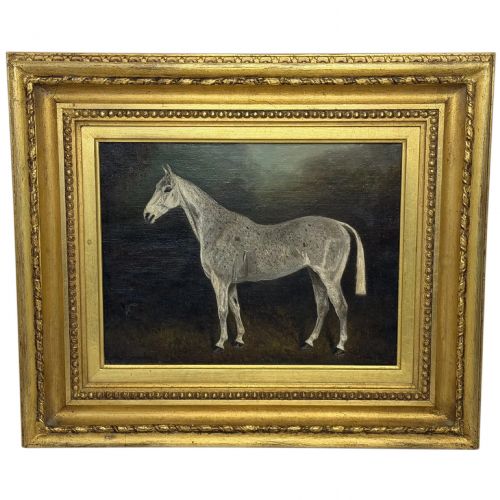
Vintage Horse Oil Painting
A vintage horse oil painting captures the enduring power and grace of the animal, bringing centuries of equestrian tradition directly to your wall.
Vintage Horse Oil Painting
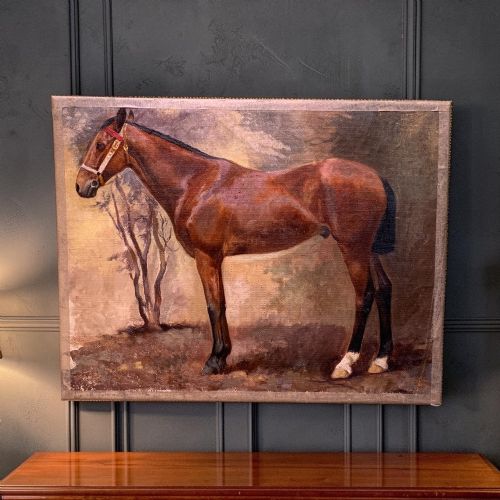
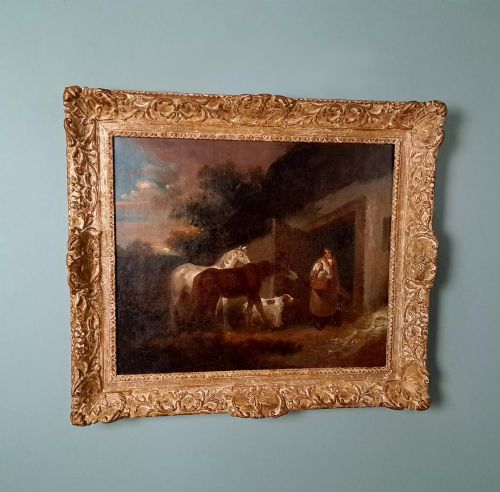
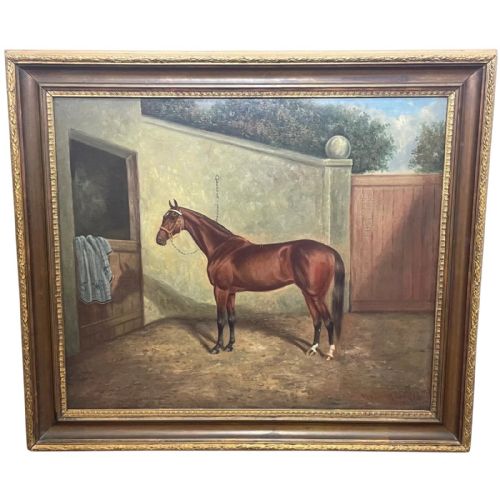
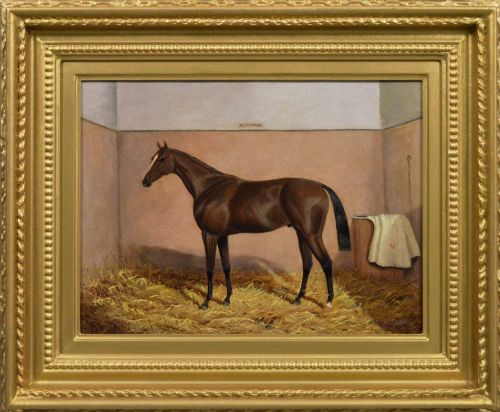
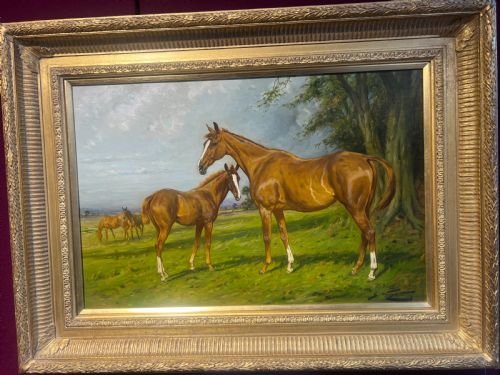
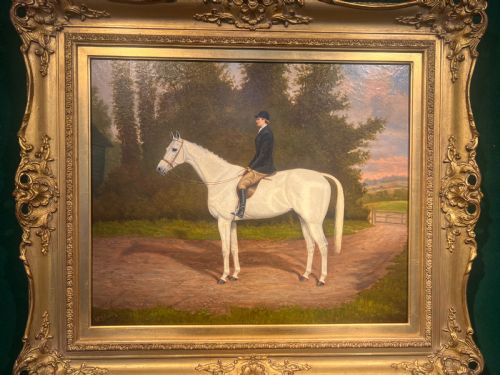
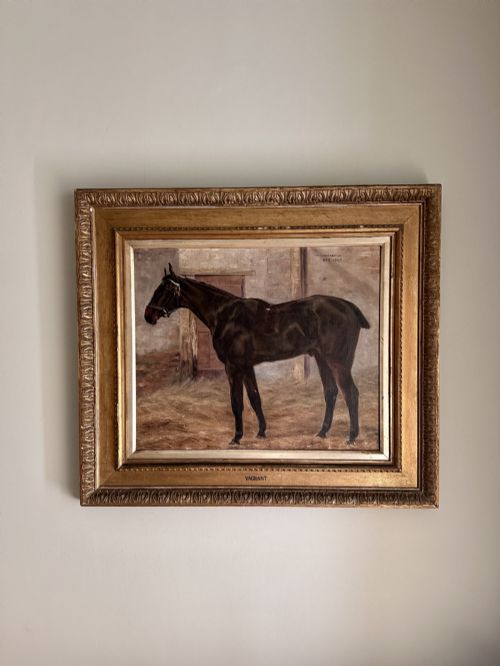
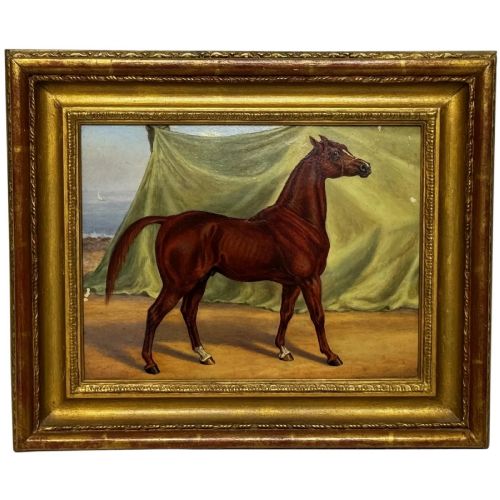
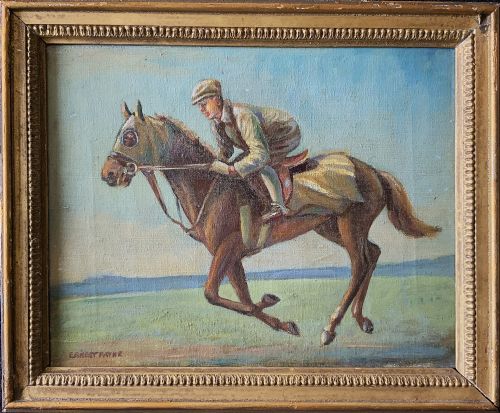
A vintage horse oil painting represents a rich tradition of equine art, spanning from strict nineteenth-century portraits to mid-century rural scenes. Buyers seeking this phrase encounter detailed studies of hunters, racehorses in paddocks, and working animals in pastoral landscapes.
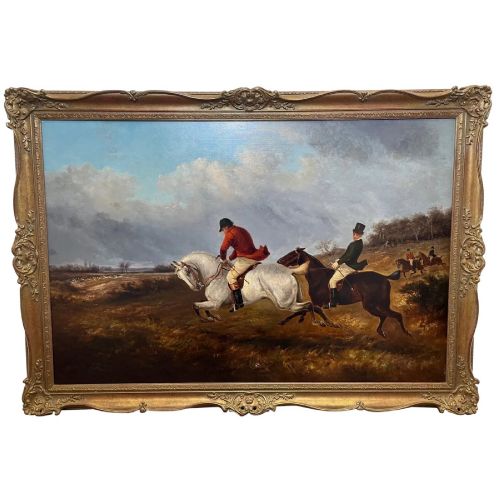
The selection ranges across Victorian sporting art, Edwardian coaching scenes, and mid-century British realism. Many pieces focus squarely on named champions and stable portraits, while others place the animal within expansive countryside views.
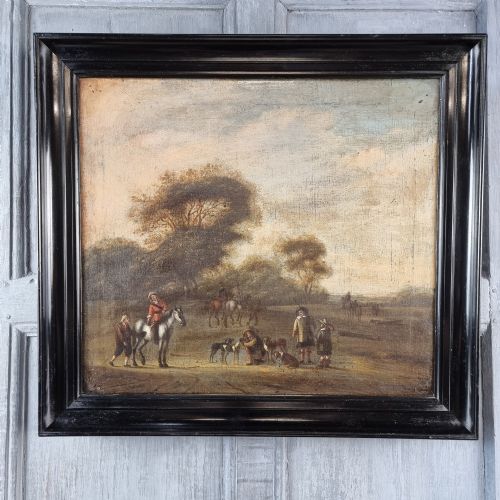
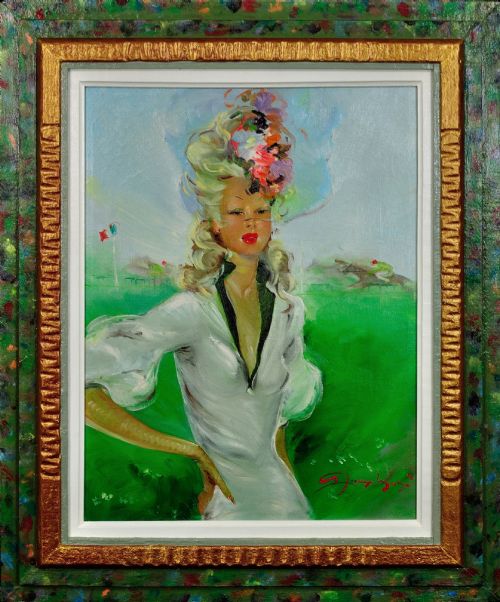
Works originate primarily from British and European schools, capturing both formal commissions for landed estates and more intimate depictions of childhood ponies. This variety allows collectors to choose between grand academic portraiture and softer impressionistic interpretations.
Materials and construction
These works are executed in oil paint, utilising either stretched canvas or wooden panels as a durable ground for the pigments. The medium allows for rich layering, subtle blending of coats, and deep shadow work in stable interiors.
Many surviving examples retain their original frames, constructed from wood and finished with applied gilt or giltwood. These ornate or simple surrounds protect the perimeter of the canvas and complement the warm tones of the equestrian subjects.
Materials recorded across the archive include oil paint applied to stretched canvas, wooden panels, and heavy board.
Assessing the standard
Quality rests heavily upon the artist's anatomical accuracy in rendering the horse, particularly in the musculature, posture, and intelligent expression of the eye. Superior pieces demonstrate a deep understanding of equine movement, whether the subject stands quietly in a stall or gallops across a hunting field.
The handling of light and texture within the background landscape or stable interior also separates standard decorative canvases from accomplished fine art. A skilled hand uses visible brushwork and layered glazes to create atmospheric depth behind the central animal.
Henry Barraud·William Joseph Shayer Senior·Thomas Smythe·Albert Clark·George Wright·Philip Rideout·Thomas Walker Bretland·Charles Walter Simpson
The Vintage Horse Oil Painting Glossary
- Canvas
- A heavy woven fabric stretched across a wooden frame to serve as a stable foundation for oil painting. It remains the most common support found in this category.
- Giltwood
- Wood carved and coated with a thin layer of gold leaf or metallic gilt paint. This material frequently frames period works to enhance their visual weight.
- Equestrian
- Pertaining to horses, horse riding, or the representation of horses in art. It defines the core subject matter of these sporting paintings.
- Impressionism
- A style of painting emphasising loose brushstrokes, shifting light, and overall visual impression rather than strict photographic detail. Several pieces in this group adopt these lighter techniques.
- Provenance
- The documented history of ownership and exhibition of a work of art. Established records link certain canvases directly to historic estates or notable galleries.
Vintage Horse Oil Painting: Frequently Asked Questions
How do I date a vintage horse oil painting?
Dating relies heavily upon the clothing styles of any human figures present, the cut of the horses' tack, and the construction methods of the stretcher frame. Signatures, dates inscribed on the reverse, and exhibition labels provide direct historical markers.
Stylistic shifts also help narrow the timeline, moving from the precise realism of nineteenth-century sporting art to the looser brushwork of mid-century British realism. Comparing the signature to known records of active painters clarifies the period further.
Where were these paintings originally displayed?
Many of these works hung in the country houses, hunting lodges, and estate offices of landowners who commissioned portraits of their prize hunters and racehorses. Others decorated domestic interiors as expressions of a broader rural and sporting lifestyle.
Smaller panel paintings and informal studies were often kept in private studies or stable blocks. Today, they transition easily into modern living spaces, serving as focal points above mantelpieces or in hallways.
What is the difference between a portrait and a landscape?
An equine portrait places the horse as the central subject, often shown in profile against a simple background or standing within a defined stable interior. The focus remains squarely on the conformation and identity of the specific animal.
An equestrian landscape integrates the horse into a wider setting, such as a hunting field, coaching route, or rural farmyard. In these works, the environment and the human activity share equal importance with the animals.
How should I care for an oil on canvas?
Keep the painting away from direct sunlight and sources of extreme heat to prevent the canvas from sagging and the oil paint from cracking. Maintain a stable room temperature and moderate humidity to protect both the wooden stretcher and the paint layer.
Dust the surface very gently with a soft, dry brush, avoiding any damp cloths or cleaning solutions. If the canvas requires deeper cleaning or conservation, consult a professional restorer rather than attempting repairs at home.