




Vintage Horse Drawing
A vintage horse drawing captures the movement and power of horses through the direct hand of an artist working in pencil, pastel, or ink.
Vintage Horse Drawing
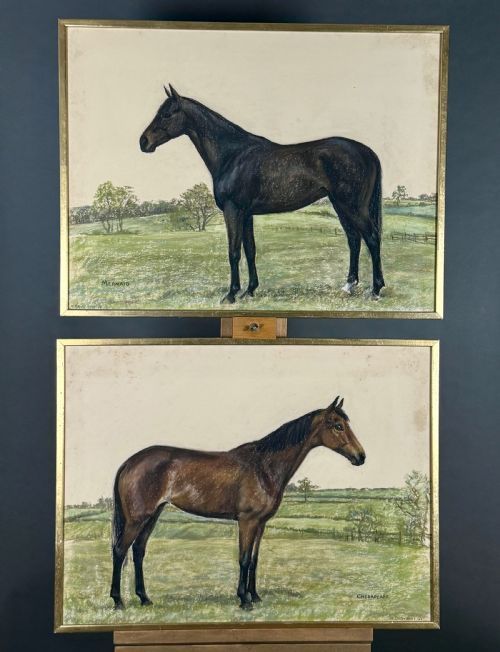
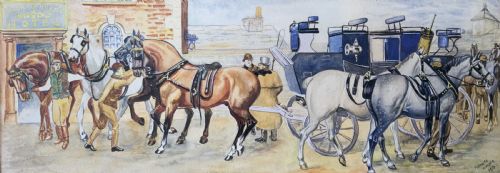
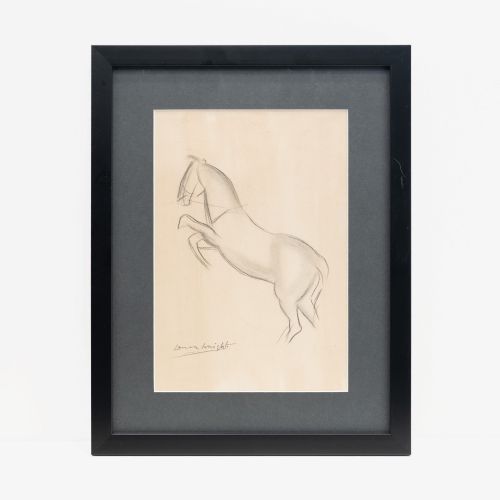
When searching for a vintage horse drawing, collectors encounter works spanning the nineteenth and twentieth centuries, executed in media such as pastel, chalk, pencil, and ink on paper. These pieces range from rapid field sketches of equestrian subjects to finished cabinet drawings and framed studies of racing, coaching, and rural work.
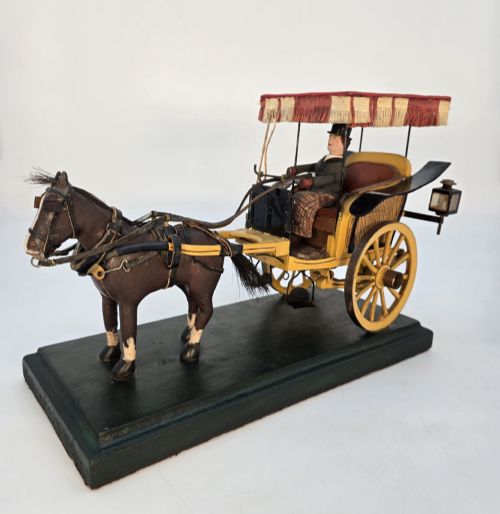
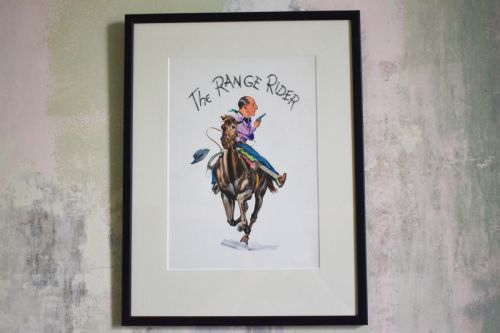
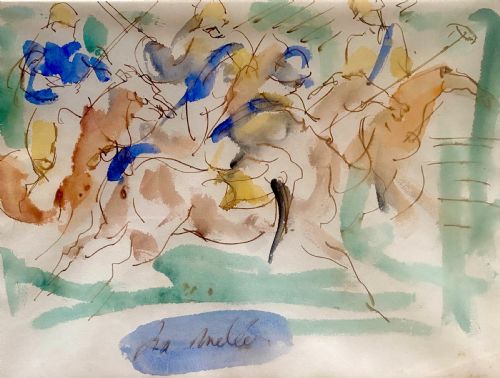
The selections available include works by named artists associated with English and European schools, alongside vernacular folk art pieces and anonymous studies. Subjects extend from individual portraits of grey arab stallions and polo matches to bustling street scenes featuring coaches, carts, and cabs.
Framing varies considerably, with many drawings presented in period oak or walnut frames that complement the age and origin of the paper. Whether handling a detailed racing scene or a loose chalk sketch, buyers find works that reflect changing artistic approaches to animals across the decades.
How they were made
Artists working on paper relied on traditional drawing materials such as graphite, charcoal, coloured chalk, and pastel, often applying them to tinted or heavy-weight papers to achieve tonal depth. Watercolour and ink washes frequently supplemented linear marks to define shadow and atmosphere in equestrian studies.
Framing materials reflect the period of production, utilising timber such as oak and walnut alongside specialised mounts to protect fragile works on paper from direct contact with glass.
Materials span paper, glass, wood, watercolour, ink, iron, oil on canvas, and oak.
What varies in quality
Quality in these drawings rests on the surety of the draughtsmanship and the artist's ability to render the anatomy and kinetic energy of the horse convincingly. Works by accomplished painters and illustrators demonstrate a confident economy of line that separates them from rigid or hesitant amateur productions.
The preservation of the paper and the vibrancy of fugitive pigments like pastels and watercolours heavily influence desirability. Clean sheets free from heavy foxing or fading command greater attention from serious collectors.
Dame Laura Knight·John Rattenbury Skeaping·Cecil Charles Windsor Aldin·Eduard Leon Cortes·Samuel Henry Alken
The Vintage Horse Drawing Glossary
- Pastel
- A dry medium composed of powdered pigment and a binder, producing velvety colours on paper. These works require careful framing behind glass to prevent smudging.
- Folk art
- Artistic work created within a traditional culture by self-taught makers, often displaying a charming disregard for formal academic perspective. Pieces in this category emphasise direct expression over precise anatomical realism.
- Equestrian study
- An artwork focused specifically on the depiction of horses, ranging from anatomical sketches to dynamic action scenes involving riders or carriages. These studies capture the animal in various gaits and working environments.
- Chalk drawing
- A technique utilising soft calcareous material to build up tones and highlights on tinted paper. Artists frequently used this method to capture rapid movement in field conditions.
Vintage Horse Drawing: Frequently Asked Questions
How should I frame an antique drawing?
Works on paper require conservation mounting with acid-free materials to prevent chemical degradation over time. Keeping the drawing away from direct sunlight protects vulnerable pigments from fading.
Using spacers ensures the glass does not touch the surface of a pastel or chalk drawing, which prevents the medium from adhering to the glazing.
What periods do these drawings cover?
The available selection spans from the nineteenth century through the mid-twentieth century, encompassing Victorian, Edwardian, and later modernist approaches.
Earlier nineteenth-century works often focus on coaching and rural labour, while twentieth-century pieces lean towards racing and expressive portraiture.
Are these drawings signed by the artists?
Many pieces feature signatures or monogram stamps from professional artists and illustrators working within established schools. Other examples remain anonymous vernacular works created outside formal academic circles.
Signed pieces often provide a direct link to known illustrators of sporting and equestrian life from the period.
What is the difference between pastel and watercolour?
Pastel is a dry drawing medium applied as a powder bound into sticks, offering rich, opaque colour and soft blended transitions. Watercolour uses finely ground pigments suspended in a water-soluble vehicle, creating transparent washes.
Drawings sometimes combine both media, using ink outlines with watercolour washes or chalk highlights over pastel.