


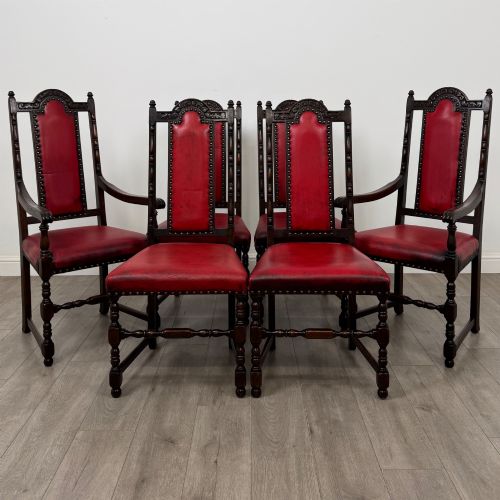
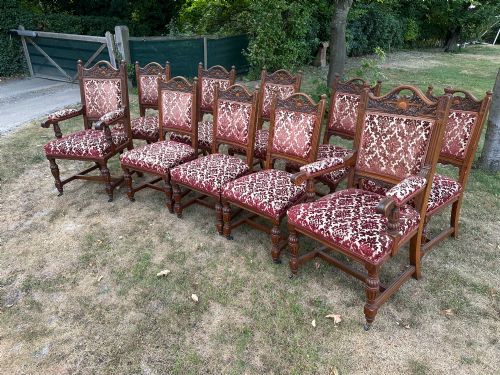
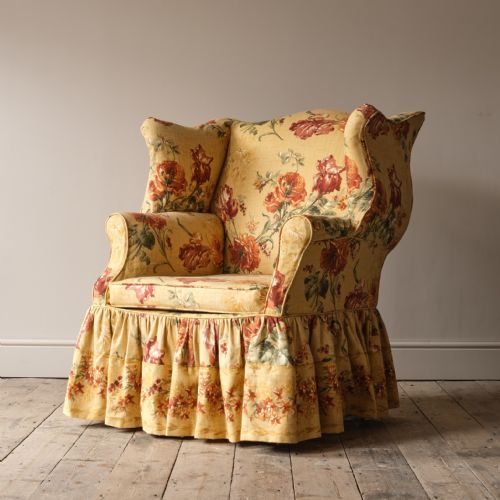
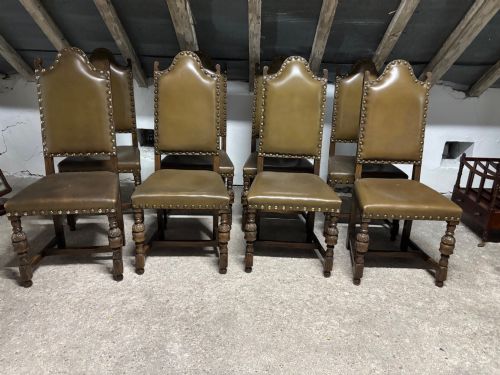
Vintage High Chair
A vintage high chair offers sturdy practicality for children, rooted in domestic history through robust timber construction.
Vintage High Chair
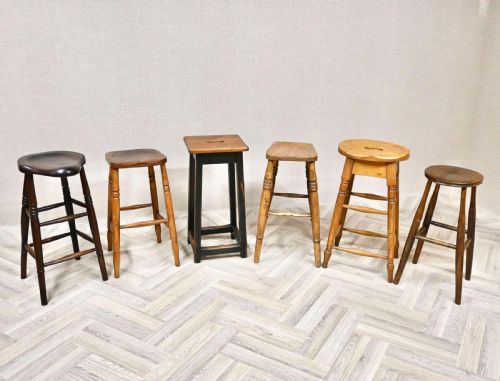
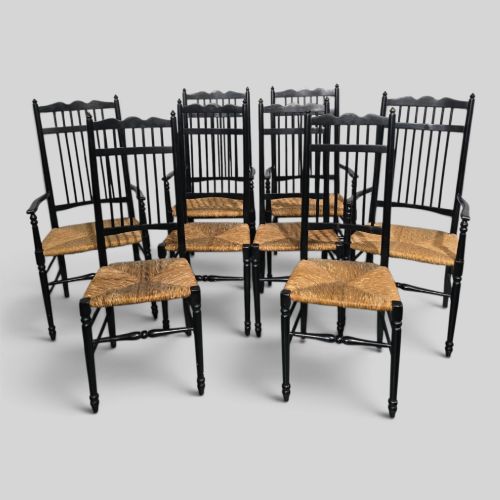
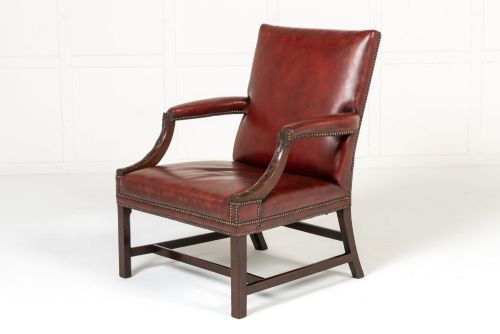
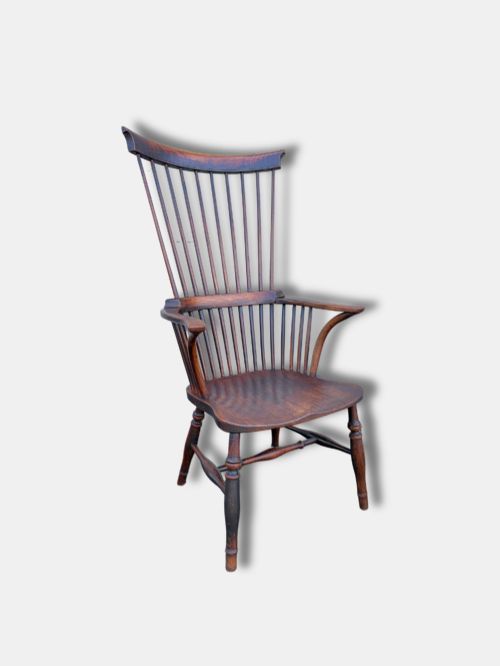
A vintage high chair brings children's domestic seating into the present, drawing from domestic utility and nursery traditions across the nineteenth and early twentieth centuries. These pieces appear alongside broader seating forms like bar stools and kitchen armchairs.
The selections span utilitarian workshop creations to formal domestic furniture, reflecting the diverse periods of manufacture recorded in the archive. Each piece demonstrates how past households accommodated young children at family tables.
Construction and materials
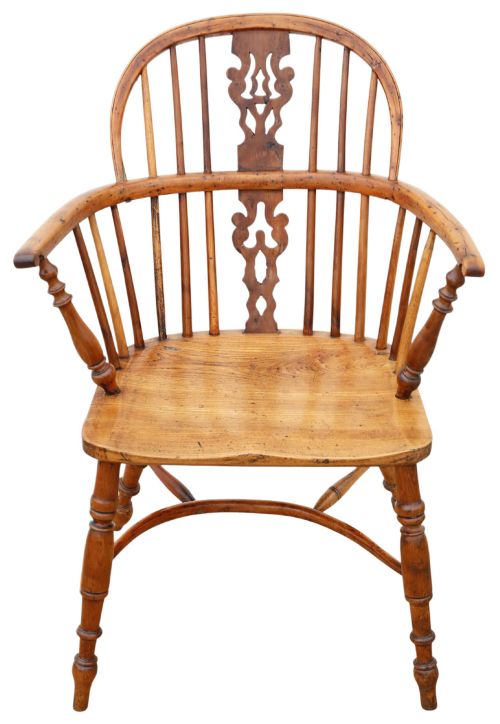
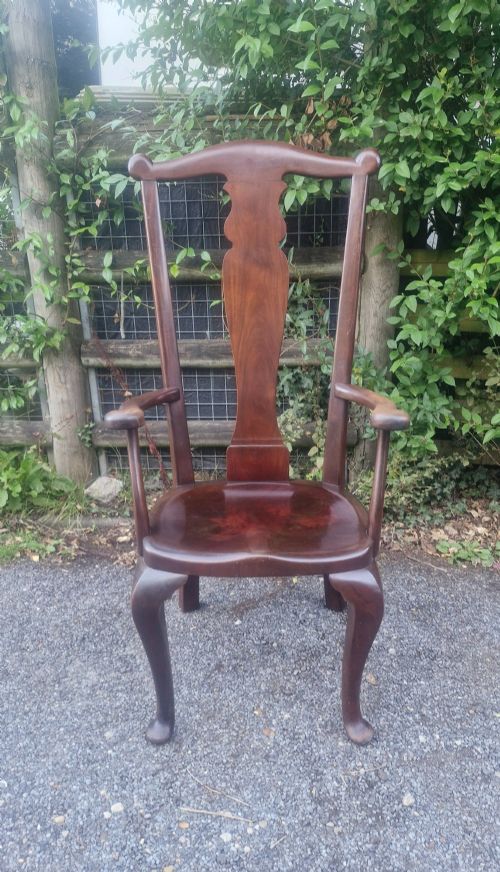
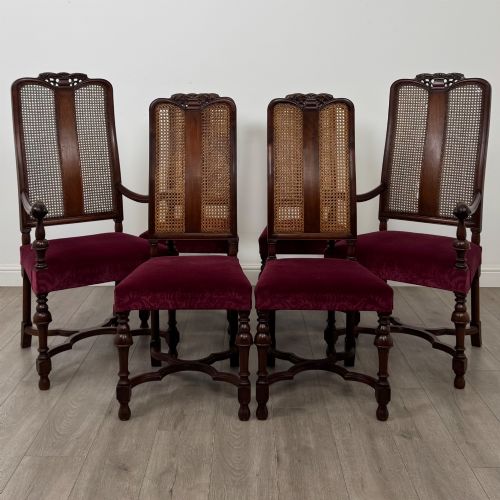
Makers utilised durable timbers such as oak, elm, and mahogany, often combining contrasting woods for structural integrity and visual depth. Joinery methods relied on traditional pegging, turning, and framing techniques suited to heavy daily use.
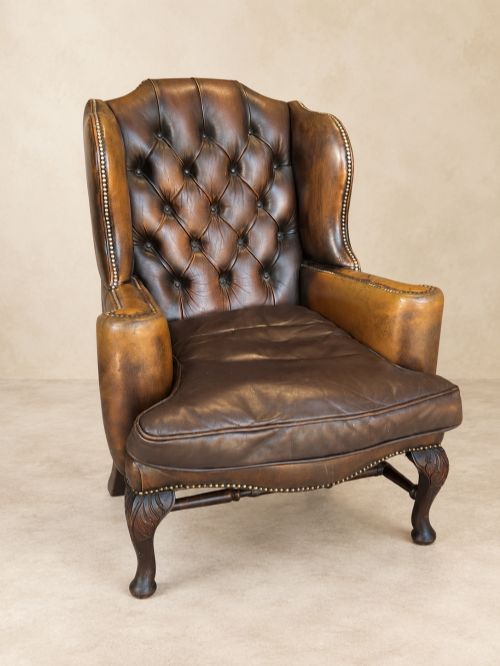
Surfaces frequently display natural grain patterns enhanced by simple polishing or waxing, maintaining the integrity of the original material without excessive alteration.
Listings incorporate timber varieties such as oak, mahogany, elm, and yew across nineteenth and twentieth-century periods.
Judging the range
Quality rests in the subtlety of the timber selection and the precision of the joinery rather than decorative excess. Finer examples show thoughtful proportion and careful shaping of spindles or arm supports.
Stability and the preservation of original surfaces distinguish superior specimens from utilitarian pieces that have endured heavy alterations or structural repairs over decades.
Liberty Morris And Co
The Vintage High Chair Glossary
- Elm
- A tough, interlocking timber commonly utilised for chair seats and bending parts due to its resistance to splitting.
- Windsor
- A chair construction method where legs and back spindles are fitted directly into a solid wooden seat.
- Edwardian
- A stylistic period spanning the early twentieth century, noted for revivals of earlier eighteenth-century designs.
- Barley twist
- A carved spiral decorative detail turning wooden furniture legs and supports.
- Carver
- An armchair, traditionally larger and more elaborate than accompanying dining chairs.
Vintage High Chair: Frequently Asked Questions
How were they used?
These chairs elevated young children to table height for family meals, providing secure seating within domestic kitchens and dining rooms.
Their robust construction allowed them to withstand daily nursery use and the vigorous habits of infants.
How to live with them?
Integrate these pieces into modern kitchens or dining spaces as functional seating or decorative focal points.
Maintain the timber surfaces with occasional gentle waxing to preserve the natural finish against everyday wear.
How to tell periods apart?
Examine the timber species, joinery methods, and underlying stylistic revivals present in the framing.
Earlier nineteenth-century examples often display simpler turned elements, while Edwardian pieces frequently adopt historical revival motifs.
Are they safe for children?
Original vintage examples were built to historical safety standards and often lack modern restraint systems.
Collectors typically appreciate them as decorative items or historical objects rather than for active daily nursery use.