


Wooden Metamorphic Chair
A wooden metamorphic chair shifts from a comfortable seat into a set of steps or a high chair, offering dual purpose for domestic life.
Wooden Metamorphic Chair
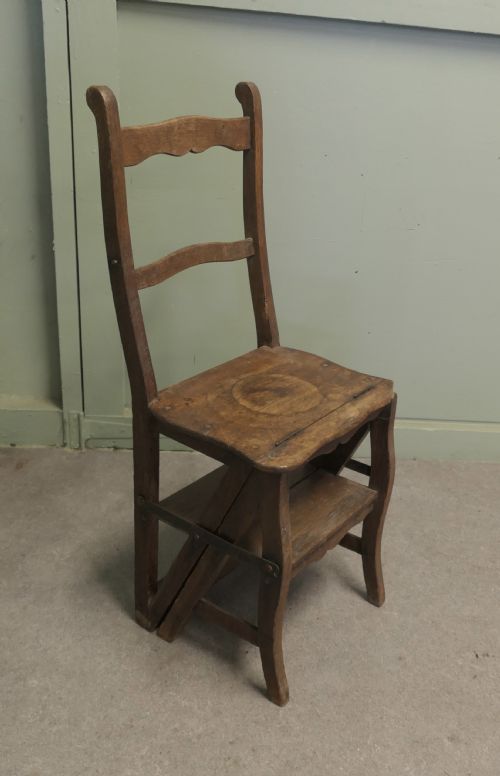
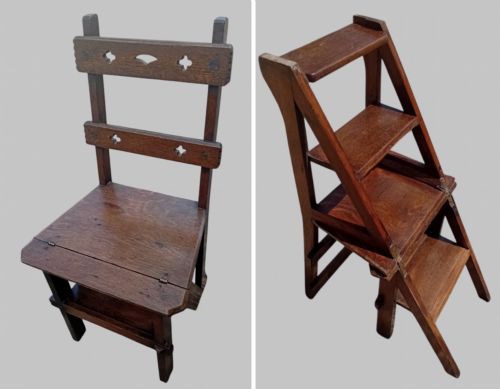
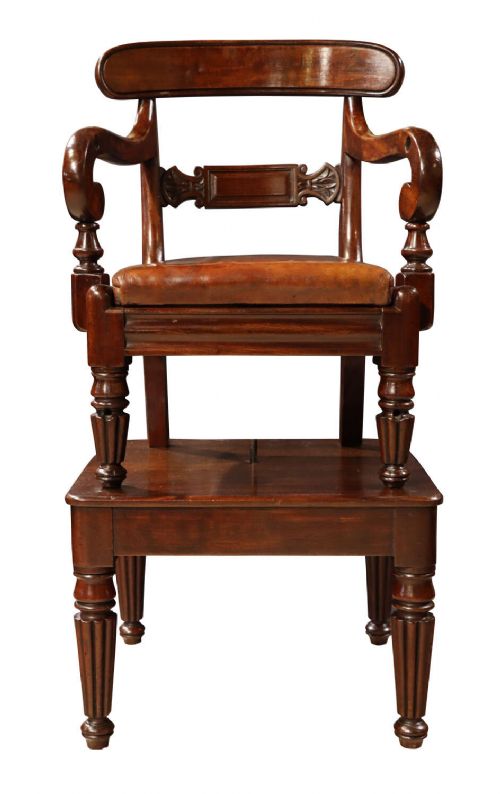
A wooden metamorphic chair serves a dual domestic purpose, transforming from a seat into library steps or a child's high chair with simple mechanical adjustments. When searching for a wooden metamorphic chair, buyers encounter ingenious seating designs that date from the Georgian period through the Edwardian era, including Victorian and Regency examples.
The most common forms on this page include library armchairs that unfold into sturdy steps and children's high chairs that convert for lower seating. These pieces emerge in styles ranging from Gothic Revival and Arts and Crafts to French Country, reflecting the practical ingenuity of past cabinetmakers.
Makers utilised various functional mechanisms to allow the transformation without compromising stability when sat upon. The integration of hinges, pivots and sliding sections defines the character of these clever household furnishings.
Materials and construction
Cabinetmakers constructed these convertible forms primarily using dense timbers such as mahogany, oak and beech, ensuring the frames could bear weight in both configurations. Hardwood components provide the structural rigidity necessary for frequent folding and unfolding.
Secondary materials such as brass fittings, iron hinges and leather upholstery support the mechanical transitions and provide durable seating surfaces. Cane and wood slats also appear in specific child and library variations to reduce weight.
Some library armchairs double as stairs, allowing scholars to reach high shelves without leaving their seats.
Judging quality and execution
Superior examples display seamless integration of the mechanical joints, where hinges and pivots remain discreetly fitted into the wooden framework without disrupting the clean lines of the chair. Lesser pieces often reveal clumsy ironwork or loose joints that struggle to maintain rigidity in either position.
The choice of timber and the crispness of stylistic carvings, such as Gothic tracery or Regency reeding, separate standard utilitarian items from finer cabinetmaker productions. A well-executed metamorphic action operates smoothly and locks securely into place without excessive play.
The Wooden Metamorphic Chair Glossary
- Metamorphic furniture
- Pieces designed to transform from one type of object into another, such as a chair turning into library steps. This clever ingenuity saved space in compact historic rooms.
- Library steps
- A set of portable stairs used to reach high bookshelves before the widespread adoption of fitted library ladders. They frequently incorporated folding mechanisms.
- Gothic Revival
- A design style drawing inspiration from medieval architecture, featuring pointed arches and trefoils. This aesthetic frequently appears on nineteenth-century library furnishings.
- Arts and Crafts
- A movement prioritising traditional craftsmanship and visible construction over industrial mass production. Pieces from this tradition often highlight the natural grain of oak.
Wooden Metamorphic Chair: Frequently Asked Questions
How do metamorphic chairs work?
These seats utilise hidden hinges, pivots and sliding joints that allow the backrest or seat sections to swing open and reconfigure into a stable flight of steps. The transformation relies on precision woodworking to ensure the weight distributes safely in each position.
Users simply release the locking catches and guide the wooden frame into its alternative form. The engineering ensures the piece remains rigid whether used for sitting or climbing.
Were these chairs meant for home libraries?
Library armchairs served a dual purpose in private studies, providing comfortable seating by the fire while remaining ready to assist readers reaching top-shelf volumes. Their clever design kept functional stairs hidden inside normal furniture.
This eliminated the need for bulky separate step stools in well-appointed rooms. Owners could retrieve books without fetching additional equipment.
How do I identify a Georgian metamorphic chair?
Georgian examples typically feature rich mahogany timbers, understated classical proportions and precise joinery that conceals the folding mechanism with great skill. The styling aligns with the architectural tastes of the eighteenth and early nineteenth centuries.
Cabinetmakers of this period focused on refined silhouettes that did not betray their secret function. Subtle releases and pegs allowed the transformation to occur smoothly.
Can children's metamorphic chairs still be used?
Historic children's high chairs that convert into lower play seats were built from robust hardwoods like beech and oak to withstand daily nursery use. While they possess solid construction, modern safety standards differ significantly from past centuries.
Collectors generally treat these convertible child items as decorative display pieces rather than practical seating for infants. Their historical mechanisms remain fascinating to study up close.