




Vintage Heraldic Crest
A vintage heraldic crest brings centuries of family lineage, civic pride and institutional history straight onto the wall.
Vintage Heraldic Crest
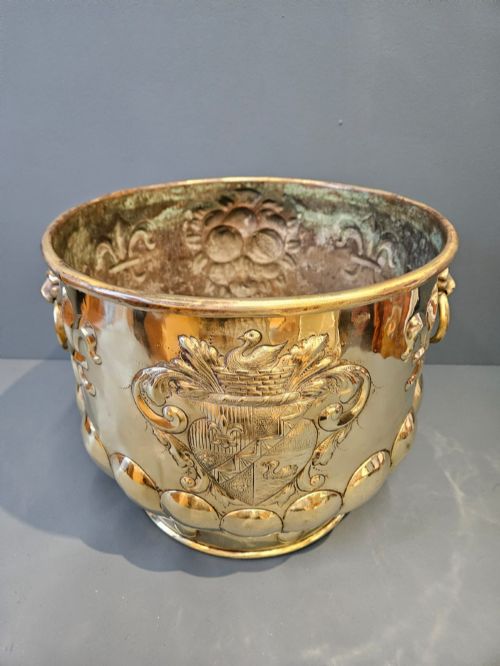
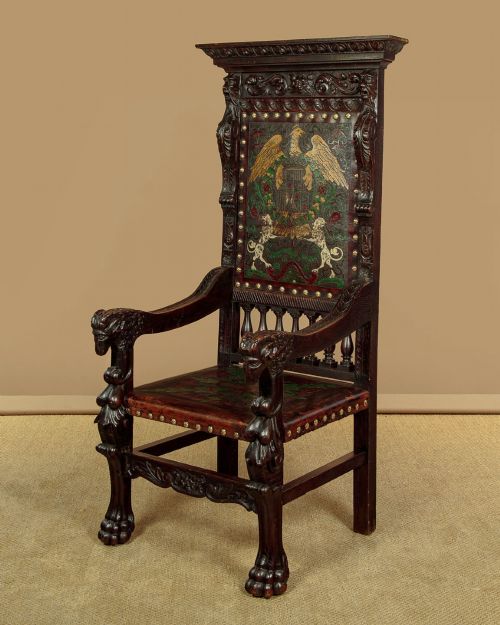
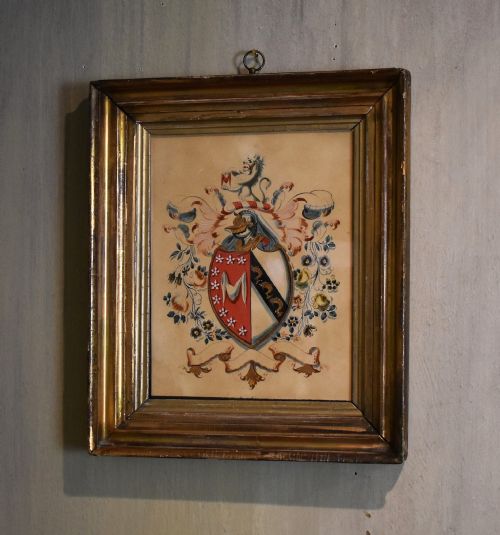
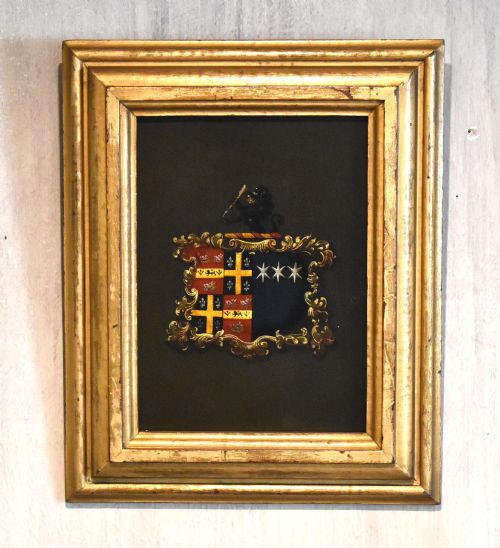
A vintage heraldic crest encompasses wall plaques, shields, carved armorial panels and cast iron emblems originating from the nineteenth and early twentieth centuries. These objects display coats of arms, mottoes and insignia linked to railway companies, civic bodies, military branches and private families.
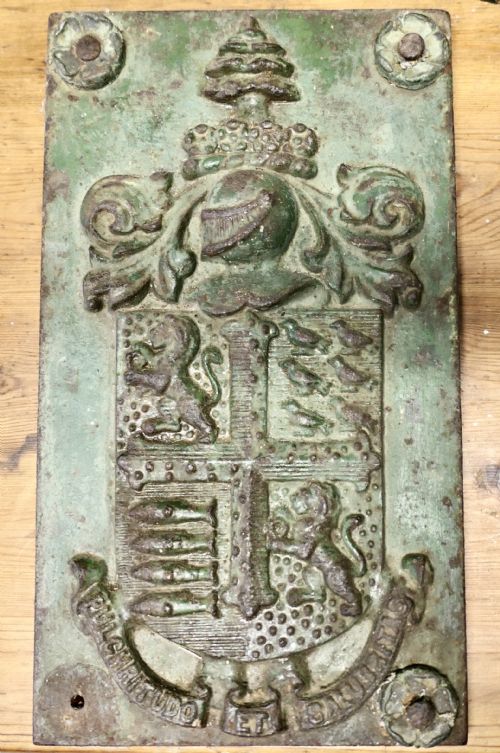
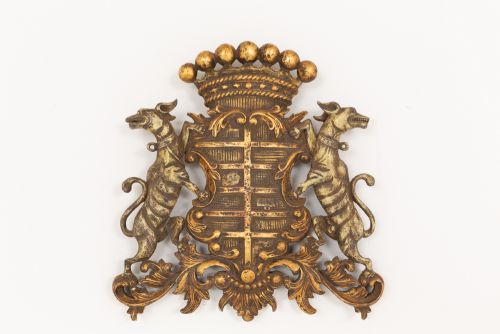
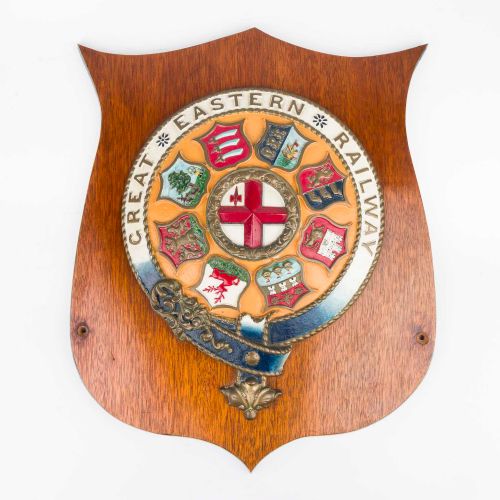
The version most commonly met on this page is the cast iron or brass wall plaque, alongside carved hardwood armorial shields and painted panels. Such pieces functioned as symbols of authority, railway pride or domestic lineage across Victorian, Edwardian and mid-century interiors.
Materials and construction
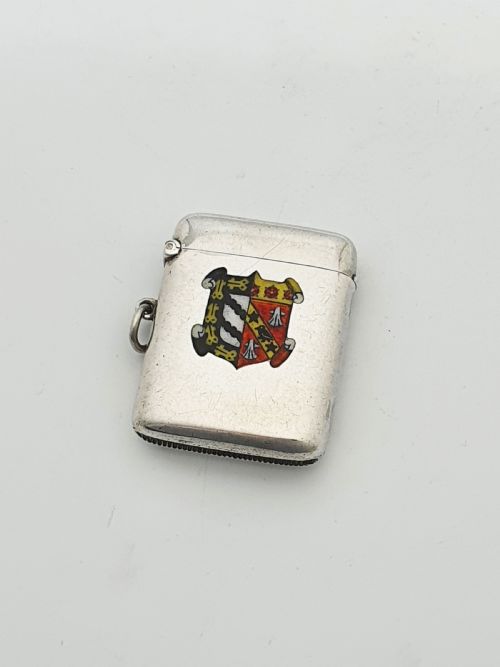
Makers utilised durable metals like brass, cast iron, bronze and sterling silver, frequently combining them with oak or mahogany backplates. Items range from heavy cast iron royal coats of arms to embossed and chased brass fire screens and delicate enamel details on silver vesta cases.
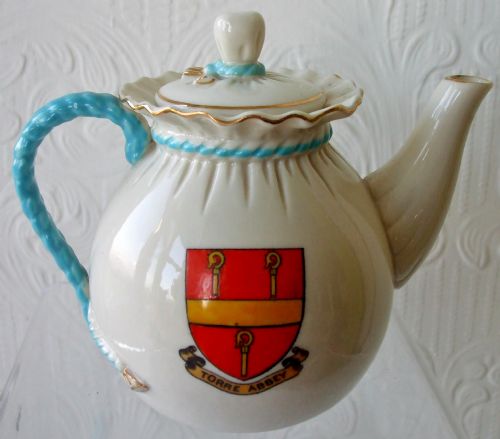
Surface finish relies on traditional techniques such as hand painting, gold leaf application, polychrome enamelling and carved hardwood detailing. Glass windows incorporate hand-painted designs, while ceramics utilise porcelain and faience bodies decorated with armorial crests.
Several crests owe their existence to locomotives that once steamed across British and South African railways.
Assessing quality
Quality rests upon the crispness of the casting or the depth of the wood carving, where sharply defined armorial bearings and legible mottoes distinguish superior output. Hand-painted heraldic panels and enamelled glass pieces show distinct gradations in artistic precision and the complexity of the polychrome palette.
The choice of substrate also determines merit, moving from utilitarian cast iron public plaques to finely chased brass, solid oak shields and precious metals set with gemstones. Integrity of original surfaces, paint layers and gilding preserves the historical character of each emblem.
Taye Kenning and Spencer Ltd·Roger Guerin·Chamberlain Worcester·W.H. Goss
The Vintage Heraldic Crest Glossary
- Armorial
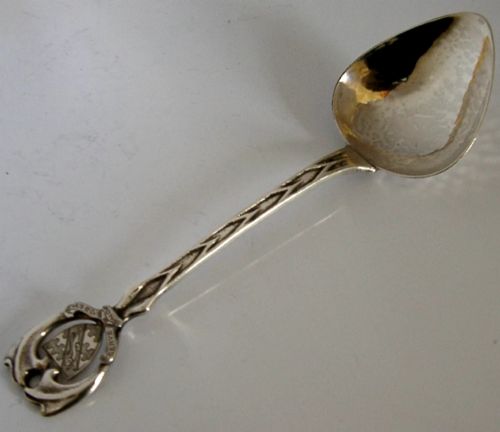
- Relating to heraldry or a coat of arms. These motifs appear across shields, plaques, silver spoons and ceramics.
- Historismus
- A nineteenth-century German and continental style reviving historical epochs, seen here in enamelled roemers and decorative vessels. This movement drew heavily upon medieval and Renaissance visual vocabulary.
- Chased
- Metalwork decorated by hammering from the front to sink the design. This technique adds relief and texture to brass and bronze plaques.
- Intaglio
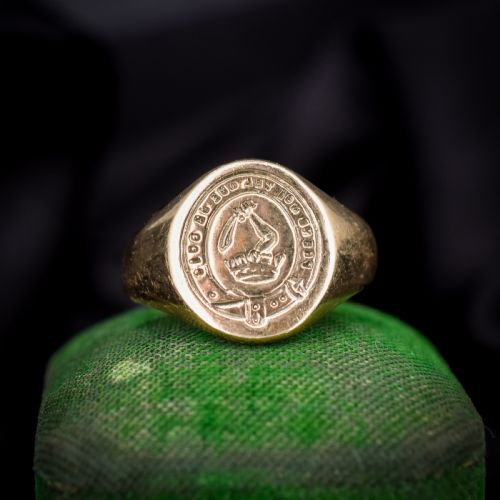
- A design engraved into the material so that the impression sinks below the surface. Signet rings frequently employ this method for sealing wax.
- Faience
- Tin-glazed earthenware produced across Europe. Large German tankards and jugs often utilise this technique for polychrome pictorial surfaces.
Vintage Heraldic Crest: Frequently Asked Questions
What is a heraldic crest?
A heraldic crest forms the uppermost component of a full coat of arms, traditionally displayed on a helmet or wreath. In decorative arts, the term commonly describes any armorial shield, emblem or family badge.
These designs encode historical lineage, civic affiliation or institutional identity through specific graphical symbols and mottoes.
Where were these plaques displayed?
Cast iron and brass plaques originally appeared on public buildings, railway locomotives, stations and institutional headquarters to denote authority and ownership. Smaller wooden shields and painted panels decorated private libraries, halls and domestic interiors.
Railway companies and government bodies utilised them to brand rolling stock and official properties.
How do I date a cast iron crest?
Dating relies on stylistic indicators, manufacturing techniques and the historical context of the issuing body or railway company. Victorian and Edwardian examples often bear distinct foundry marks or patent details associated with nineteenth-century metalwork.
Comparing the typography of mottoes and the composition of the armorial bearings against known historical periods narrows the era of production.
How do I hang a heavy iron shield?
Heavy cast iron and bronze wall plaques require secure fixings anchored directly into structural wall studs or masonry using appropriate wall plugs. The weight demands sturdy brackets or concealed rear mounting points designed to support dense metal objects safely.
Ensuring the load is evenly distributed protects both the wall and the integrity of the antique plaque.