


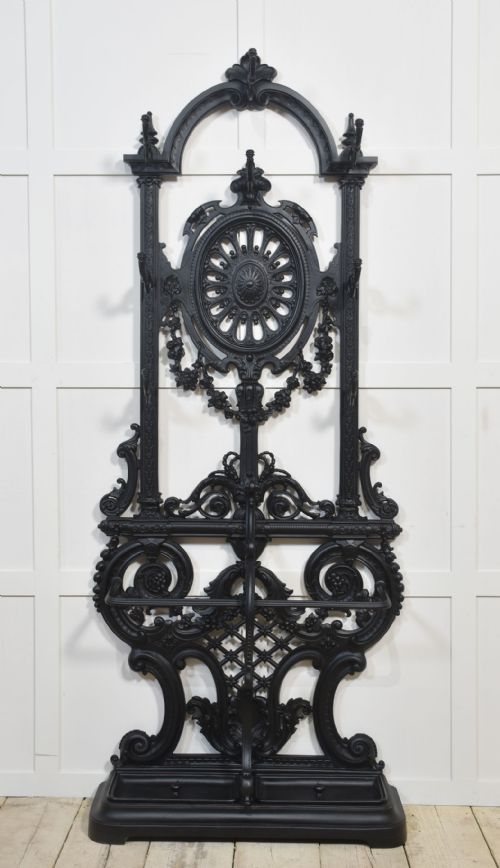

Vintage Hat Holder
These vintage hat holder pieces organise headwear and accessories with period character, offering practical storage for your hallway or dressing room.
Vintage Hat Holder
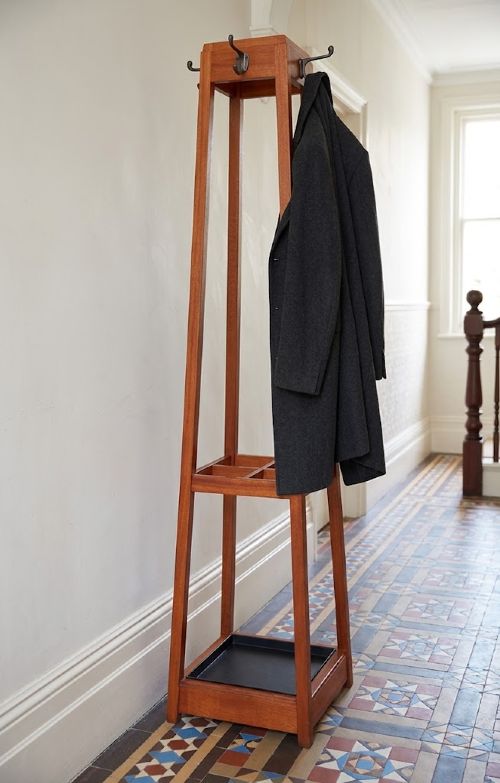
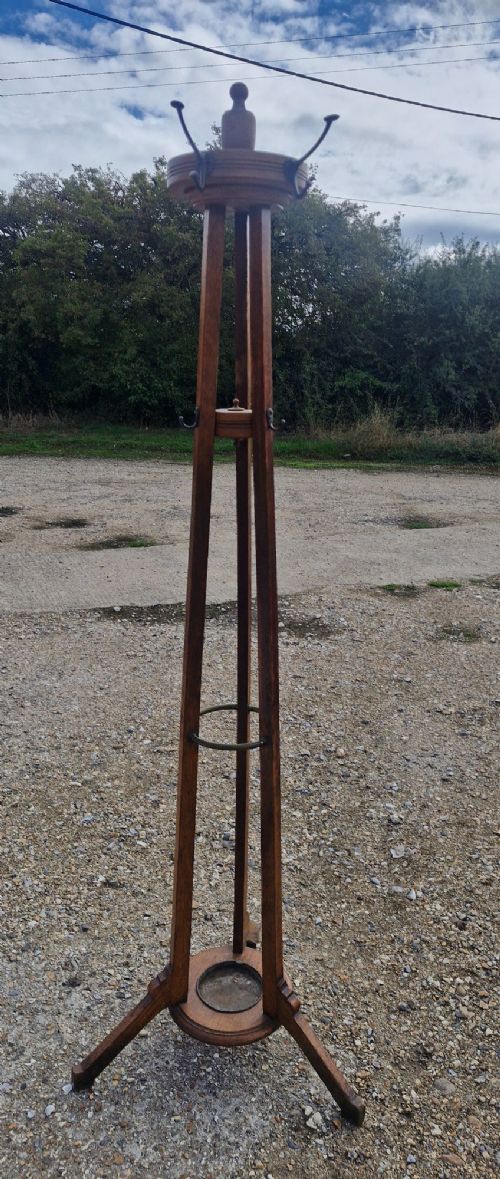
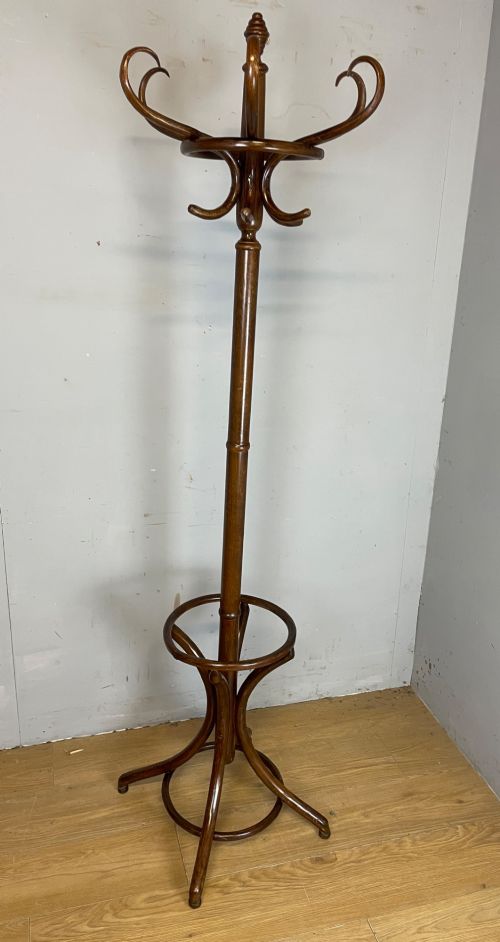
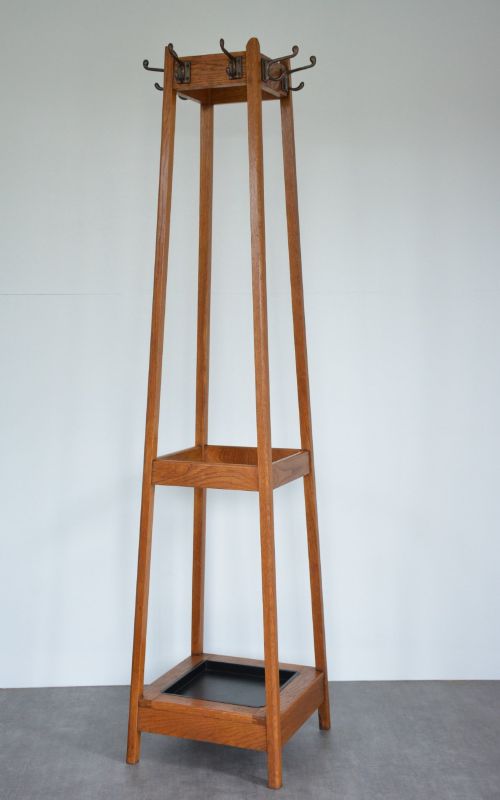
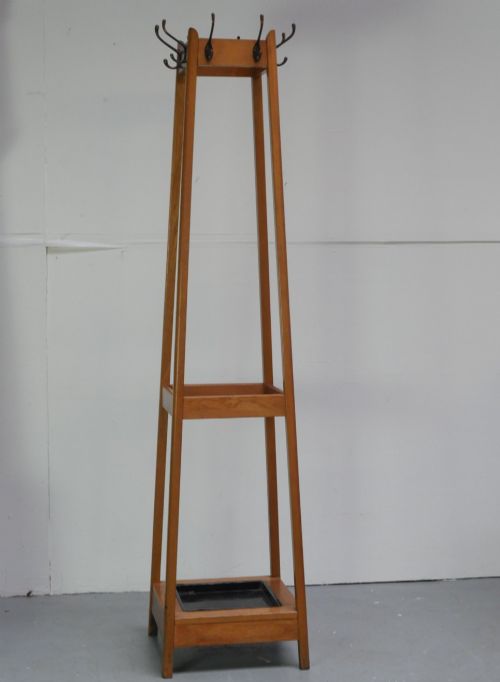
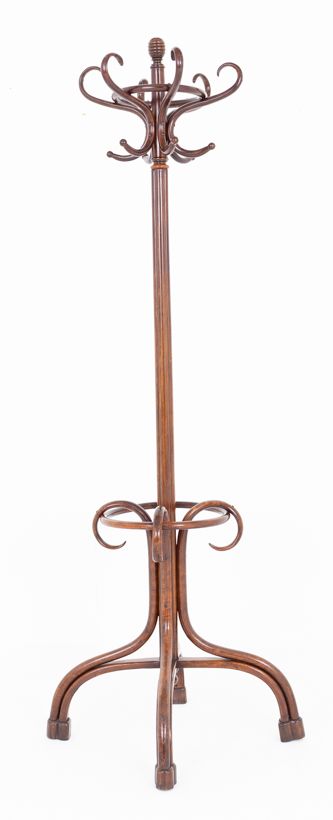
A vintage hat holder encompasses various forms designed to store and display headwear, ranging from large freestanding hall stands to small tabletop hat pin stands and wig stands. You will frequently encounter oak and bentwood coat and hat combinations alongside brass or silver hat pin stands.
The selections span multiple eras, from eighteenth-century wooden wig stands through Victorian and Edwardian hall furniture to Art Deco and nineteen-fifties oak umbrella stands. These objects served utilitarian roles in hallways, shops, and dressing rooms, functioning as essential furniture for daily wear.
Freestanding hallway items often combine umbrella holders, drip trays, and coat hooks into single structures. Smaller tabletop examples focus on delicate hat pins or shop display purposes.
How they were made
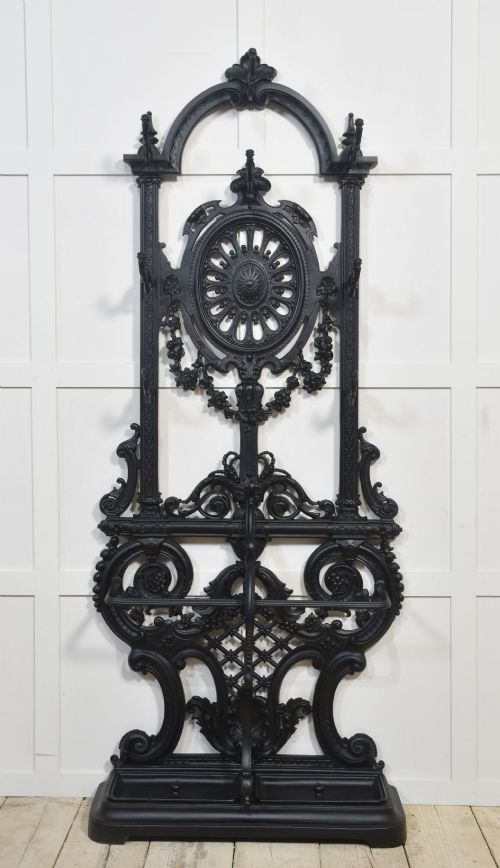
Makers utilised solid timbers such as oak, beech, yew wood, and mahogany, often shaping them through steam-bent techniques or traditional joinery. Cast iron and brass provide robust structural support for heavy hallway stands and luggage racks.
Silver and metal components feature in smaller tabletop pin holders and countertop displays, whilst fabric serves as the cushion element on specific pin stands. Construction methods range from industrial casting to fine cabinetmaking.
Listings feature oak, beech, yew wood, cast iron, brass, and silver across periods ranging from the eighteenth century to the nineteen-fifties.
What varies in quality
Quality rests in the integrity of the materials and the sophistication of the period style, such as Arts and Crafts, Aesthetic Movement, or Art Deco detailing. Superior examples exhibit refined timber grain, robust metal casting, and intact original structural elements.
The distinction between standard utility items and finer pieces lies in decorative flourishes like cast iron ornamentation, silver hallmarks, or careful bentwood construction.
Crisford & Norris·Coalbrookdale·Artificer's Guild
The Vintage Hat Holder Glossary
- Hall stand
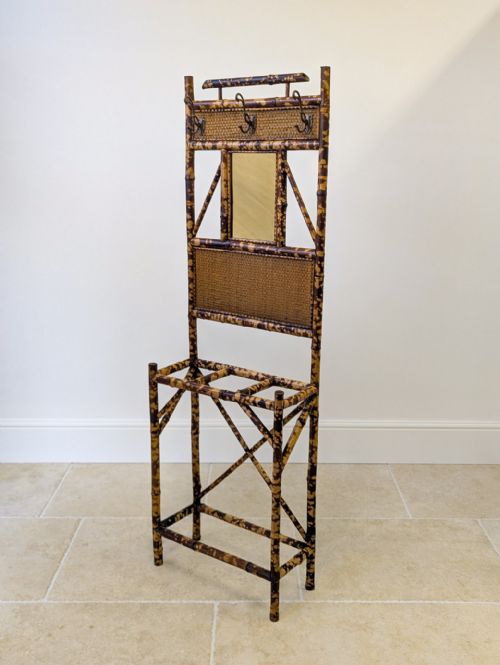
- A large freestanding hallway item combining hat hooks, coat storage, and umbrella trays. These pieces often incorporate mirrors and carved wooden panels.
- Bentwood
- Wood softened by steam and bent into curved shapes, commonly utilised in lightweight hat and stick stands from the early twentieth century.
- Wig stand
- A small wooden pedestal designed historically to hold wigs when not in use, frequently dated to the eighteenth or nineteenth century.
- Hat pin stand
- A diminutive tabletop holder created to organise long hat pins during the peak of late Victorian and Edwardian fashion.
- Luggage rack
- A wall-mounted metal rack, such as those found on Pullman carriages, used for holding hats and bags overhead.
Vintage Hat Holder: Frequently Asked Questions
Where should I place a hall stand?
A large floor-standing piece belongs in an entrance hall or porch where guests arrive. It provides immediate access to coat hooks and umbrella storage.
Ensure there is adequate clearance for doors to open and for coats to hang freely without crowding the passageway.
How do I clean wooden stands?
Dust the timber regularly with a soft dry cloth to prevent dirt accumulation. Avoid harsh chemical polishes that can damage antique surfaces.
Feed the wood occasionally with appropriate wax to maintain the finish and protect the grain.
What is a wig stand used for today?
Modern collectors utilise eighteenth-century and nineteenth-century wig stands as decorative display pieces or modern hat holders. Their compact footprint suits dressing tables and shelves.
They offer a sculptural way to display contemporary hats or vintage headwear in a bedroom.
How do I identify an Edwardian stand?
Edwardian pieces frequently display lighter oak construction and simpler lines compared to heavier Victorian furniture. They often combine hat hooks with revolving mechanisms or mirror panels.
Look for hardware and construction details typical of the early twentieth century to confirm the era.