


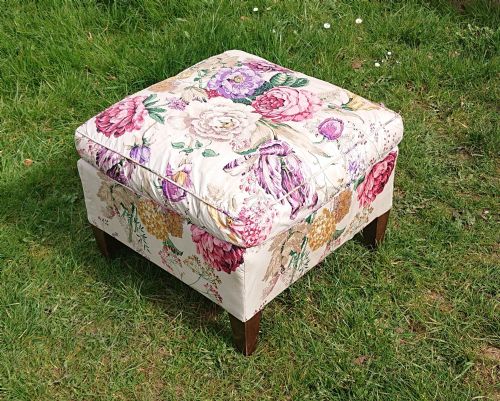


Vintage Hassock Stool
These vintage hassock stool examples combine timber frames with textile or leather upholstery for fireside or parlour comfort.
Vintage Hassock Stool
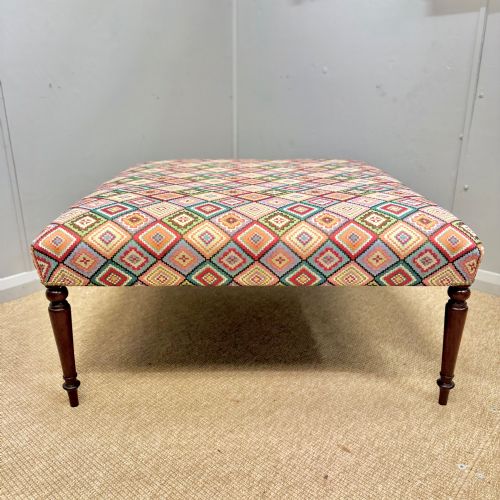
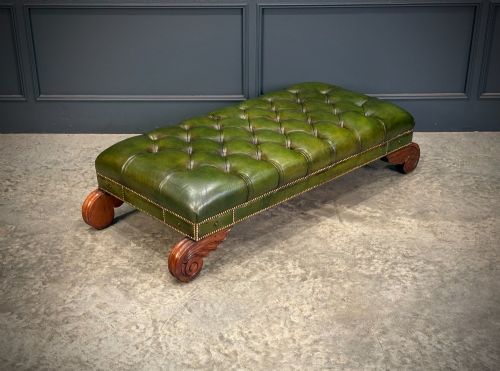
When you search for a vintage hassock stool, you encounter low seating designed to support the feet or serve as a low seat by the hearth. These pieces range from compact square footstools to long ottomans intended for drawing rooms and parlours.
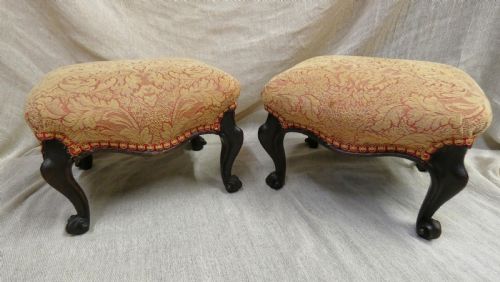
The versions most commonly met on this page span the Victorian and Edwardian periods, alongside Regency and 19th-century interpretations. You will find simple timber frames alongside elaborate carved giltwood and lacquered Chinoiserie designs.
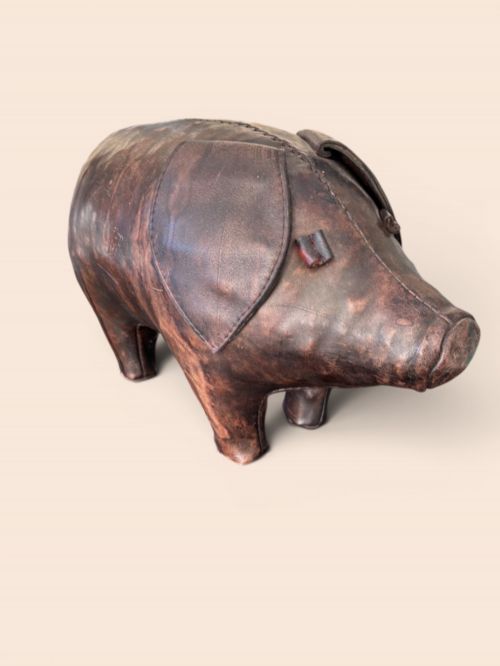
Makers and workshops of the era produced these items in various forms, including footstools, ottomans, and novelty animal shapes like leather pigs. Their utility as moveable seating ensured they survived across generations in English country houses and town homes alike.
How they were made
Makers utilised solid timbers such as mahogany, timber, and giltwood to construct the structural frames of these stools, often applying carved details or black lacquer finishes. Brass elements occasionally appeared in hardware or decorative accents.
Upholstery techniques involved stuffing fabric, cotton, or wool over the frames, secured with buttoning or completed with needlework tops like gros-point. Leather was also stretched over buttoned surfaces or moulded into figural animal forms.
Among the seating options sits a leather pig stool from the Omersa Workshop.
What varies in quality
The standard of timber framing and carving separates utilitarian examples from ambitious pieces produced by notable workshops. Solid mahogany and intricate giltwood or lacquered decoration indicate higher ambition than plain timber structures.
The selection and execution of the covering materials also determine grade. Original buttoned leather, fine silk, and hand-worked gros-point needlework distinguish finer seating from standard fabric upholstery.
Omersa Workshop·Howard and Sons·Liberty's
The Vintage Hassock Stool Glossary
- Hassock
- A thick cushion or low stool used for kneeling or resting the feet. These pieces often lack a visible wooden frame beneath heavy textile coverings.
- Ottoman
- A low upholstered seat or footstool without a back or arms. Larger examples function as central seating or long rests.
- Gros-point
- A type of counted thread embroidery executed on canvas using wool or silk yarn. This technique produces durable, textured tops for period footstools.
- Giltwood
- Timber treated with gold leaf or gilt composition to simulate solid gold. It appears on revival stools designed for formal reception rooms.
Vintage Hassock Stool: Frequently Asked Questions
What is a vintage hassock stool?
A low upholstered seat or footstool designed for domestic comfort, typically featuring a timber frame.
These pieces vary from simple Victorian footstools to decorative Edwardian and Regency designs covered in leather or textile.
How were these stools used?
They served primarily as footrests by the fireside or as low moveable seats in parlours and drawing rooms.
Larger ottoman variants also functioned as central seating or auxiliary benches in larger reception spaces.
How do I date a footstool?
Dating relies on observing the timber species, upholstery style, and decorative motifs such as lacquerwork or carving.
Nineteenth-century examples often employ solid mahogany frames, while Edwardian pieces may feature painted Chinoiserie or specific needlework.
What materials cover these stools?
Upholstery materials include buttoned leather, silk, cotton, wool, and hand-stitched gros-point needlework.
Underneath these covers, frames are built from mahogany, giltwood, and general timber with occasional brass details.