




Vintage Harbour Scene Art
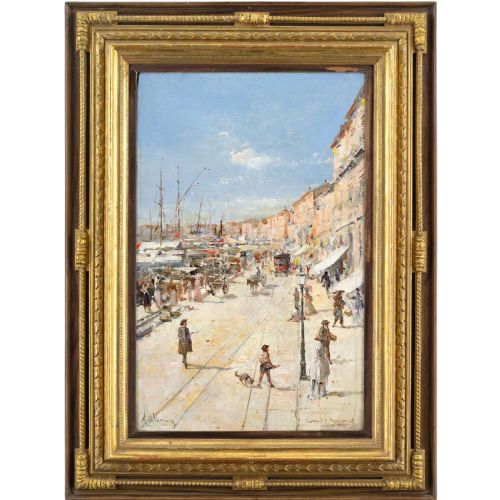
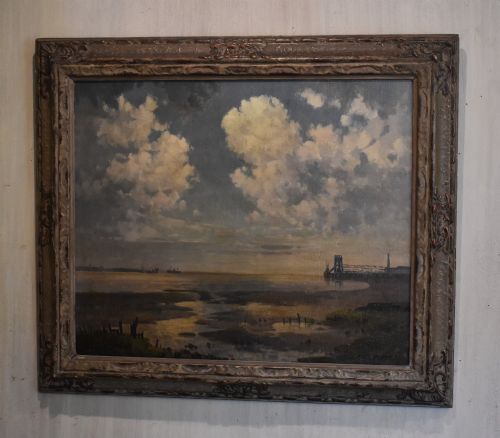
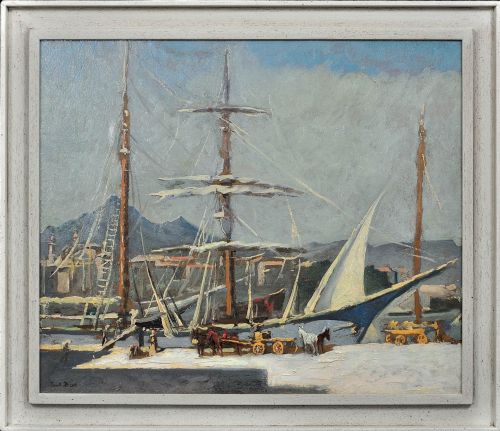
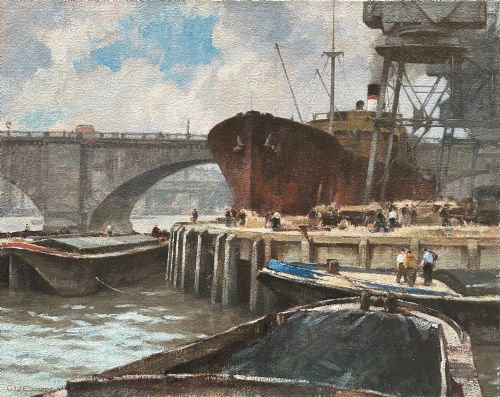
Vintage harbour scene art captures maritime life along coastal quays and bustling fishing ports through the observant eye of painters working from the nineteenth century to the mid-twentieth century.
Vintage Harbour Scene Art
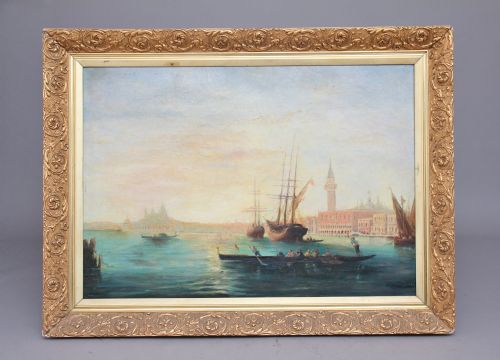
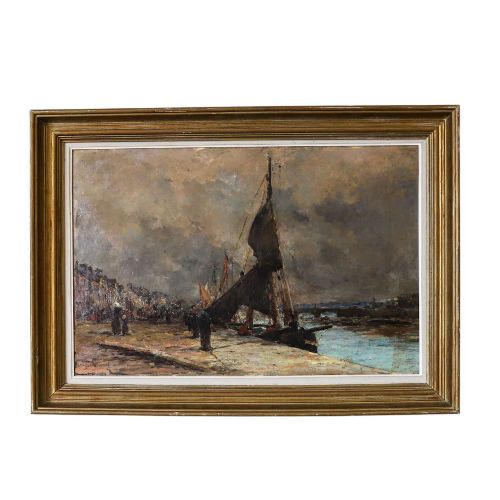
Vintage harbour scene art brings maritime coastal life into domestic spaces through painted depictions of fishing boats, quaysides, and tidal estuaries. When exploring this genre, buyers frequently encounter works created during distinct periods stretching from the late nineteenth century through the 1960s.
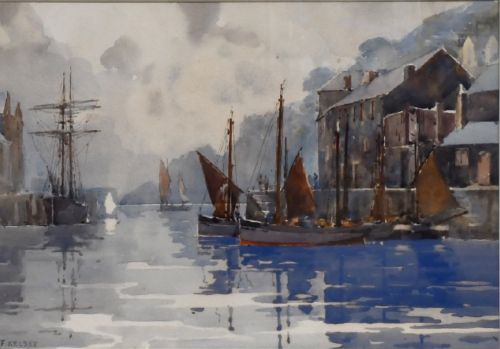
The visual records span intimate watercolours on paper and substantial oil paintings executed on canvas or board. Cornish fishing ports like St Ives and Polperro appear alongside European coastal havens, reflecting local maritime industries of their day.
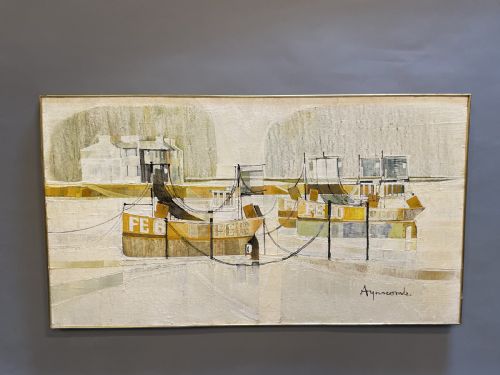
Compositions range in style from detailed Victorian academic recordings to looser British Impressionism and mid-century modern interpretations. Each piece records a specific coastal topography that has often changed significantly over the decades.
Materials and construction methods
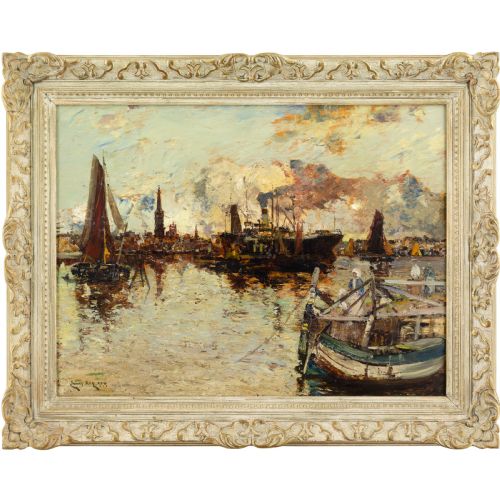
Artists relied primarily on oil paint or watercolour applied to traditional supports such as prepared canvas, stretched linen, wooden panels, or heavy-weight artist paper. Oil mediums allowed for rich impasto textures representing choppy seas and weathered stone quays.
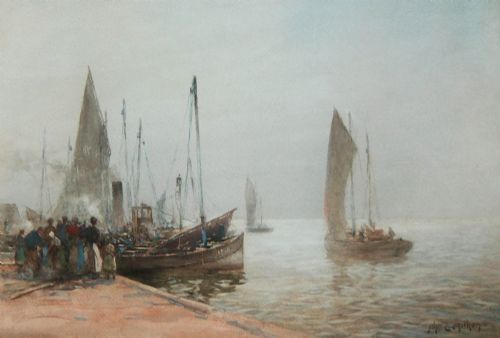
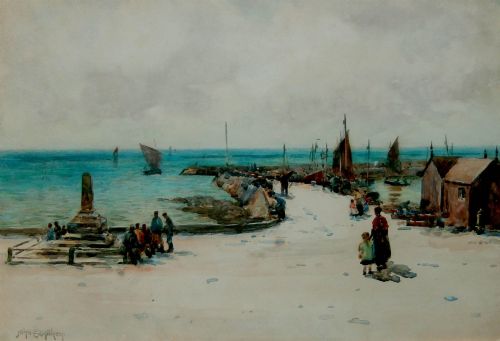
Watercolour works utilised fluid washes on paper to capture atmospheric coastal light and tidal reflections, frequently preserved behind protective glass within timber frames. Canvas works were customarily housed in gilt or moulded wooden frames suited to contemporary domestic interiors.
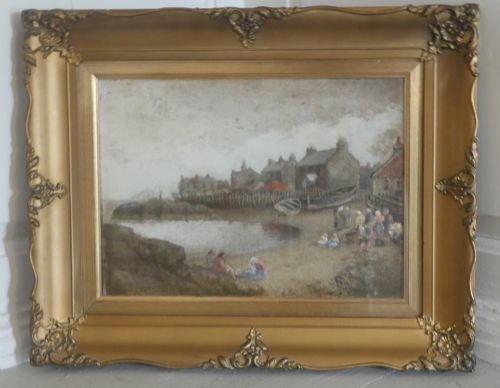
Several artists clearly preferred painting muddy low-tide harbours where stranded fishing boats tilt at eccentric angles in the sand.
Distinguishing quality in maritime paintings
Quality rests upon the artist's command of natural light, water movement, and atmospheric perspective rather than the mere inclusion of picturesque boats. Superior brushwork successfully conveys the weight of sea and sky without relying on excessive microscopic detail.
Compositional balance and spatial depth separate accomplished regional works from generic decorative productions. A strong hand captures the genuine character of maritime labour and coastal architecture rather than an idealised postcard view.
Kenneth Cozens·James E. Aitken·John E. Aitken·William Banks Fortescue·James Kay·Augusto Alberici·Clive Browne·Paul Bret·Cyril Walduck Edwards·Frank Kelsey·George F Pennington·Alfred George Morgan·William Edward Webb·Richard Harry Carter·Gyrth Russell·Raymond Picque·William Lee Hankey·George Turland Goosey·Fred Lawson·Arthur Tucker·Adrian Van Porten·William Tuck·Donald McIntyre·Doyly-John·T.S. Wallis
The Vintage Harbour Scene Art Glossary
- Impressionism
- A style of painting that emphasises spontaneous brushstrokes and the shifting effects of natural light. It prioritises overall atmospheric impact over rigid academic detail.
- Impasto
- Paint applied thickly to a canvas or board so that it stands proud of the surface. This technique creates physical texture that catches the light and adds dimension to water or sky.
- Provenance
- The documented history of ownership or origin surrounding a work of art. It helps establish authenticity and historical context for older paintings.
- Watercolour
- A painting method where fine pigment is suspended in a water-soluble binder applied to paper. It relies on the white of the paper to show through translucent washes.
- Seascape
- A work of art depicting the sea, coastal views, ships, or maritime activities. It forms a distinct sister genre to traditional land-based landscape painting.
Vintage Harbour Scene Art: Frequently Asked Questions
How do I date a vintage harbour painting?
Dating relies heavily on stylistic clues, framing materials, and artist signature records where available. Clothing styles of figures on the quayside and the types of vessels depicted also offer reliable chronological markers.
Many works include direct signatures, exhibition labels on the reverse, or stretcher inscriptions left by the original framer. Comparing these details against known working dates of regional artists narrows the creation period.
Were these watercolours meant to be framed?
Works on paper were traditionally mounted behind glass to protect the delicate watercolour pigments from airborne dust and moisture. Original period frames often accompany these pieces and contribute to their historical integrity.
Removing watercolours from their protective glazing risks permanent damage from humidity and pollutants. Preserving the original framing setup maintains both the aesthetic balance and the conservation state.
How should I hang coastal art at home?
Coastal paintings benefit from placement on neutral walls where natural daylight can illuminate the subtle tones of sea and sky. Avoid direct, intense sunlight to prevent fading in watercolour pigments and oil varnishes.
Grouping smaller watercolours together creates a striking maritime gallery wall reminiscent of period salon displays. Larger oil canvases suit focal points above mantelpieces or within principal reception rooms.
What is the difference between oil and watercolour marine art?
Oil paintings utilise thick pigments on canvas or board, offering rich textures and deep tones well suited to dramatic seas and stormy skies. They are physically robust and do not require glass protection.
Watercolours employ translucent washes on paper, creating luminous effects ideal for calm harbours and misty coastal mornings. They remain sensitive to moisture and light, requiring careful conservation behind glass.