


Cream Oil on Canvas
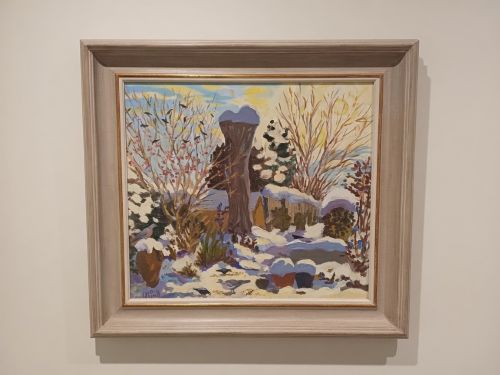
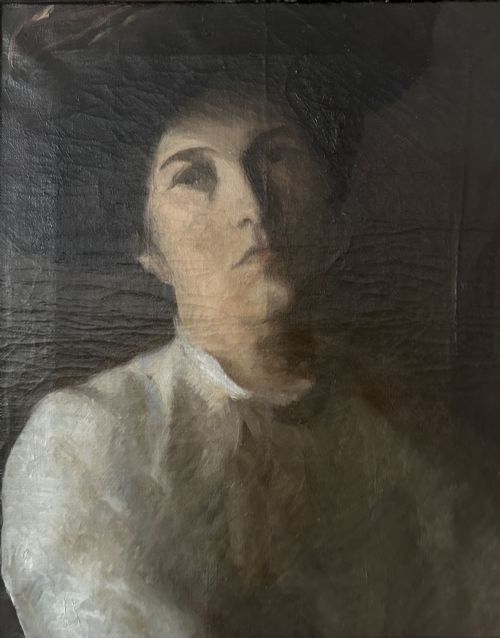
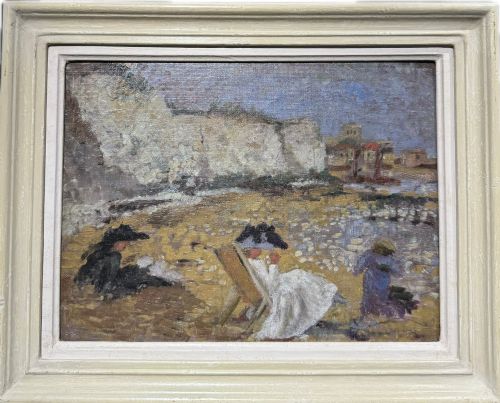
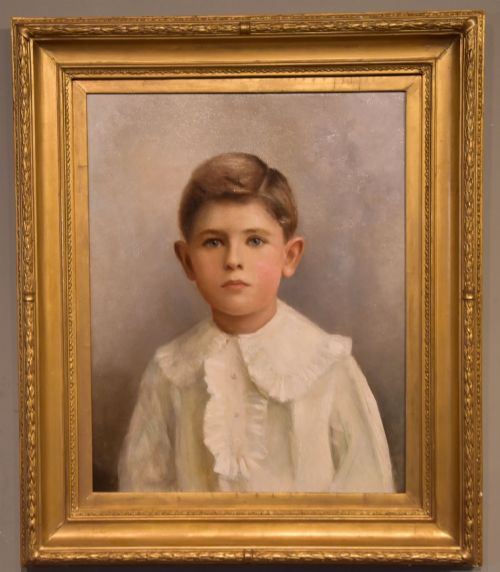
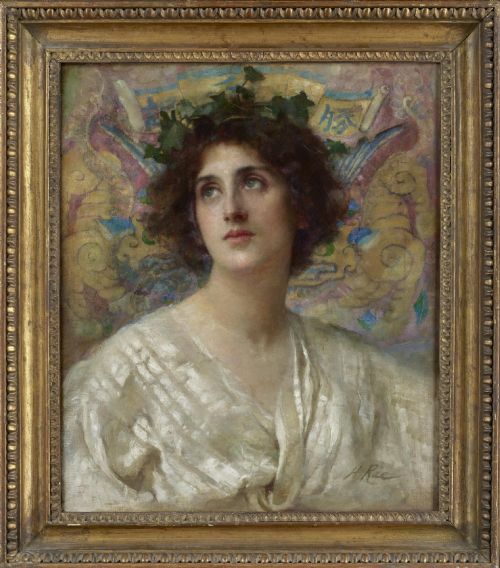
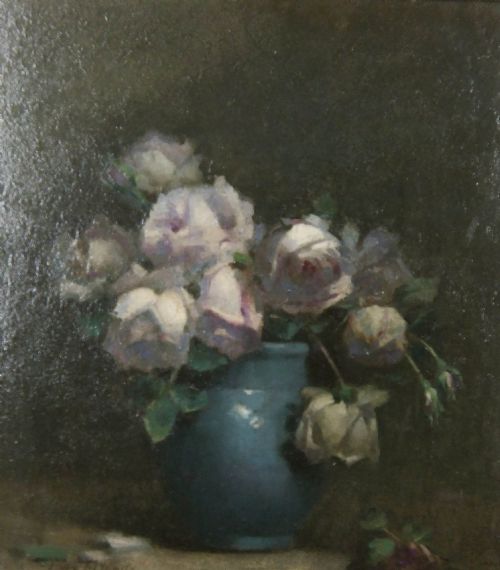
Cream oil on canvas brings together centuries of painted light, tonal depth, and enduring pigment across portraits, landscapes, and still lifes.
Cream Oil on Canvas
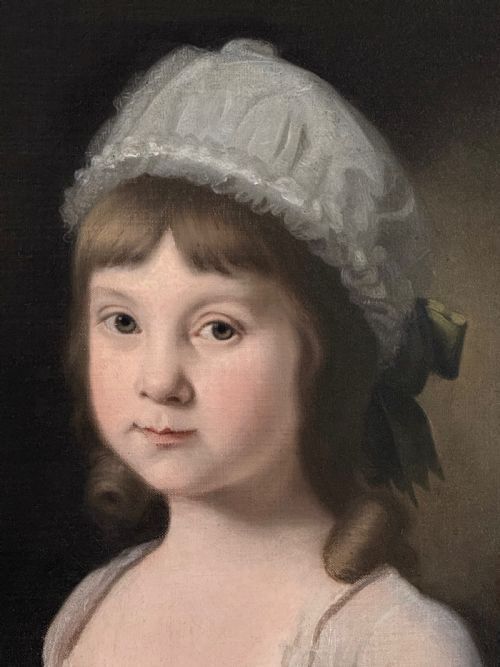
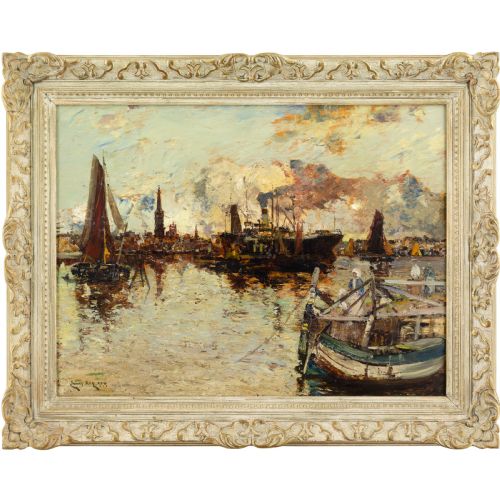
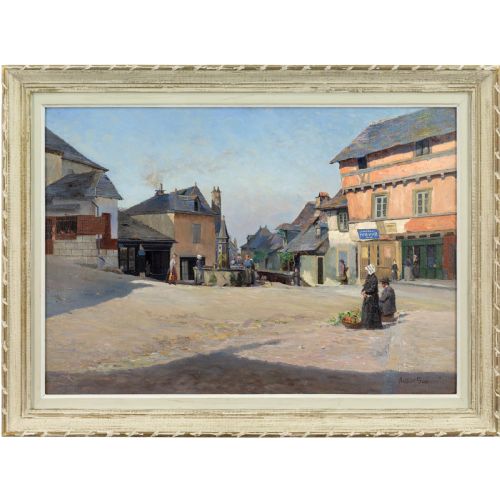
Makers and regional schools range from British artists and French impressionists to Italian and continental painters working in distinct modernist and traditional idioms. Works frequently capture domestic interiors, figures, animals, and sunlit outdoor vistas created across several distinct decades.
Materials and construction methods
The physical works rely fundamentally on stretched canvas grounds painted with oil pigments that utilise binders like linseed oil, often complemented by gold leaf or gilt wood frames. Artists layered oil paint to build texture, luminosity, and rich tonal variations across the composition.
Support structures typically involve wooden stretchers holding the woven canvas, paired with period framing that often incorporates gilt finishes to complement the painted surface.
Listings feature canvases spanning from the eighteenth century through the 1960s, executed in oil paint on wood-stretched fabric.
Qualities that distinguish individual pieces
Quality rests upon the handling of light, brushwork confidence, and the vitality of the composition, distinguishing masterly execution from routine studio production. Surface preservation, original framing, and the subtlety of colour relationships further elevate specific works.
The strength of provenance, the expressive capture of the subject - whether a portrait sitter or a landscape view - and the structural integrity of both paint layer and canvas define the upper tier of the range.
Joshua Reynolds·Henrietta Rae·Henri Vincent Anglade·Attilio Toro·Claude Jousset
The Cream Oil on Canvas Glossary
- Canvas
- A heavy woven fabric, typically linen or cotton, stretched tightly over a wooden frame to serve as the foundation for oil painting. It provides a durable and responsive surface for brushwork.
- Oil Paint
- A slow-drying paint made by mixing pigments with oils such as linseed, walnut, or poppy seed. This medium allows for smooth blending and rich depth of colour.
- Impressionism
- A nineteenth-century art movement characterised by relatively small, thin, yet visible brush strokes and an emphasis on accurate depiction of light. Artists working in this style sought to capture transient visual moments.
- Gilt Wood
- Wood treated with gold leaf or a gold-coloured metallic finish, commonly used for traditional picture frames. It enhances the visual presentation of the artwork it surrounds.
- Still Life
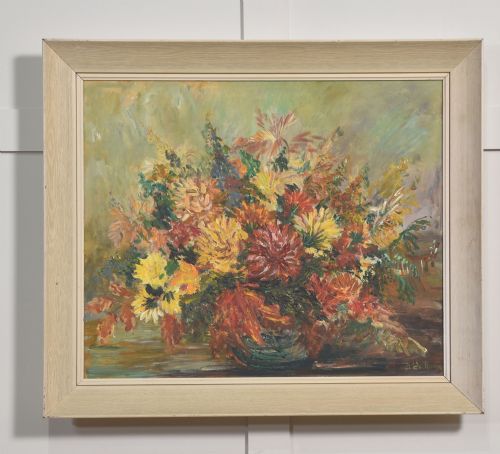
- A painting featuring an arrangement of inanimate objects, such as flowers, fruit, or domestic items. These compositions explore light, shadow, and texture on everyday subjects.
Cream Oil on Canvas: Frequently Asked Questions
How do I care for an oil painting on canvas?
Keep paintings away from direct sunlight, extreme temperature fluctuations, and high humidity to prevent the canvas from sagging and the oil paint from cracking.
Dust the surface very gently with a soft, dry brush, and avoid using any water, chemical cleaners, or moisture on the painted area.
How do I identify the period of a canvas painting?
Examine the stretcher bars, nails or staples, and the type of canvas weave, as older pieces often feature handmade wooden stretchers and hand-forged tacks.
Style, framing methods, and artist signatures or exhibition labels also offer reliable clues to the era in which the work was created.
What is the difference between a portrait and a still life?
A portrait focuses on capturing the likeness, personality, and expression of a specific human subject, sometimes accompanied by pets or intimate interior settings.
A still life arranges inanimate objects like flowers, vessels, or provisions to study light, shadow, and compositional balance.
How do impressionist works differ from traditional academic paintings?
Impressionist paintings employ visible, energetic brushstrokes and vibrant unblended colours to capture the shifting effects of natural light and atmosphere.
Traditional academic works prioritize smooth, blended finishes, highly detailed realism, and formal narrative subjects.