




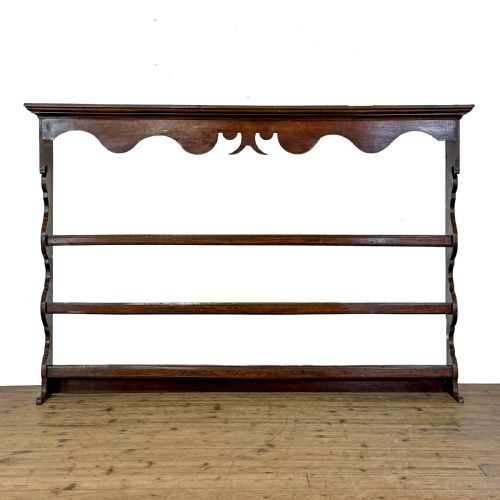


Vintage Hanging Plate Rack
A vintage hanging plate rack organises crockery on the wall, saving space while putting domestic ceramics on display.
Vintage Hanging Plate Rack
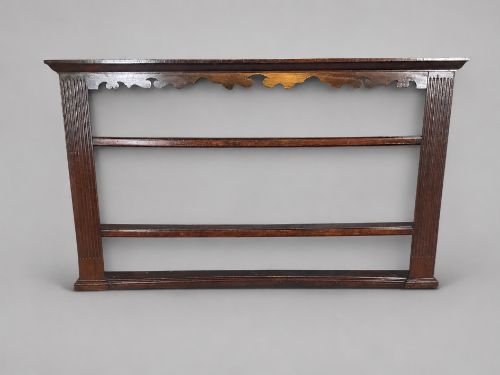
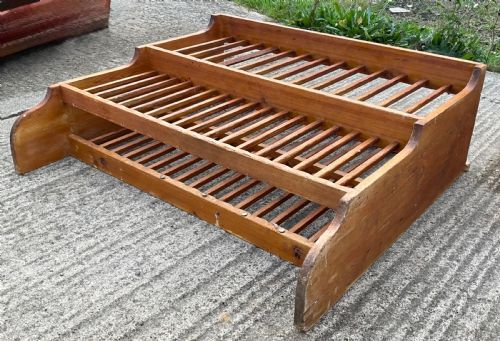
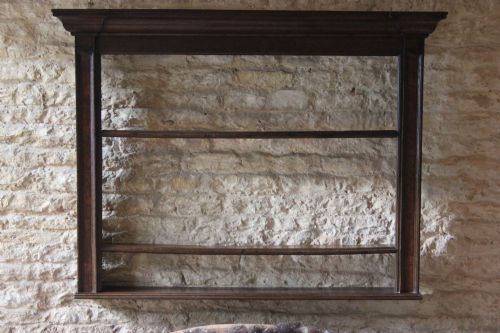
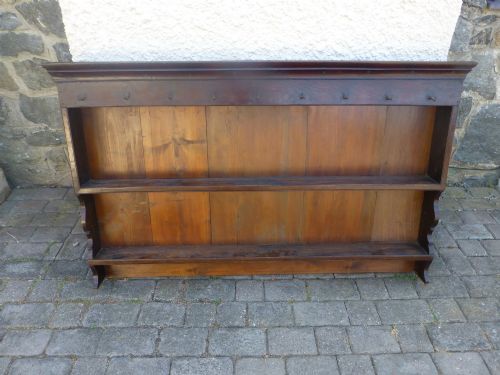
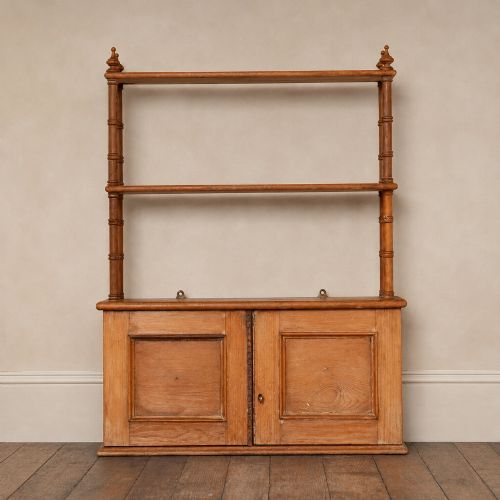
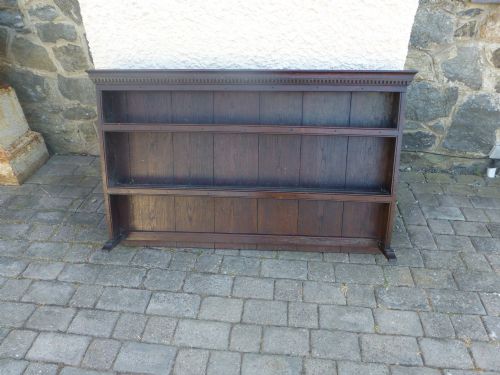
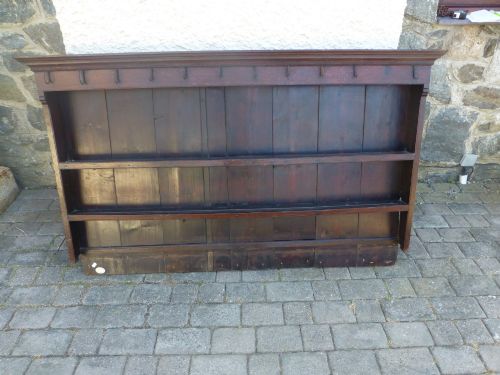
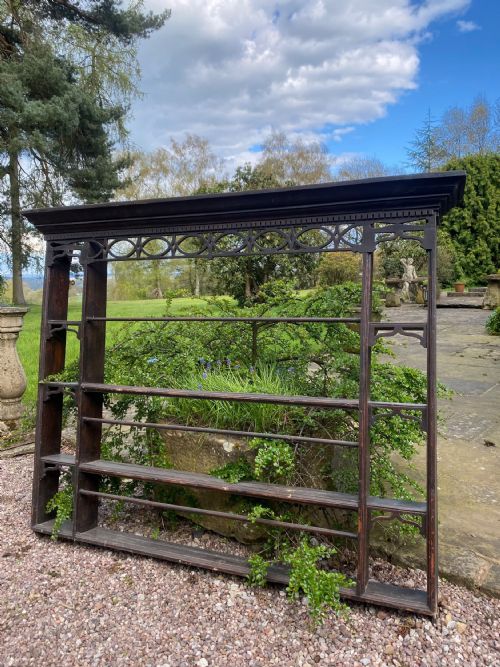
When you search for a vintage hanging plate rack, you are looking at wall-mounted shelving units designed specifically to hold plates upright and display them securely. The versions you are most likely to meet on this page span the 17th, 18th, 19th, and early 20th centuries, taking forms such as delft racks, dresser racks, and wall display shelves.
These pieces originate from diverse traditions, appearing in English country, Georgian, Arts and Crafts, Victorian, and French country styles. They function as both practical kitchen storage and decorative wall furniture, often featuring grooves or rails to keep plates from slipping.
How they were made
Makers constructed these racks using solid timbers such as oak, mahogany, pine, and cherry wood, alongside painted surfaces and occasional marquetry detailing. Structural integrity relied on traditional joinery suitable for supporting the weight of heavy ceramics.
Metal fittings in brass and iron appear as hinges, hanging brackets, or decorative hardware, while hand-painted finishes reflect the decorative tastes of periods like the Edwardian era and Arts and Crafts movement.
Vintage Hanging Plate Rack Retail Price Guide 2026
Typical asking prices for vintage hanging plate rack among the pieces listed under this phrase on Sellingantiques today, from the lower quarter to the upper quarter. They describe what is for sale here now, not the wider market.
Several racks have spent centuries leaning against kitchen walls before finally being trusted to hang properly.
What varies in quality
The distinction between standard examples and finer pieces lies in the selection of timber, the crispness of carved details, and the sophistication of decorative finishes like period paint or marquetry inlay. Superior proportion and balanced joinery separate workshop pieces from utilitarian utility items.
Age and regional style also influence standing, with early oak delft racks showing different construction traits compared to later mahogany display shelves or country pine cupboards.
The Vintage Hanging Plate Rack Glossary
- Delft rack
- A wall-mounted wooden rack designed to display tin-glazed earthenware plates upright against slats or rails. These fixtures form a traditional part of kitchen and dining room storage.
- Marquetry
- The art of applying small pieces of veneered wood to a structure to form decorative patterns. This technique appears on select period storage pieces.
- Dresser rack
- The upper shelving portion of a traditional dresser adapted for wall hanging. Such pieces provide open display space for crockery.
- Arts and Crafts
- A design movement prioritising traditional craftsmanship and simple forms over mass production. Pieces from this style often emphasise plain wood surfaces.
Vintage Hanging Plate Rack: Frequently Asked Questions
How do I hang a heavy oak rack safely?
Wall-mounted plate racks require secure attachment to wall studs or masonry using appropriate fixings to support the combined weight of the timber and heavy ceramics.
Distributing the load evenly across multiple mounting points prevents strain on the original frame.
What is the difference between a delft rack and general wall shelves?
A delft rack incorporates specific ledges, grooves, or rails designed to hold plates upright at an angle for display.
General wall shelves provide flat horizontal surfaces intended for books, boxes, or varied decorative objects rather than crockery.
Can these racks support heavy modern dinnerware?
Period racks were built to hold earthenware and heavy ceramics of their own era, making them generally robust for standard dishware.
Checking the depth of the plate slots and the strength of the backboards ensures the structure suits contemporary plates.
How do I identify a Georgian rack from a Victorian one?
Georgian racks frequently utilise oak or mahogany with restrained proportions, reflecting 18th-century cabinetmaking traditions.
Victorian and later examples often use pine, incorporate cupboards, or display painted finishes reflecting 19th-century domestic trends.