
Vintage Hanging Glass Mirror
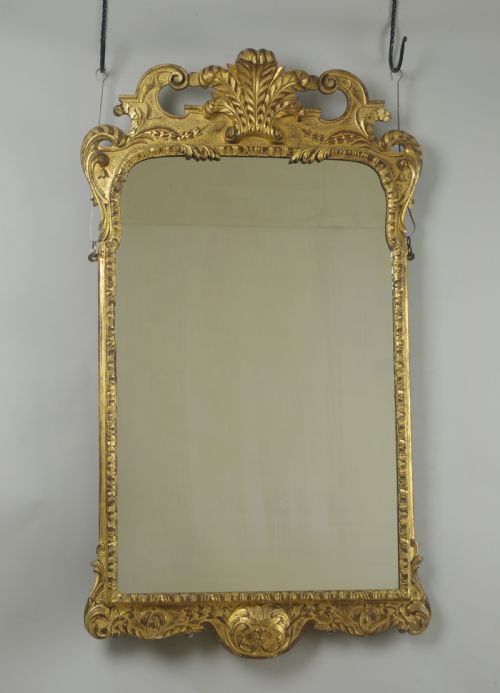
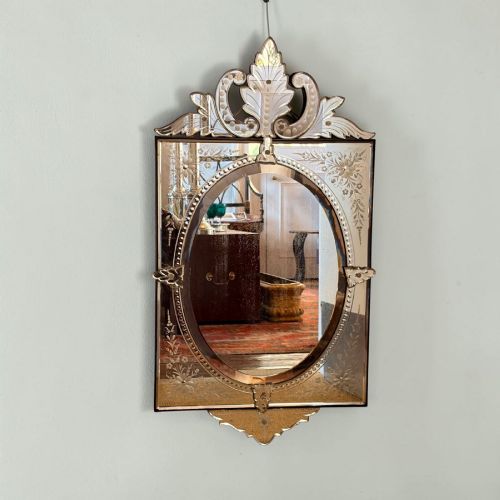
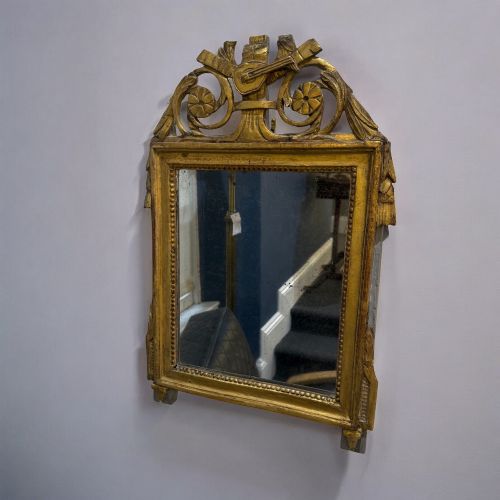
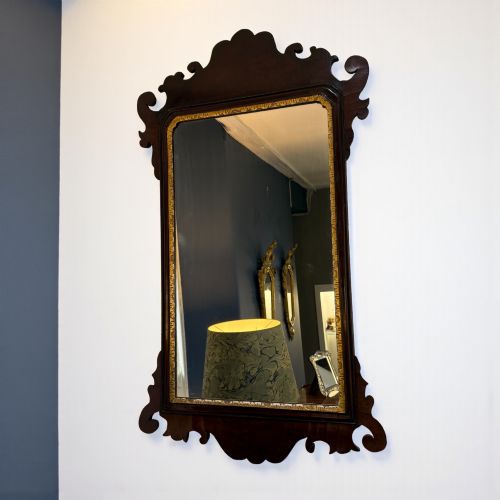
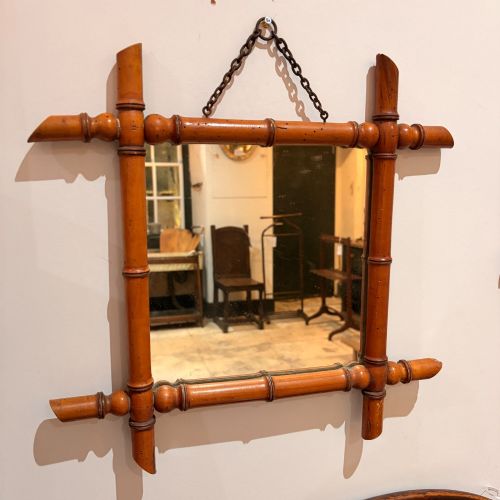
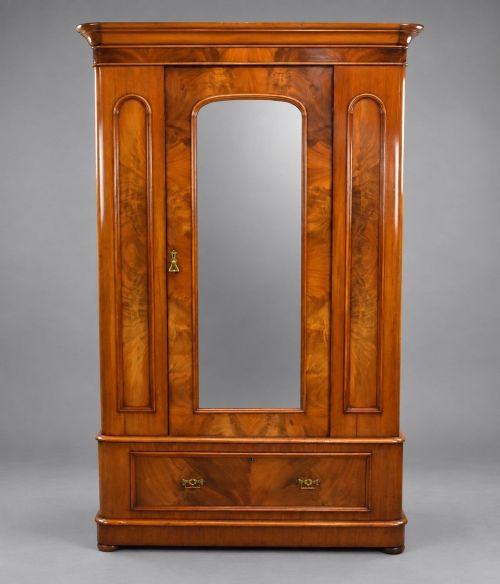
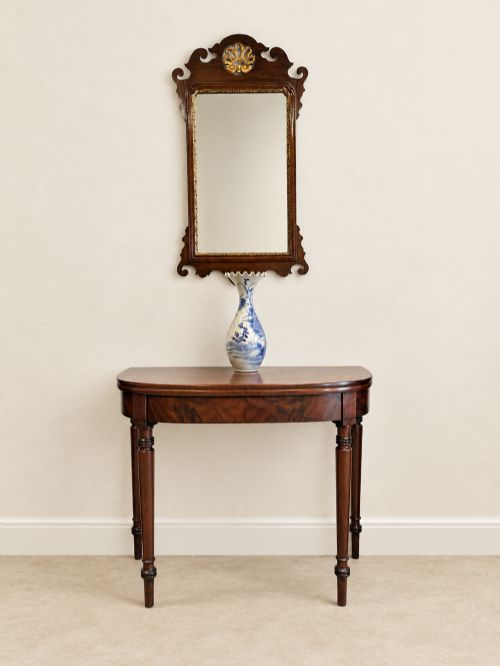
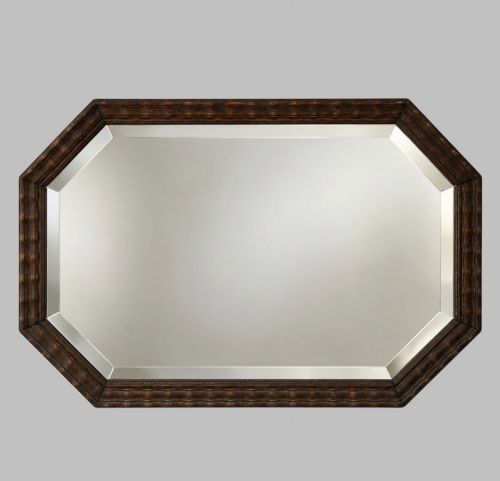
When you search for a vintage hanging glass mirror, you find wall-mounted pieces framed in giltwood, oak, or mahogany across various historical periods.
Vintage Hanging Glass Mirror
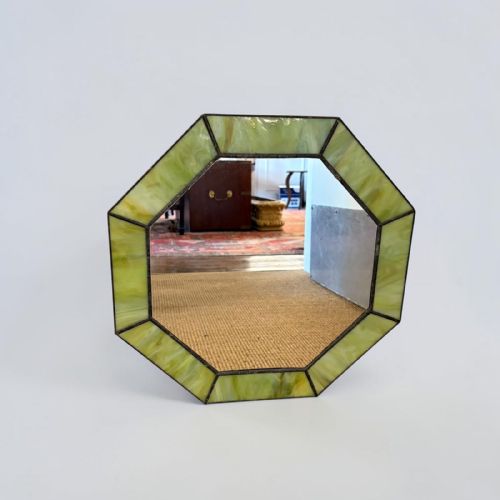
A vintage hanging glass mirror is a wall-mounted reflective piece designed to be suspended in domestic spaces. These items appear in various forms, including wall mirrors, pier mirrors, and dressing mirrors.
The selections span multiple historical periods, ranging from the 18th century and Georgian eras through to the Victorian period, Edwardian years, and Art Deco designs of the 1930s. Continental examples, notably French and Italian pieces, sit alongside British items.
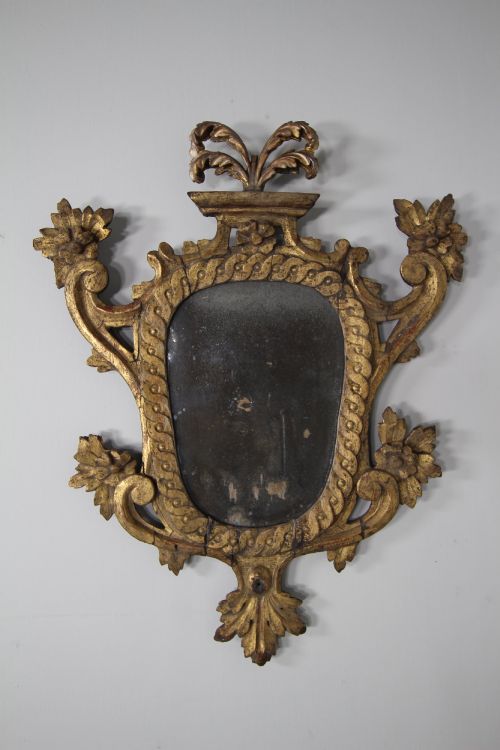
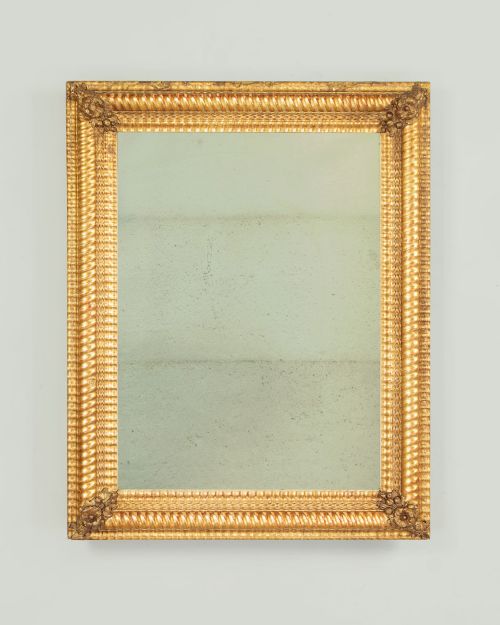
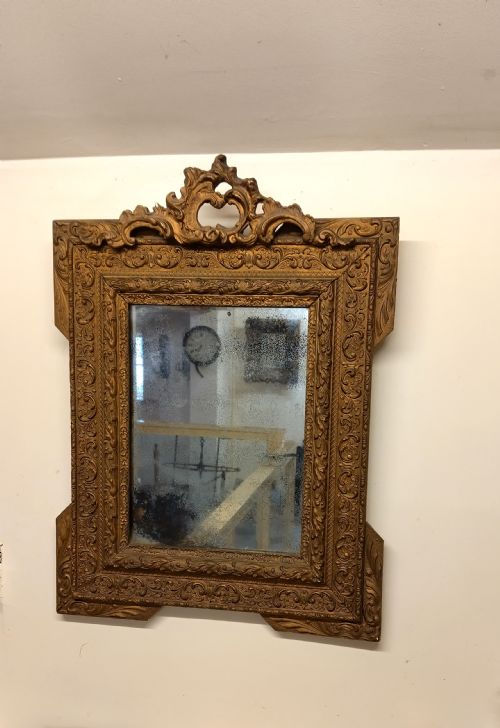
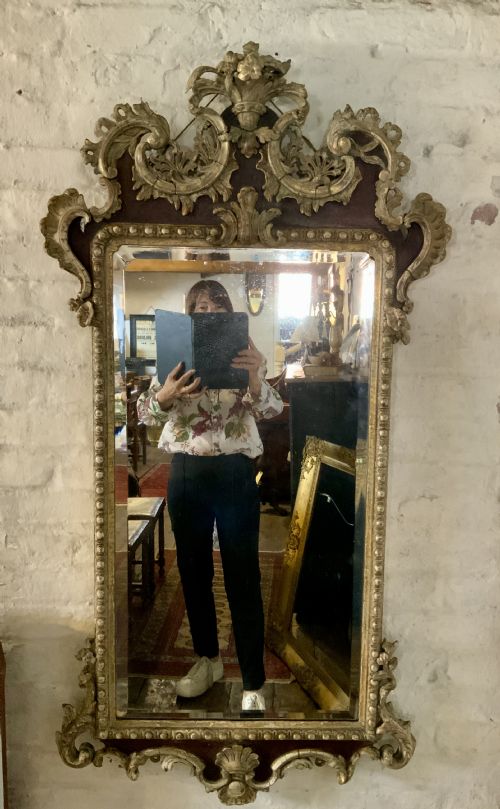
Most pieces function primarily as decorative wall items, utilising frames carved from wood or cast in gesso. Buyers encounter everything from simple oval oak frames to large, ornate Rococo Revival giltwood creations.
How they were made
Makers constructed the frames using traditional timber work and applied ornamentation. Woods such as oak, mahogany, walnut, and limewood provide structural support, often shaped through carving or fretwork.
Giltwood and gesso techniques create ornate surface decoration, particularly on 19th-century and French revival pieces. Craftsmen applied layers of gesso to wood bases before gilding, or utilised brass and gilt bronze for metal frames.
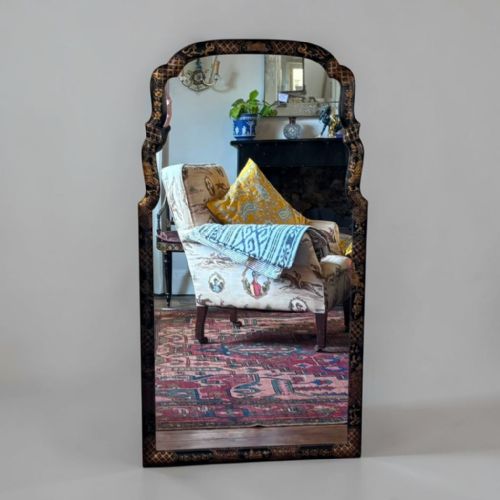
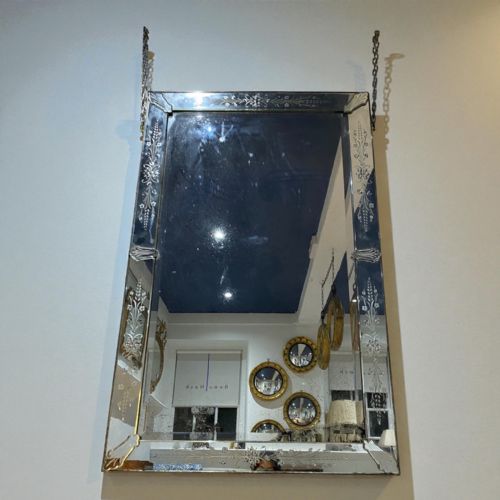
Reflective surfaces include early mercury plates alongside bevelled mirror glass and engraved plates. Some items incorporate specialist details like ruby red borders or chinoiserie decoration on the frame.
Listings feature hanging glass mirrors spanning the 18th, 19th, and early 20th centuries, utilising materials like giltwood, oak, mahogany, and brass.
What varies in quality
The depth and precision of hand carving dictate the distinction between standard production and exceptional craftsmanship. Pieces featuring finely carved limewood or detailed Rococo foliage show superior artisan input compared to simpler moulded designs.
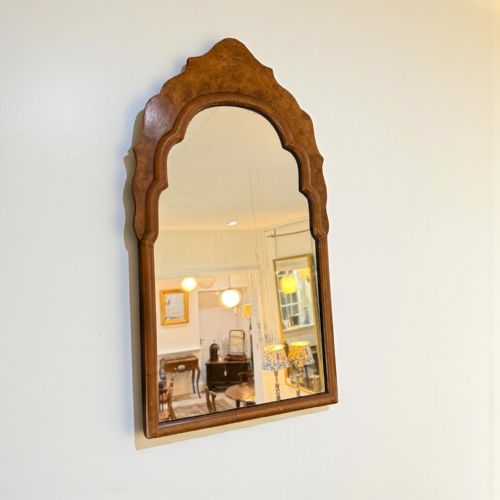
Materials and plate preservation influence the character of each item. Original mercury plates and hand-engraved glass indicate higher period authenticity, while the choice of dense timbers like burr walnut elevates the status of the frame.
Waring and Gillow
The Vintage Hanging Glass Mirror Glossary
- Giltwood
- Wood that has been coated with gold leaf or a gold-coloured finish. This technique was widely utilised on 18th and 19th-century frames.
- Gesso
- A plaster-like mixture applied to wood frames to create a smooth surface for carving or gilding. It allows for intricate relief decoration.
- Mercury plate
- An early type of mirror glass backed with a tin-mercury amalgam. These plates often exhibit characteristic foxing and a deep reflection.
- Pier mirror
- A tall mirror traditionally hung on the pier, the wall space between two windows. They frequently match console tables.
- Fretwork
- Ornamental design work consisting of interlaced openwork created by sawing or scrollwork. Walnut examples often employ this technique.
Vintage Hanging Glass Mirror: Frequently Asked Questions
What is an original mercury glass plate?
An original mercury plate refers to mirror glass manufactured using a tin and mercury backing technique common before the mid-19th century. This process produces a soft, distorted reflection.
Over time, the backing develops dark spots and cloudiness known as foxing. Collectors prize these plates for the authentic historical character they impart to the mirror.
How do I clean an antique glass mirror?
Cleaning antique glass requires gentle methods to protect both the plate and the surrounding frame. Use a soft, dry microfibre cloth to remove dust from the glass and carved details.
Avoid spraying liquid cleaner directly onto the mirror, as moisture can seep behind the glass and damage the silvering or foil backing. Apply a small amount of mild cleaner to the cloth instead if stubborn marks require removal.
How do I identify a Victorian giltwood mirror?
Victorian giltwood mirrors often feature heavy gesso ornamentation over a wooden base, displaying styles influenced by Rococo or Renaissance revivals. The gilding typically shows wear patterns that reveal the red bole base underneath.
Examine the construction of the backboards and fixings, as older pieces use hand-cut screws and traditional joinery. The weight of these frames is usually substantial due to the dense timber and thick plaster work.