



Vintage Hand Painted Pitcher
These vintage hand painted pitcher selections bring colour and character to a room, offering genuine hand-applied decoration across earthenware, porcelain, and glass.
Vintage Hand Painted Pitcher
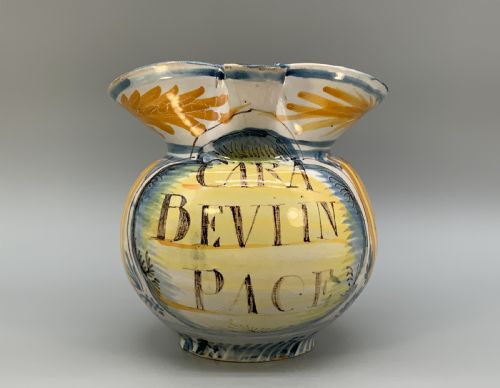
When searching for a vintage hand painted pitcher, collectors encounter a diverse range of forms including cream jugs, decorative ewers, and pharmacy vessels. The selection spans Georgian, Victorian, and Edwardian periods alongside later twentieth-century pieces.
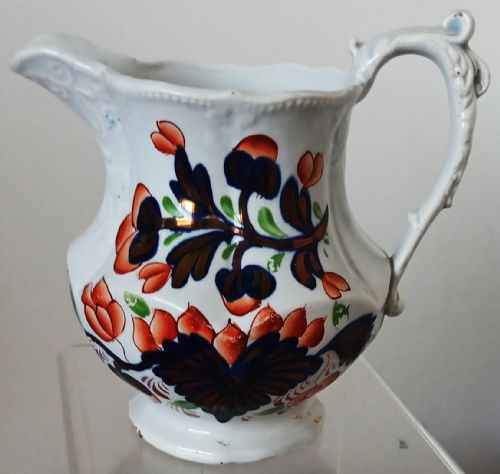
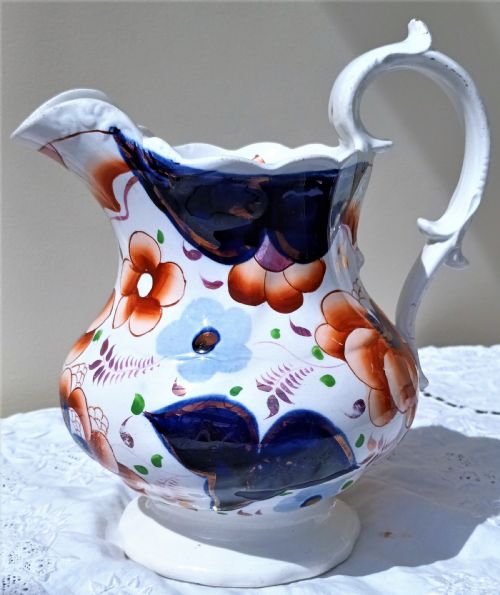
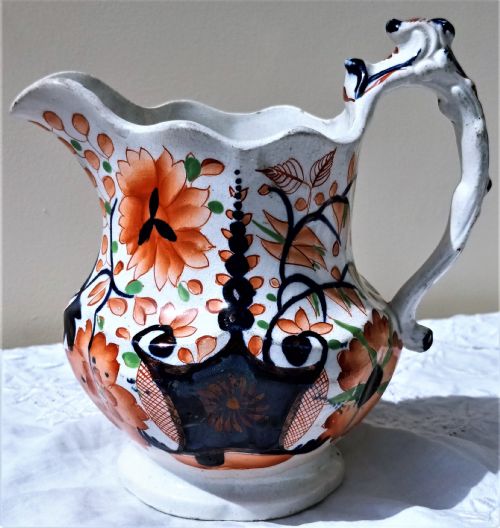
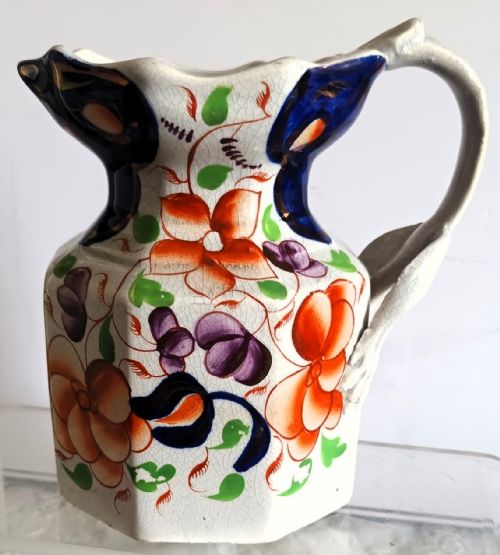
The most frequently met examples in this category include Gaudy Welsh pottery jugs with traditional patterns, alongside Staffordshire and Royal Worcester vessels. These items served both practical pouring functions and decorative display roles in period interiors.
Originating from English, continental, and Mediterranean workshops, the items reflect distinct regional techniques. Earthenware, porcelain, and glass form the primary material bases for these painted vessels.
How they were made
Potters shaped earthenware, pearlware, and porcelain bodies either by hand moulding or throwing on a wheel, sometimes utilising cabbage leaf or faceted moulding techniques. Glazes including tin glaze, enamel, and transparent finishes were then applied to seal the ceramic surfaces.
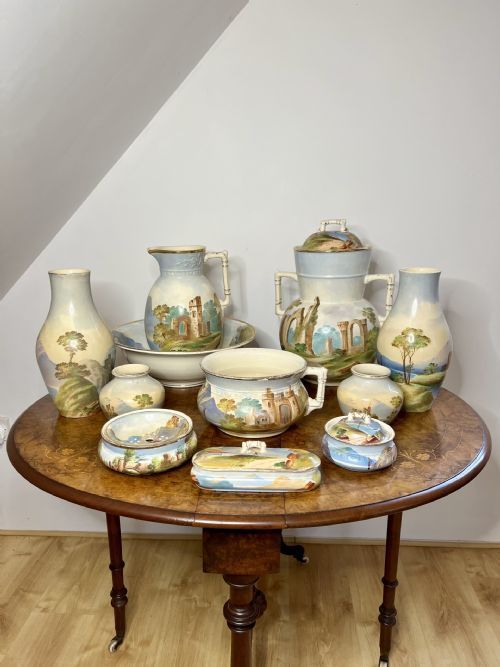
Decorators applied pigments by hand using polychrome palettes, gold leaf, and gilt highlights, often depicting floral motifs, armorial crests, and oriental scenes. Firing in kilns fixed the enamel colours and glazes to the clay or glass body.
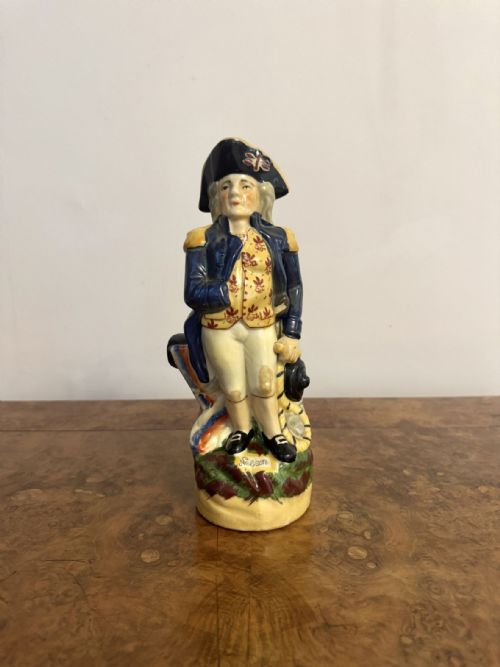
Several items double as cheerful animal managers, including a cockerel cocktail shaker and a toby jug.
What varies in quality
The refinement of the painted brushwork dictates visual success, separating hastily decorated utility wares from master-painted porcelain and glass pieces. Crisp detail in polychrome scenes and balanced application of gold leaf indicate superior craftsmanship.
Potting precision also separates the output, with clean moulding lines, well-balanced handles, and even glaze distribution marking out the better workshops and factories.
Royal Worcester·Mason's·Meissen·Chamberlain Worcester
The Vintage Hand Painted Pitcher Glossary
- Earthenware
- Porous pottery fired at lower temperatures, requiring a vitreous glaze to hold liquids. It forms the body of many traditional jugs.
- Pearlware
- A refined earthenware developed in the eighteenth century featuring a subtle bluish glaze that pooled in recesses. It bridges creamware and white earthenware.
- Ewer
- A large jug with a wide spout and flared base, traditionally used for holding water or wine. Many Victorian examples functioned primarily as decorative items.
- Enamel
- Opaque glass-like paint fused to pottery, porcelain, or glass surfaces during firing. It provides the vibrant colours found on decorated vessels.
- Gilt
- A thin layer of gold applied to the surface of ceramics or glass for ornamentation. It accentuates rims, handles, and painted motifs.
Vintage Hand Painted Pitcher: Frequently Asked Questions
What is a vintage hand painted pitcher used for?
These vessels originally served practical household functions such as pouring cream, serving wine, or holding water during the toilet routine.
Today, collectors primarily utilise them for decorative display on mantlepieces, sideboards, or within cabinet collections to showcase period artistry.
How do I date a painted ceramic jug?
Dating relies on examining the clay body, glaze characteristics, and the style of the painted decoration. Georgian pieces often feature pearlware or soft-paste porcelain, while Victorian items lean towards robust earthenware and Mary Gregory glass.
Maker marks, factory stamps, and pattern names stamped or painted to the base provide further chronological evidence.
Are these jugs dishwasher safe?
These antique and vintage pieces require careful hand washing in lukewarm water with mild soap. Modern dishwashers utilise harsh detergents and high heat that will damage fragile enamel paints and strip gold leaf gilding.
Sudden temperature changes should also be avoided to prevent thermal shock in older ceramics and glass.
What is Gaudy Welsh pottery?
Gaudy Welsh refers to a distinctive style of colourful earthenware pottery produced during the nineteenth century featuring cobalt blue, copper lustre, and bright enamel colours.
Patterns often include floral and architectural motifs such as the Grape, Pagoda, and Welsh town names applied over pottery bodies.