
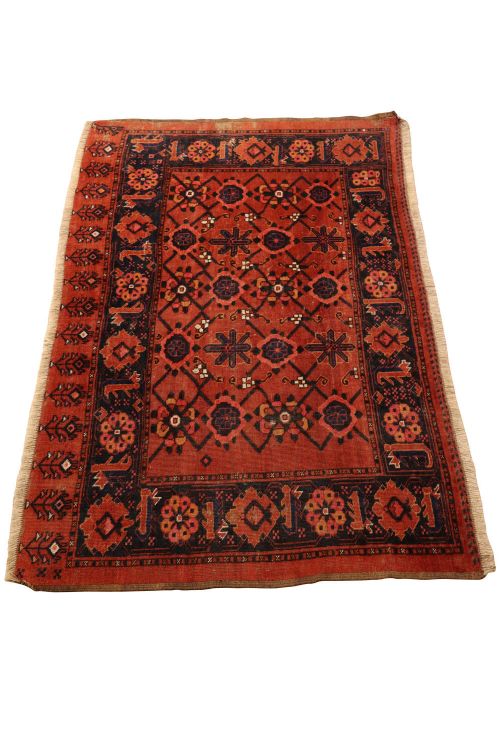


Vintage Hamadan Rug
These heavy hand-knotted floor coverings bring rich West Persian village character to a room.

Vintage Hamadan Rug
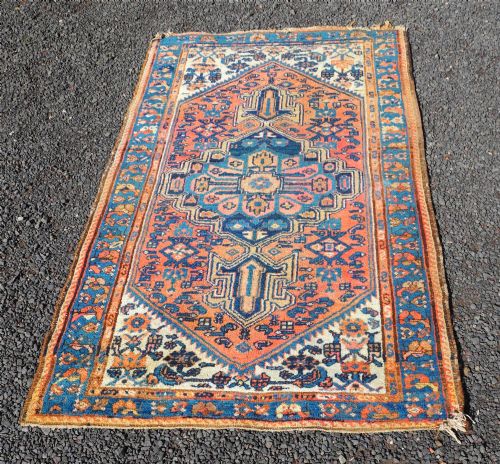
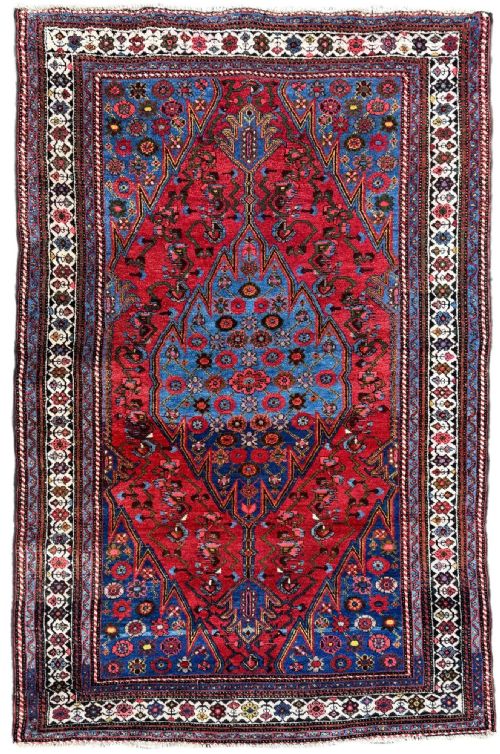
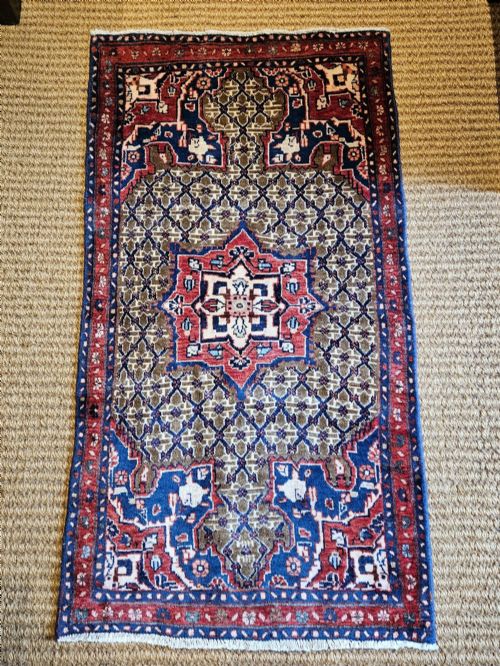
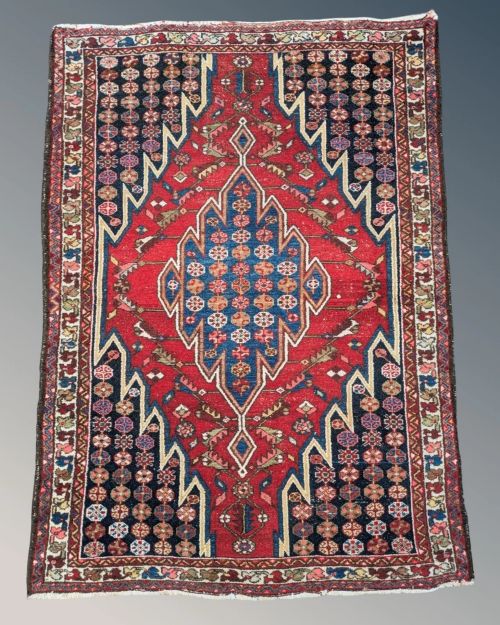
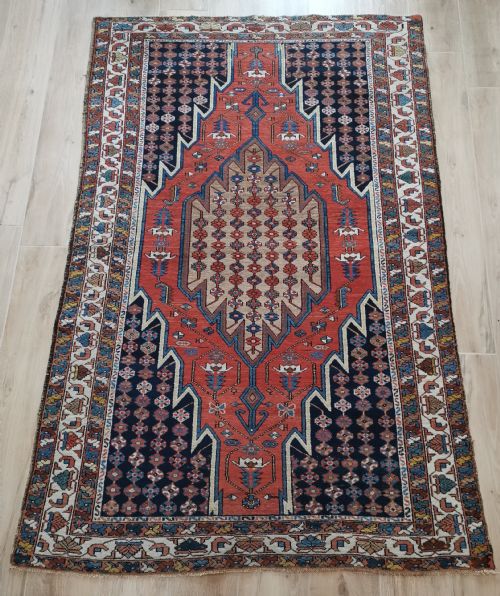
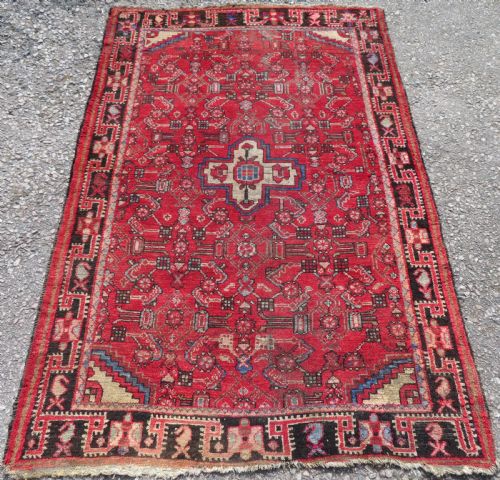
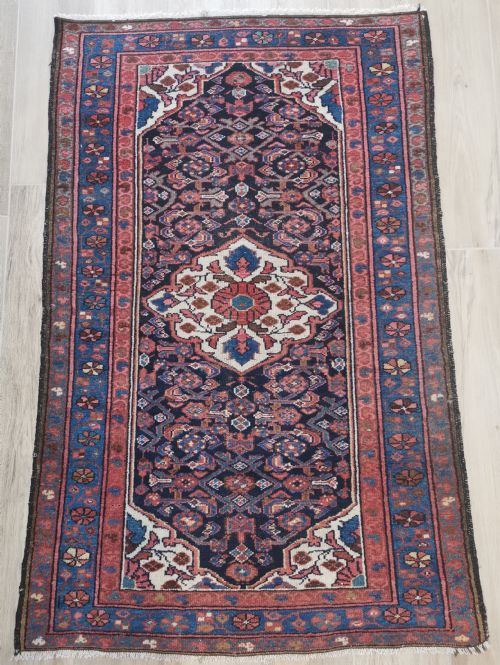
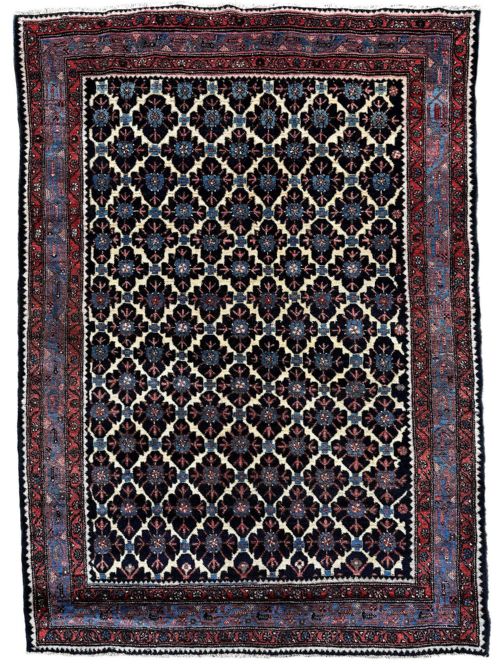
A vintage hamadan rug is a hand-knotted floor covering originating from the West Persian region, encompassing surrounding village workshops and tribal groups. When searching for a vintage hamadan rug, buyers encounter a variety of formats including area rugs, hearth sizes, and long hallway runners. These pieces date from the late nineteenth century through the middle decades of the twentieth century, reflecting traditional village weaving methods.
The assortment includes related regional types such as Mazlaghan, Malayer, and Kurdish pieces sharing the same West Persian provenance. Formats range from compact hearth rugs to substantial carpets and narrow runners suited for corridors. The palette and design vocabulary draw upon local tribal traditions and village workshops rather than formal court manufactories.
Materials and construction
Weavers utilised durable wool for the pile, providing a thick and resilient surface designed for everyday domestic use. Cotton foundations supplied the structural warp and weft threads, giving stability to the hand-knotted textile.
The knotting technique binds the wool tightly to the cotton foundation by hand, creating a dense pile that withstands heavy foot traffic. Natural dyes provide the underlying depth of colour, mellowing gracefully over decades of use.
Vintage Hamadan Rug Retail Price Guide 2026
Typical asking prices for vintage hamadan rug among the pieces listed under this phrase on Sellingantiques today, from the lower quarter to the upper quarter. They describe what is for sale here now, not the wider market.
Listings span production dates from the eighteen-seventies through the nineteen-forties, constructed primarily from wool and cotton.
Judging quality in village weaving
Knot density and structural tightness dictate the crispness of the geometric or floral patterns. Finer knotting allows intricate lattice and medallion details to emerge with clarity from the wool pile.
The integrity of the foundation and the uniformity of the wool pile determine structural endurance. Even wear across a thick wool pile indicates balanced materials and competent hand-knotting.
The Vintage Hamadan Rug Glossary
- Hamadan
- A major West Persian trading hub that collected and marketed rugs woven by surrounding villages and tribal groups. It gives its name to the diverse styles gathered from the region.
- Runner
- A long and narrow format designed specifically for corridors, hallways, and staircases. These pieces measure significantly longer than they are wide.
- Kelleh
- A large rectangular carpet format, longer than a standard room-size rug but broader than a runner. It provides substantial floor coverage for principal rooms.
- Warp
- The stationary vertical threads stretched on the loom that form the structural skeleton of the rug. Cotton is the standard material found in these foundations.
- Weft
- The horizontal threads passed alternately through the warp threads to lock the rows of knots in place. This technique secures the woven structure.
Vintage Hamadan Rug: Frequently Asked Questions
Where were these rugs made?
These textiles were produced in the West Persian city of Hamadan and the surrounding network of weaving villages and tribal settlements.
Local weavers drew upon regional traditions, utilising materials sourced directly from their surrounding agricultural and pastoral communities.
How do I use a runner?
Narrow runner formats suit hallways, corridors, and long entryways where linear floor coverage is required.
Their substantial wool pile provides durable cushioning for high-traffic domestic paths.
Are these rugs durable?
The combination of thick wool pile and sturdy cotton foundations creates a robust textile built for daily household life.
Proper placement and regular rotation help distribute foot traffic evenly across the surface.
How do I distinguish regional types?
Regional variations such as Mazlaghan or Malayer pieces exhibit distinct structural patterns and colour palettes rooted in specific village traditions.
Examining the weave density and foundation materials reveals the particular West Persian origin of each textile.