

Vintage Hallway Stand
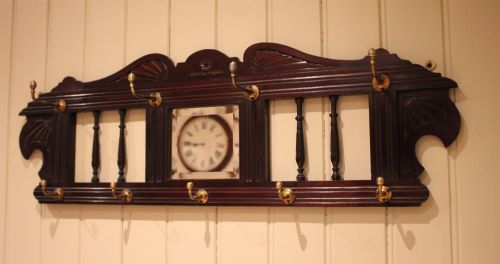
A vintage hallway stand anchors an entrance hall with practical utility, offering a designated place for coats, hats, and wet umbrellas.
Vintage Hallway Stand
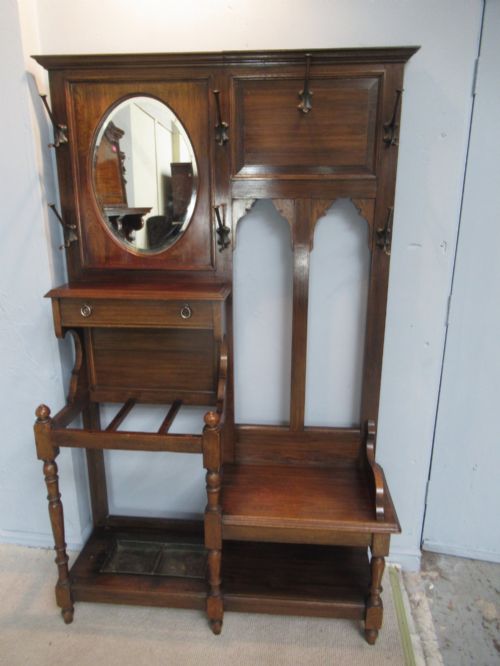
A vintage hallway stand encompasses various functional pieces designed for the entryway, spanning from compact umbrella holders to large multi-functional hall seats with integrated coat hooks and mirrors.
The selections on this page draw predominantly from the Victorian and Edwardian eras, alongside early twentieth-century examples that reflect traditional English domestic needs.
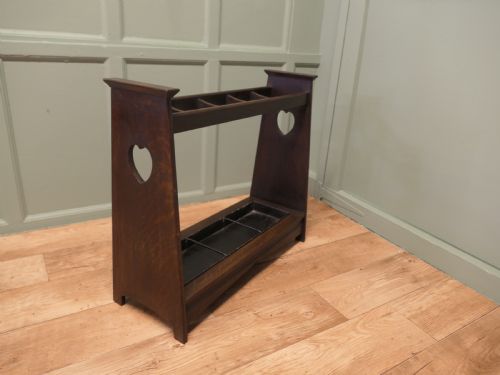
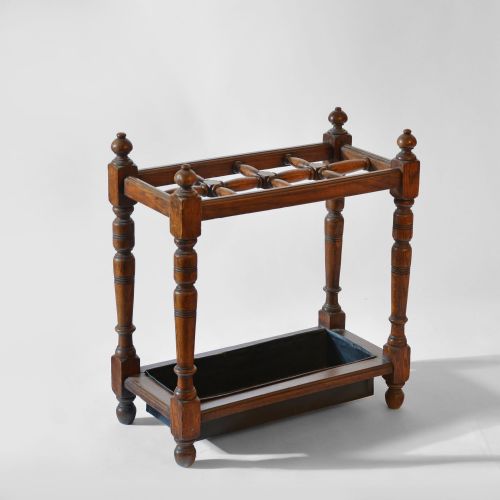
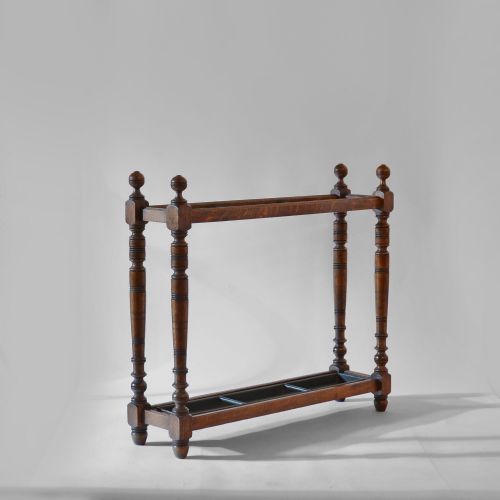
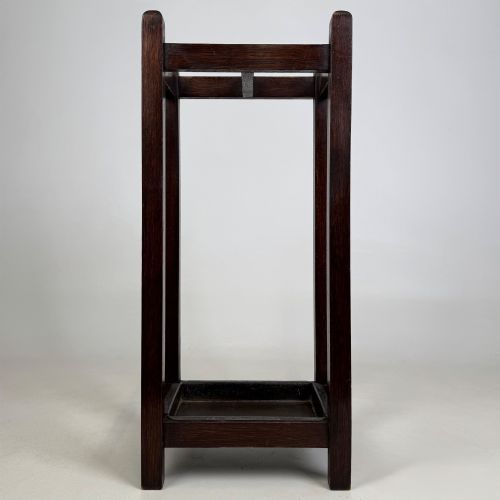
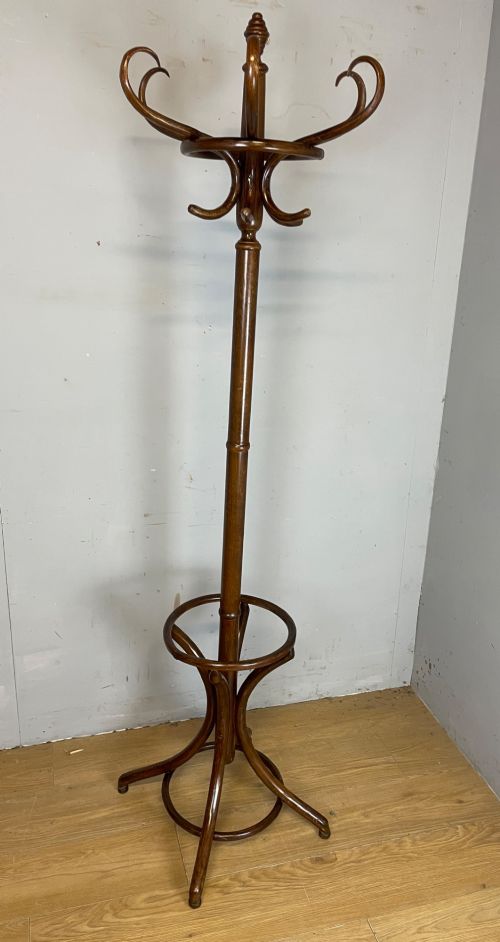
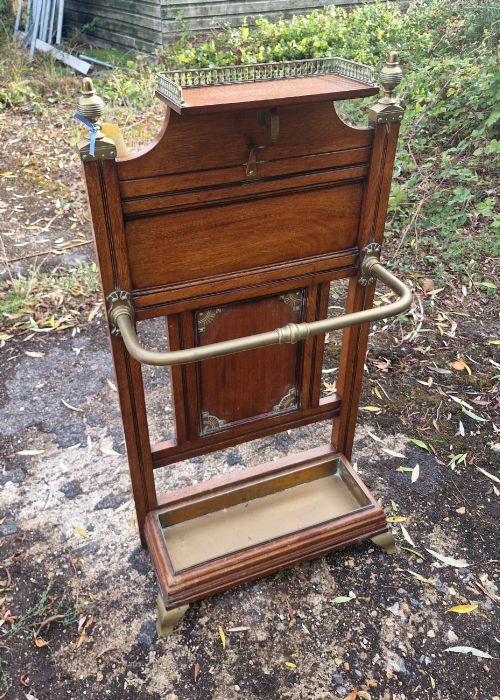
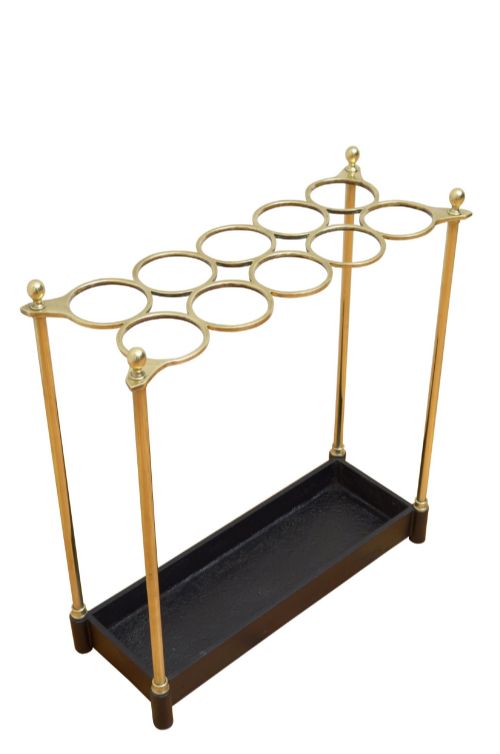
Buyers encounter distinct forms ranging from upright oak stick stands to bentwood coat racks in beech and elaborate cast iron umbrella holders.
Materials and construction
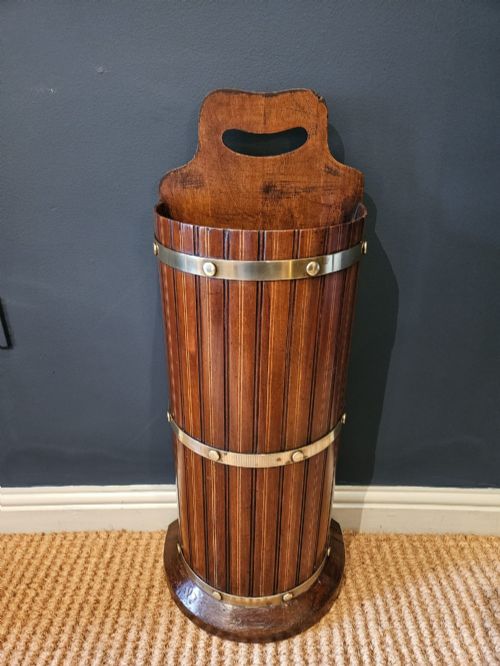
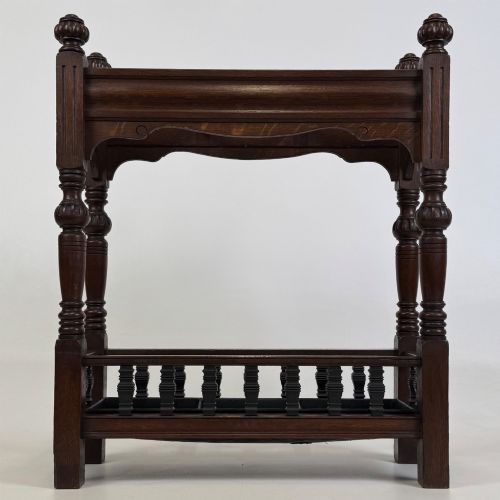
Solid timber forms the foundation for many pieces, utilising oak and mahogany frequently, often enhanced by coopered construction or decorative carving.
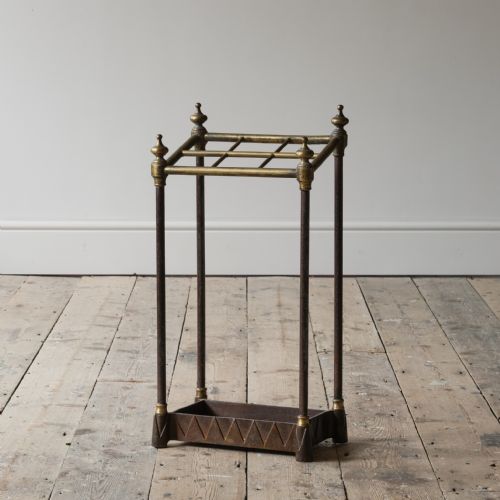
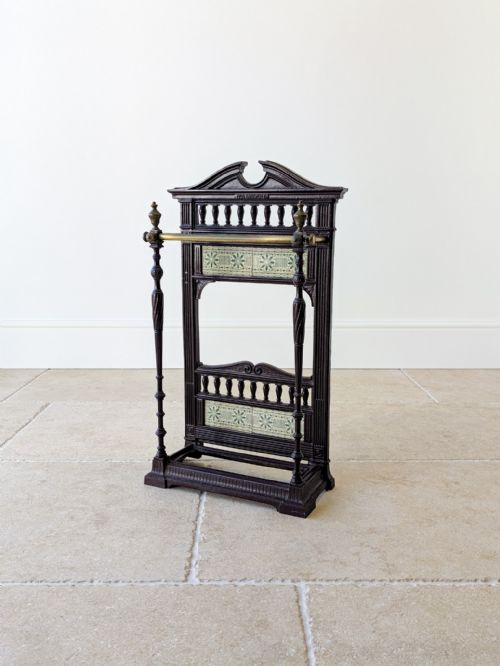
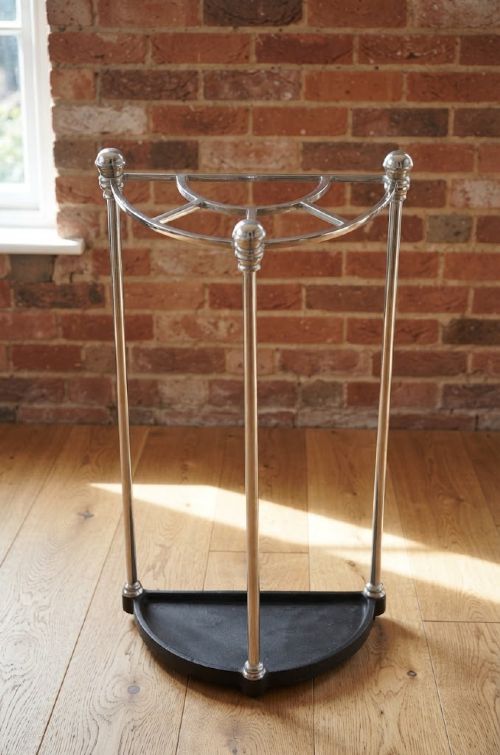
Metal components appear extensively through cast iron frames, brass bands, and nickel-plated divisions, frequently paired with original metal drip trays to catch moisture from walking sticks.
Steamed beech provides the flexible framework for bentwood stands, while copper and white enamel finishes define specific Art Nouveau interpretations.
Periods represented span from the nineteenth century through the Edwardian era and into the 1930s.
Craftsmanship and distinction
The division between standard utility items and superior examples lies in the integrity of the materials and the refinement of decorative details, such as brass finials and specific stylistic movements.
Makers working within the Aesthetic Movement and Arts and Crafts traditions applied considered design principles to everyday furniture, elevating simple oak and copper into sculptural focal points.
Coalbrookdale·Liberty Design
The Vintage Hallway Stand Glossary
- Bentwood
- Wood shaped by steaming and bending under pressure, commonly utilised for lightweight coat and hat stands.
- Coopered
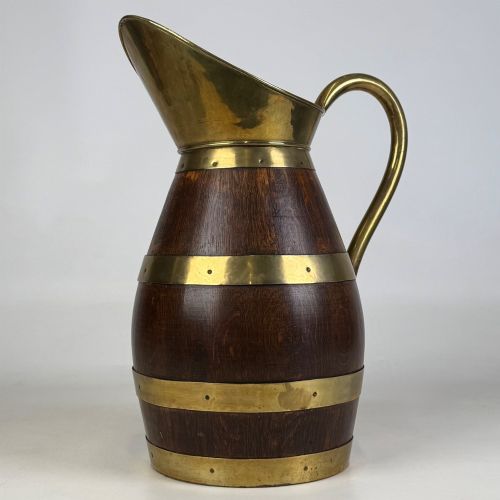
- Constructed from wooden staves bound together with metal hoops, typical of barrel-style umbrella and stick stands.
- Demi-lune
- A half-moon shape characteristic of umbrella stands designed to sit flat against an entryway wall.
- Drip tray
- A removable metal tray positioned at the base of stick stands to collect water from wet umbrellas and protect the flooring.
Vintage Hallway Stand: Frequently Asked Questions
What is a hallway stand used for?
These pieces serve as an organised drop-off point in an entranceway for daily outerwear and walking accessories. They keep coats, hats, and umbrellas contained in one designated spot.
Larger variations incorporate benches or seats, providing a convenient place to sit while removing shoes. Integrated hooks and umbrella divisions ensure that wet items dry properly without cluttering the passage.
How do I identify an Edwardian hallway stand?
Edwardian pieces often feature lighter golden oak timbers and cleaner lines compared to heavier Victorian predecessors. They frequently integrate bevelled mirrors and simpler geometric carvings.
The influence of the Arts and Crafts movement also appears in this period through exposed joinery and honest use of brass fittings.
Are cast iron umbrella stands heavy?
Cast iron stands possess substantial weight due to the density of the metal, which provides stability when holding heavy walking sticks and dripping umbrellas. This solid construction prevents the stand from tipping over during daily use.
Many examples include fitted metal drip trays inside the cast iron base to catch moisture and prevent rust accumulation.
How do I care for an antique oak hall stand?
Protect the wooden surfaces by applying occasional beeswax to maintain the finish and prevent the timber from drying out. Avoid placing wet items directly onto unprotected wood by ensuring drip trays remain functional.
Keep the stand away from direct heat sources to prevent the wood from warping or splitting over time.