
Gold Stick Holder
A gold stick holder encompasses diverse metal and ceramic vessels, uniting umbrella stands and candle holders sought for functional elegance.
Gold Stick Holder
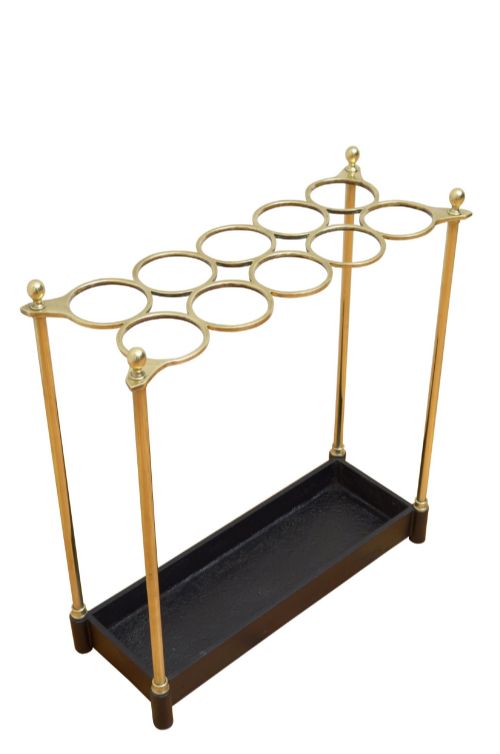
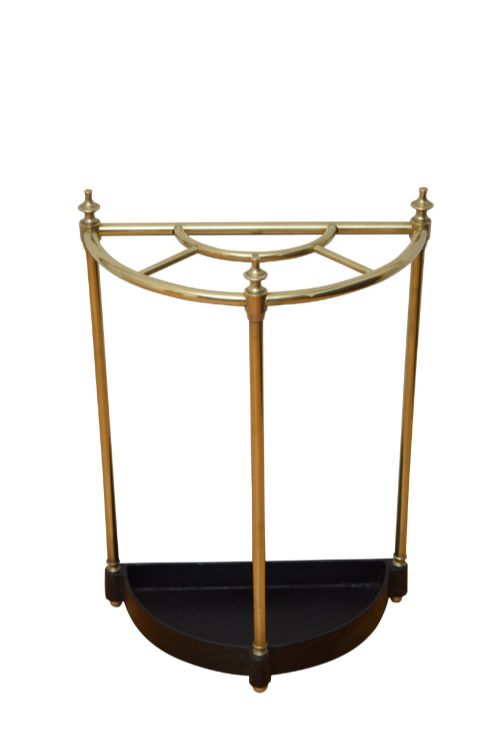
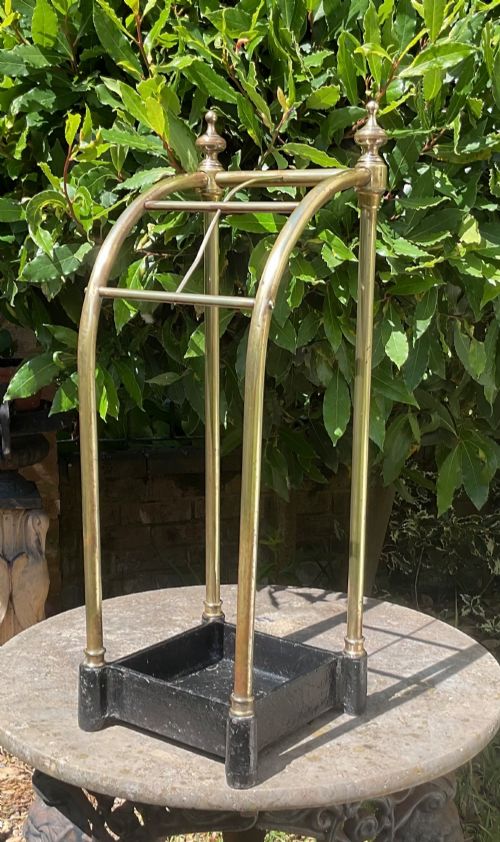
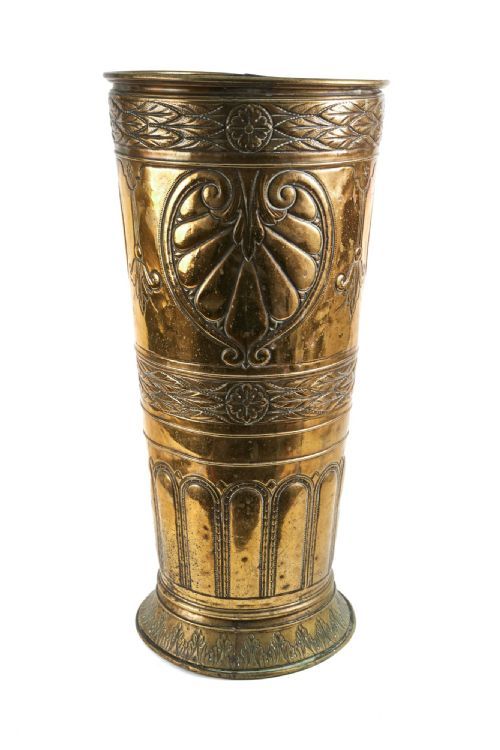
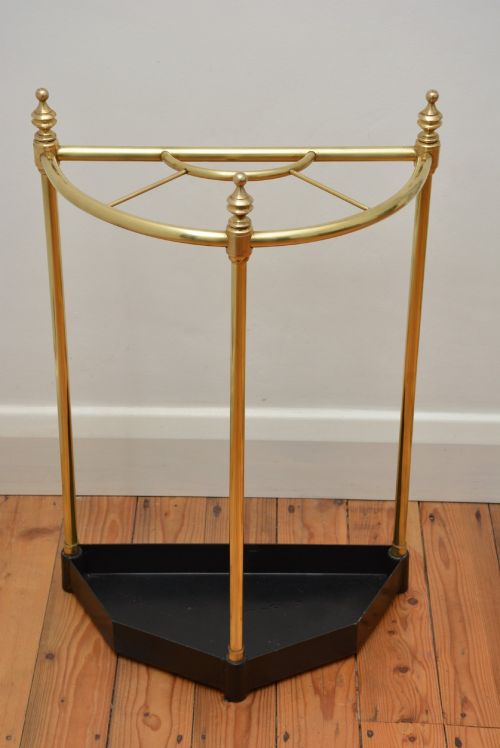
A gold stick holder search brings together two distinct household forms: tall hall stands for walking canes and umbrellas, and table vessels for candles. The brass umbrella stands and demi lune hall stands dominate the larger hallway pieces, often featuring drip trays and bun feet.
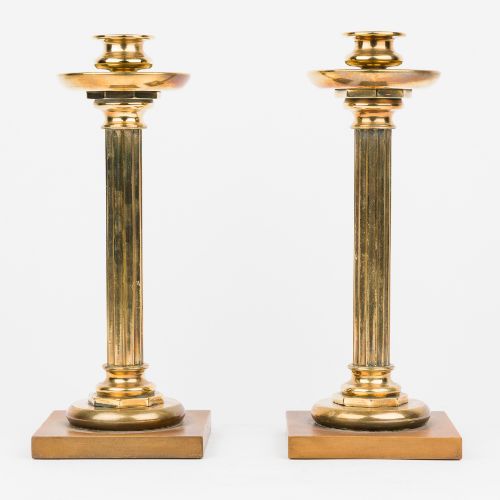
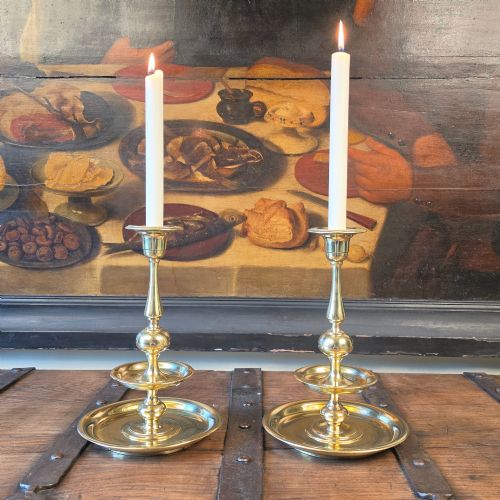
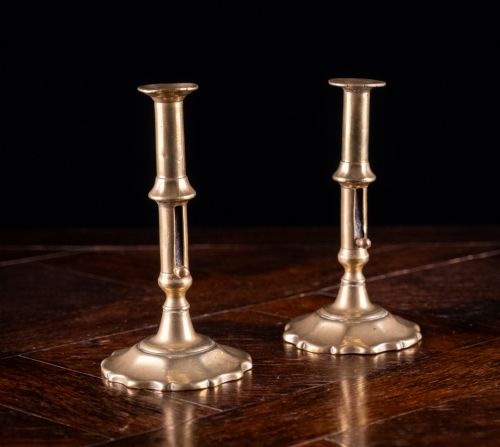
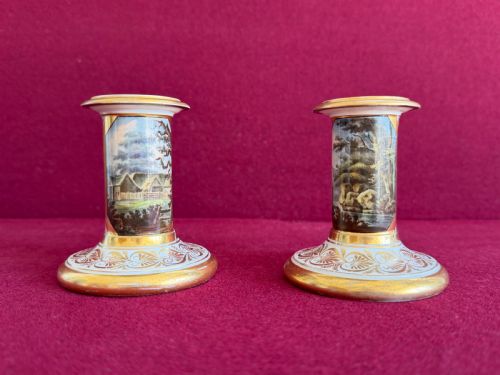
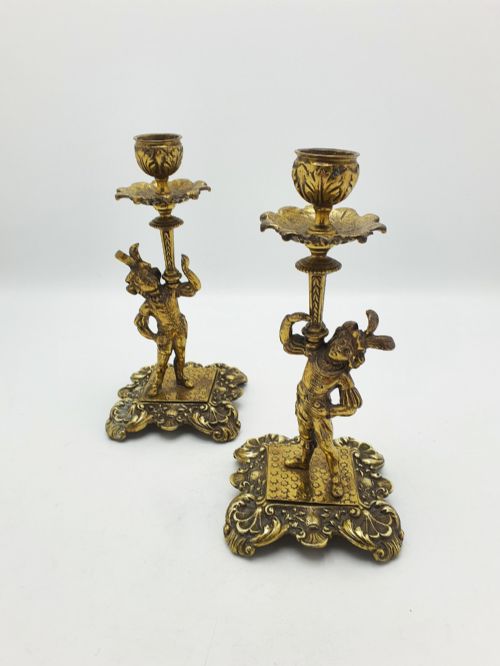
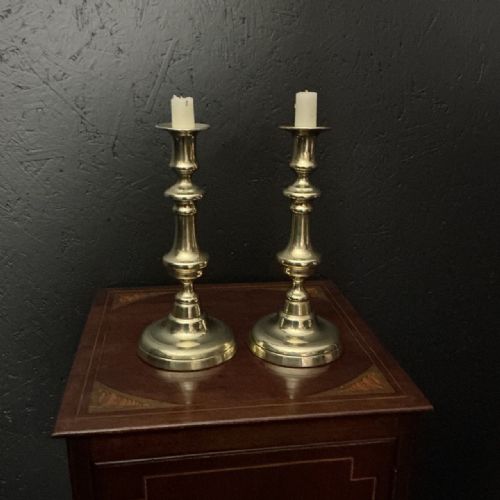
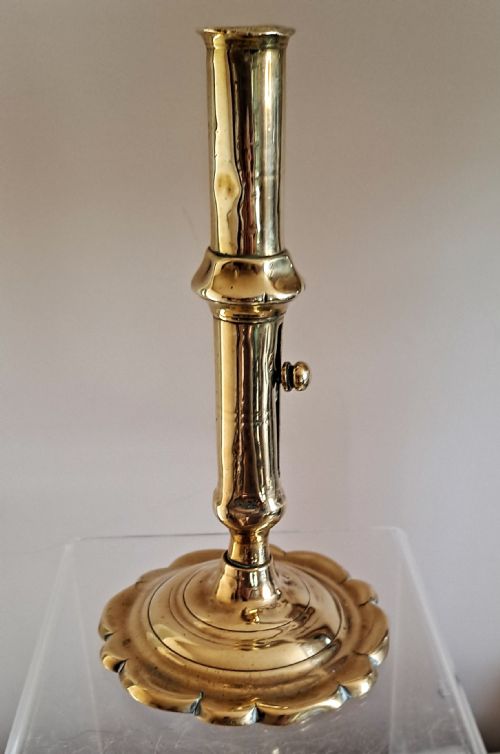
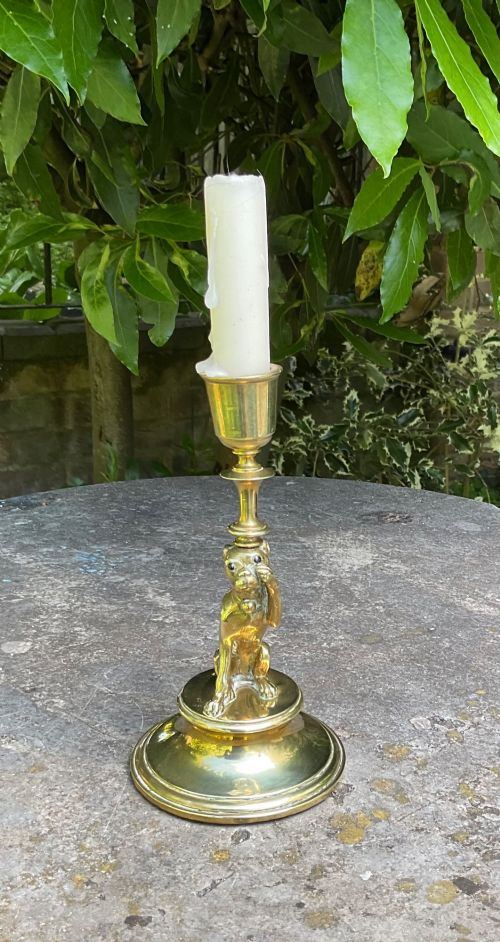
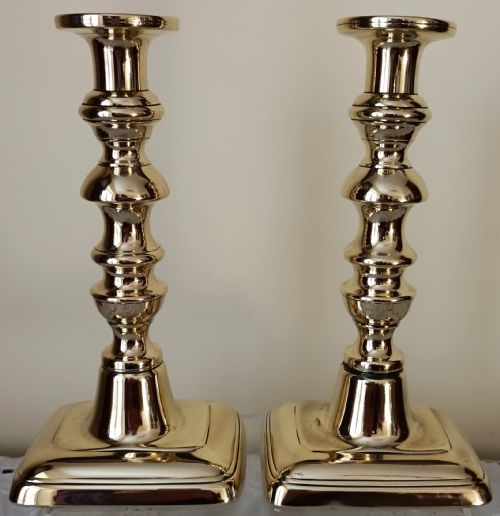
Candlesticks, candelabras and pricket sticks represent the smaller tabletop examples found across multiple periods. The inventory spans George II, Victorian, Edwardian and Art Deco eras, alongside French Rococo Revival and Gothic Revival pieces.
How they were made
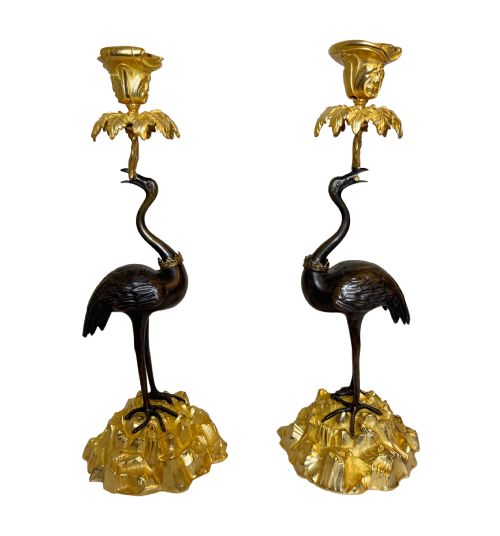
Metalworking dominates the production methods, utilising cast brass, gilt bronze, ormolu, bronze and cast iron. Many pieces employ decorative ball finials, figural motifs such as pug dogs and flamingos, or porcelain and enamel elements.
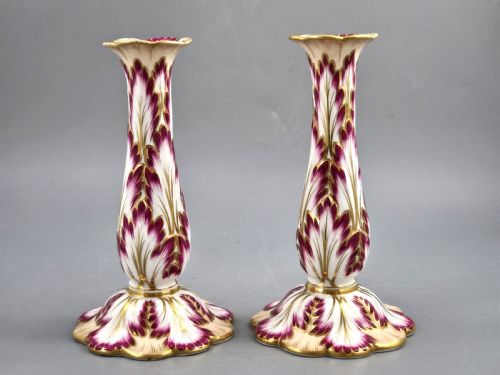
Pottery examples incorporate porcelain bodies with foliage patterns and specific maker marks. Iron and brass frameworks utilise demi lune shapes and structural drip trays to manage daily wear.
Listings feature brass, bronze, gilt bronze, cast iron, porcelain and enamel across the 18th, 19th and early 20th centuries.
What varies in quality
The refinement of the casting and finishing separates standard utility items from superior examples. Crisp detailing in figural elements, crisp petal bases and substantial weight in the brass or bronze distinguish finer works.
The integrity of applied gilding or ormolu, the precision of decorative finials, and the retention of original drip trays dictate the standing of individual pieces.
Ridgway·Barr Flight and Barr·J T and Co·J Miller·Falkirk Ironworks
The Gold Stick Holder Glossary
- Demi lune
- A half-moon shape common in wall-fitting umbrella stands designed to save hallway space. This curved profile allows the stand to sit flat against a wall.
- Pricket candlestick
- A candle holder featuring a central spike rather than a socket to secure the candle. These often appear in ecclesiastical or church contexts.
- Ormolu
- Gilt bronze ornamentation applied to decorative metalwork and candelabras. The technique involves creating a finely ground gold-mercury amalgam.
- Bun feet
- Small rounded feet that elevate umbrella stands off the floor. They protect the base and provide a stable footing on uneven hallway surfaces.
- Drip tray
- A removable metal base placed beneath umbrella stands or candlesticks to catch moisture or wax. This feature protects household flooring and furniture.
Gold Stick Holder: Frequently Asked Questions
How do I date antique brass candlesticks?
Dating relies on base construction, casting seams and stylistic shifts from Georgian pedestals to Victorian figural designs. Georgian examples often display petal bases and heavy solid casting.
Later Victorian and Edwardian pieces introduce machine-threaded components and varied motifs like pugs or flamingos. Maker marks and registration stamps also help narrow the production decade.
Were brass umbrella stands used indoors?
These umbrella stands served primarily as hallway furniture in large homes to receive wet walking sticks and umbrellas upon entry. Their brass and cast iron construction withstood daily damp conditions.
The inclusion of bun feet and removable drip trays protected interior wooden floors and carpets from pooling water.
What distinguishes church candlesticks?
Church candlesticks tend to be significantly taller and heavier than domestic table counterparts, often incorporating pricket spikes. They were designed for ecclesiastical altars and large ceremonial spaces.
Their construction utilises robust brass, bronze or gilt metal to support large ritual candles securely during services.