


Vintage Hall Console Table
A vintage hall console table anchors a narrow entryway with a useful surface and a distinct period outline.
Vintage Hall Console Table
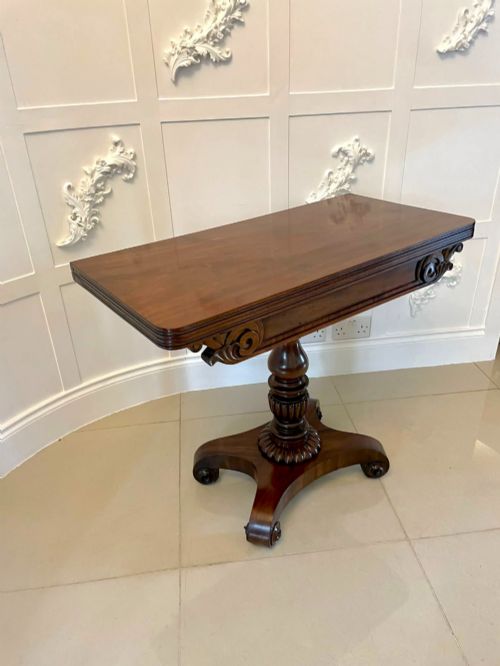
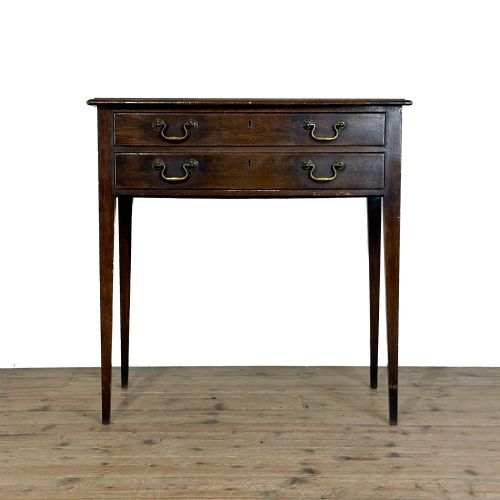
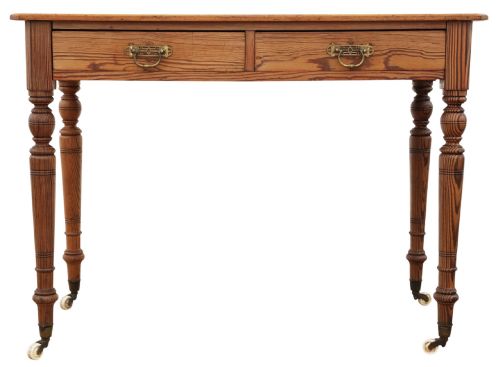
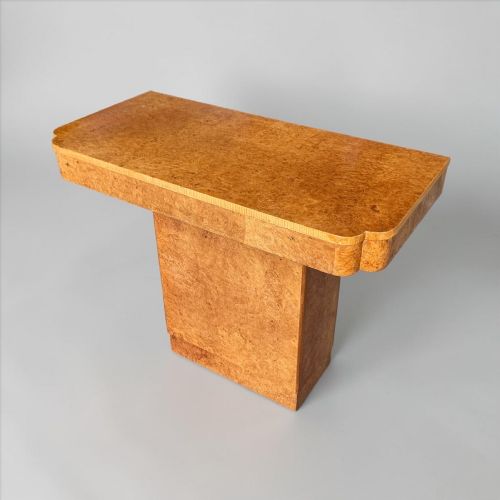
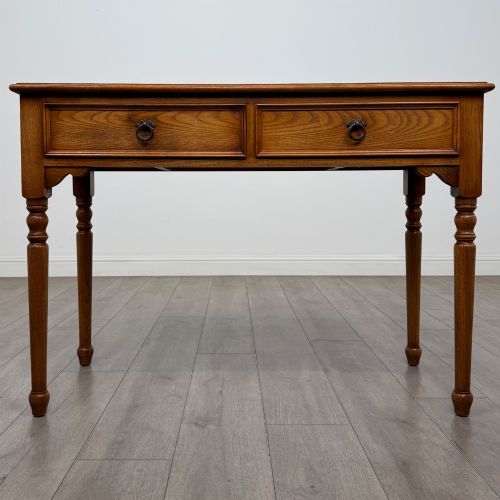
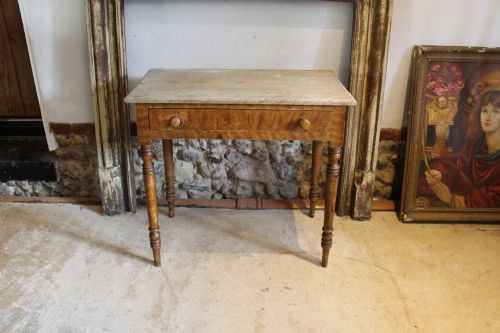
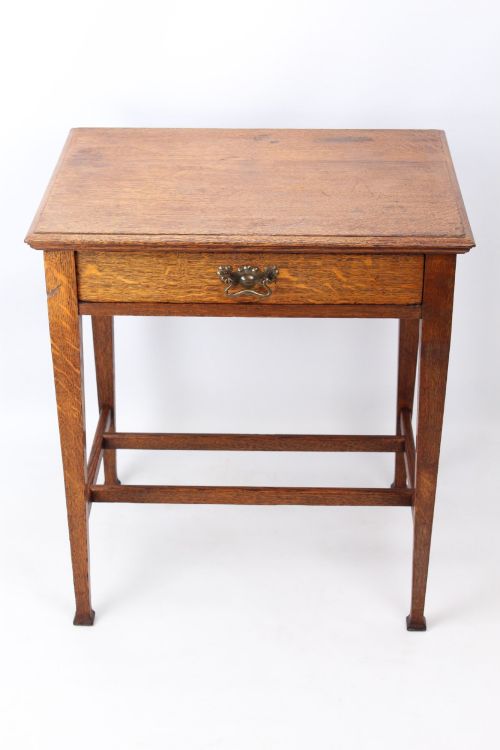
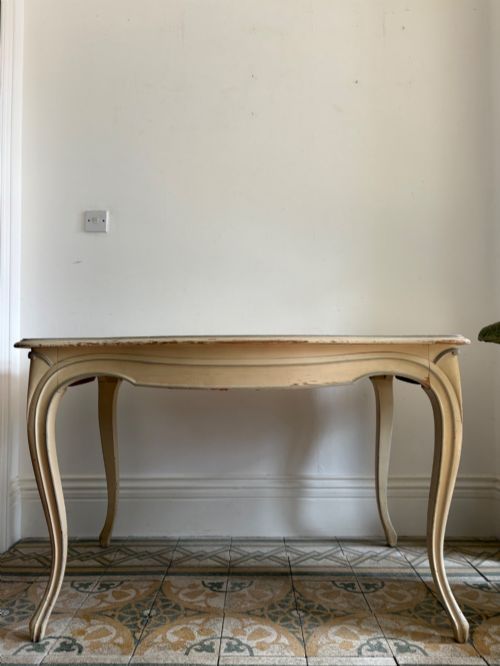
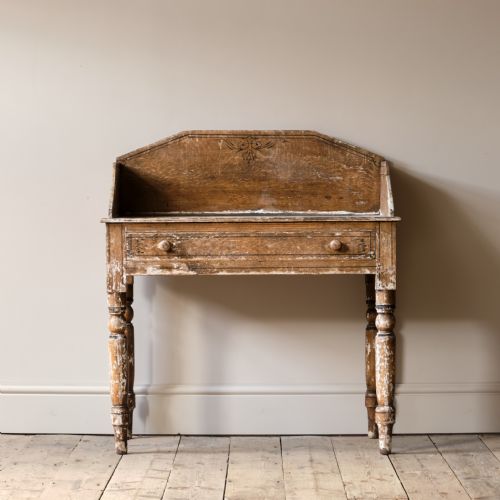
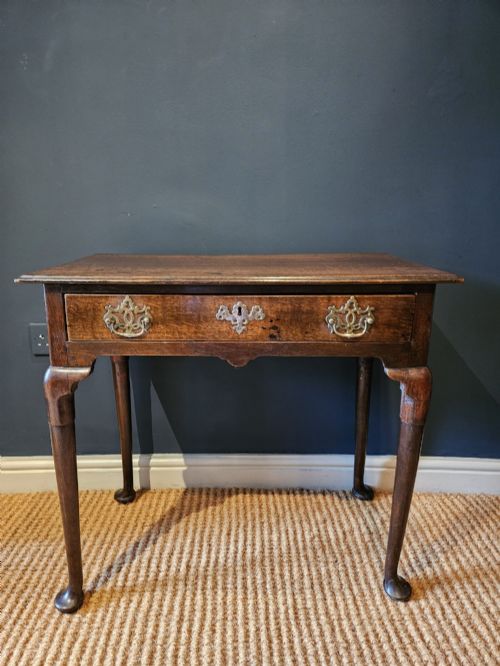
A vintage hall console table groups together narrow side surfaces, lowboys, washstands and serving tables adapted for narrow spaces. When you search for a vintage hall console table, you meet pieces spanning the eighteenth, nineteenth and early twentieth centuries, drawing on Georgian, Victorian, Edwardian and Art Deco tastes.
The selections on this page range from simple pine washstands and oak lowboys to figured walnut and mahogany serving tables. Many examples show the revival styles popular in the early twentieth century, alongside painted French and English country pieces designed to fit tight entranceways.
Makers and workshops constructed these tables primarily to stand against a wall, offering a shallow profile that leaves thoroughfares clear. The common thread among these varied objects is a surface at hand height supported by legs or pedestals suited to compact domestic settings.
Materials and construction
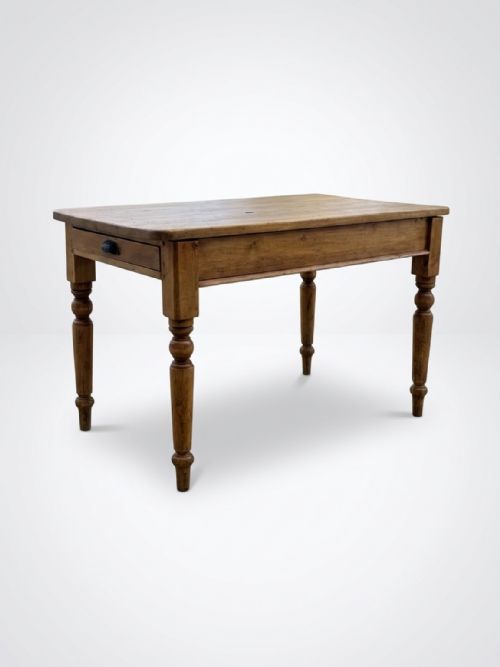
Cabinetmakers relied heavily on hardwoods such as mahogany, oak and walnut for formal pieces, often selecting figured or burr veneers to add pattern to the top boards. Softer timbers like pine served utility tables, frequently finished with scumble paint or plain coats of cream and colour.
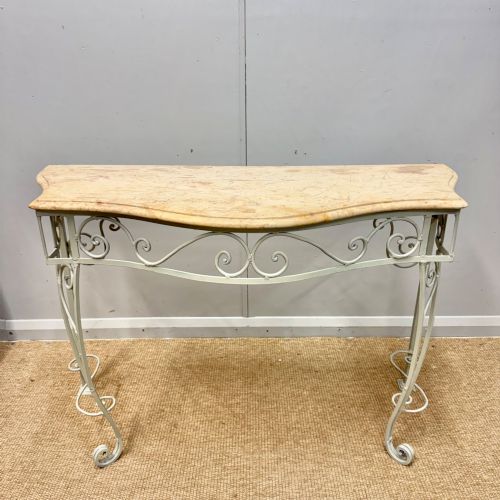
Construction methods range from traditional dovetailing in drawers to hand-carved details on Italian polychrome or Jacobean revival frames. Marble tops appear paired with wrought iron or carved wood bases, providing a durable, cool surface designed to withstand regular domestic traffic.
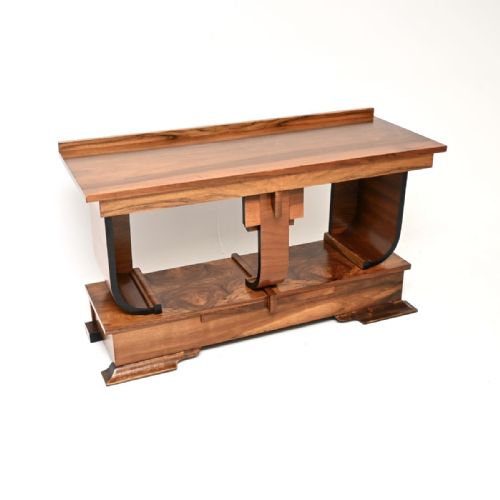
Console tables on this page incorporate diverse surfaces including inset suede, polished marble and solid figured wood.
Assessing craftsmanship and finish
Quality rests in the selection of timber and the crispness of the joinery rather than ornamentation alone. Finer examples display carefully matched grain patterns across drawer fronts and tops, along with well-proportioned legs that bear weight cleanly without heavy bracing.
Surface treatments reveal the hand of the maker, from smoothly polished walnut and mahogany to cleanly applied decorative paint or patinated wrought iron. Tables that retain original hardware and unaltered structural timbers command closer attention from those seeking period integrity.
Amleto Bertoni·Beresford & Hicks London
The Vintage Hall Console Table Glossary
- Lowboy
- A small side table with one or more rows of drawers, standing on relatively tall legs. These pieces date back to the eighteenth century and serve well in narrow halls.
- Demi lune
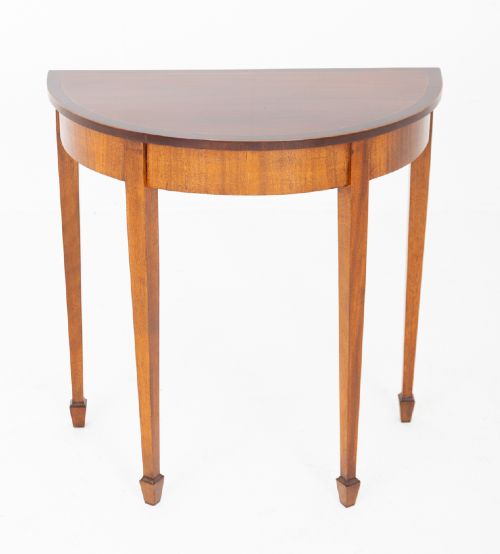
- A half-moon shape used for console tables designed to sit flat against a wall. This profile minimises the footprint in confined hallways.
- Scumble
- A decorative painting technique used to imitate the grain of more expensive woods on a simpler timber base. Victorian pine tables often feature this finish.
- Washstand
- A utilitarian piece of furniture originally built to hold a basin and jug, now repurposed as a narrow console table. Many retain tiled backs or marble tops.
Vintage Hall Console Table: Frequently Asked Questions
What is a console table used for?
A console table provides a shallow surface in hallways and reception rooms for small items, keys and decorative objects. Its narrow footprint ensures it fits tight spaces without blocking movement.
Historically, these tables stood against walls beneath mirrors or paintings, completing the decorative scheme of an entrance hall.
How do I measure for a hall table?
Measure the available width and depth of your hallway wall, ensuring you leave adequate clearance for doors and foot traffic. Pay particular attention to the depth of the table top so it does not protrude too far into the walkway.
Consider the height of skirting boards and any wall sockets when checking if a table will sit completely flush against the plaster.
Are marble top tables heavy?
Tables featuring inset marble or stone tops carry significantly more weight than all-wood equivalents. This added mass helps anchor the piece firmly against the wall without requiring permanent fixings.
When moving these tables, lift the stone slab separately if possible to reduce the overall weight and prevent damage to the frame joints.
How do I tell an Edwardian table from a Victorian one?
Edwardian tables often display lighter timbers, simpler lines and a revival of earlier eighteenth-century proportions. Their construction frequently reflects mass production alongside traditional hand joinery.
Victorian pieces tend to use denser native or imported woods with heavier turnings, darker finishes and more robust drawer framing suited to heavier daily use.