
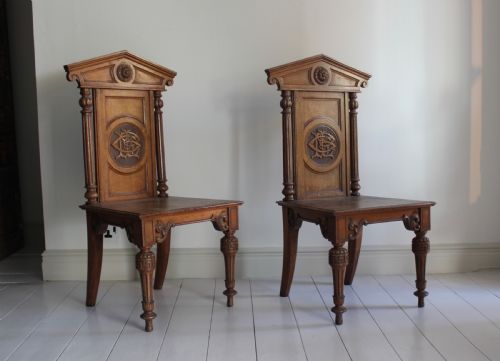

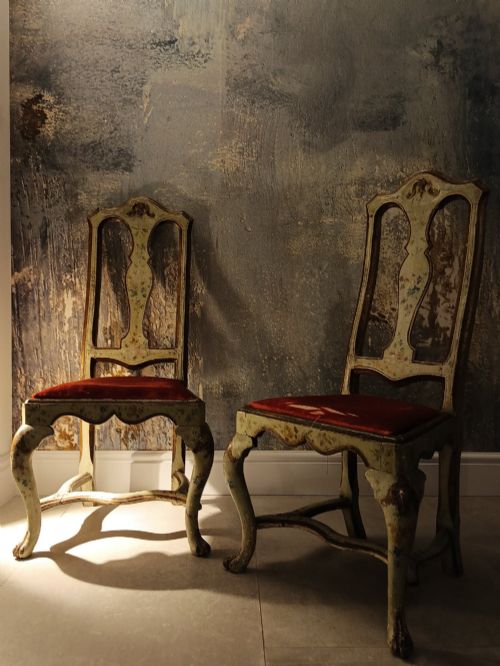
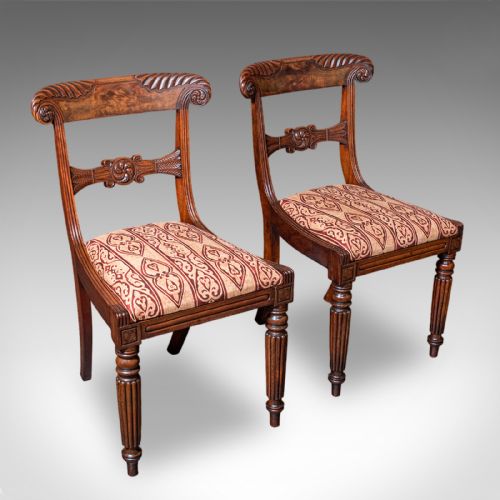
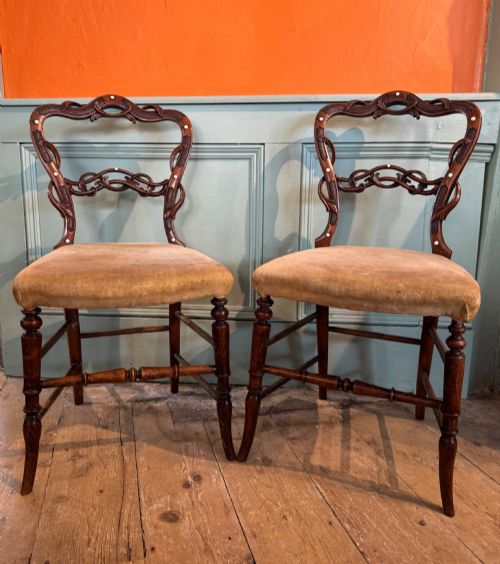
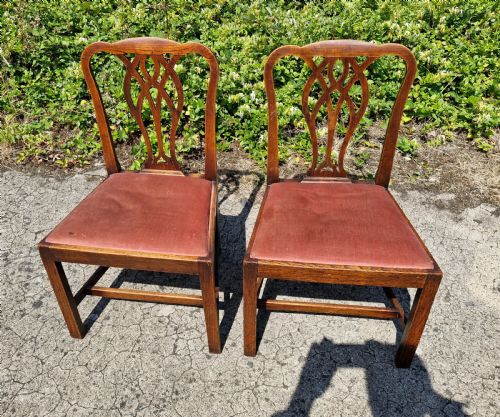
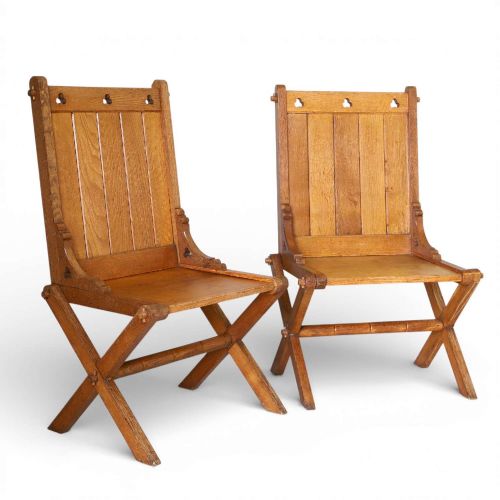
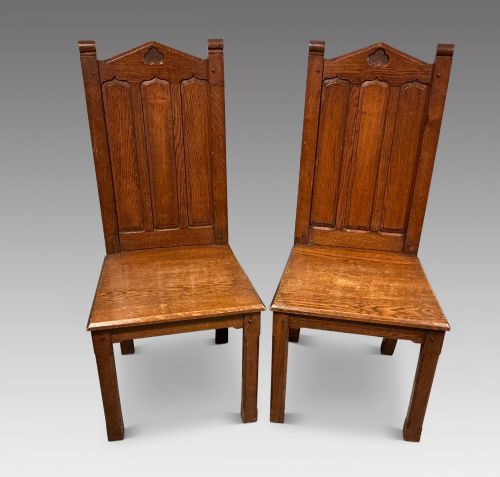

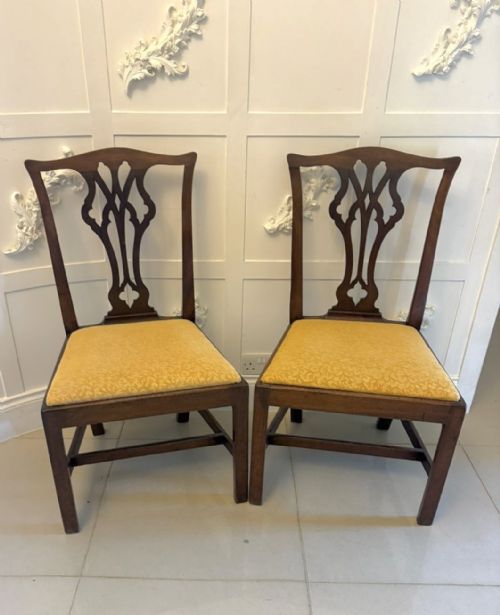


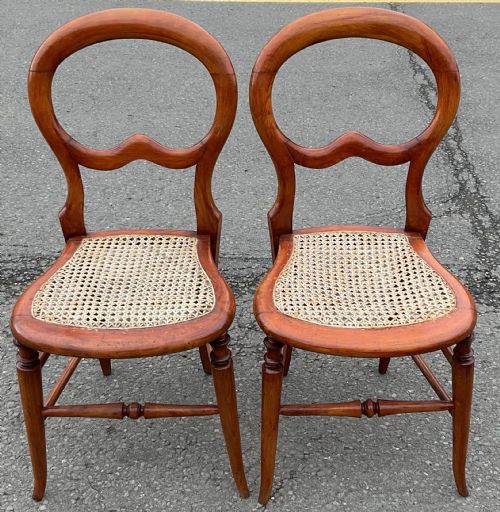

Vintage Hall Chairs Pair
These vintage hall chairs pair selections bring together sturdy timber seating designed to flank a hallway or reception space.
Vintage Hall Chairs Pair
A vintage hall chairs pair typically consists of matching wooden seats created for hallways, reception rooms, and grand entrances, often featuring rigid upright backs and solid timber panels.
The selections available span multiple eras, ranging from eighteenth-century oak and mahogany examples to Victorian, Edwardian, and twentieth-century interpretations.
While many listings explicitly designate hall chairs, buyers also encounter related forms such as side chairs, armchairs, and occasional seating sharing similar stylistic origins.
Assessing Quality in Matching Pairs
Quality rests upon the crispness of the timber carving, the integrity of the joinery, and the preservation of original surfaces across both chairs in the set.
Subtleties in grain matching and the fidelity of revival styles, whether Gothic, Jacobean, or Chippendale, distinguish standard workshop output from exceptional cabinet work.
Listings feature oak, mahogany, walnut, and elm across periods spanning the eighteenth, nineteenth, and early twentieth centuries.
Waring & Gillow·White, Allom & Co.·Whytock & Reid of Edinburgh
The Vintage Hall Chairs Pair Glossary
- Hall chair
- A stiff-backed wooden chair designed for placement in a hallway or landing rather than for long periods of lounging.
- Side chair
- An upright chair without arms, intended for dining or occasional use around a room.
- Gothic Revival
- A nineteenth-century design movement drawing inspiration from medieval architecture, noted for pointed arches and trefoil details.
- Barley twist
- A woodworking technique turning timber into a spiral shape resembling twisted barley sugar, common on seventeenth-century and revival furniture.
- Curule
- An ancient Roman X-frame chair design revived during the nineteenth century in various European styles.
Vintage Hall Chairs Pair: Frequently Asked Questions
Where should I place these chairs?
These chairs suit narrow hallways, landings, and entrance spaces where their upright profiles function both as decorative focal points and functional seats.
They also work effectively in reception rooms or as occasional seating paired with a central table.
How do I care for wooden hall chairs?
Maintain the timber by keeping the chairs away from direct heat sources and sudden humidity changes that cause wood to split.
Apply a traditional wax polish occasionally to nourish the surface and preserve the natural grain of the oak or mahogany.
Are these chairs comfortable for daily sitting?
Most historic hall chairs prioritise a rigid, upright posture over plush comfort, reflecting their original purpose as occasional seating for guests waiting in halls.
Variants featuring upholstered pads or armrests offer a slightly more relaxed sit than stiff wooden panels.
How do I identify the period of a pair?
Dating relies on examining the timber species, construction joints, and stylistic revival markers such as Gothic trefoils or Jacobean turning.
Comparing the wear patterns and tool marks across both pieces helps confirm their age and originality as a matched set.