
Vintage Hall Bench
A vintage hall bench provides a practical seat and storage space in an entranceway, combining utility with period character.
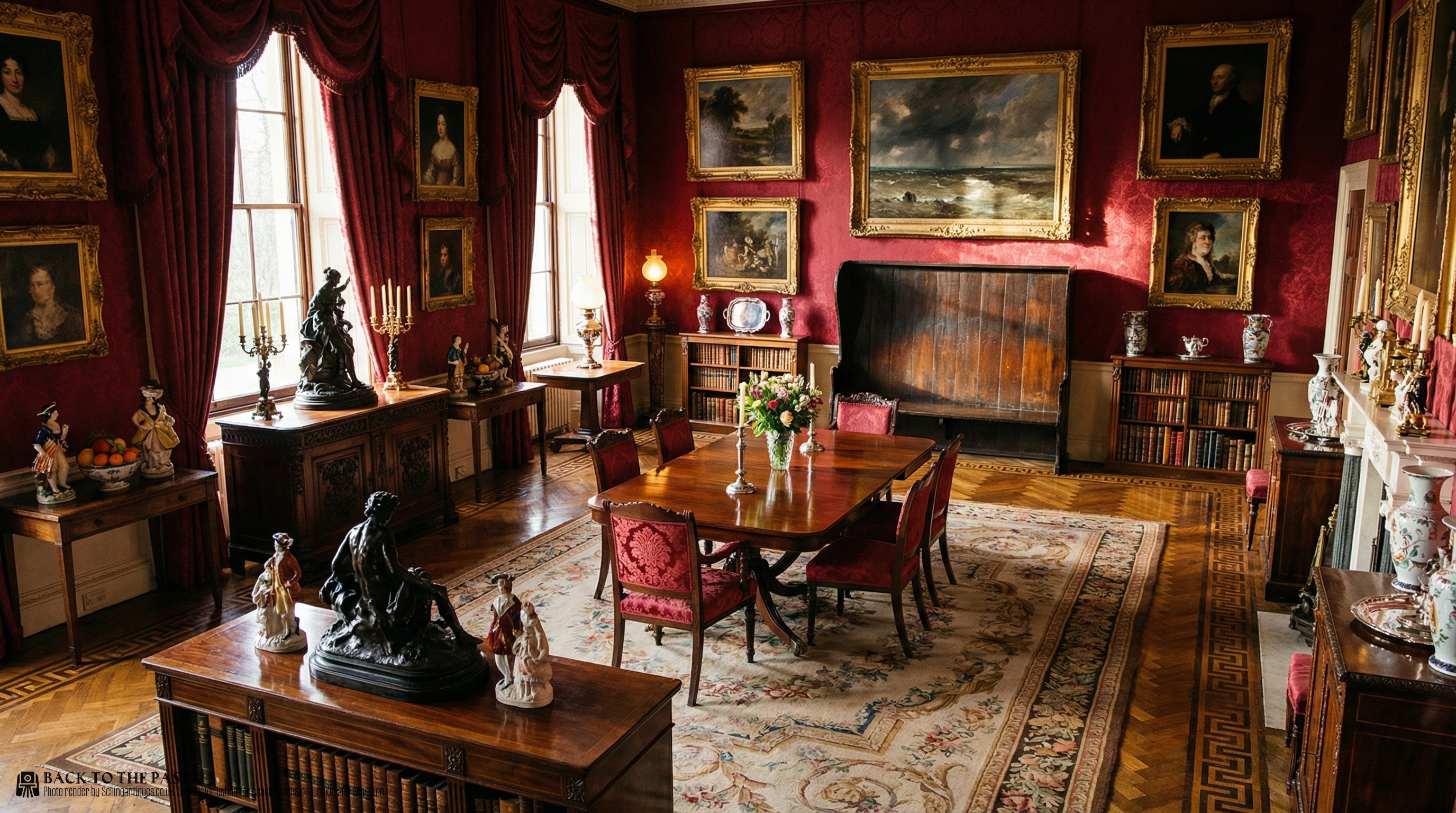
Vintage Hall Bench
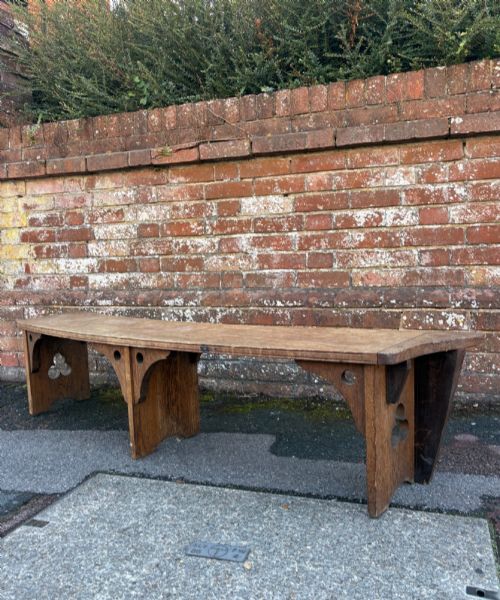
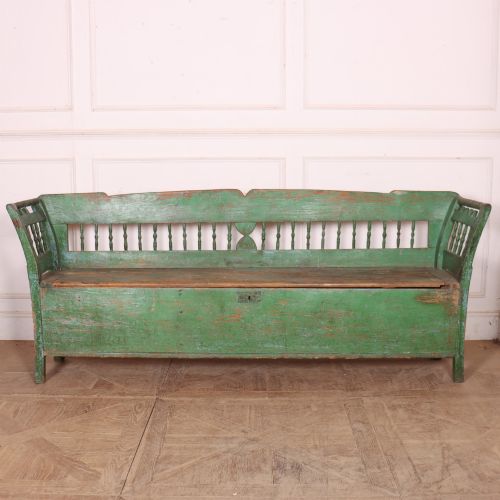
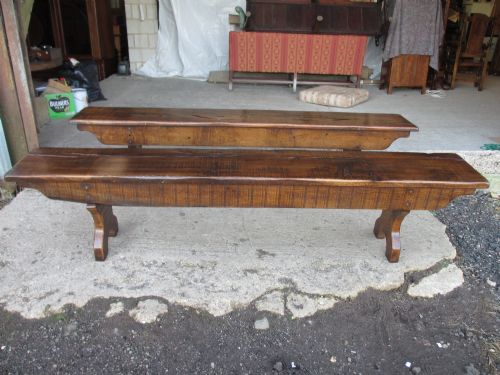
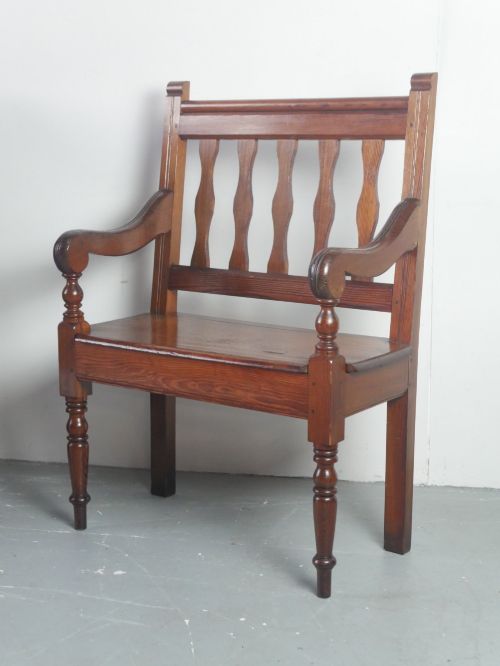
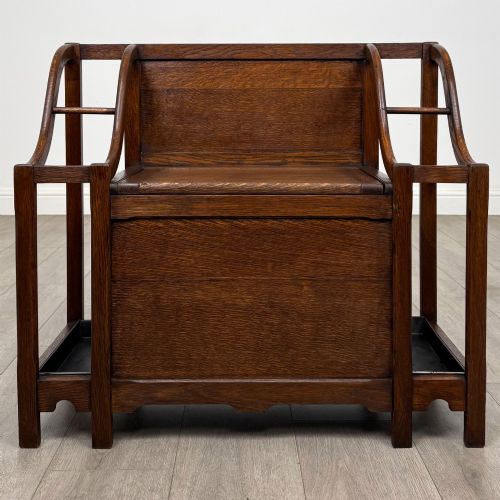
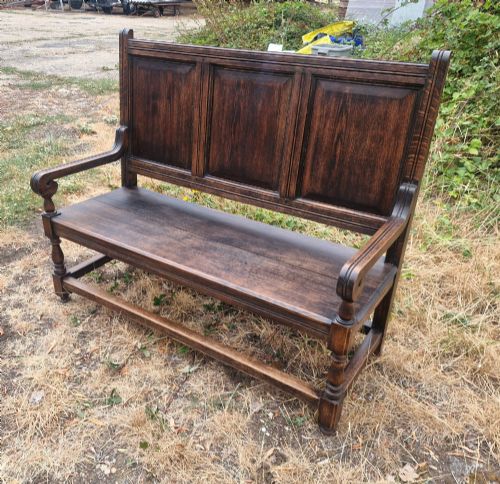
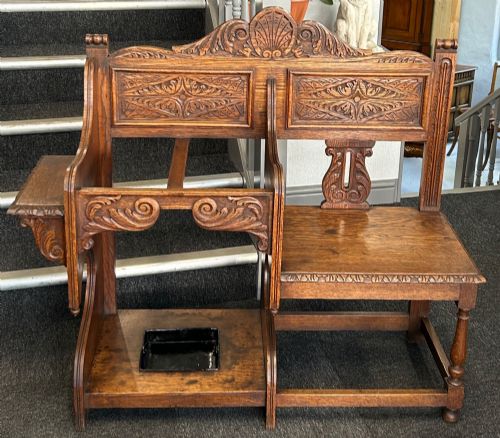
A vintage hall bench serves as a functional seating option for corridors and entryways, often incorporating integrated storage solutions such as lift-up seats or box bases. The selection ranges from compact Edwardian oak seats to long pine benches and substantial nineteenth-century church pews.
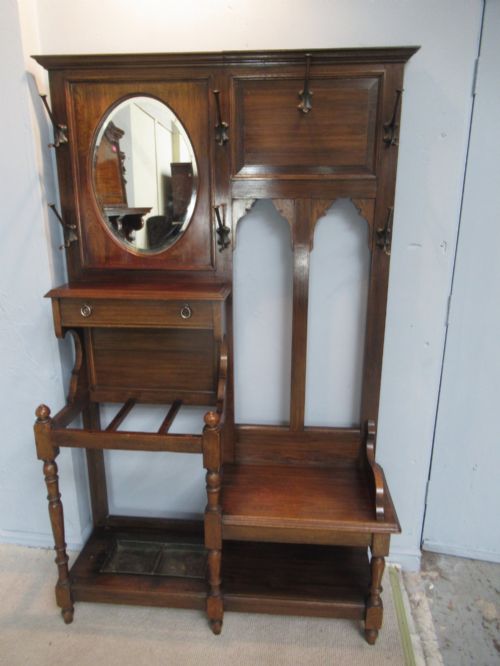
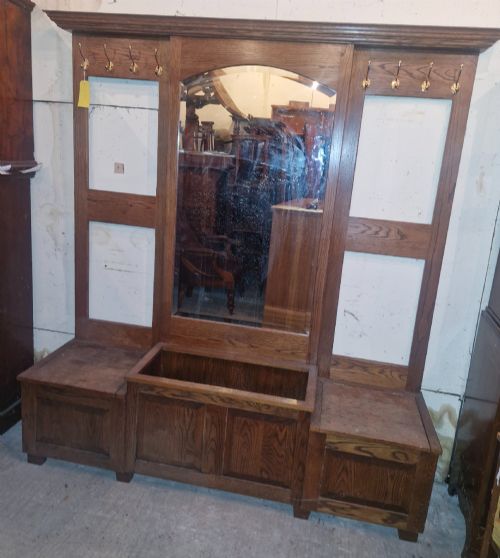
The forms frequently combine multiple functions, appearing as hall stands with integrated hat and coat hooks, umbrella stands, or folding tables. Buyers will regularly encounter styles spanning the Victorian, Edwardian, and Georgian periods, alongside rustic farmhouse and continental examples.
Originating from diverse domestic, ecclesiastical, and regional traditions, these pieces utilise timber frames suited to heavy daily use in narrow spaces. The most common varieties feature carved or panelled oak construction, alongside painted pine and mahogany finishes.
What varies in quality
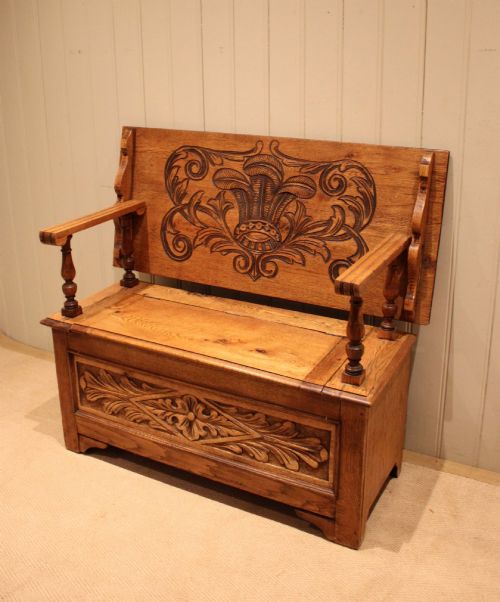
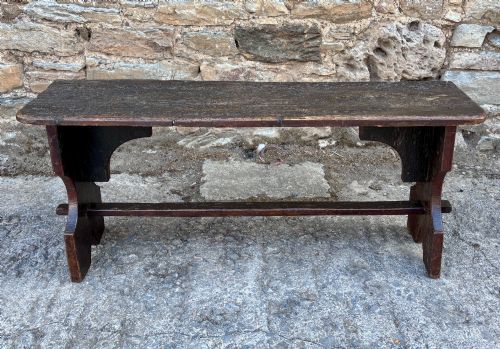
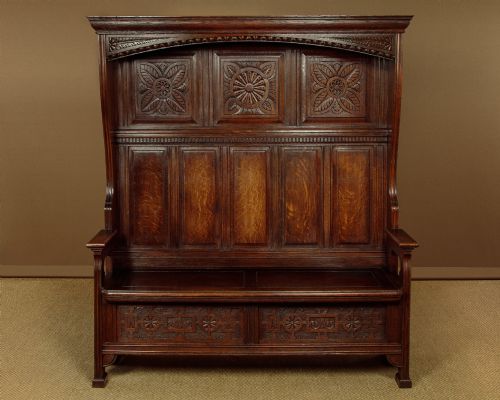
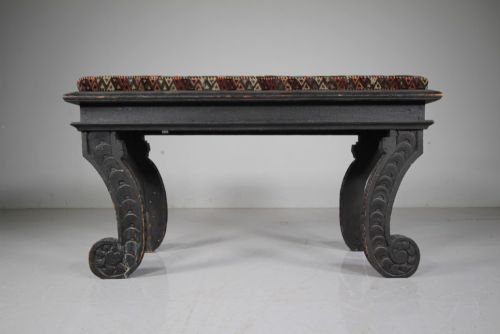
The quality of a vintage hall bench is determined by the selection of timber and the integrity of its original construction, such as solid oak versus secondary pine. Superior examples display crisp, hand-executed carving and well-proportioned architectural details like canopy tops or shaped trestles.
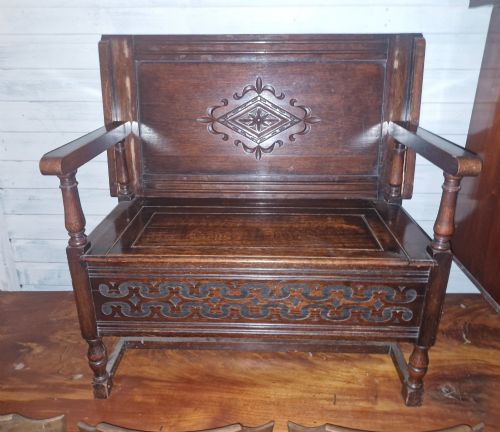
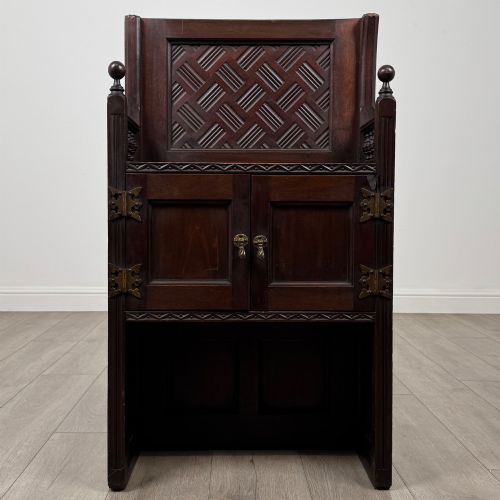
Originality of surface finish and hardware significantly influences overall merit, with period-correct brass hooks and untouched waxed or painted patination commanding attention. Multi-functional pieces that retain their original mechanical elements, such as folding tops or lift-up compartments, demonstrate superior craftsmanship.
Listings feature pieces spanning from the Georgian period through the Victorian and Edwardian eras into the twentieth century.
Liberty·Pugin·Shapland and Petter
The Vintage Hall Bench Glossary
- Cassapanca
- An Italian wooden bench featuring a hinged seat forming a chest, often ornamented with carved panels. This form combines seating with substantial storage capacity.
- Box settle
- A high-backed wooden bench with enclosed sides and a storage compartment beneath the hinged seat. It protected sitters from draughts in historical hallways.
- Luggage rack
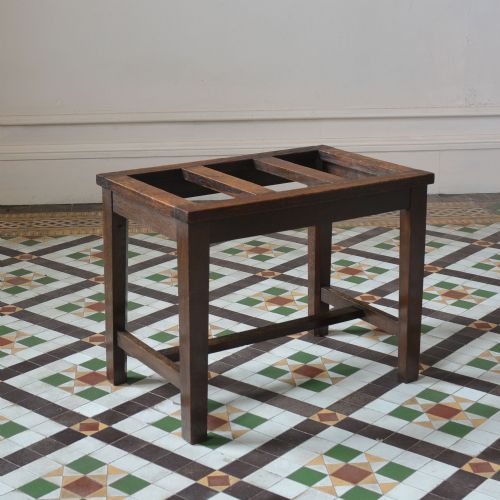
- A wall-mounted or freestanding slatted shelf designed for holding bags and coats, frequently combined with bench seating in Edwardian halls.
- Trefoil
- A three-lobed decorative carving resembling a clover leaf, commonly found in Gothic revival and Arts and Crafts woodwork. It provides architectural ornamentation to backrests and supports.
- Settle
- A wooden bench with high arms and a high solid back designed to block cold air. Early versions often incorporate panelled lower boxes.
Vintage Hall Bench: Frequently Asked Questions
What is a vintage hall bench used for?
These pieces provide a designated seat for putting on shoes while offering integrated storage for hats, coats, and umbrellas in narrow entranceways. Many designs incorporate lift-up seats, boxes, or coat hooks to maximise floor space.
Historically, they served as functional furniture for guests and residents to shed outdoor garments before entering the main rooms of a house. Today, they fulfil the same practical role while adding historical character to modern hallways.
How do I date a hall bench?
Dating relies on examining the timber species, construction methods, and stylistic motifs present in the woodwork. Pieces from the Georgian and Victorian eras often feature heavy oak or pine, while Edwardian examples commonly showcase lighter inlaid mahogany or Arts and Crafts influences.
Hardware such as brass coat hooks, hinges, and original painted finishes also provide clear indicators of period manufacture. Comparing the decorative carving style to documented furniture eras helps narrow down the decade of production.
Where should I place a hall bench?
An entryway, hallway, or boot room provides the ideal setting, allowing the bench to function as a practical drop zone for daily outdoor wear. Selecting a model with coat hooks or shoe storage helps keep narrow corridors clear of clutter.
They also work effectively in large landings, dining rooms, or beneath windows as alternative seating options. Ensuring adequate clearance for fold-over tops or lift-up seats is essential when positioning the furniture.
Are hall benches comfortable for sitting?
Most antique hall benches feature rigid wooden seats designed for short-term use rather than lounging. Adding a custom fabric cushion, squab pad, or window seat pad increases comfort significantly.
High backs and supportive armrests, particularly on settle designs, offer an enclosed and supportive posture. The primary function remains utilitarian, prioritising durability and storage over soft upholstery.