

Vintage Grey Drawers
These vintage grey drawers combine utility with painted surfaces, offering practical storage finished in muted tones that suit modern interiors.
Vintage Grey Drawers
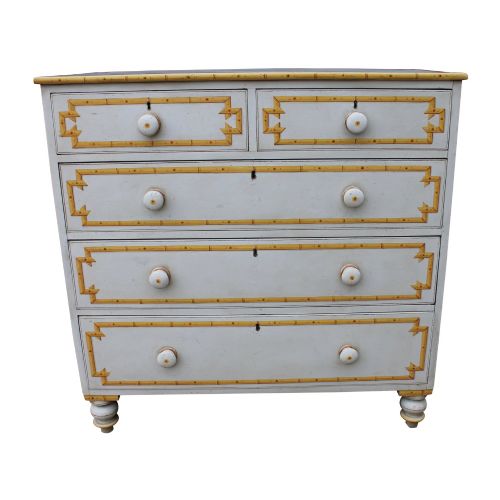
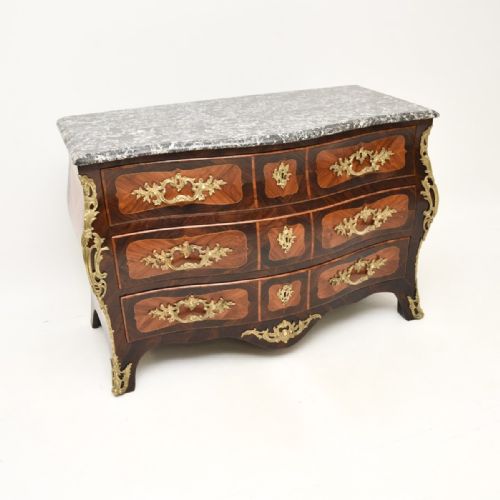
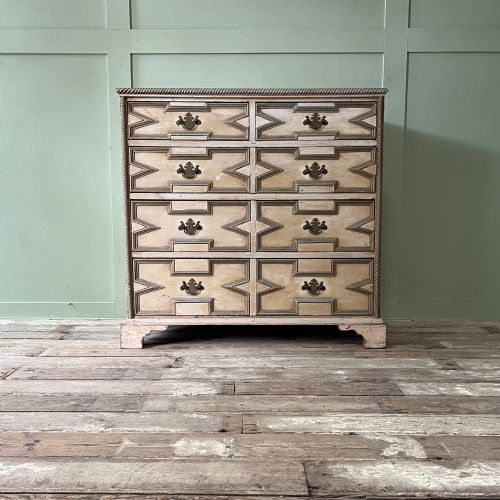
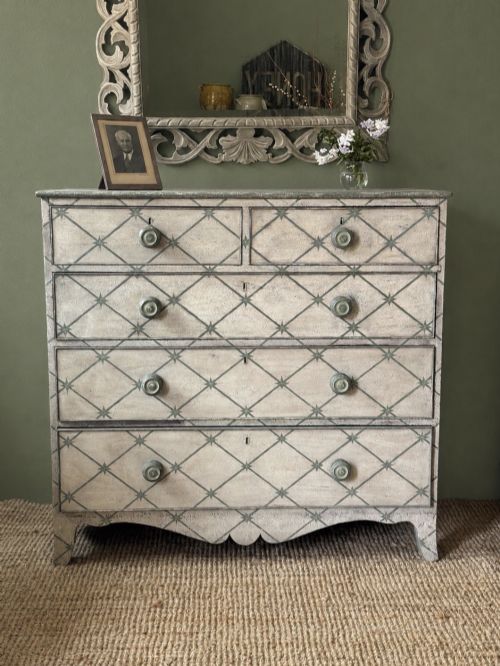
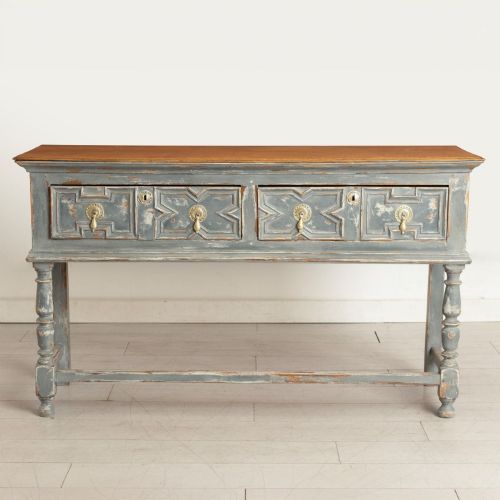
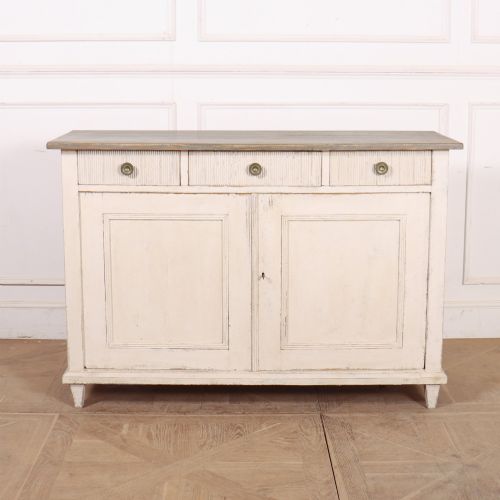
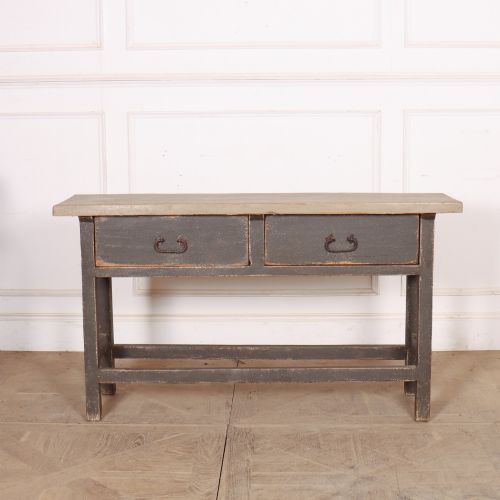
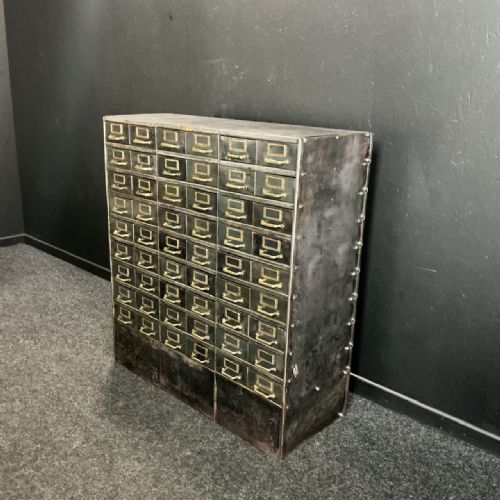
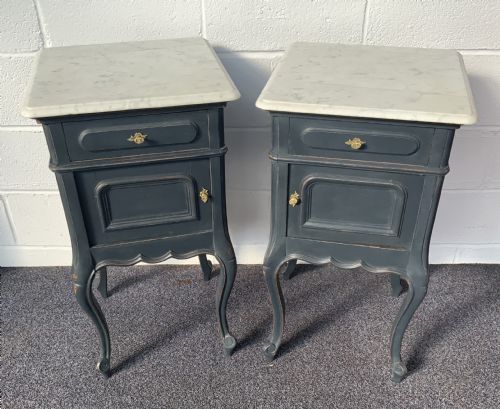
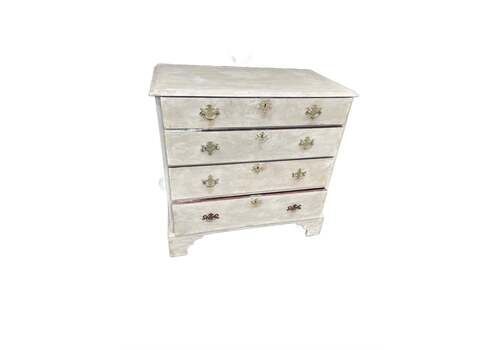
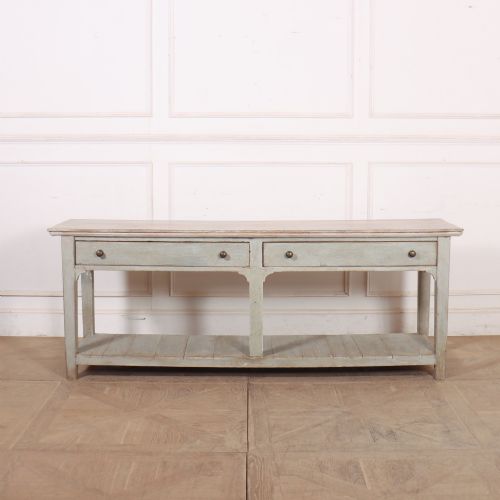
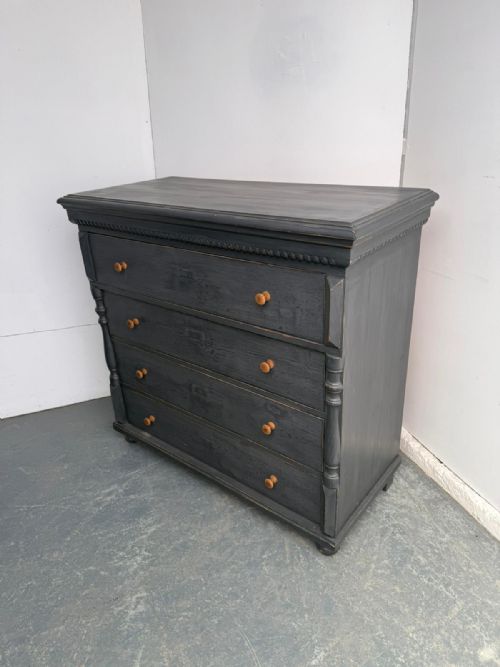
Vintage grey drawers encompass various storage forms, most frequently appearing as Victorian pine chests of drawers, French commodes, and continental painted pieces. Buyers seek these items for their combination of traditional craftsmanship and neutral painted finishes that integrate easily into contemporary rooms. The selection includes tall five-drawer chests, bedside tables, dresser bases, and industrial banks of drawers originating from the eighteenth century through to the early twentieth century.
The regional diversity spans English country pine, French Louis Philippe and Louis XV styles, Swedish commodes, and Hungarian storage pieces. Surfaces range from distressed light grey paint to specific modern shades applied over older woodwork, alongside natural timber finishes paired with marble tops. These pieces serve practical storage needs while bringing distinct period proportions and character to domestic spaces.
Materials and Construction
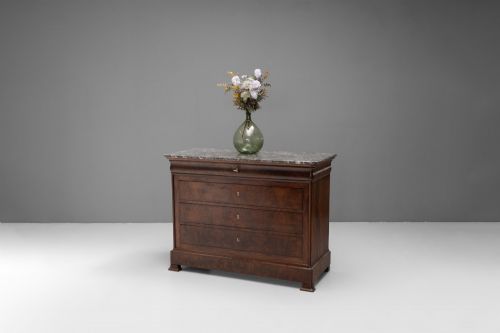
Makers constructed these pieces primarily using solid pine, oak, walnut, and elm, often applying layers of paint over the original timber substrate. Structural integrity relied on traditional joinery methods such as dovetail joints for the drawer construction and mortise and tenon frames for the main carcases. Many commodes incorporated heavy grey marble tops sourced from quarries in Europe, adding significant weight and a durable horizontal surface.
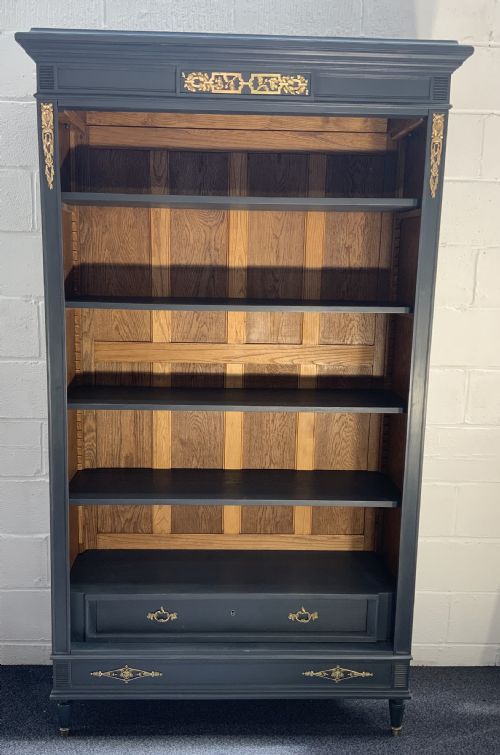
Decorative elements included brass handles, escutcheons, and occasional gilt embellishments that contrasted with the painted or polished wood surfaces. Carved oak detailing appeared on several French examples, while other pieces utilised faux bamboo shaping or serpentine fronts to create visual texture. Paint application varied from simple utilitarian coats on workshop furniture to decorative schemes on finer continental commodes.
Listings feature pine, oak, walnut, and elm pieces, with painted wood and marble appearing frequently across nineteenth-century items.
Quality Variations
The standard of a piece depends heavily on the integrity of the original construction and how sympathetically the painted surface has been applied over time. Superior examples retain their original structural timber without excessive replacement wood, maintaining smooth drawer movement and solid carcase joints. The quality of the marble top, where present, and the retention of original brass hardware also distinguish finer items from simpler utilitarian furniture.
Proportion and decorative detail separate standard workshop items from high-end pieces such as those by named makers or fine cabinetmakers. Finely carved mouldings, balanced proportions, and well-executed decorative painting indicate a higher grade of manufacture. Pieces that balance period integrity with a durable, well-finished surface command greater appreciation among collectors.
Jacques Bircklé·Sir Clough Williams-Ellis·Edwards and Roberts
The Vintage Grey Drawers Glossary
- Commode
- A low chest of drawers or cabinet, frequently associated with French or continental design from the eighteenth and nineteenth centuries. They often feature decorative veneers or painted finishes paired with marble tops.
- Dresser Base
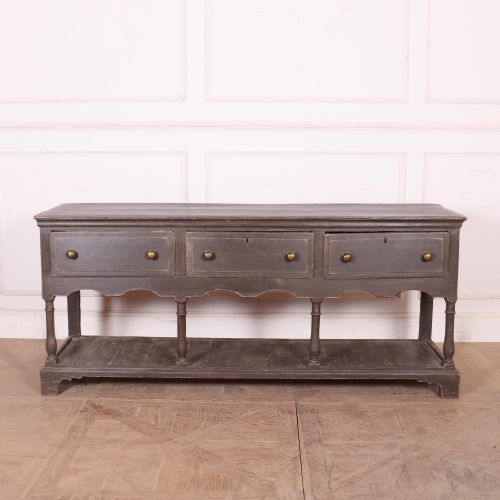
- A sturdy lower cabinet or sideboard traditionally used in kitchens or dining rooms for storage and food preparation. These pieces often incorporate potboards or multiple drawers beneath a solid wooden top.
- Bank of Drawers
- A multi-drawer storage unit, often originating from commercial or industrial workshops, designed for sorting and organising items efficiently. They typically feature numerous small drawers in a tall or wide configuration.
- Bombe
- A term describing furniture with a convex, swelling front and sides, characteristic of continental cabinet-making, particularly during the eighteenth century. This curved profile requires advanced woodworking skill.
- Serpentine Front
- A furniture front characterised by a concave central section flanked by two convex ends, creating a gentle wave shape. This contour adds elegance and complexity to chests of drawers and commodes.
Vintage Grey Drawers: Frequently Asked Questions
What rooms suit vintage grey drawers best?
These storage pieces work well in bedrooms, hallways, and living spaces where neutral tones complement existing interior palettes. Their painted finishes soften traditional furniture forms, allowing them to blend into modern or classic decors.
Smaller bedside tables and cabinets fit compactly beside beds, while larger chests of drawers provide substantial capacity in larger rooms without overwhelming the space.
How do I care for marble-topped commodes?
Marble surfaces require gentle cleaning with mild, non-acidic soap and water to protect the stone from etching and staining. Wiping up spills promptly prevents liquids from penetrating the porous surface of older marble.
Using coasters and mats under glasses and heavy objects preserves the polish and prevents scratching on both antique and replacement stone tops.
Are these drawers suitable for everyday use?
Solid construction using traditional timber and sturdy joinery makes these pieces durable for daily domestic storage requirements. Drawers built with dovetailed joints generally withstand regular opening and closing when properly maintained.
Applying occasional suitable wax to wooden runners ensures smooth operation and prevents friction wear on older drawer sides.
How can I tell the period of a painted chest?
Dating relies on examining the construction methods, such as hand-cut dovetails, timber types, and the underlying structure of the carcase. Secondary woods used in drawer linings and backboards often provide clues to the region and era of manufacture.
Paint layers themselves can sometimes show age through craquelure or wear patterns, though many pieces have been refinished in period-appropriate colours later in their history.