





Vintage Green Stool
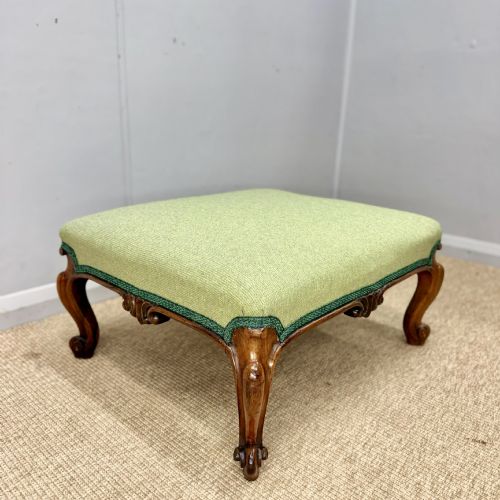
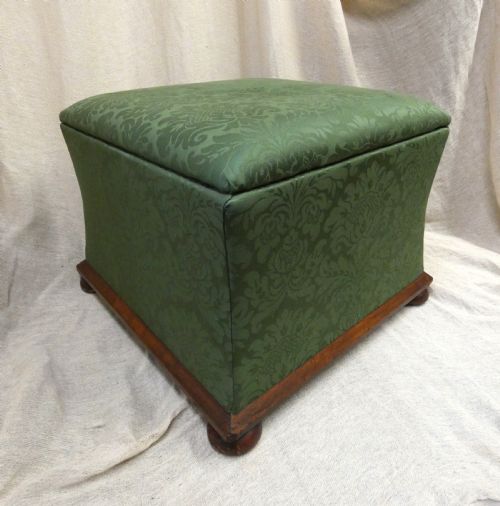
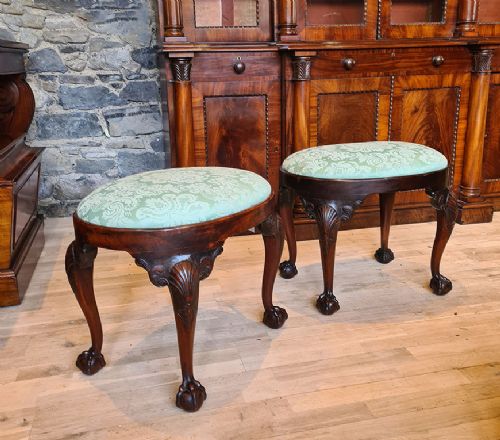
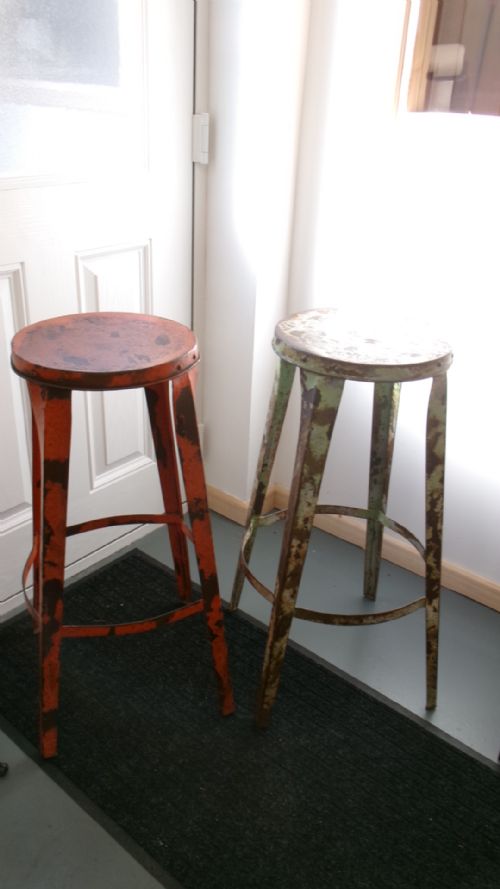
These vintage green stool examples bring together period forms and characterful painted finishes, offering practical seating and traditional charm for the home.
Vintage Green Stool
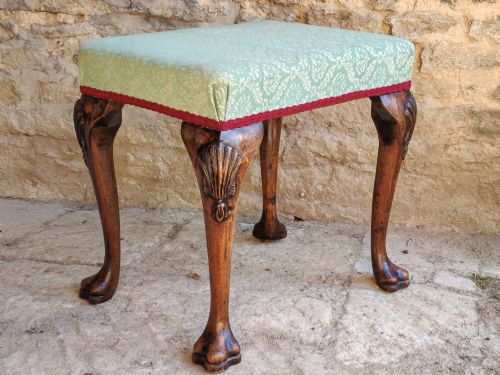
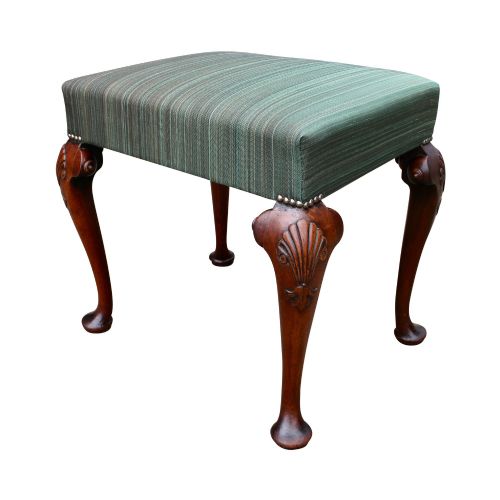
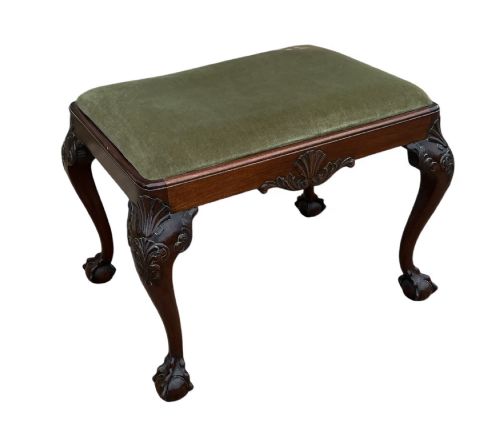
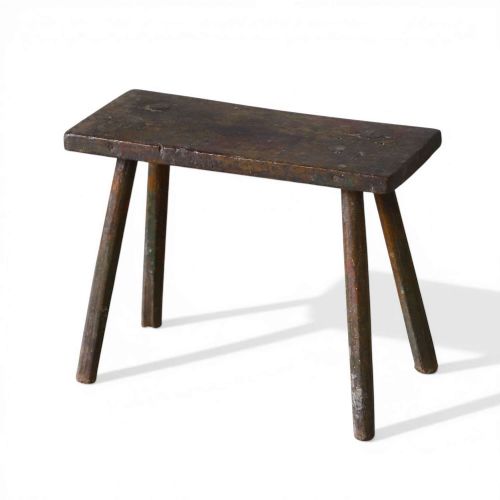
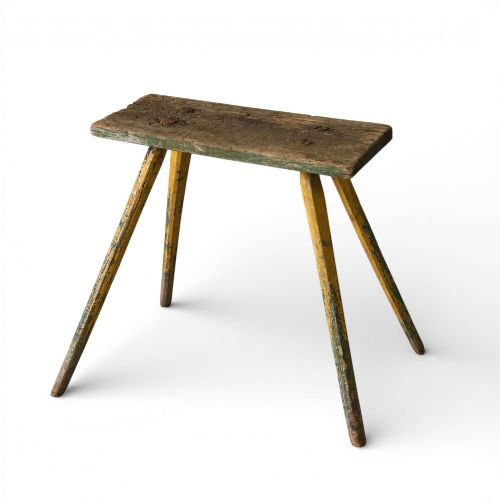
When you search for a vintage green stool, you encounter a variety of forms ranging from rustic milking variants with original paint surfaces to formal period footstools and dressing table seats. These items span the nineteenth century through to the nineteen thirties, encompassing styles from the Regency period to Art Deco.
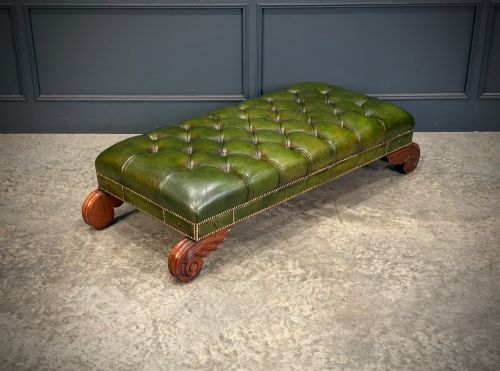
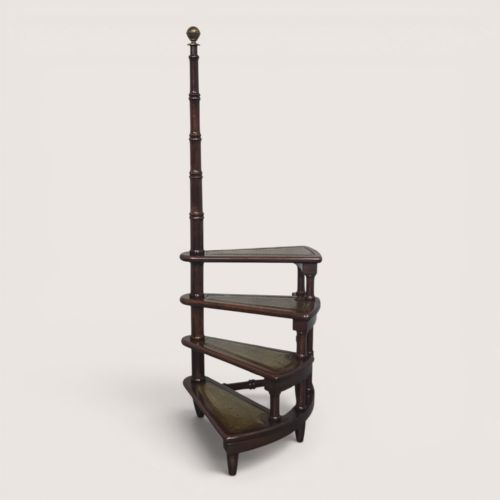
The selections on this page demonstrate the broad utility of these pieces, including low footstools, piano seats, library steps, and industrial metal bar options. Among these, painted wooden milking types and leather or fabric upholstered footstools appear most frequently, bridging the gap between decorative utility and period design.
How they were made
Makers utilised solid timbers such as mahogany, walnut, oak, and rosewood for the foundational frames, often applying elaborate carving, spiral turning, or inlay to formal seating. Industrial and rustic examples integrate riveted metal or simple turned wooden legs to ensure stability and robust daily use.
Surface treatments define many pieces in this selection, combining natural wood grain with original green paint layers, giltwood, or traditional wax polishes. Upholstered varieties rely on leather, velvet, fabric, needlework, and tapestry coverings secured over padding to complete the construction.
Vintage Green Stool Retail Price Guide 2026
Typical asking prices for vintage green stool among the pieces listed under this phrase on Sellingantiques today, from the lower quarter to the upper quarter. They describe what is for sale here now, not the wider market.
Listings feature items from the eighteenth, nineteenth, and twentieth centuries, using materials including mahogany, walnut, oak, leather, and fabric.
What varies in quality
The grade of a piece rests upon the crispness of its carved detail and the integrity of its timber frame, where dense hardwoods like mahogany and walnut endure better than softer woods. Joinery methods, from traditional pegged joints to riveted metal bracing, dictate the structural longevity of each item.
Surface preservation marks another boundary of distinction, particularly on painted items where untouched original pigment adds considerable character. The quality of the upholstery work and the selection of period-appropriate fabrics also elevate the overall finish of the seating.
Harry & Lou Epstein·David Oakleafman Langstaff
The Vintage Green Stool Glossary
- Ottoman
- A low, upholstered seat or footstool lacking arms or a back, frequently utilised for resting feet or as supplementary seating. These often date from the Victorian and Regency periods.
- Milking stool
- A simple, three-legged or four-legged wooden seat traditionally employed by agricultural workers for milking livestock. Many survivors display appealing traces of original green paint.
- Library steps
- A set of portable stairs designed to reach high bookshelves, sometimes incorporating stool or chair mechanisms. They appear in timber frames such as mahogany.
- Giltwood
- Timber that has been coated with a thin layer of gold leaf or gilt paint for decorative effect. This treatment signals formal nineteenth-century salon furniture.
Vintage Green Stool: Frequently Asked Questions
What is a gout stool?
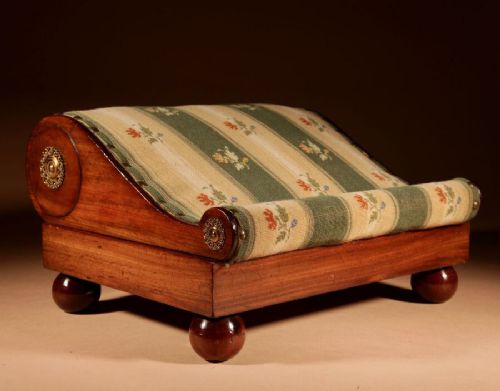
A gout stool is an adjustable footrest designed to elevate and support the foot or leg of someone suffering from joint discomfort. These items typically feature an angled upholstered platform that can be adjusted to suit the user.
Edwardian examples often utilise mahogany frames and mechanical ratchets to alter the incline. They provide both a practical health function and a refined period aesthetic in a domestic setting.
How do I style a painted stool?
A painted wooden stool works effectively as a small side table next to a chair or as a freestanding accent piece in a hallway. The textured surface adds visual contrast to more uniform modern furnishings.
In living areas or bedrooms, these items offer a convenient surface for books or plants when not in use as a seat. Their modest proportions allow them to fit easily into compact corners.
Are these stools suitable for daily use?
Most period stools are robustly constructed from hardwoods like oak and mahogany, making them entirely practical for everyday sitting or resting feet. Items with antique upholstery may benefit from careful handling or updated padding depending on their condition.
Industrial metal bar options and solid wood milking seats offer particularly sturdy construction for high-traffic areas. Checking the stability of the legs and joints ensures safe daily deployment.
How do I identify a nineteenth century piece?
Nineteenth-century pieces generally display traditional hand-cut joinery, aged timber patination, and period design motifs such as Regency curves or Victorian upholstery styles. Examining the underside often reveals tool marks and construction methods consistent with pre-industrial or early machine-assisted workshops.
Stylistic cues like buttoned leather, spiral carving, and needlepoint covers further align these objects with Victorian and Regency craftsmanship.