




Vintage Gothic Bracket Clock
These vintage gothic bracket clocks combine architectural forms with mechanical timekeeping, offering buyers a striking focal point for a mantel or desk.
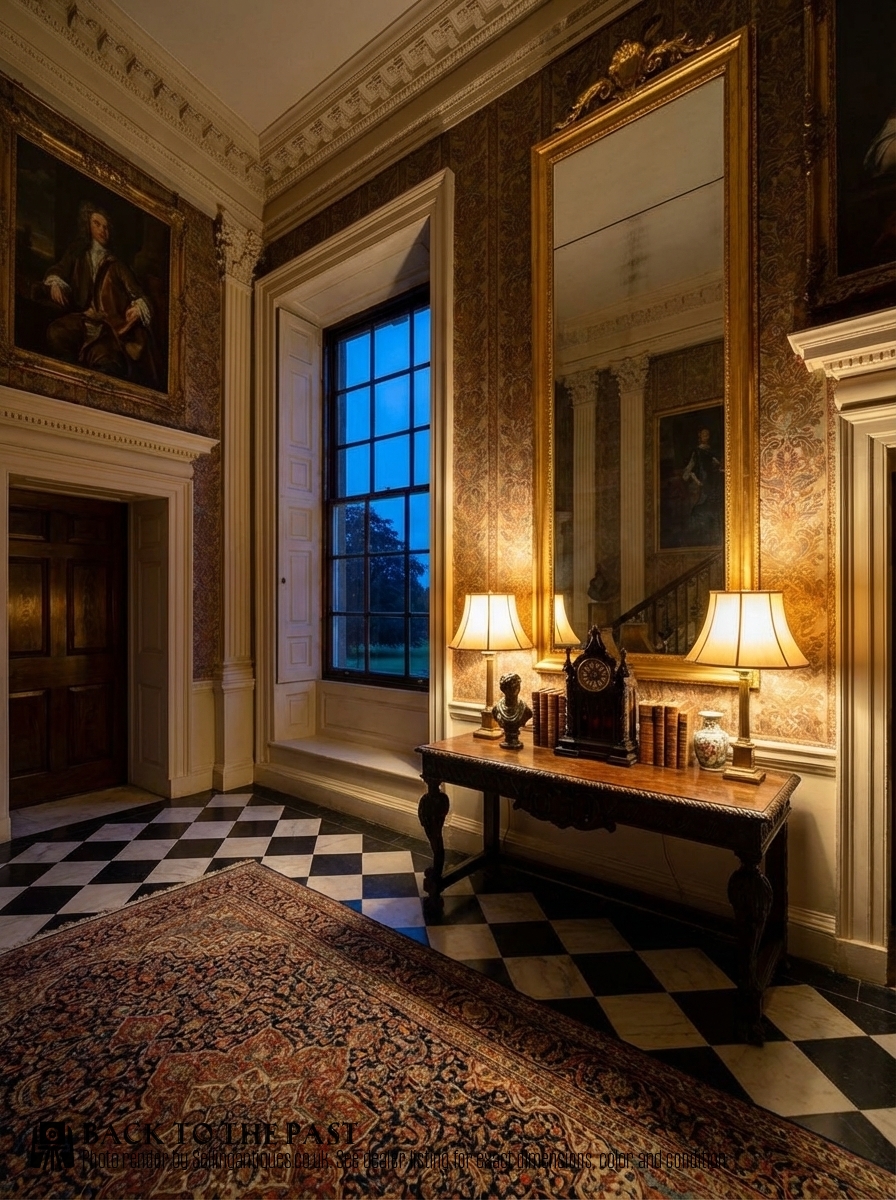
Vintage Gothic Bracket Clock
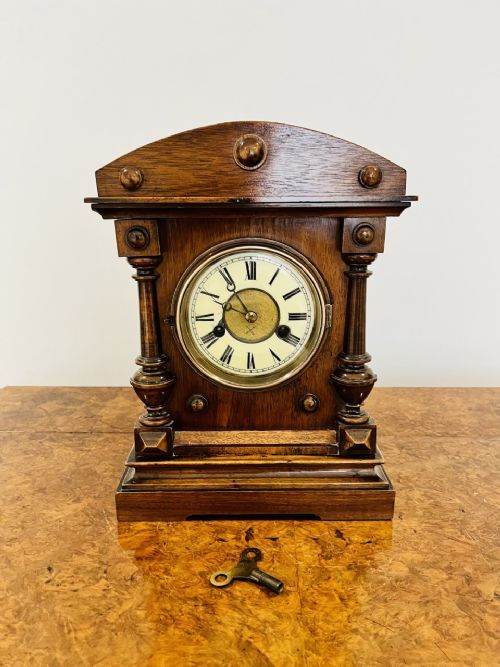
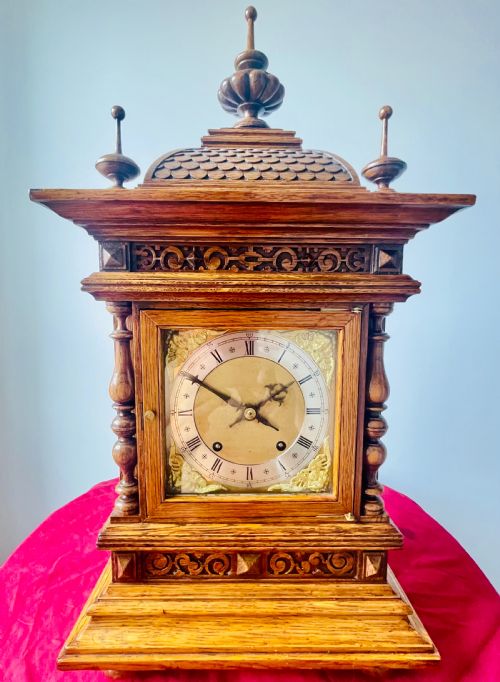
A vintage gothic bracket clock sits firmly within the bracket clock tradition, drawing heavily on architectural motifs from the Gothic Revival, Victorian, and Regency periods. Pieces surfacing here span the nineteenth and early twentieth centuries, encompassing mahogany, rosewood, oak, and brass constructions alongside specialised forms like skeleton clocks under domes.
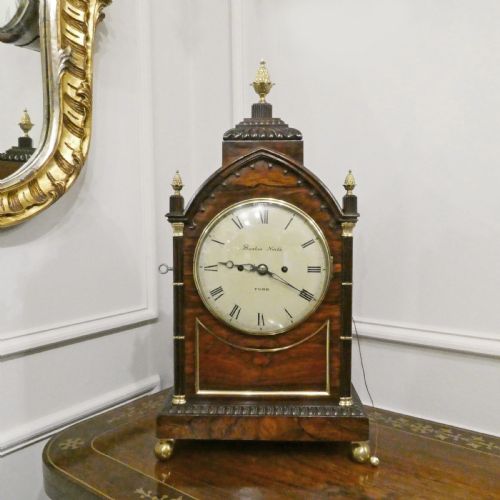
Buyers encountering this selection will find timepieces manifesting styles from Regency Gothic Revival to Edwardian and Victorian Gothic. These range from imposing quarterly striking examples to lancet top single fusee mantel clocks and library clocks housed in rich timbers.
How they were made
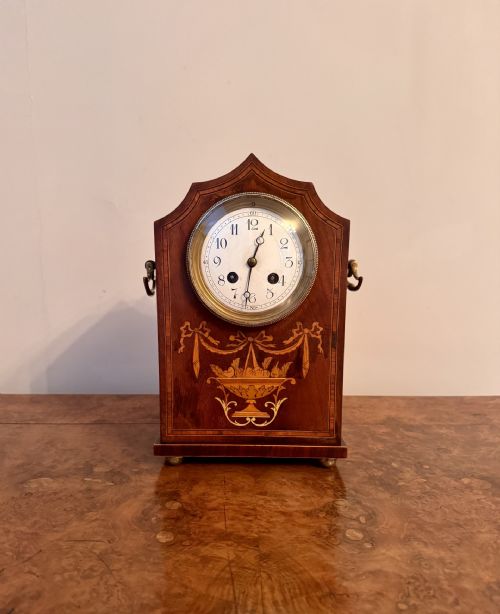
Maker workshops utilised dense cabinet timbers such as mahogany and rosewood, frequently incorporating brass inlay to accentuate architectural facades and lancet arches. Bronze and gilt brass components frequently frame enamel dials and protected glass faces.
Mechanical interiors relied on fusee movements and quarterly striking mechanisms, housed securely within robust wooden table and bracket clock bodies. Enamel provided a clean, legible surface for numerals behind glazed bezels.
Vintage Gothic Bracket Clock Retail Price Guide 2026
Typical asking prices for vintage gothic bracket clock among the pieces listed under this phrase on Sellingantiques today, from the lower quarter to the upper quarter. They describe what is for sale here now, not the wider market.
Some models hide their delicate mechanics entirely inside glass domes, letting time tick on in plain view like a caged bird.
What varies in quality
Distinction across the range lies in the crispness of brass inlay work and the architectural fidelity of the gothic case construction. Finer examples display substantial proportions, such as imposing winterhalder quarterly striking configurations or elaborate mahogany cases with superior timber grain.
The sophistication of the movement dictates the upper tier, with double fusee or complex striking mechanisms standing apart from simpler single fusee setups. The survival of original elements, including glass domes and matching brackets, further elevates a piece.
Barber & North of York·George Orpwood·Wilkinson Leicester
The Vintage Gothic Bracket Clock Glossary
- Bracket clock
- A portable table clock historically designed to sit upon a matching wall bracket, though most now rest upon mantelpieces or desks.
- Fusee
- A conical pulley used in spring-driven clocks to maintain even power delivery to the gear train as the mainspring unwinds.
- Lancet top
- An arched, pointed architectural roofline resembling a gothic lancet window, frequently seen on nineteenth century mantel clocks.
- Quarterly striking
- A mechanical complication where the clock chimes every quarter of an hour in addition to striking the full hours.
Vintage Gothic Bracket Clock: Frequently Asked Questions
What is a bracket clock?
A bracket clock is a portable timekeeper designed originally to rest on a wall-mounted bracket, though they are now typically placed on tables, shelves, or mantelpieces.
These pieces often feature robust carrying handles and sophisticated mechanical movements housed in architectural wooden cases.
How do fusee movements work?
A fusee movement uses a conical pulley connected to the mainspring via a cord or chain to equalise the torque as the spring unwinds.
This mechanism ensures the clock maintains consistent timekeeping accuracy throughout its running cycle.
How do I date a gothic clock?
Dating relies on examining the timber species, dial materials, and the specific evolution of the Gothic Revival style within the nineteenth century.
Makers' signatures, movement types, and case construction details also provide clear chronological markers for attribution.
Where should I place a bracket clock?
These clocks suit stable, level surfaces away from direct sunlight and drafts to protect their delicate mechanical movements and polished timber cases.
Placing them on a mantelpiece or a sturdy sideboard allows their architectural silhouettes and striking mechanisms to be fully appreciated.