




Carved Gothic Table Clock
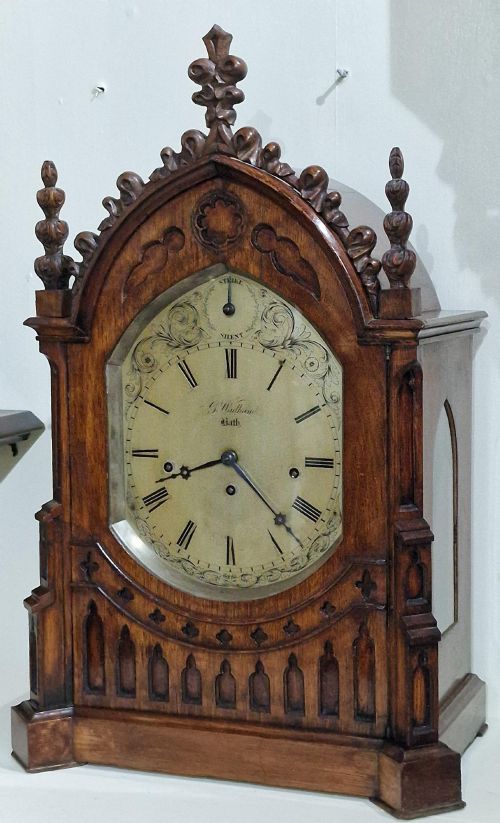
These carved gothic table clock pieces bring substantial architectural presence to a room, built by makers who drew heavily on medieval stone tracery and pointed arches.
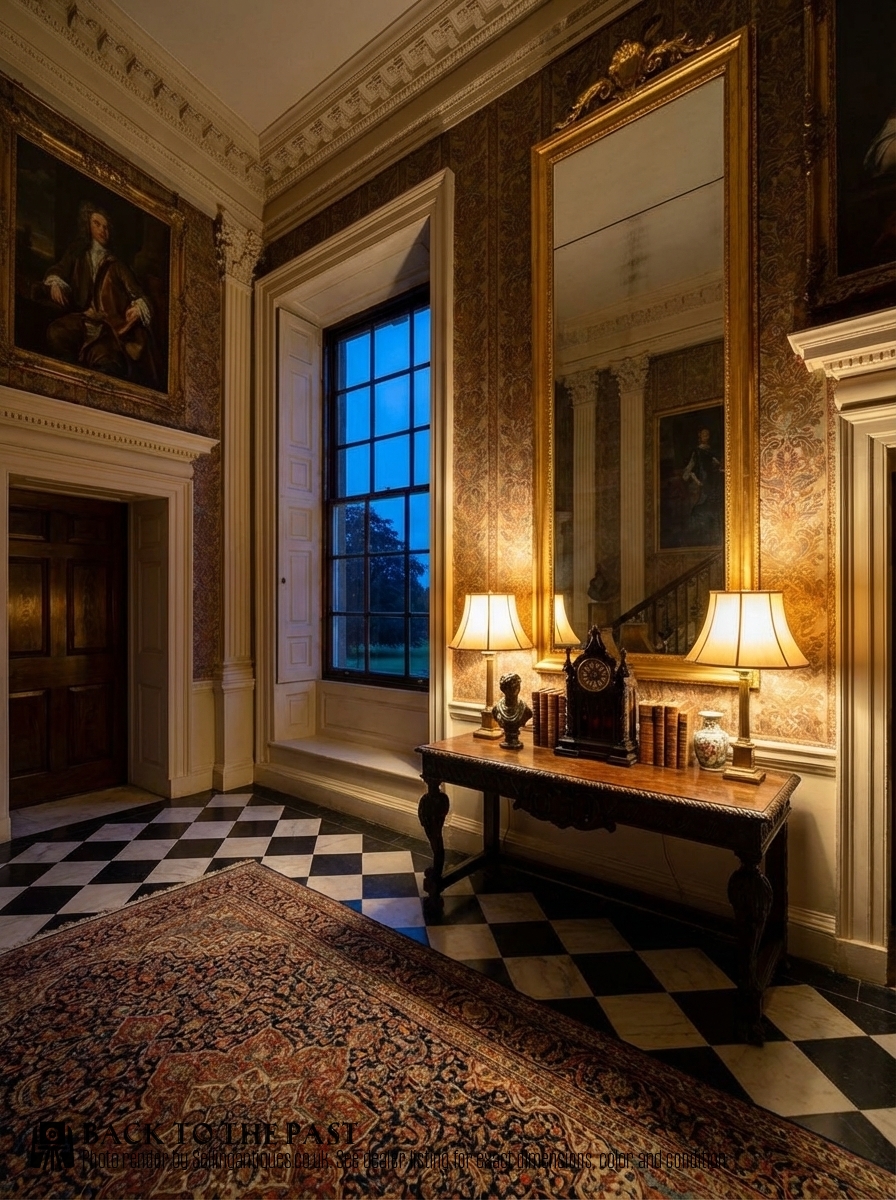
Carved Gothic Table Clock
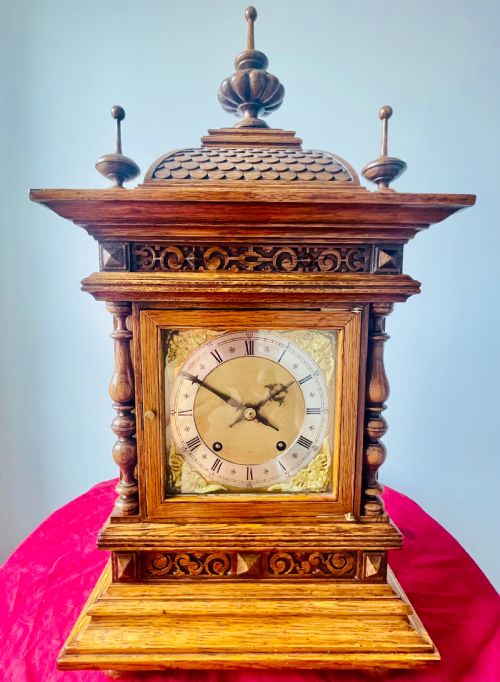
A carved gothic table clock sits firmly within a lineage of bracket and mantel clocks shaped by the Gothic Revival and Regency styles. You meet these pieces in woods such as oak, mahogany, rosewood, lindenwood, and general carved wood, often standing on a table or mantelpiece.
The dates stretch from the Regency period through Victorian years, covering 1850, 1860, 1880, 1890, and the wider nineteenth century. Forms range from library clocks and boardroom clocks to bracket clocks, mantel clocks, and cuckoo clocks.
Many examples feature distinctive architectural elements such as cathedral arches and brass mounts, accompanied by enamel dials and glass panels. English and German workshops dominate the origins, alongside Black Forest productions.
How they were made
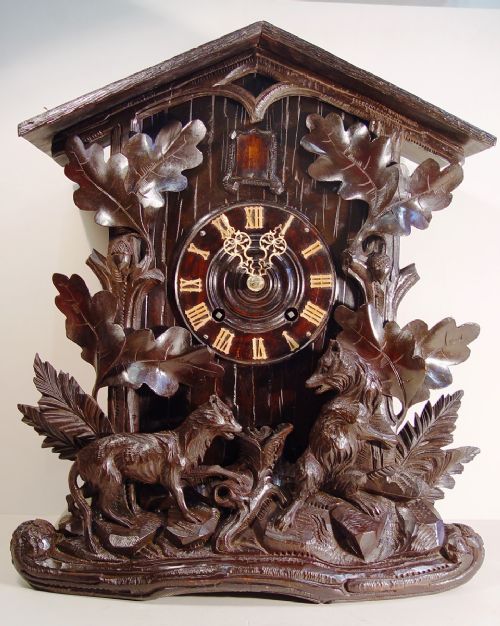
Cabinetmakers shaped dense hardwoods like oak, mahogany, and rosewood into elaborate architectural cases, frequently employing deep hand carving to mimic stone tracery. Lindenwood and other carved woods allowed Black Forest artisans to render intricate foliage and animal forms with high relief.
Movements relied on complex brass mechanics, including triple fusee, twin fusee, and three-train configurations that drove musical chimes, bells, and ting-tang strikes. Enamel dials provided clear white grounds for Roman numerals, protected behind heavy glass doors.
Materials span brass, glass, enamel, and carved woods including oak, mahogany, rosewood, and lindenwood.
What varies in quality
The crispness and depth of the wood carving dictate much of the visual merit, distinguishing sharply carved architectural facades from flat or mechanical reproduction work. Timber selection matters profoundly, with richly figured mahogany, quarter-sawn oak, and dark rosewood holding superior patination.
Movement sophistication sets the baseline for mechanical worth, separating simple timepieces from complex triple-fusee mechanisms with multiple bells and quarter-striking trains. The integration of maker signatures, such as Winterhalder and Hofmeier or Beha, further elevates the stature of the piece.
George Wadham·Winterhalder And Hofmeier·Edwards Of London·Christie Of Perth·Beha
The Carved Gothic Table Clock Glossary
- Fusee
- A conical pulley used in spring-driven clocks to equalize the driving force as the mainspring unwinds. This mechanism ensures consistent timekeeping across the duration of the wind.
- Bracket clock
- A portable clock originally designed to sit upon a matching wall bracket to project sound more effectively. Over time, the term came to describe any large spring-driven table clock.
- Gothic Revival
- An architectural and decorative movement reviving medieval forms, pointed arches, and ecclesiastical motifs. It heavily influenced nineteenth-century furniture and clock cases.
- Ting-tang
- A striking train that uses two hammers and two bells to sound a two-note sequence on the quarters. It produces a distinctive light chime before the full hour count.
- Quarter-striking
- A movement complication that sounds the quarters of the hour on a set of bells or gongs. It requires additional gear trains beyond a standard time-and-strike movement.
Carved Gothic Table Clock: Frequently Asked Questions
What is a carved gothic table clock?
These are nineteenth-century mantel and bracket clocks housed in wooden cases decorated with pointed arches, tracery, and medieval architectural motifs. They were designed to sit prominently on tables, shelves, or brackets in principal rooms.
Craftsmen built them using dense timbers like oak, mahogany, and rosewood, fitted with brass movements that often struck bells or chimes. Their appearance reflects the widespread Victorian fascination with gothic design.
Where were these clocks made?
The pieces originate primarily from English workshops and German makers, alongside notable contributions from the Black Forest region. English makers often favoured mahogany and rosewood cases with restrained architectural lines.
German and Black Forest makers frequently produced heavily carved lindenwood or oak cases, sometimes featuring specialised musical or cuckoo movements. Regional styles varied, but all shared a commitment to dramatic gothic proportions.
How do I wind a fusee clock?
Fusee clocks require a specific winding key inserted into the dial holes to tension the spring via the conical pulley. Care must be taken not to overwind the mechanism, stopping as soon as firm resistance is felt.
Many of these older movements benefit from professional setup to ensure the fusee chain seats correctly on the cone. Regular servicing keeps the brass gears and escapements functioning smoothly.
How can I tell the period?
Dating relies on stylistic clues within the woodwork, dial construction, and movement signatures. Regency examples tend to show restrained classical gothic influence, while Victorian pieces often embrace bolder architectural elements like cathedral arches.
Maker signatures, screw types, and the complexity of the brass movement also help narrow the decade of production. Examining the ageing of the timber and enamel dial provides further historical context.