




Antique Gothic Mantle Clock
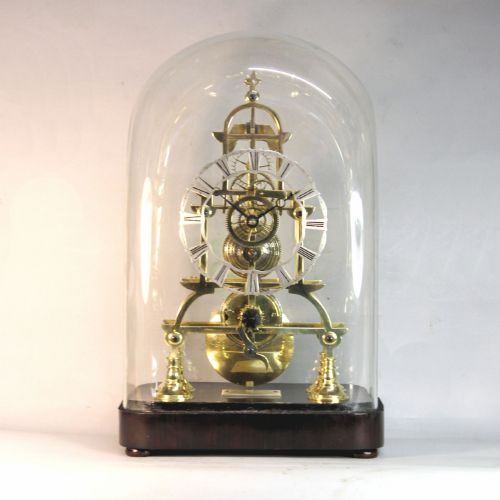
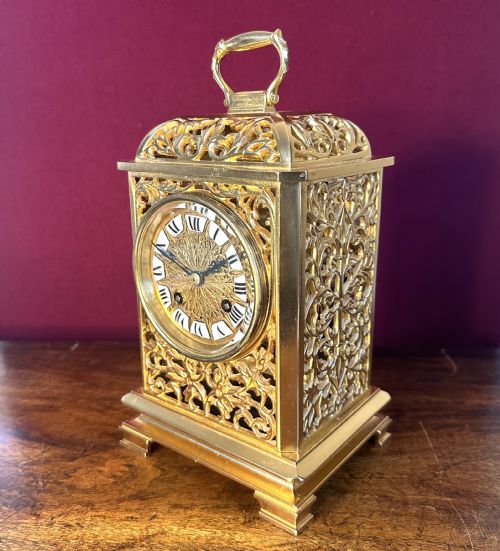
These antique gothic mantle clock pieces bring striking architectural forms and precise mechanical timekeeping to a room.
Antique Gothic Mantle Clock
When you search for an antique gothic mantle clock, you examine timepieces shaped by architectural traditions, notably the pointed arches and robust proportions of the Gothic Revival style. The selection includes striking examples from the Victorian, Regency, and Georgian periods, showcasing how cabinetmakers and clockmakers applied medieval motifs to domestic timekeepers.
You will encounter mahogany, oak, and rosewood table clocks alongside heavier bronze and ormolu pieces, reflecting both British workshop traditions and continental French design. Many take the form of bracket clocks or architectural models featuring lancet tops and cathedral profiles.
The most typical pieces on this page date from the nineteenth century, particularly the 1860s, balancing functional timekeeping with elaborate stylistic ornament. These clocks range from simple library clocks to large double fusee movements housed in ornate wooden cases.
Materials and construction
Clockmakers utilised dense timbers such as mahogany, rosewood, and oak for the cases, often enhancing them with brass inlay or ebonised details. Metalwork played a central role, with bronze, ormolu, and polished brass used for bezels, dial surrounds, and architectural mounts.
Movements relied on complex brass gear trains, frequently incorporating fusee mechanisms to maintain even tension as the mainspring unwound. Dials combined white enamel segments with dark numerals, protected beneath bevelled glass panels and substantial wooden or glass domes.
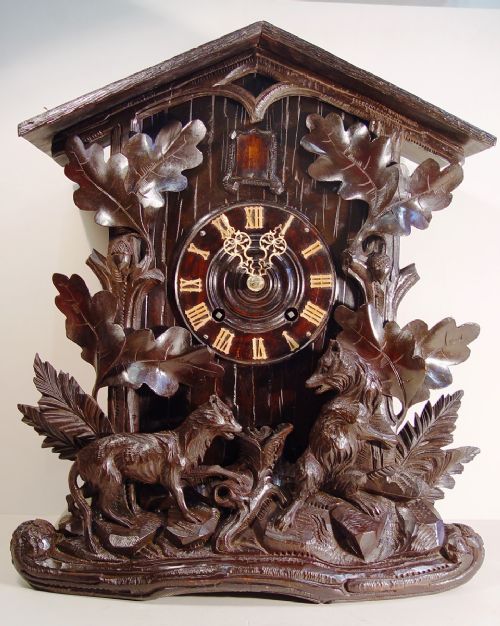
Among the heavy brass and ticking timber, a cuckoo pops out on schedule, proving that even the most severe Gothic architecture appreciates a touch of whimsy.
Distinctions in quality
Lesser pieces present simpler time-only movements within plain or later-altered timber boxes. The depth of the dial engraving, the quality of the enamel work, and the integrity of the original glass components separate standard production clocks from master-built pieces.
Richard Winter of Chieveley·George Orpwood·Cording of London·Hunt & Roskell·Ganthony of London·Edwards Of London·Mitchell & Russell of Glasgow
The Antique Gothic Mantle Clock Glossary
- Fusee
- A conical pulley used in spring-driven clocks to equalise the torque of the mainspring as it winds down. This mechanical feature ensures more consistent timekeeping throughout the duration of the wind.
- Grand Sonnerie
- A striking train mechanism that sounds both the hours and the quarters automatically on every quarter hour. It represents a high level of horological complexity.
- Bracket Clock
- A portable domestic clock originally designed to sit upon a wall bracket or a tabletop. Over time, the term came to describe spring-driven table clocks of formal proportions.
- Ormolu
- Gilded bronze produced by applying a mercury and gold amalgam to a bronze base and heating it. This technique creates a durable, luminous golden finish characteristic of decorative metalwork.
- Lancet Top
- A pointed, arch-shaped architectural profile resembling a Gothic lancet window. Cabinetmakers frequently applied this silhouette to the crests of nineteenth-century mantel clocks.
Antique Gothic Mantle Clock: Frequently Asked Questions
How do I wind a double fusee clock?
You insert the winding key into the dial aperture and turn it gently until you feel firm resistance, indicating the spring is fully tensioned. Take care not to overwind the movement.
Most double fusee clocks require winding every eight days, with one side powering the time train and the other operating the strike train.
Where should I place an architectural mantle clock?
Position the clock on a stable, level surface away from direct sunlight, central heating vents, and damp exterior walls. Heavy wooden and bronze cases require sturdy support.
Allow sufficient clearance around the case to let the mechanical chime or strike resonate clearly without obstruction.
What does a grand sonnerie movement do?
A grand sonnerie mechanism strikes the current hour and the preceding quarters every fifteen minutes. It requires multiple gear trains to manage the complex striking sequence.
This complication demands precise adjustment by a horologist to ensure the strike trains release in correct synchronization.
How do I distinguish Regency from Victorian Gothic clocks?
Regency Gothic pieces tend to blend classical symmetry with early medieval pointed arches, often featuring crisp brass inlay on dark mahogany cases. They reflect a classical restraint.
Victorian Gothic clocks embrace heavier proportions, deeper architectural carving, and more literal interpretations of cathedral structures, occasionally incorporating ebonised finishes.