
Vintage Gold Fine Jewellery
Vintage gold fine jewellery spans over a century of craftsmanship, offering enduring style through precious gems and metals.
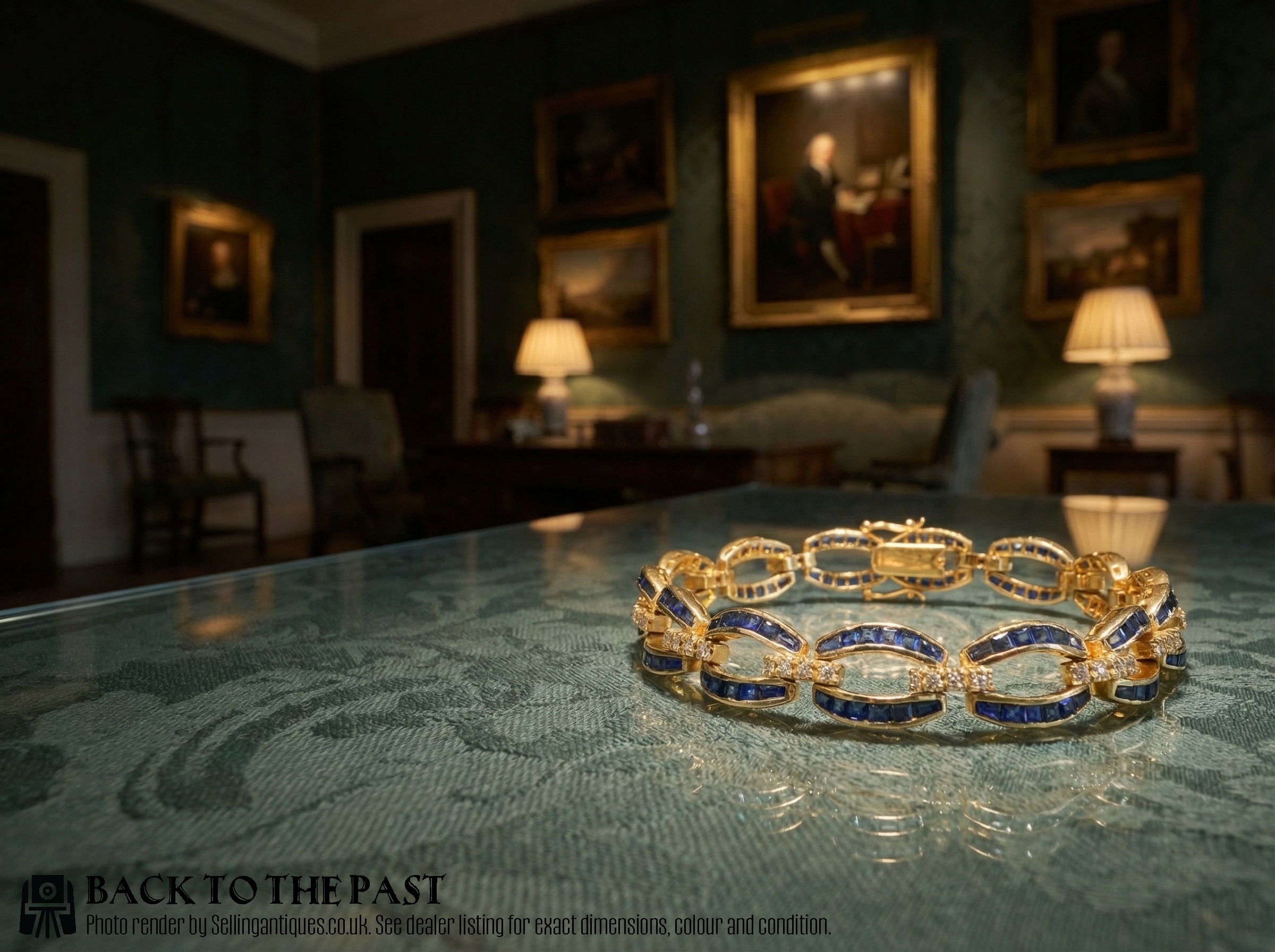
Vintage Gold Fine Jewellery
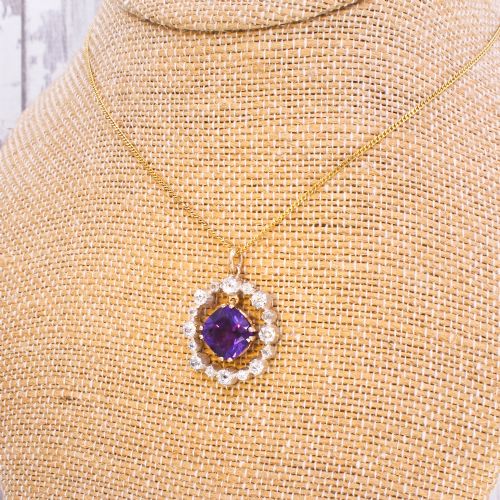
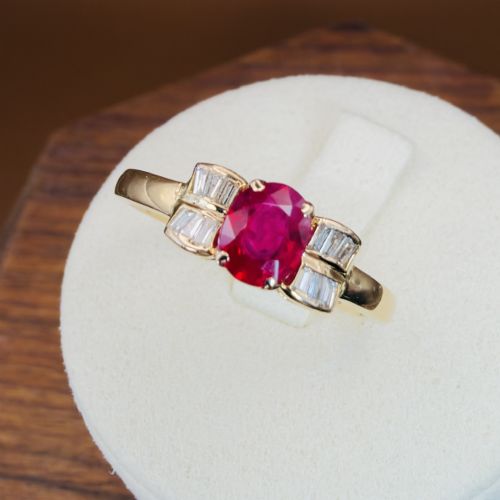
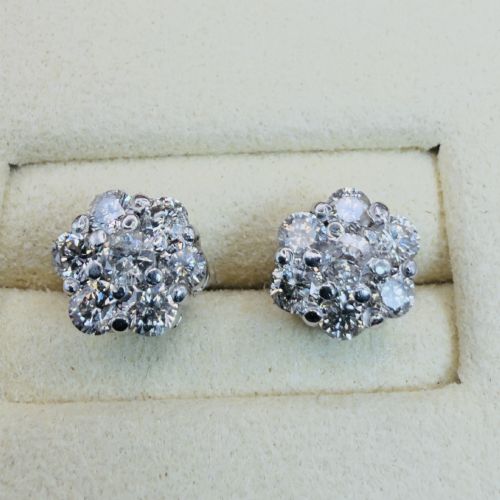
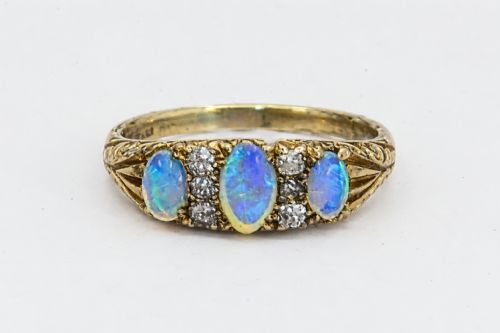
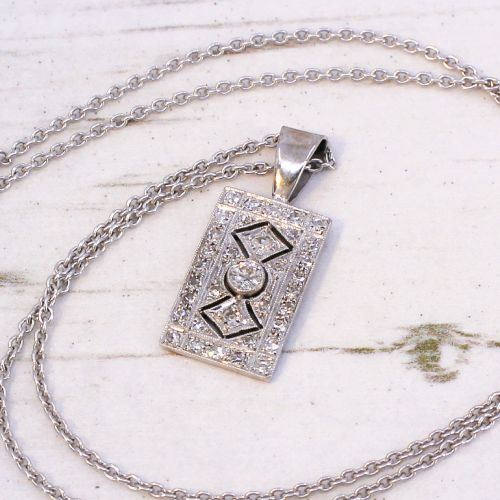
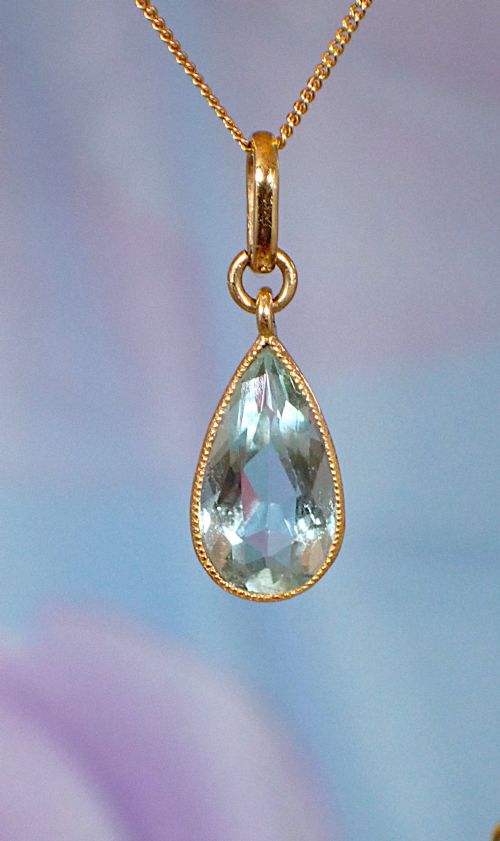
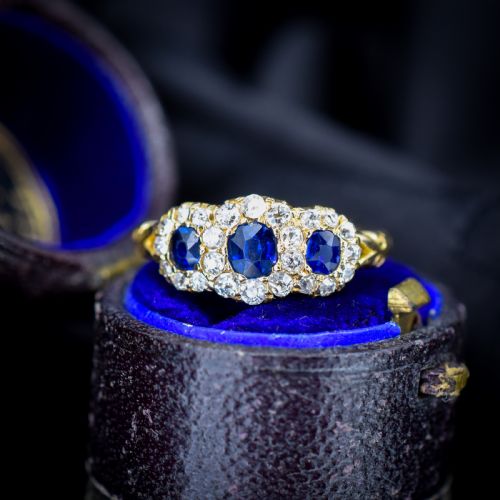
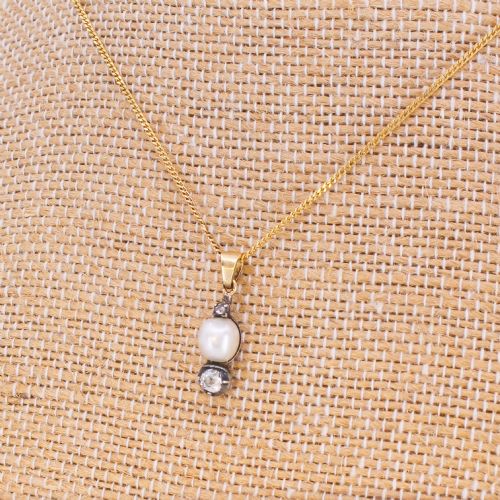
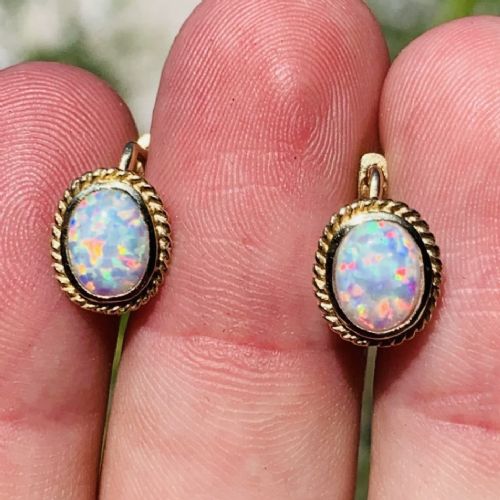
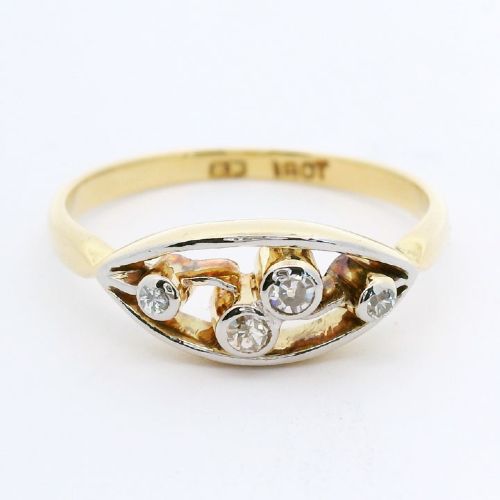
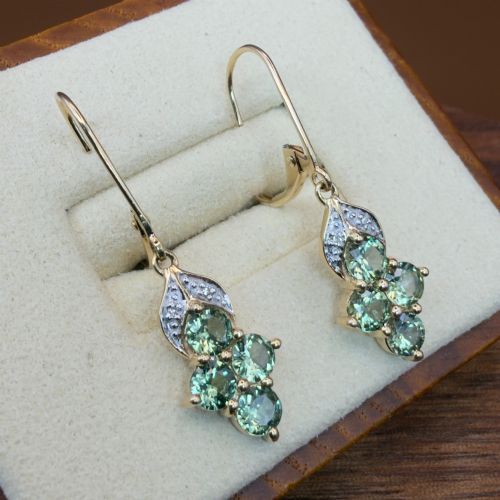
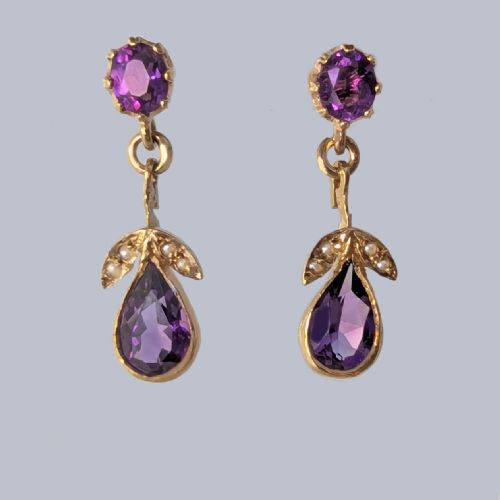
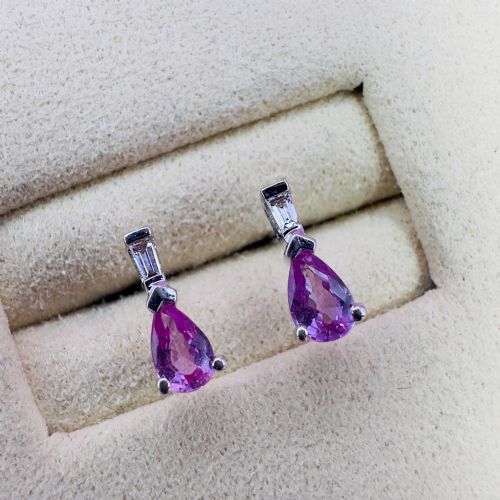
The selections available here lean heavily toward rings and earrings, alongside distinctive pendants, necklaces, and charm bracelets. Pieces span from the intricate floral and cluster designs of the late nineteenth century to the geometric symmetry of the 1920s and the modernist curves of the 1950s and 1960s.
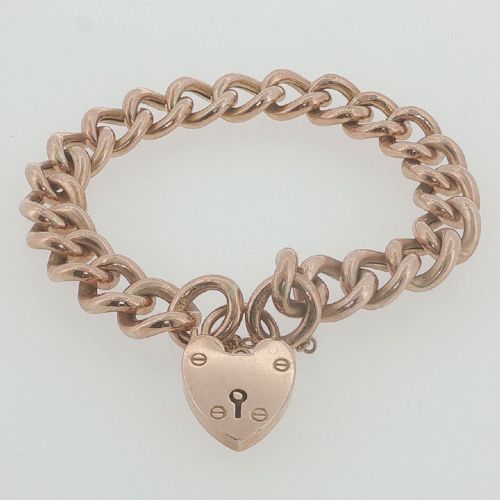
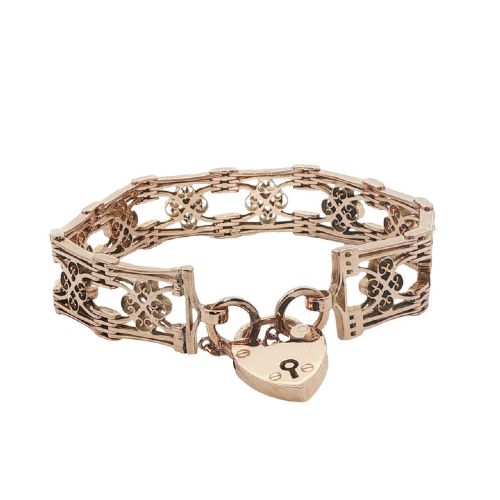
Originating from British, European, and international workshops, these items demonstrate the distinct aesthetic shifts of their respective eras. Buyers encounter everything from delicate rose gold gate bracelets with padlock clasps to robust platinum-set diamond clusters.
How they were made
Goldsmiths utilised 9ct, 14ct, 18ct yellow and white gold, and platinum, often pairing them with cast or hand-fabricated settings to secure delicate stones. Gemstones such as old-cut diamonds, rubies, and sapphires were meticulously hand-set using claw, bezel, or navette arrangements.
Specialised techniques like millegrain edging, hand-engraving, and enamel work define the decorative finishes of Edwardian and Art Deco pieces. Structural integrity was achieved through solid link construction, robust pin stems, and custom clasps designed to withstand regular wear.
What varies in quality
Quality rests in the purity of the metalwork, the integrity of the gemstone settings, and the overall harmony of the design. Superior pieces display crisp hand-carving, securely mounted stones without movement in their claws, and well-preserved hallmarks that verify origin and metal fineness.
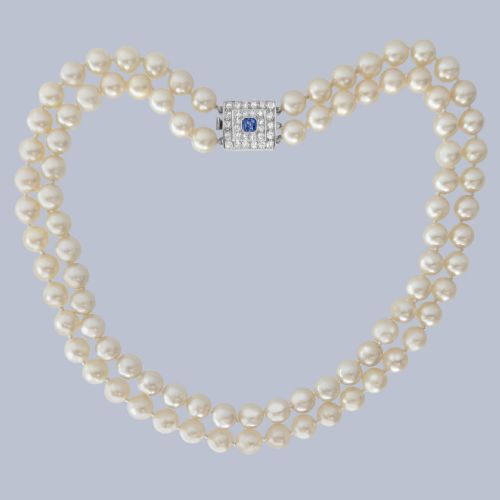
The calibre of the gemstones significantly separates tiers of pieces, distinguishing uniform natural pearls and unheated rubies from lesser stones. Master craftsmanship is further evident in the durability of moving parts, such as hinge backs on earrings and secure latches on bracelets.
Kutchinsky
The Vintage Gold Fine Jewellery Glossary
- Old cut
- A diamond cutting style prevalent before modern brilliant faceting, characterised by a small table, high crown, and open culet. These stones display a soft, candlelit sparkle rather than harsh modern brilliance.
- Navette
- A boat-shaped or marquise setting that tapers to points at either end. This elongated silhouette was highly favoured in Victorian cluster rings to elongate the finger.
- Millegrain
- A decorative technique featuring a row of tiny raised metal beads along the edges of a setting. It provides a soft, textural border typical of Edwardian and Art Deco jewellery.
- Cabochon
- A gemstone shaped and polished with a smooth, convex dome rather than faceted surfaces. This cut is commonly utilised for opals, moonstones, and jadeite to showcase internal colour play.
- Padlock clasp
- A functional closure shaped like a miniature padlock, frequently incorporated into Victorian and Edwardian gate bracelets. They often served a sentimental purpose alongside their mechanical function.
Vintage Gold Fine Jewellery: Frequently Asked Questions
How do I care for vintage gold jewellery?
Clean pieces gently using warm soapy water and a soft brush, avoiding harsh chemical dips that can damage softer gems like opals and pearls. Store items separately in lined boxes to prevent metal scratching and stone abrasion.
Inspect settings periodically to ensure stones remain firmly secured in their original claws. Professional checks every few years will safeguard delicate antique prongs and stringing.
Are vintage diamonds different from modern ones?
Older diamond cuts were shaped largely by hand under natural light, resulting in proportions that prioritise distinct facet patterns over maximum light return. These historic stones possess a unique charm and depth distinct from contemporary brilliant cuts.
Old cut diamonds complement antique metal settings naturally, maintaining the authentic historical character of the piece. Each stone bears the subtle irregularities characteristic of pre-industrial gem cutting.
What does a gold carat stamp mean?
Carat measurements indicate the proportion of pure gold alloyed with other metals to achieve durability and colour. For example, 18ct gold consists of seventy-five percent pure gold, while 9ct contains a lower proportion.
British hallmarks often include specific symbols, such as crowns or sponsor marks, indicating the assay office and year of testing. These official stamps provide reliable markers for dating and authenticating vintage pieces.