
Vintage Glass Table Light
A vintage glass table light brings distinct illumination and texture to a room, drawing on decades of decorative design.
Vintage Glass Table Light
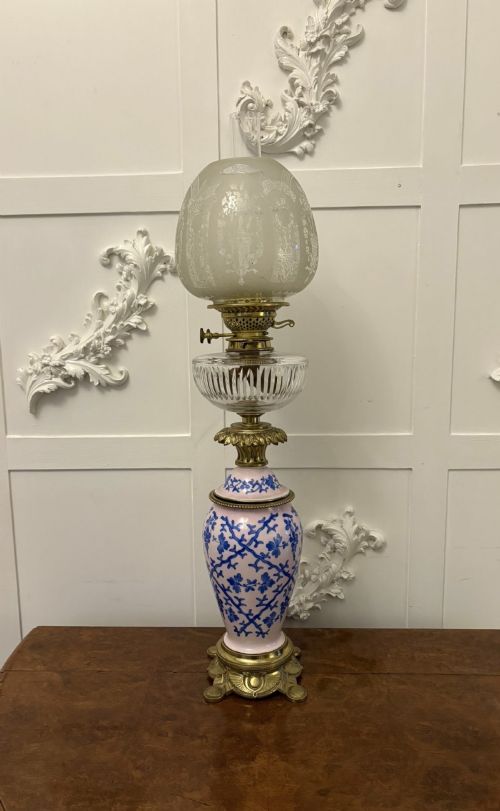
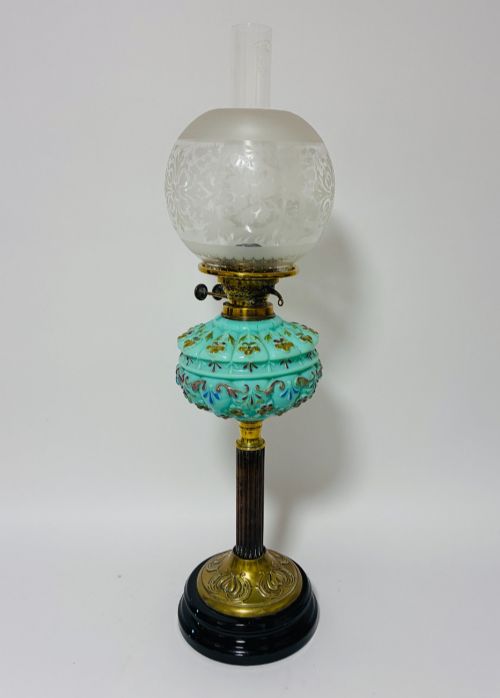
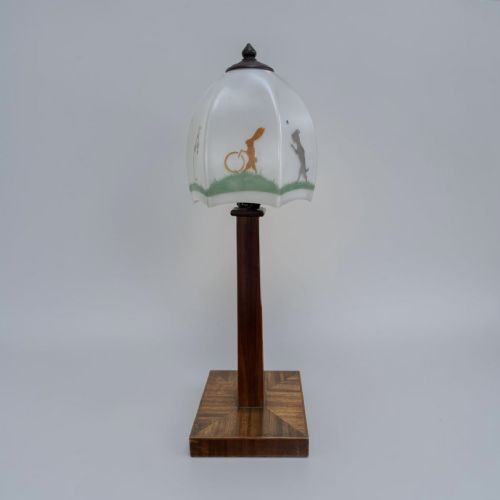
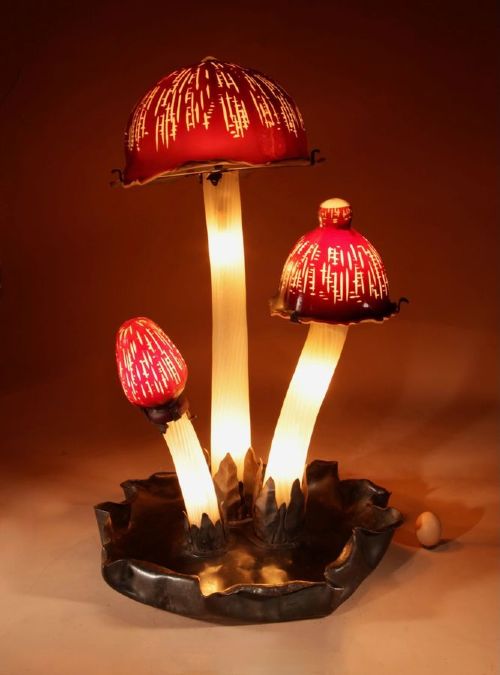
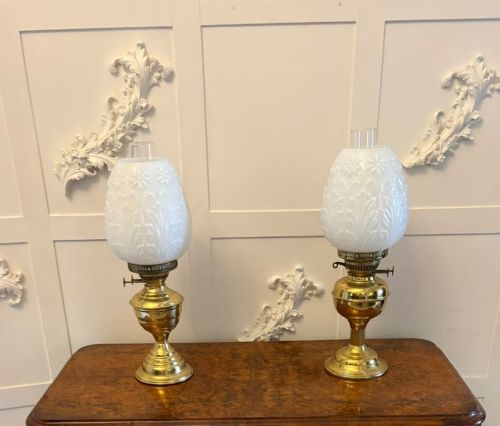
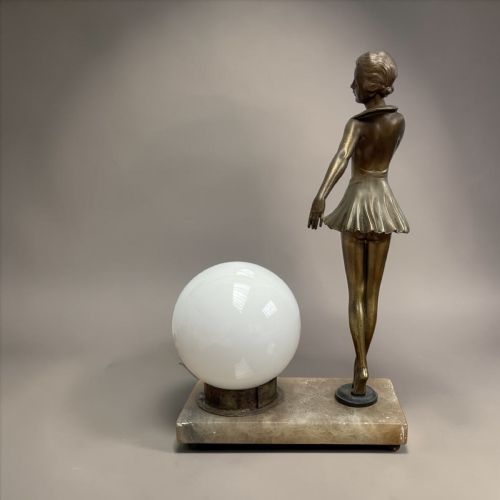
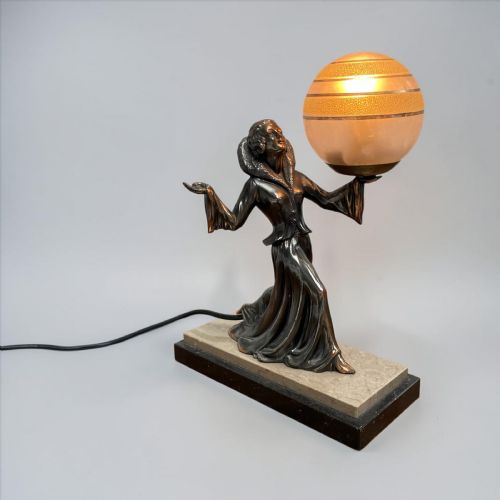
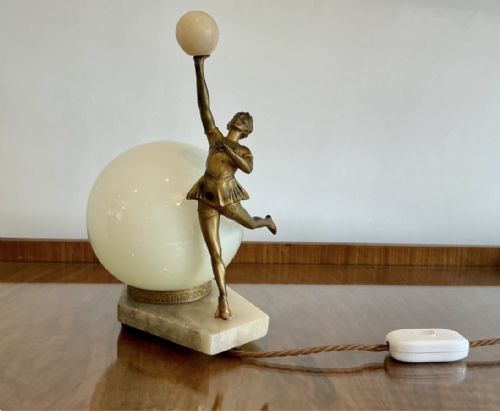
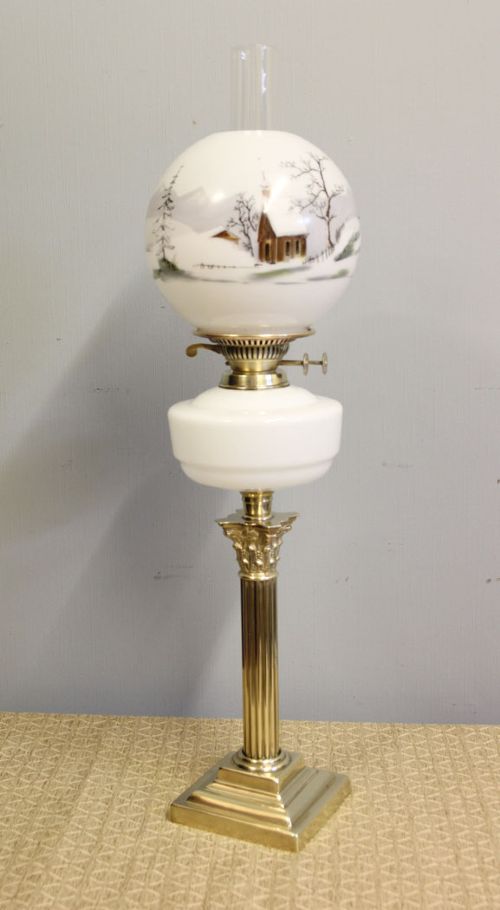
A vintage glass table light encompasses various illuminated pieces designed for domestic spaces, spanning from the Victorian era through the Art Deco period. Buyers seeking a vintage glass table light often encounter converted oil lamps, column lamps, and figural designs utilising glass components.
The selection ranges across multiple historical periods, notably the nineteenth century, Edwardian era, and nineteen-thirties. Pieces frequently combine glass with brass, marble, or ceramic supports to create stable domestic lighting.
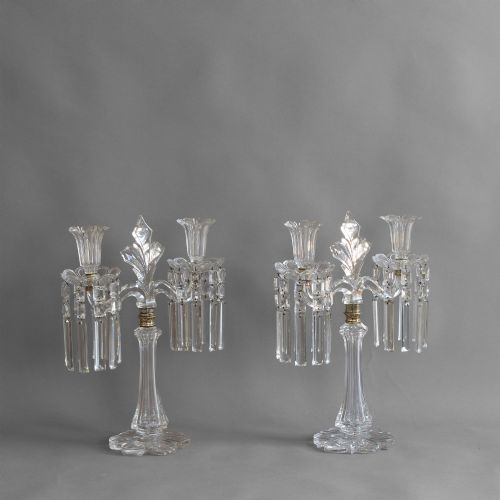
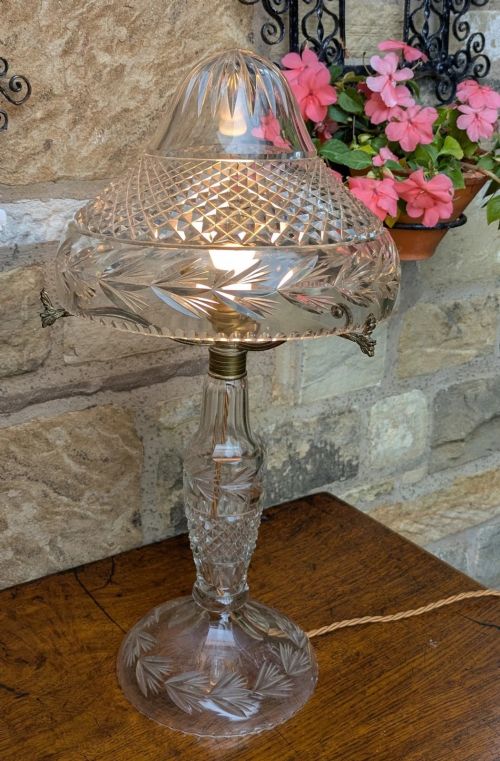
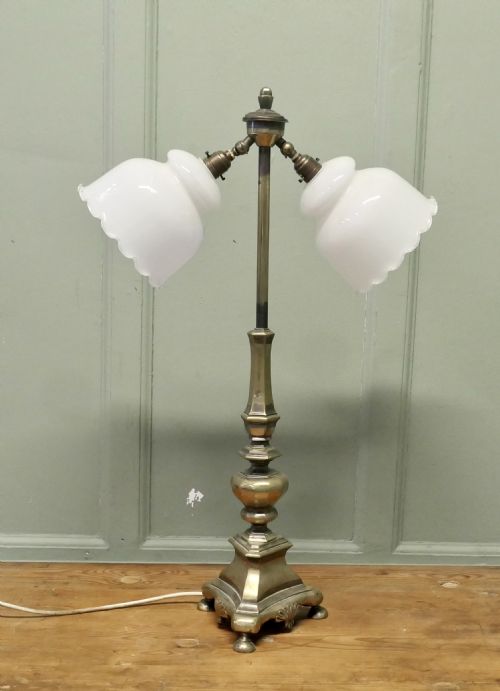
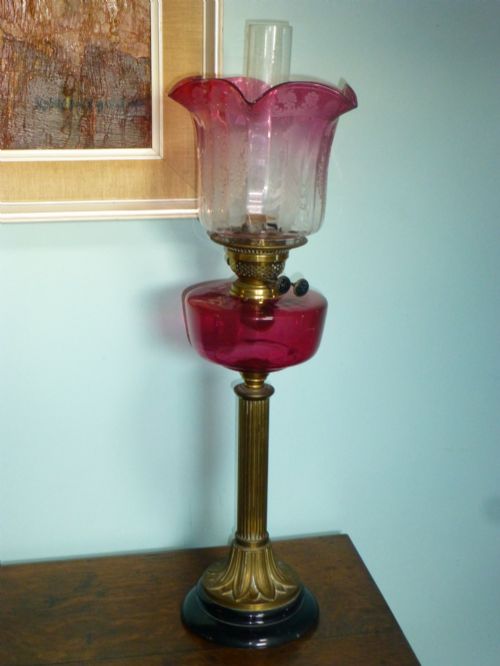
Common forms include table lamps, candle lamps, and decorative luminaires featuring shades made from opaline, cranberry, cut, or mottled glass. These objects reflect the changing manufacturing methods and aesthetic preferences of their respective decades.
Materials and Construction Methods
Makers utilised moulded, blown, and cut glass for shades and fonts, pairing these translucent elements with cast brass, copper, and bronze mountings. Marble and ceramic bases added necessary weight and structural stability to the taller column and oil lamp configurations.
Metal components were often cast, turned, and sometimes gilt or patinated, whilst glass elements displayed hand-blown techniques or intricate moulded patterns. Coloured glass varieties, such as cranberry and opaline, relied on specific mineral oxides added during the melting process.
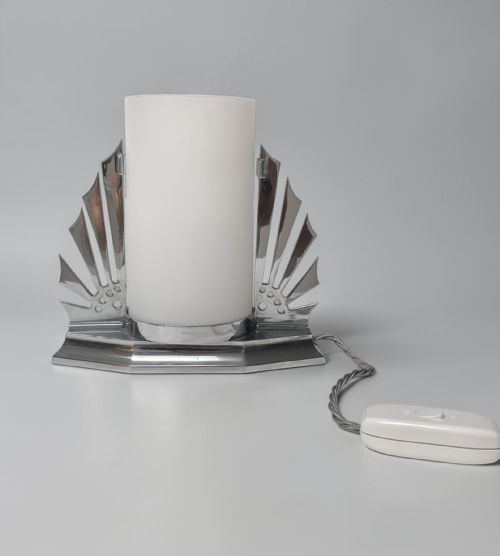
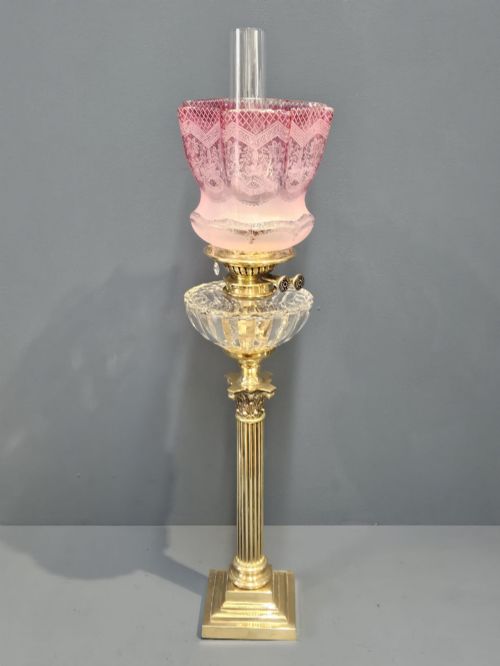
The listings demonstrate a strong presence of nineteenth-century Victorian oil lamps alongside nineteen-thirties Art Deco glass designs.
Assessing Quality and Execution
Quality rests in the weight and purity of the glass elements, alongside the precision of the metal castings and mounts. Superior pieces display crisp detailing in moulded or cut patterns and secure, well-fitted collars and burner assemblies.
The integration of materials dictates the overall standard, where robust marble bases and heavy gauge brass support delicate hand-painted or acid-etched glass shades without structural wobbles.
Fratelli Toso·Charles Schneider·Gustave Serrurier Bovy·Sitzendorf
The Vintage Glass Table Light Glossary
- Opaline glass
- A semi-translucent, pale glass popular in nineteenth-century lighting. It diffuses light softly through its milky composition.
- Cranberry glass
- A rich pinkish-red glass created by adding gold chloride to the molten batch. It frequently appears in Victorian oil lamp fonts and shades.
- Corinthian column
- An architectural column form adapted for lamp bases, featuring ornate acanthus leaf capitals. This classical style recurred throughout the Victorian and Edwardian periods.
- Millefiori
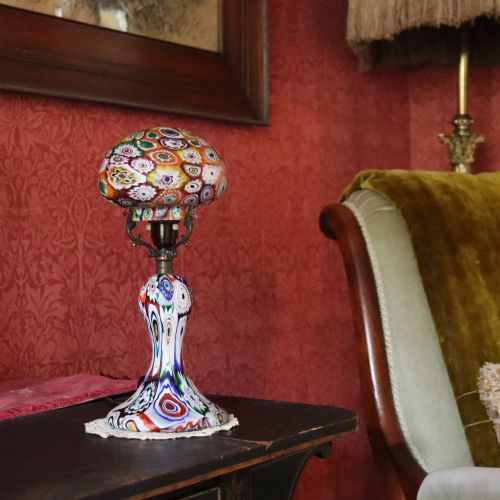
- Multi-coloured ornamental glass made by drawing glass canes into cross-sections that display patterns. It is notably associated with Murano glass production.
- Font
- The oil reservoir section of a lamp situated beneath the burner. In glass examples, this component often acts as the primary decorative colour feature.
Vintage Glass Table Light: Frequently Asked Questions
How do I clean vintage glass shades?
Wash glass components gently in warm, soapy water using a soft cloth to avoid scratching the surface. Ensure all metal mounts and electrical fittings remain completely dry during the cleaning process.
Allow the glass to dry thoroughly before reassembling or placing back onto the lamp base. Avoid harsh chemical cleaners that may damage older painted or gilt decorations.
How do I date an oil lamp?
Examine the burner mechanisms, collar types, and manufacturing marks stamped into the metal components. Patent dates and maker's names often provide a reliable timeframe for the base assembly.
Consider the style of the glass shade and font alongside the metalwork. Victorian pieces often feature heavy brass and hand-painted motifs, whereas nineteen-thirties examples lean towards geometric or stylised forms.
Can I replace a missing glass shade?
Finding a period-correct replacement shade requires matching the fitter size, colour, and glass type to the original base. Measurements of the gallery opening are essential for a secure fit.
Replacements span various eras, so patience is necessary to locate an appropriate opaline, cut, or cranberry shade. A proper match maintains the historical proportion of the piece.