


Edwardian Style Glass Lamp
These edwardian style glass lamp selections bring period illumination to a room, combining brass and cut crystal for timeless interior lighting.
Edwardian Style Glass Lamp
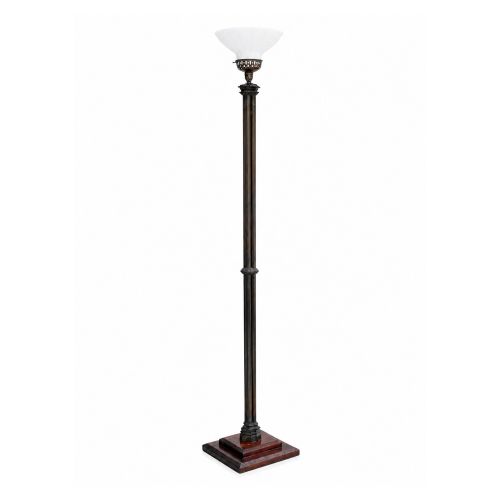
When you search for an edwardian style glass lamp, you encounter a variety of lighting fixtures originating predominantly from the early twentieth century, including the Edwardian period itself and surrounding decades like the 1920s and 1930s. These pieces span multiple forms such as chandeliers, table lamps, floor lamps, wall lights, and pendant lights.
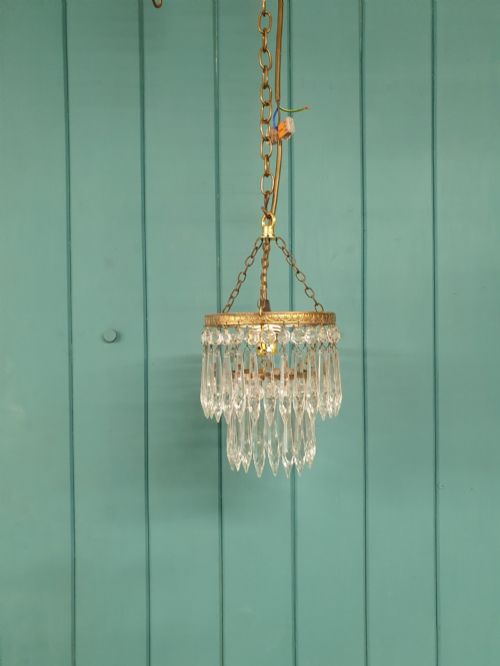
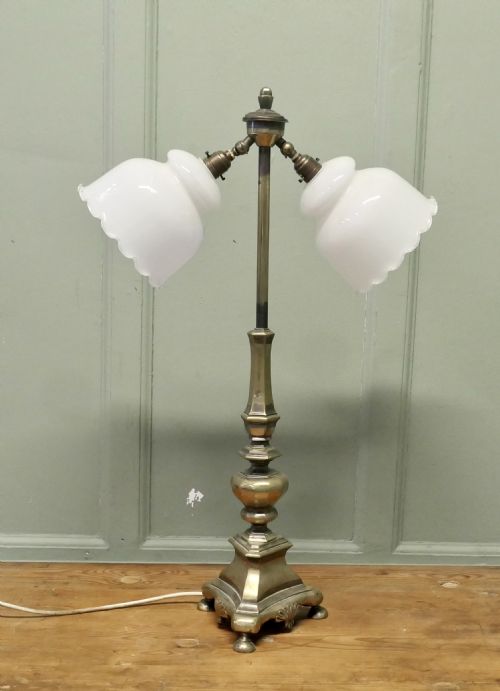
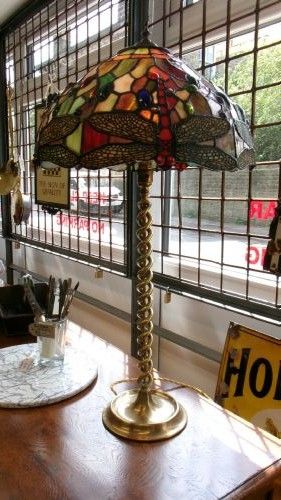
The assortment on this page includes smaller spike chandeliers, robust table lamps, and larger bowl chandeliers. Materials range widely from clear cut glass and crystal glass to opaline and cobalt blue leaded glass, often supported by brass, silver plate, or gilded bronze mounts.
Materials and Construction
Constructed using durable metal frames of brass, bronze, and silver plate, these lamps securely hold heavy glass elements. Workers shaped the structural components through casting and twisting, creating rigid supports for delicate hanging elements.
The glass elements rely on cutting, moulding, and beading techniques. Cut glass and crystal components use precise facets to refract light, while opaline and leaded glass panels introduce coloured and diffused lighting effects.
Some chapel lights were built so generously large they practically required their own parish.
Quality Variations
The standard of a piece depends heavily on the crispness of the glass cutting and the weight of the metal mounts. Heavier brass frames and sharply faceted crystal drops indicate superior manufacturing standards.
Detailing in the metalwork, such as open twists or patinated finishes, separates standard production items from finer studio or attributed workshop pieces.
F. & C. Osler·Farraday and Son
The Edwardian Style Glass Lamp Glossary
- Spike chandelier
- A compact hanging light featuring downward-pointing glass or crystal spikes arranged around a central frame. These fixtures measure in modest sizes suitable for smaller rooms.
- Tent and bag chandelier
- A classical lighting form featuring an upper triangular tent of glass beads above a bag-shaped lower gathering of drops. They disperse light through numerous faceted crystal elements.
- Opaline
- An opaque or semi-translucent glass typically produced in white or pastel shades. It diffuses light softly rather than casting direct rays.
- Lead glass
- A heavy glass variety containing lead oxide to increase brilliance and clarity. It allows for deep, sharp facets in cut glass lighting.
Edwardian Style Glass Lamp: Frequently Asked Questions
How do I identify an Edwardian glass lamp?
Look for characteristic materials such as brass paired with cut crystal, opaline, or cranberry glass. Design cues often follow Edwardian, Arts and Crafts, or early twentieth-century aesthetic conventions.
Check the construction of the metal mounts and the style of the glass drops. Pieces frequently date from the 1900s through the 1930s, showing period manufacturing techniques.
Where were these lamps used originally?
These lamps illuminated domestic and public spaces, ranging from intimate reading desks to grand rooms lit by large chandeliers. Table and desk lamps served focused tasks in studies.
Ceiling lights, wall sconces, and pendant chandeliers provided ambient room illumination. Larger fixtures suited high ceilings in period properties.
Can I use modern bulbs in these lamps?
Many of these pieces adapt well to contemporary low-wattage bulbs, provided the electrical components meet current safety standards. Rewiring is often necessary for older fixtures.
Consult a qualified electrician to assess the internal wiring before installation. Preserving original fittings while ensuring safety remains standard practice.
What maintenance do glass lamps require?
Routine dusting keeps glass drops and crystal components clear and reflective. Gentle cleaning with mild soapy water removes accumulated grime without damaging metal patinas.
Avoid harsh chemical cleaners on brass or silver-plated surfaces to protect the original finish. Careful handling prevents chipping delicate glass lustres and beads.