
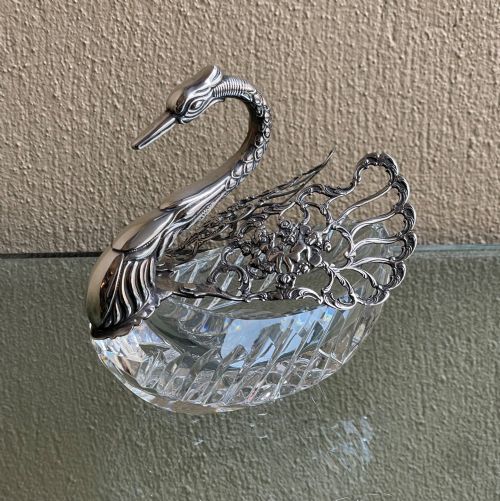


Vintage Glass Table Centrepiece
A vintage glass table centrepiece anchors a dining table, bringing light, colour and structure to period settings.
Vintage Glass Table Centrepiece
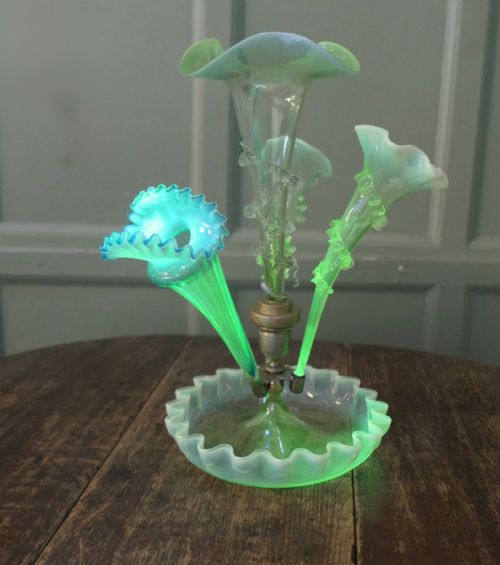
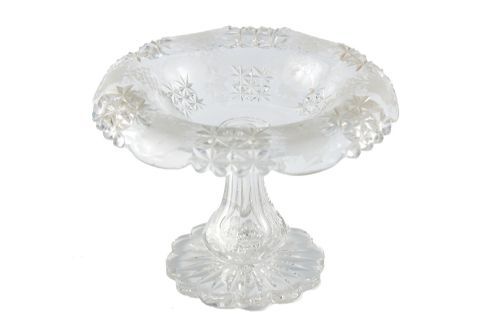
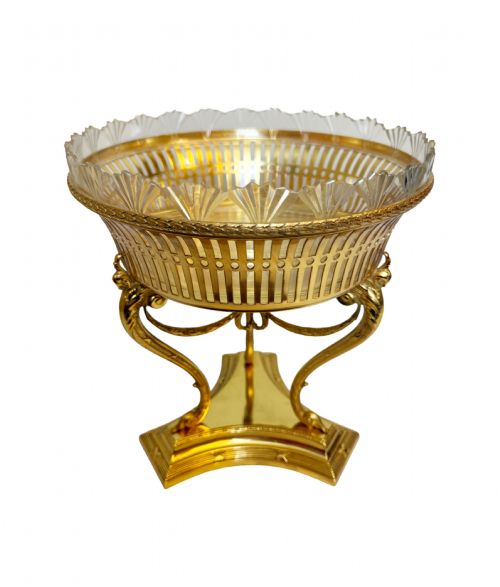
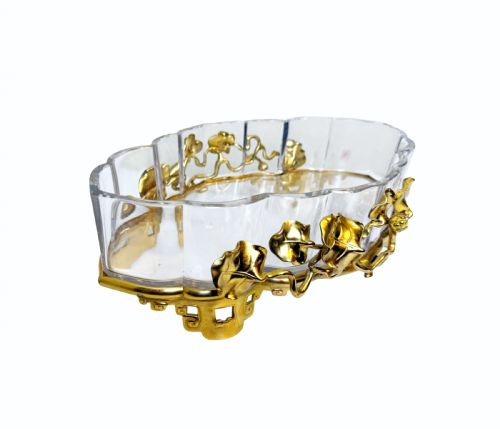
A vintage glass table centrepiece serves as the primary focal point for formal dining tables, encompassing decorative bowls, baskets, epergnes and multi-bottle cruet sets. When you search for a vintage glass table centrepiece, you encounter pieces spanning from the nineteenth century through the Edwardian era and Art Deco periods. These items combine functional glass vessels with mounts in silver plate, gilt bronze or silver.
The selection on this page relies heavily on Victorian and Edwardian examples alongside Art Nouveau and Art Deco designs. Common forms include multi-trumpet epergnes, heavy cut crystal bowls, and silver-plated cruet frames holding glass bottles. Originating from English, French, Belgian and German makers, these items reflect the distinct aesthetic preferences of their respective decades.
Materials and construction
Makers shaped these objects using heavy lead crystal, opalescent glass, uranium glass and cobalt blue glass, often employing hand-blowing and deep cutting techniques. Engraved and gilded details frequently embellish the glass surfaces, catching ambient light across the table. These glass components required skilled manipulation of molten material followed by careful cooling and polishing.
Metal mounts provide structural support and decorative contrast, utilising silver plate, solid silver, gilt bronze and silver metal. Artisans cast or stamped the metal bases into neoclassical, rococo revival or organic art nouveau forms to securely cradle the heavy glass inserts. The combination of reflective glass with polished metal creates the characteristic visual weight of these table ornaments.
Listings span the nineteenth century, Edwardian period, and Art Deco era, featuring cut glass, silver plate, and gilt bronze.
Judging quality and execution
Quality rests in the depth and crispness of the glass cutting, the weight of the crystal, and the integrity of the metal mounts. Superior pieces display sharp facets that refract light cleanly, alongside substantial silver plating or cast bronze frames that fit the glass vessel precisely. Lesser examples show soft, shallow cutting or mismatched replacement inserts.
The artistic ambition of the design distinguishes finer examples from standard production. Pieces featuring hand-painted enamel decoration, elaborate multi-trumpet epergne configurations or marked factory provenance demonstrate higher levels of period craftsmanship. The harmony between the glass body and its metal housing dictates the overall success of the piece.
Val St. Lambert Belgium·St Louis glassworks·Julien Glass France·Wade Wingfield Wilkins·Monart Glass
The Vintage Glass Table Centrepiece Glossary
- Epergne
- A large table centrepiece featuring a central dish with multiple branching trumpets or smaller baskets used for fruit or flowers. These multi-tiered structures dominate the centre of the dining table.
- Cruet set
- A matched collection of glass bottles or cruets held within a metal frame, used for condiments at the table. They frequently incorporate silver-plated stands with handles.
- Uranium glass
- Glass containing uranium oxide that glows vibrant green under ultraviolet light. Popular during the Victorian period for decorative vessels and epergnes.
- Opalescent glass
- Glass that displays a milky, translucent quality with shifting tones of colour depending on the light. It creates a pearlescent effect seen in Edwardian decorative items.
- Gilt bronze
- Bronze that has been coated with a thin layer of gold, providing a rich metallic finish for the frames and mounts of nineteenth-century centrepieces.
Vintage Glass Table Centrepiece: Frequently Asked Questions
Can I use an epergne for flowers?
Many epergne trumpets were specifically designed to hold fresh blooms and water during formal Victorian dining occasions. Ensure the glass is free from internal cracks before filling them with water.
For fragile antique glass, consider using floral frogs or minimal stems to avoid putting excessive weight on the delicate rims of the trumpets.
How do I date a glass centrepiece?
Examine the style of the metal mounts, the cutting technique of the crystal, and any factory marks stamped on the base or frame. Victorian and Edwardian pieces often exhibit distinct neoclassical or florid organic motifs.
Consult the registration marks or maker signatures where present, as these provide definitive clues to the exact decade of manufacture.
Where should I place a centrepiece?
Position the item centrally on a dining table, sideboard or console where natural light can pass through the coloured or cut glass. Ensure the table surface is stable and protected from heavy knocks.
Keep glass centrepieces away from direct, harsh sunlight for prolonged periods to prevent any potential fading of coloured glass or enamelling.